Vermont Spring Turkey Bag Limit for Residents
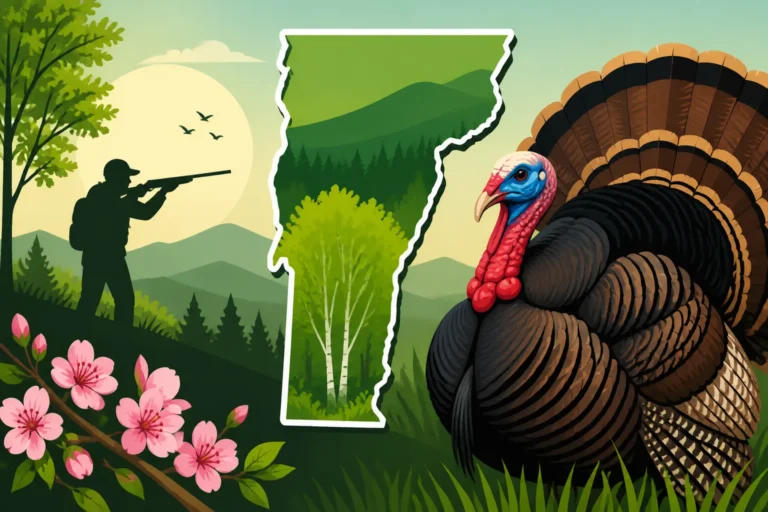
For many Vermont hunters, the arrival of spring doesn't just mean warmer weather; it signals the highly anticipated crack of dawn gobblers sounding off across the hills and valleys. Yet, navigating the specific rules and regulations around Vermont's spring turkey season, particularly the bag limit for residents, can sometimes feel like trying to decipher an ancient map. It’s not always as straightforward as just knowing how many birds you can take; there are nuances around permits, timing, and conditions that can make or break a successful, legal hunt. This guide aims to clear up any confusion, providing a comprehensive look at what Vermont residents need to know to fill their tags confidently and correctly.
Understanding Vermont's Generous Spring Turkey Opportunities
Vermont offers some fantastic spring turkey hunting, and for residents, the opportunities are particularly enticing, allowing for a more substantial harvest than many other states. This isn't just a random act of generosity; it's often a reflection of healthy turkey populations and management goals aimed at providing ample recreational opportunities while maintaining sustainable numbers of wild birds across the landscape.
The Resident Advantage: A Two-Bird Limit
One of the biggest advantages for Vermont residents is the ability to harvest two bearded turkeys during the spring season. This isn't a universal rule across all states, so it's a significant detail that sets Vermont apart. This two-bird allowance is a testament to the thriving wild turkey populations that have been successfully re-established and managed throughout the state. However, it's crucial to understand that "two-bird limit" isn't a free-for-all. There are specific conditions and permit requirements that dictate how and when these two birds can be legally harvested. You can't just go out and shoot two birds on opening day without the proper permits and understanding of the rules. Many hunters find resources like GoHunt invaluable for keeping up with these specific regulations and planning their hunts efficiently, ensuring they're always compliant with the latest rules from the Vermont Fish and Wildlife Department.
Bearded Birds Only: A Key Distinction
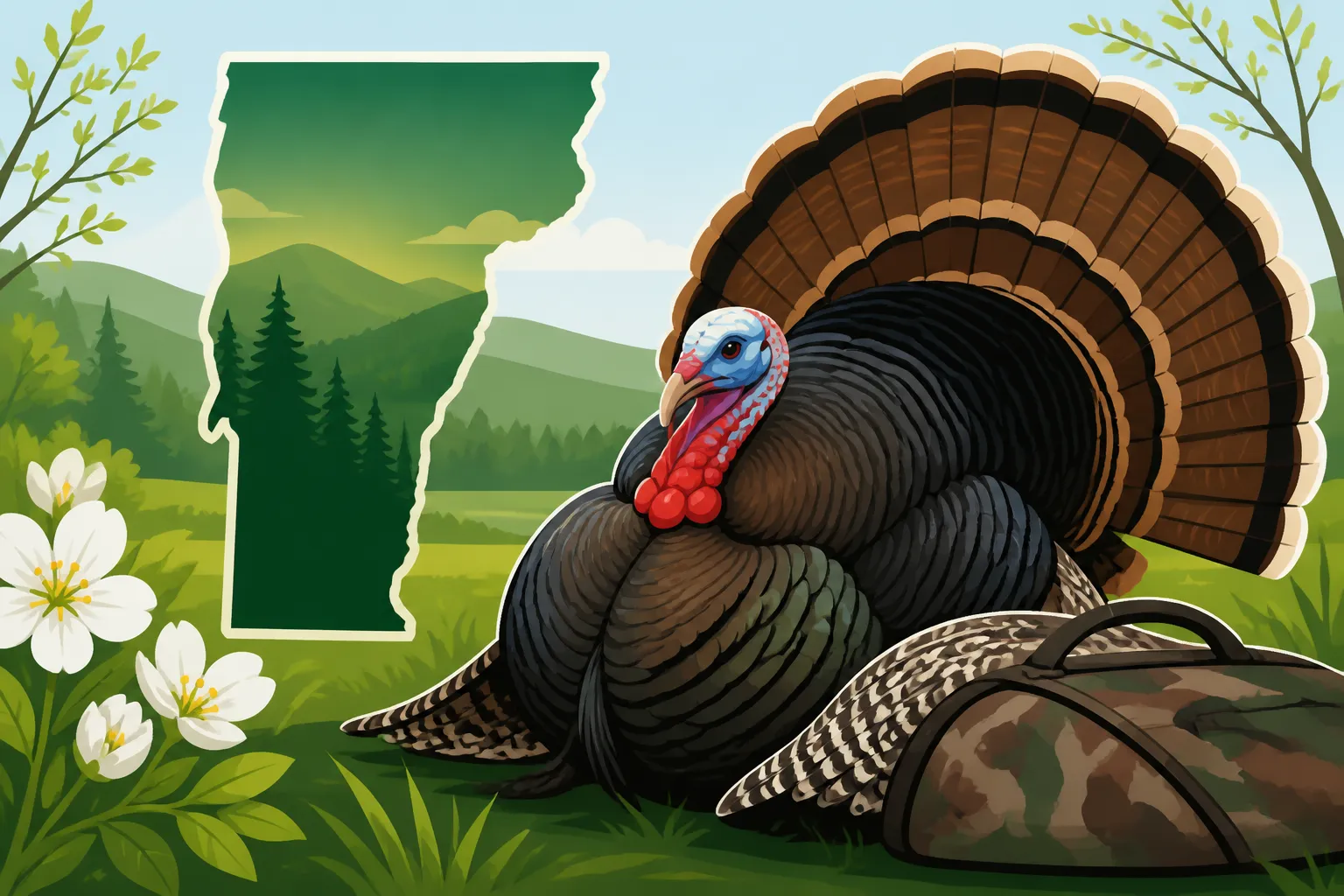
When we talk about spring turkey hunting in Vermont, the term "bearded bird" is absolutely critical. Unlike some fall seasons that might allow for hens, spring hunting is strictly focused on gobblers, and specifically, those that display a visible beard. This is a conservation measure designed to protect breeding hens and ensure the continued health and growth of the turkey population. A beard is a tuft of bristle-like feathers protruding from the breast of a turkey, and while most mature gobblers have one, some jakes (younger males) might also have short beards. Rarely, a hen might grow a beard, but for spring hunting purposes, the focus is unequivocally on male birds. Before pulling the trigger, always confirm that your target clearly exhibits this characteristic. This distinction is one of the foundational elements of hunting responsibly and legally during Spring Turkey Hunting in Vermont.
Navigating the Permit Structure for Two Birds
Having a two-bird limit sounds great, but it requires the right permits. Vermont has a clear system in place to ensure hunters are properly licensed and permitted for each bird they intend to harvest.
The First Permit: Standard Spring Turkey Tag
Every resident hunter participating in the Vermont spring turkey season must possess a valid Vermont hunting license and a spring turkey permit. This initial permit covers your first bearded bird. It's automatically included when you purchase your spring turkey license. This permit is your basic entry ticket into the spring woods, allowing you to pursue and harvest one legal bearded turkey. It's often affixed directly to your license or provided as a separate tag that needs to be validated upon harvest. For details on how to acquire these, you can refer to Vermont Resident License Options.
The Second Permit: The Bonus Tag
Here's where the two-bird limit comes into play for residents. To harvest a second bearded turkey, residents must purchase an additional spring turkey permit, often referred to as a "bonus tag" or "second tag." This isn't automatically given; it's an optional purchase. This second tag allows you to fill that coveted second slot, extending your opportunities in the spring woods. It’s important to note that this second permit also carries a cost, separate from your initial hunting license and first turkey permit. The price for this permit for residents is generally quite reasonable, making the two-bird opportunity accessible. Understanding the specifics of Filling a Second Spring Tag as a Resident is key to making the most of your spring season.
Here’s a quick overview of the permit structure for residents:
| Permit Type | Covered Birds | Cost (Resident) | Notes |
|---|---|---|---|
| Hunting License | None | Varies by age/type | Required for all hunting activities in VT |
| Spring Turkey Permit | 1 Bearded Turkey | Included w/ license | Your first tag, allows for one bearded bird |
| Additional Spring Turkey Permit | 1 Bearded Turkey | ~$10-15 (approx.) | Your second tag, must be purchased separately for the second bird |
Youth and Novice Hunter Opportunities
Vermont also provides special opportunities for younger and newer hunters to experience the thrill of spring turkey hunting. The state offers a dedicated Youth and Novice Turkey Weekend, typically held just before the regular season opener. During this special weekend, eligible youth and novice hunters, under the supervision of a licensed adult mentor, can pursue and harvest a bearded turkey. This weekend counts towards the two-bird resident limit for eligible youth hunters. If they successfully harvest a bird during this weekend, they still have the opportunity to purchase an additional second tag for the regular season, provided they are residents and meet all other requirements. It's a fantastic way to introduce new hunters to the sport and foster a love for the outdoors. You can find more details on this special weekend by looking up Hunting the Youth and Novice Turkey Weekend.
Important Regulations Beyond the Bag Limit
While knowing your bag limit is crucial, a successful and legal hunt in Vermont involves understanding several other key regulations. These rules are in place to ensure fair chase, promote ethical hunting practices, and maintain the integrity of the wild turkey population.
Season Dates and Hunting Hours
The Vermont spring turkey season typically runs for about four weeks, starting in early May. The exact dates can shift slightly year to year, so always check the current regulations issued by the Vermont Fish and Wildlife Department. During this period, hunting is generally permitted from half-hour before sunrise until 12:00 PM (noon) each day. This mid-day closing is standard in many states for spring turkey, designed to allow birds to resume their natural breeding and foraging activities undisturbed in the afternoon. Knowing when to be in the woods and when to call it a day is vital for compliance. Many hunters meticulously plan their morning setups, often going back to scout in the afternoons, or checking for signs of movement with mapping tools that might integrate public land boundaries, similar to features offered by platforms like GoHunt. You can confirm the exact dates by checking Vermont Spring Turkey Season Dates.
Methods of Take and Equipment Restrictions
Vermont generally allows shotguns and archery equipment for spring turkey hunting. When using a shotgun, there are restrictions on gauge size and shot size. Typically, 10, 12, 16, and 20 gauge shotguns are permitted, loaded with shot no larger than #2 and no smaller than #8. This means no buckshot or slugs for turkeys! For archery hunters, broadheads must meet minimum width requirements. Crossbows are also legal during the spring turkey season, following specific regulations regarding draw weight and safety features. Understanding these equipment rules is paramount; using an illegal method of take can result in significant penalties.
Mandatory Reporting and Tagging
Once you've successfully harvested a bearded turkey, the job isn't quite done. Vermont has mandatory reporting requirements for all legally taken game, including spring turkeys. You must report your harvest to the Vermont Fish and Wildlife Department within 48 hours of taking the bird. This can usually be done online through their official portal, through their mobile app, or by visiting a designated deer and turkey reporting station. When you report your bird, you'll need information from your permit, and you'll typically be issued a confirmation number. This data is vital for wildlife biologists, helping them monitor turkey populations, assess harvest rates, and make informed management decisions for future seasons. Always ensure you have a way to tag your bird immediately after harvest, and then report it promptly. Losing track of a tag or failing to report can lead to complications and potential fines.
Maximizing Your Spring Turkey Success in Vermont
With the regulations understood, the next step is planning how to make the most of your two-bird opportunity. Vermont offers diverse turkey habitats, from the sprawling farmlands of the Champlain Valley to the dense hardwoods of the Green Mountains and the wilder reaches of the Northeast Kingdom.
Scouting and Habitat Awareness
Effective scouting before the season opens is a game-changer. Turkeys are creatures of habit, often roosting in the same areas and following similar travel routes. Look for signs like tracks, droppings, dusting bowls, and scratch marks in the leaves. Listen for distant gobblers at dawn. Understanding what the birds are doing before you even carry a gun into the woods will significantly increase your odds. Identifying key areas, like good roosting timber near open fields or travel corridors between feeding and strutting zones, is crucial. The Vermont Fish and Wildlife Department often provides data on Turkey Population Trends and distribution by WMU, which can be an excellent starting point for your scouting efforts.
Calling Strategies for Vermont Turkeys
Calling is arguably the most exciting part of spring turkey hunting. Vermont turkeys, like any wild bird, can be responsive to a variety of calls, but they can also be notoriously "call shy" in heavily hunted areas. For early season birds, especially those still focused on breeding, aggressive gobbling and excited hen yelps might work well. As the season progresses and birds become more pressured, a subtler approach with soft tree yelps, clucks, and purrs might be more effective. Learning how to adjust your calling to the mood of the birds and the hunting pressure is a skill that comes with practice. Consider practicing various calls, from mouth calls to slate and box calls, to have a full arsenal at your disposal. Calling an Early May Gobbler Off the Roost requires a different approach than trying to entice a quiet bird later in the season. You'll want to be familiar with When Vermont Gobblers Go Quiet in Late May to adjust your tactics.
Decoy Placement and Setup
Decoys can be a powerful tool, especially for drawing in a reluctant gobbler that might hang up out of range. The key is realistic placement. In open fields, a lone hen or a jake/hen combination can often be effective. For more aggressive birds, adding a full strut gobbler decoy might challenge dominant toms to come closer. Always consider your shooting lane and the direction from which you expect the turkey to approach. Decoy Placement for Pressured Spring Birds can be particularly challenging, often requiring more subtle setups or even forgoing decoys if the birds are exceptionally wary. Setting up against a big sugar maple, for instance, can provide natural cover while allowing good visibility for decoy placement.
Final Considerations for a Rewarding Spring Season
Vermont's spring turkey season is a cherished tradition for many residents, offering challenging and rewarding hunts against a backdrop of stunning natural beauty. By understanding and respecting the regulations, honing your skills, and embracing the experience, you're set for a memorable season.
Ethical Hunting Practices
Beyond the legalities, ethical hunting practices are paramount. This includes proper shot placement to ensure a quick, humane kill, responsible land use (whether public or private), and leaving no trace behind. Respect for the game, the land, and fellow hunters ensures that the tradition of hunting in Vermont remains strong and positive for generations to come.
Enjoying the Experience
Remember, hunting isn't just about filling a tag. It's about spending time outdoors, appreciating nature, challenging yourself, and connecting with the wild. Whether you fill one tag, two, or none, the experience of hearing a gobbler thunder from the roost, watching the sunrise paint the Vermont landscape, and sharing stories with friends and family makes it all worthwhile. Resources like GoHunt can help you plan the logistics, but the experience itself is what truly enriches the soul.
Disclaimer
Please remember that hunting regulations can change. While this guide provides comprehensive information, it is crucial always to consult the official Vermont Fish and Wildlife Department website or their printed regulations guide before heading afield. It is your responsibility to know and follow all current laws.