Vermont Duck Daily Bag Limit
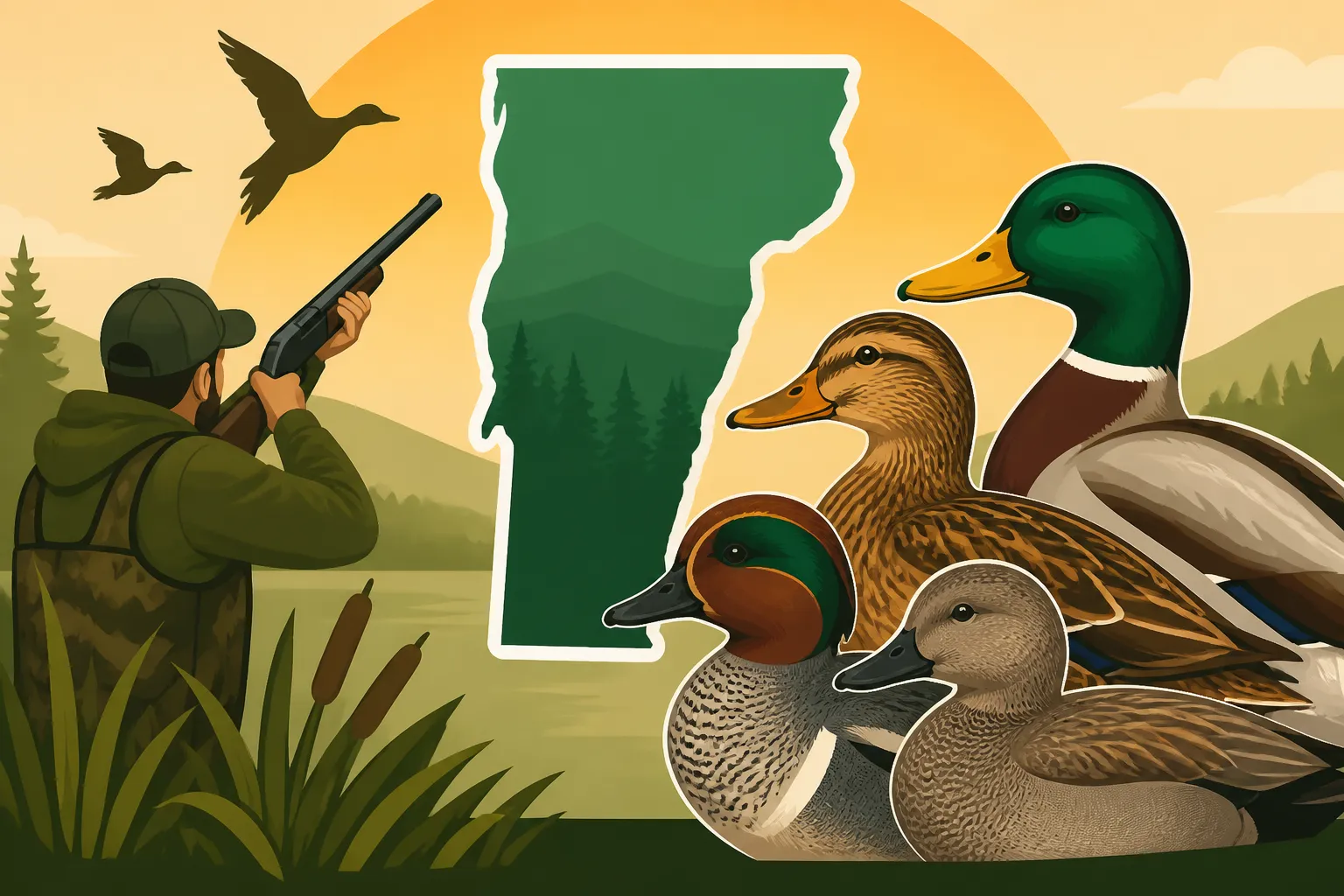
The thrill of a crisp autumn morning, the whistle of wings overhead, and the splashdown of a decoy spread — it's pure magic for a Vermont duck hunter. But let's be honest, figuring out the ever-changing tapestry of duck hunting regulations, especially those tricky daily bag limits, can feel like trying to untangle a knotted decoy line in the dark. It’s easy to get confused with general duck limits versus species-specific restrictions. This comprehensive guide is here to clear the air, breaking down everything you need to know about Vermont's duck daily bag limits so you can hunt confidently and legally.
Understanding Vermont's Waterfowl Zones and Their Impact on Bag Limits
Before we even dive into the numbers, it's absolutely crucial to grasp that Vermont isn't a single, uniform waterfowl hunting landscape. The state is carved into three distinct zones, and these zones dictate not only the season dates but also how you interpret and apply the daily bag limits. Ignoring these zones is a surefire way to run into trouble, or at the very least, miss out on prime hunting days.
The Lake Champlain Zone's Unique Calendar
The Lake Champlain Zone is arguably the most dynamic and often the most confusing of the three, primarily because it often features a split season. This zone encompasses a significant portion of western Vermont, bordering New York, and includes the vast expanse of Lake Champlain itself, a major migratory bird highway. Waterfowl activity here can be intense, with birds staging for long periods. Because of the sheer volume of birds and the varied migration patterns influenced by the large body of water, this zone's season dates are set to maximize opportunity while protecting different flights of birds.
What this means for daily bag limits is that while the numerical limits per species remain consistent statewide, the timing of when you can pursue those birds changes. You might have an early season, a brief closure, and then a later season. If you're hunting during the early part of the season in this zone, you're bound by those specific dates, and any limits apply only within that window. Once that segment closes, so does your opportunity until the next segment opens. For many, this split can be frustrating to track, but it's designed to manage harvest sustainably. Knowing when to go out, and when you can't, is just as important as knowing what you can shoot. Make sure you're up to date on all the specific details of the Vermont Lake Champlain Zone Waterfowl Dates before heading out.
The Interior Zone: Vermont's Heartland Hunting
Moving eastward, away from Lake Champlain, you enter Vermont's Interior Zone. This zone covers the vast majority of the state's central and eastern regions, encompassing countless smaller lakes, ponds, rivers, and wetland areas. The hunting here can be just as rewarding, often characterized by jump-shooting smaller creeks or setting up on secluded beaver flowages. The season dates for the Interior Zone are generally more contiguous than the Lake Champlain Zone, providing a more straightforward hunting calendar for duck enthusiasts.
While the season structure might be simpler, the underlying principle of daily bag limits remains the same. You're still looking at a comprehensive list of species, each with its own individual limit, all contributing to a general duck aggregate. Hunters here often target dabbling ducks like mallards, wood ducks, and black ducks, which thrive in these inland habitats. The lack of a split season in most years here can be a blessing, allowing for more consistent planning, but it still requires diligence in checking the current regulations for the specific Vermont Interior Zone Waterfowl Dates.
The Connecticut River Zone's Distinct Border
Finally, along Vermont's eastern flank, lies the Connecticut River Zone. This zone follows the mighty Connecticut River, which forms the border with New Hampshire. This unique corridor is a significant flyway for waterfowl, offering diverse hunting opportunities, from pass-shooting geese off a roost pond to decoying ducks along oxbows and river bends. The season dates here are often aligned with the waterfowl management strategies for the river basin, which sometimes differ slightly from the Interior Zone due to shared management with New Hampshire and the specific migration patterns along this waterway.
Hunters focusing on this zone, while facing similar daily bag limits as the rest of the state, must be acutely aware of the specific season dates for the Vermont Connecticut River Zone Waterfowl Dates. It's a busy migratory path, and understanding the ebb and flow of different species is key to a successful hunt. The river's vastness and varied habitat mean a diverse mix of dabblers and divers can be encountered, all falling under the same species-specific daily limits. Regardless of which zone you're in, staying on top of these dates is paramount.
Navigating the Specifics of Vermont's Daily Duck Bag Limits
Now for the meat and potatoes, or should I say, the mallards and wood ducks! Vermont’s duck daily bag limit isn't a simple, single number. It's a carefully constructed system designed to manage populations of various species, some more abundant than others. This is where many hunters get tripped up, thinking "I can shoot six ducks," without realizing the intricate breakdown that makes up that "six."
The General Duck Aggregate and Species-Specific Caps
The statewide general daily bag limit for ducks is typically set at six birds. This is your overall ceiling. However, you can't just shoot six mallards and call it a day (unless, of course, the species-specific limits for mallards allow for it, which they don't for hens!). Within that aggregate of six, there are much tighter restrictions on certain species. Think of it like a puzzle: you have six pieces, but each piece has a specific shape it must conform to.
For instance, highly sought-after species like pintails, canvasbacks, and black ducks usually have very low daily limits, sometimes as low as one or two birds per day. This is a critical conservation measure, reflecting their population status and ensuring sustainable harvest. On the other hand, more common species like wood ducks or green-winged teal might have a higher individual species limit. The challenge is often identifying birds quickly and accurately to ensure you're not exceeding a species-specific limit, even if you're well under your general aggregate. This is where practice, good binoculars, and knowing your ducks come into play. Many seasoned hunters rely on tools like the GoHunt app to quickly double-check regulations on species limits if they're unsure in the field.
Key Species and Their Limits: A Closer Look
Let’s break down some of the most common duck species encountered in Vermont and their typical daily bag limits. Remember, these can change annually, so always consult the latest Vermont Fish & Wildlife digest!
- Mallards: Often the bread and butter of duck hunting. While you can typically harvest up to four mallards, a critical distinction exists: only two of those can be hen mallards. This is a crucial rule for population management. Shooting a limit of four drakes is perfectly fine, but shooting two drakes and two hens is also acceptable. Three drakes and one hen? Yes. But one drake and three hens? No, that third hen would put you over the limit. This hen mallard rule catches many off guard, so pay close attention to sex identification.
- Black Ducks: These elusive, darker cousins of the mallard are a prized bird. Their populations are often more sensitive, so their daily limit is consistently low, often one or two birds. Given their similar appearance to hen mallards, accurate identification is paramount.
- Wood Ducks: Stunningly beautiful and fast-flying, wood ducks are a favorite. Their daily limit is usually generous, often three birds. They are most common in wooded swamps and beaver flows.
- Pintails: The "greyhounds of the air," pintails have long, elegant necks and often have a pin-like tail on the drakes. Their limit is typically one bird, reflecting their more sensitive population status.
- Canvasbacks: A diver known for its sloped profile. Canvasbacks are another low-limit bird, usually one or two per day, due to population concerns.
- Scaup (Bluebills): Both greater and lesser scaup fall under a combined limit, which can fluctuate. Historically it’s been two or three birds, but always verify.
- Mergansers: These fish-eating ducks (common, hooded, and red-breasted) usually have a combined limit, often five birds, but only two of those can be hooded mergansers.
- Teal (Green-winged & Blue-winged): Fast and agile, teal are often targeted in the early season. Their combined limit is usually generous, around six birds.
Here's a simplified table outlining typical daily bag limits for common duck species in Vermont. Always verify with the current year's regulations!
| Species | Typical Daily Bag Limit | Specific Restrictions |
|---|---|---|
| Total Ducks (Aggregate) | 6 | |
| Mallard | 4 | No more than 2 hen mallards |
| Black Duck | 1 | |
| Wood Duck | 3 | |
| Pintail | 1 | |
| Canvasback | 1 | |
| Scaup (Bluebills) | 2 | Combined limit for both Greater and Lesser Scaup |
| Merganser | 5 | No more than 2 hooded mergansers |
| Teal (Green-winged/Blue-winged) | 6 | Combined limit for both species |
| Redhead | 2 | |
| Gadwall | 2 | Often part of the general duck aggregate, but check |
| Wigeon | 2 | Often part of the general duck aggregate, but check |
| Harlequin Duck | Closed | Unlawful to take |
| Eider | Closed | Unlawful to take |
| Scoter | 3 | Combined limit for Black, Surf, and White-winged Scoters |
Understanding these nuances is what makes you a responsible and successful waterfowl hunter. Getting good at bird identification on the wing is a skill that comes with practice, but it's essential for staying compliant with these detailed regulations.
Beyond the Daily Bag: Possession Limits, Season Splits, and Other Critical Rules
While the daily bag limit is what most hunters focus on during their actual hunt, there's a broader framework of rules that are just as vital to understand for a legal and ethical waterfowl season. Overlooking these can lead to unintended violations, even if you’ve meticulously followed your daily limits.
The All-Important Possession Limit
The possession limit is the total number of migratory game birds you can have on your person, in your vehicle, or stored at your primary residence. For ducks in Vermont, this is generally three times the daily bag limit. So, if the aggregate daily limit is 6 ducks, your possession limit would be 18 ducks. This applies to each species as well. If the daily limit for black ducks is 1, your possession limit is 3 black ducks. This rule is designed to prevent hunters from accumulating an excessive number of birds over multiple days without proper processing and consumption.
It's particularly relevant for hunters who might spend a long weekend at a camp or make multiple trips without immediately processing their game. While having a great hunt and bagging your daily limit multiple days in a row is fantastic, remember you can only possess so many birds. Always plan for proper storage and processing to stay within this limit.
Season Splits: A Game Changer in the Lake Champlain Zone
As we touched upon earlier, the concept of "split seasons" profoundly impacts your hunting strategy, particularly in the Lake Champlain Zone. A split season means the hunting period is divided into two or more segments, separated by a closed period. For example, the Lake Champlain Zone might open in early October, close for a week or two, and then reopen for a longer period through November and December.
During these closed periods, hunting for those specific species is completely prohibited, even if you still have remaining daily or possession limits from prior hunts. The daily bag limit applies only during the open segments. This means you need to be extra vigilant about checking the official Vermont Waterfowl Zones and Seasons dates annually. The reasons for splits are varied: they might be to allow certain species to pass through unmolested, to reduce overall pressure, or to align with specific ecological conditions. For hunters, it means careful calendar management. Using a digital hunting map or the GoHunt app can be a lifesaver here, as they often have up-to-date season date overlays. Successfully hunting the split Lake Champlain Zone season requires this level of attention to detail.
Beyond the Birds: Essential Waterfowl Hunting Requirements
The rules don't stop with the ducks themselves. To legally hunt waterfowl in Vermont, you'll need a few additional items:
- Federal Duck Stamp: This is a physical stamp you must sign and carry. It’s a conservation tool, with 98 cents of every dollar going directly to conserve wetland habitats. No duck stamp, no duck hunting.
- Vermont Migratory Bird Certification: In addition to your regular hunting license, Vermont requires this state-specific certification for migratory bird hunting. Think of it as an extra permit. You can easily purchase this online through the Vermont Fish & Wildlife portal.
- HIP Certification: The Harvest Information Program (HIP) is a nationwide program designed to collect harvest data for migratory birds. It's a free certification you complete when you buy your license, answering a few questions about your previous year's hunting efforts. It's mandatory.
- Non-Toxic Shot: This is a federal requirement for all waterfowl hunting. You cannot use lead shot for ducks, geese, coots, or snipe. Steel, bismuth, or tungsten-based alternatives are required. This protects waterfowl from lead poisoning, which can occur when birds ingest spent lead pellets.
- Shooting Hours: Waterfowl hunting hours are generally from one-half hour before sunrise to sunset. Always consult an official sunrise/sunset table for your specific location and date.
These requirements might seem like a lot to keep track of, but they are fundamental to responsible waterfowl hunting and conservation. Always carry all necessary licenses and stamps, and ensure your gear complies with regulations.
Common Misconceptions and How to Stay Compliant
Despite the clear guidelines published by the Vermont Fish & Wildlife Department, certain misconceptions about duck hunting limits persist. These can often lead to honest mistakes, but unfortunately, ignorance of the law is rarely an excuse when it comes to wildlife enforcement.
The "Six Mallards" Myth and Other Pitfalls
One of the most enduring myths is that a hunter can simply shoot six mallards. As we’ve thoroughly discussed, the general duck limit of six birds is an aggregate, and within that, species-specific limits, particularly the two-hen mallard restriction, are paramount. Many new hunters, or those who haven't reviewed the regulations in a while, sometimes overlook this critical detail. It’s not about the total number only; it’s about the composition of that total.
Another common pitfall is misidentification, especially under low light conditions or when birds are flying fast. Mistaking a black duck for a mallard, or overshooting the single pintail limit because you thought you saw a different species, can happen. This underscores the importance of positive identification before you pull the trigger. If you have any doubt, it's always better to hold your shot. This ethical approach not only keeps you legal but also ensures you're a responsible conservationist.
Finally, some hunters might forget about the possession limit, especially if they are staying at a camp for several days and having multiple successful hunts. It’s easy to accumulate more birds than legally allowed in your freezer or cooler if you’re not mindful. Plan your processing and transport carefully.
Your Best Resources for Up-to-Date Information
To avoid these common pitfalls and ensure you’re always hunting legally, here are your absolute best resources:
- Vermont Fish & Wildlife Department Official Digest: This is your bible. Available annually online and at license vendors, it contains all the most current season dates, bag limits, and general regulations. Always download or pick up the latest version for the current hunting season. Don't rely on last year's copy or what "someone told you."
- Vermont Fish & Wildlife Department Website: The official website is regularly updated and often provides news releases about any regulatory changes. It's an excellent place to cross-reference information found in the digest.
- The GoHunt App (or similar reputable hunting apps): Many modern hunting apps, like GoHunt, offer digital versions of state regulations, season date overlays on maps, and even species identification guides. While they are incredibly convenient for quick reference in the field, always double-check against the official state digest for absolute certainty. The convenience of having current regulations right on your phone can save you a lot of headache.
- Conservation Officers: When in doubt, call your local Vermont Fish & Wildlife Game Warden. They are there to help you understand the regulations and ensure compliance. It's always better to ask than to guess.
The Consequences of Non-Compliance
Exceeding bag limits, hunting out of season, or failing to have the proper licenses and stamps are serious violations. The penalties can range from significant fines to loss of hunting privileges, and even confiscation of equipment and game. Beyond the legal ramifications, there’s an ethical responsibility to uphold. Our hunting heritage is built on conservation, and following regulations is a cornerstone of that commitment. Every hunter plays a role in ensuring sustainable populations and a positive public image for hunting. Be diligent, be responsible, and enjoy your time chasing ducks on Vermont's beautiful waters.
Disclaimer
Please note: Regulations, season dates, and bag limits for hunting in Vermont are subject to change. This guide is intended for informational purposes only and should not be considered a substitute for the official Vermont Fish & Wildlife Department regulations. Always consult the most current Vermont Fish & Wildlife Digest or their official website before engaging in any hunting activities.