Taking Vermont Hunter Education Online
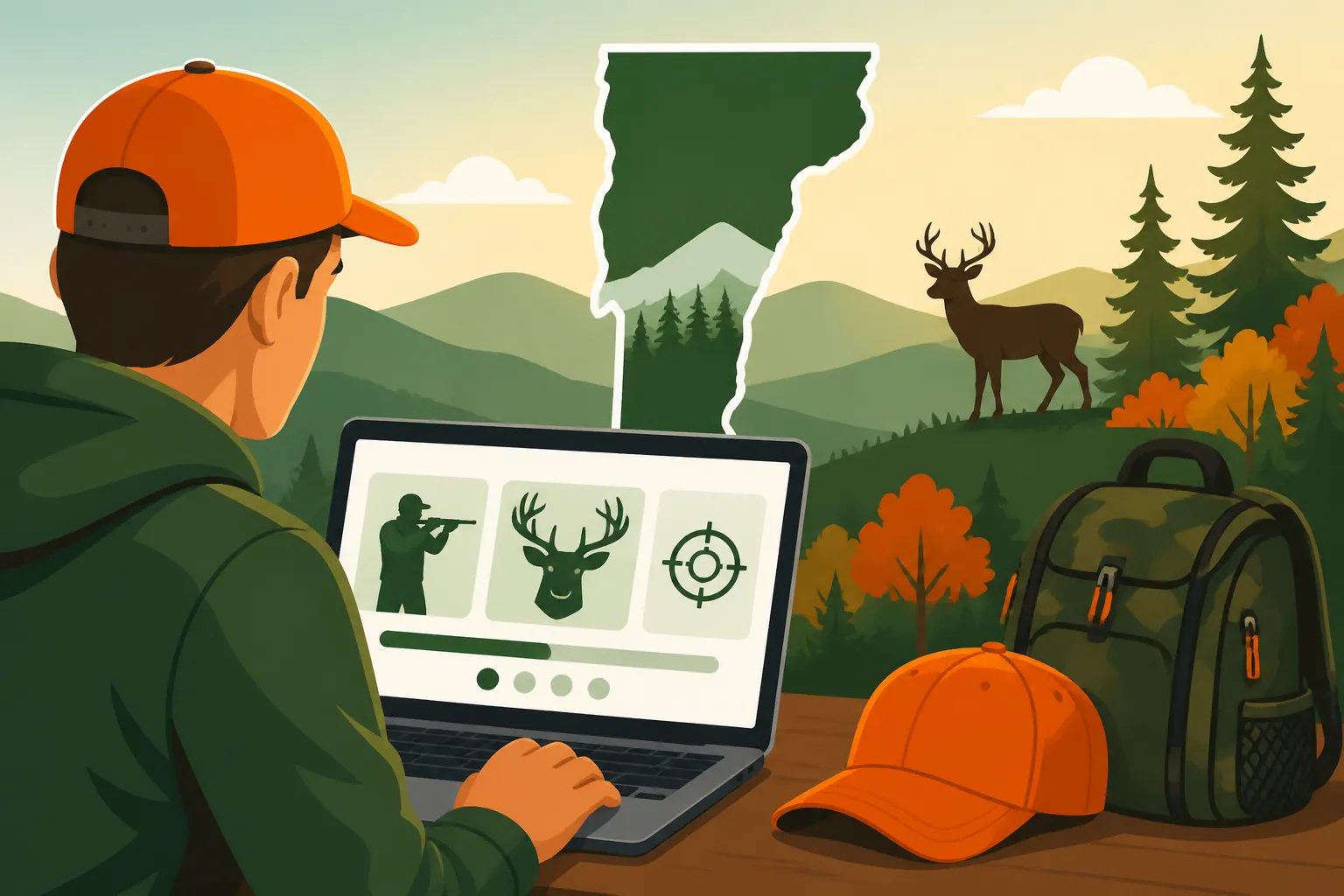
Getting your hunter education certification can feel like another hurdle before you can finally get out into Vermont's beautiful woods. Between work, family, and daily life, finding time for traditional classroom courses can be a real challenge. Thankfully, Vermont offers a convenient online hunter education program, allowing you to complete the bulk of your coursework at your own pace, right from your home. This guide is here to demystify the process, walking you through everything you need to know about taking Vermont's hunter education course online so you can confidently prepare for your mandatory field day and ultimately, your first hunting season.
Why Vermont Hunter Education is More Than Just a Requirement
For many aspiring hunters, the hunter education course can seem like just another hoop to jump through. But here in Vermont, it's truly the foundation of becoming a responsible, ethical, and safe outdoors person. It’s not just about passing a test; it’s about understanding your role in conservation and ensuring the longevity of our hunting traditions.
The Mandate and Its Importance
In Vermont, completing a hunter education course is generally mandatory for anyone born after January 1, 1970, who wishes to purchase a hunting license. This requirement is in place for a very good reason: safety. Hunting, while incredibly rewarding, carries inherent risks. Proper education significantly reduces the chance of accidents, not just for the hunter themselves, but for everyone else in the field. It’s about building a culture of responsibility and respect for wildlife and other outdoor enthusiasts.
You might feel like it's a bit of a burden, especially if you've grown up around firearms or have had some informal instruction. However, the structured curriculum ensures everyone receives comprehensive training on crucial topics, from firearm handling to legal responsibilities. It’s a level playing field of knowledge that benefits us all. To learn more about who specifically needs to complete this course, check out our detailed guide on Who Needs Vermont Hunter Education.
What You'll Learn Beyond the Basics
Vermont's hunter education course goes far beyond simply knowing how to load and unload a firearm. You’ll delve into a wide array of topics designed to make you a well-rounded and ethical hunter. This includes critical skills like wildlife identification, which helps you differentiate between legal game and protected species, or even between bucks and does in various seasons. You'll also gain a deep understanding of Vermont's specific game laws and regulations, which are ever-evolving and crucial to staying legal and responsible in the field.
Beyond the regulations, you'll learn about important ethical considerations, such as fair chase principles and respectful conduct toward landowners and other outdoor recreators. You'll also cover essential survival skills, basic first aid, and how to properly care for game meat in the field, which is vital for both food safety and respecting the animal harvested. The course also touches on important conservation principles, explaining how hunting license fees and excise taxes on equipment directly fund wildlife management efforts in Vermont. Understanding these deeper aspects ensures that your future hunting experiences are not only successful but also contribute positively to our state's natural resources. It’s about becoming a steward of the land, not just a harvester. For additional context on state-specific rules impacting conservation, you can also read about Vermont's CWD Prevention Rules.
Navigating the Online Hunter Education Course for Vermont
The convenience of online learning has revolutionized how many people complete their hunter education. For those with demanding work schedules or family commitments, the ability to tackle the classroom portion from home is a game-changer. But it's important to choose the right path and know what to expect.
Choosing the Right Online Provider
When it comes to completing your online hunter education in Vermont, you’ll want to make sure you’re using an approved provider. The Vermont Fish & Wildlife Department works with specific platforms to ensure the curriculum meets state standards. Websites like Hunter-Ed.com and Bowhunter-Ed.com are popular choices, offering interactive, self-paced courses that are explicitly approved for Vermont. They break down the material into manageable modules, often with quizzes at the end of each section to test your understanding before you move on.
This flexibility is a huge benefit. You can study during your lunch break, after the kids are in bed, or whenever you have a quiet moment. This self-paced approach means you can spend more time on areas you find challenging and breeze through topics you already grasp. Just be sure to verify that any online course you choose is indeed approved by the Vermont Fish & Wildlife Department for certification purposes. Don't waste your time and money on a course that won't count!
What to Expect from the Online Curriculum
The online curriculum for Vermont hunter education is comprehensive, covering a broad spectrum of topics essential for safe and responsible hunting. You'll typically encounter modules on:
- Firearms Safety: This is foundational, covering the universal rules of gun safety, proper handling, storage, and transport of different types of firearms.
- Archery Safety: If you opt for a combined course or specifically a bowhunter education course, this module will cover safe bow handling, arrow selection, and ethical shot placement.
- Basic Hunting Techniques: You’ll learn about common hunting methods, animal behavior, tracking basics, and scouting principles relevant to Vermont’s diverse habitats.
- Map Reading and Compass Skills: Understanding topography, using maps, and basic navigation are crucial, especially when hunting in unfamiliar public lands or dense Green Mountain forests. After certification, many hunters supplement these foundational skills with modern digital tools. While not part of the course itself, platforms like GoHunt, for example, are used by hunters to scout terrain, understand property boundaries, and identify potential hunting hotspots, which can really amplify what you learn about land navigation in the course.
- First Aid and Survival: Essential knowledge for handling unexpected situations in the field, from minor injuries to getting lost.
- Wildlife Conservation and Management: Understanding the role of hunting in conservation and the management strategies for Vermont’s game species.
- Vermont Hunting Regulations: A deep dive into specific state laws, season dates, bag limits, and reporting requirements. This module is vital to ensure you stay legal in the field. For a comprehensive overview of these rules, make sure to review the official Vermont Hunter Education Requirements.
Each module usually includes interactive elements, videos, and quizzes to reinforce the material. Take your time, absorb the information, and make sure you truly understand the concepts, not just memorize answers. This knowledge isn't just for the test; it's for your safety and the safety of others.
The Online Exam and Certification
Once you've diligently worked through all the modules, you'll face the final online exam. This test is designed to confirm that you've grasped the critical information presented throughout the course. The format is typically multiple-choice, covering all the major topics from firearms safety to Vermont-specific regulations. Don't rush through it; read each question carefully and consider all the options. A good score often requires not just recall but also an understanding of the underlying principles of safe and ethical hunting.
Upon successfully passing the online exam, you'll be able to print a completion certificate. This isn't your final hunter education card, but it's a crucial document! This online certificate acts as your "ticket" to the next, and equally important, step: the mandatory in-person field day. Without this printed proof of online completion, you won't be allowed to participate in the field day, so make sure to keep it in a safe place. Consider it your passport to the practical skills portion of your hunter education journey.
The Essential Field Day: Applying Your Online Knowledge
While the online course provides the theoretical knowledge, the field day is where you get hands-on, practical experience. This in-person component is absolutely mandatory for all aspiring hunters completing the online course in Vermont, and for good reason. It ensures you can apply what you've learned in a safe and controlled environment, under the watchful eye of experienced instructors.
Why the Field Day is Non-Negotiable
We know, it can feel a bit frustrating to have to attend an in-person session after spending hours online. You might think, "I already passed the test, why do I need more?" But trust me, the field day is where the rubber meets the road. It’s impossible to truly learn safe firearms handling, proper tree stand setup, or ethical blood trailing techniques from a computer screen. These are critical, hands-on skills that demand direct instruction and practice.
The field day provides a safe space to handle various hunting equipment, learn from certified instructors, and ask questions in real-time. This interaction is invaluable, clarifying any lingering doubts you might have and reinforcing the safety protocols that are paramount in the field. Think of it as your practical exam for becoming a truly safe and proficient hunter. You’ll be grateful for the experience once you're out there on your own.
What to Expect During Your Vermont Field Day
Vermont's field days are designed to be interactive and informative, focusing on the practical application of the knowledge you gained online. Here’s a rundown of what you can typically expect:
- Hands-on Firearms Handling: You'll likely get to handle various types of firearms, practicing safe loading, unloading, carrying, and demonstrating safe zones of fire. This isn't a shooting range session, but rather a focus on meticulous safety procedures.
- Archery Practice (if applicable): If you're taking a combined course or bowhunter education, you'll practice safe bow handling, proper shooting form, and ethical shot placement on targets.
- Blood Trailing and Game Recovery: Instructors will often set up simulated blood trails to teach you how to effectively track a wounded animal, a crucial skill for ethical harvest and recovery.
- Tree Stand Safety: Demonstrations on how to properly select, set up, and safely use a tree stand, including the critical use of a full-body harness, are usually included. This is a common source of hunting accidents, so proper instruction is vital.
- Mock Hunting Scenarios: Instructors might present various ethical dilemmas or tricky hunting situations to gauge your judgment and decision-making skills in the field.
- Verbal Q&A: You'll have plenty of opportunities to ask questions and discuss scenarios with experienced hunters and instructors.
It's a full day of learning and practical application, so come prepared to participate actively. Showing up ready, having already absorbed the online material, will allow you to get the most out of this essential experience. Just as you'd use tools like GoHunt to scout areas and understand the terrain before your hunt, the field day helps you practice the physical skills before you're out there.
Registration, What to Bring, and Final Certification
Registering for a Vermont field day is typically done through the Vermont Fish & Wildlife Department's website. These sessions are usually offered at various locations across the state, but they tend to fill up quickly, especially closer to hunting seasons. It’s highly recommended to register as far in advance as possible to secure your spot.
On the day of the field day, you'll need to bring your printed online course completion certificate. Without it, you won't be able to participate. Dress appropriately for the weather and for outdoor activities – sturdy boots, layered clothing, and rain gear are often good ideas. You’ll also need to meet Vermont's Vermont Blaze Orange Requirements by wearing at least 400 square inches of blaze orange, or blaze pink, above the waist, visible from all sides. Don’t forget water and snacks for the day.
Once you’ve successfully completed the field day and demonstrated your proficiency in the practical skills, the instructors will issue your official Vermont Hunter Education Certification card. This is the document you’ve been working toward! Keep this card safe, as you’ll need it to purchase any Vermont hunting license, including your basic hunting license, and any specific permits like those for archery or muzzleloader hunting.
Beyond Certification: Embracing Your Vermont Hunting Journey
Receiving your hunter education certification is a significant milestone, marking your official entry into Vermont’s vibrant hunting community. But it’s just the beginning of a lifelong journey of learning, exploration, and connection with the outdoors.
Getting Your Vermont Hunting License
With your hunter education card in hand, the next exciting step is to purchase your hunting license. Vermont offers various license options depending on your residency status and the species you plan to pursue. Whether you're a lifelong Vermonter or new to the state, understanding these options is key to being legal in the field. For instance, residents can choose from a basic license, or combination licenses that bundle hunting, fishing, and even trapping privileges. Non-residents also have tailored options. You can find more specific details on Vermont Resident License Options and other choices through the Vermont Fish & Wildlife Department’s online portal or at authorized license agents. Remember, your hunter education certification is a prerequisite, so make sure to have that information handy when you apply. If you're looking for a path before full certification, you might explore the Vermont Apprentice Hunter License Rules.
Continuing Your Education and Ethical Practices
Hunter education doesn't end when you receive your card. The most effective hunters are perpetual students, always striving to learn more and refine their skills. This might involve diving deeper into advanced woodsmanship, learning about specific game calling techniques, or mastering various tracking methods. Staying informed about current regulations, particularly changes to season dates or bag limits, is crucial. You can do this by regularly checking the Vermont Fish & Wildlife Department website and reading their annual hunting guide.
Moreover, actively participating in conservation efforts, joining local hunting clubs, or seeking mentorship from experienced hunters can greatly enrich your journey. These connections foster a strong ethical foundation and ensure you continue to hunt responsibly, respecting both the game and the land. Upholding ethical practices extends to understanding landowner relations, and we have a helpful guide on Vermont Landowner Deer Permit Rules that emphasizes respectful engagement.
Planning Your First Vermont Hunt
With your license and certification, the real adventure begins: planning your first hunt. Vermont offers incredible opportunities, from pursuing whitetails in the Green Mountains to turkeys in the Champlain Valley. Start by thoroughly scouting your chosen hunting area, whether it’s public land or a private parcel you’ve gained permission to access. Tools like the Vermont Fish & Wildlife app, or advanced mapping platforms such as GoHunt, can be incredibly valuable for reviewing satellite imagery, identifying potential game corridors, and understanding terrain before you even set foot in the woods. While GoHunt primarily focuses on Western states, the principle of using digital scouting tools is universal and incredibly helpful for navigating Vermont's diverse landscapes. For more in-depth preparation, consider reading our post on Scouting Vermont Public Land Before Season.
Understand the specific season dates for your target species; for example, knowing Vermont Archery Season Dates versus Vermont Rifle Season Dates is paramount. Don’t forget about special opportunities like Hunting Vermont's Youth and Novice Weekend if you qualify. Always prioritize safety, adhere to all regulations, and savor every moment of your outdoor experience. Remember, the true essence of hunting lies not just in the harvest, but in the journey, the connection with nature, and the satisfaction of self-reliance.
| Step | Description | Key Action | Important Considerations |
|---|---|---|---|
| 1. Online Course | Complete the academic portion of hunter education at your pace. | Choose an approved Vermont provider (e.g., Hunter-Ed.com). | Study thoroughly; understand concepts before moving on. |
| 2. Online Exam | Pass the final test of your online coursework. | Achieve the required passing score. | Review all material; focus on safety rules and Vermont regulations. |
| 3. Print Online Certificate | Obtain proof of online completion. | Print your online completion certificate. | This is required for field day registration and attendance; keep it safe. |
| 4. Field Day Registration | Sign up for a mandatory in-person practical session. | Register early via the Vermont Fish & Wildlife website. | Field days fill up quickly, especially during peak seasons. |
| 5. Attend Field Day | Participate in practical exercises and live instruction. | Bring your online certificate, appropriate gear, and enthusiasm. | This is where hands-on safety and ethical behavior are demonstrated and assessed. |
| 6. Receive Certification | Get your official Vermont Hunter Education card. | The instructor will provide your card upon successful completion. | Keep this card safe; you'll need it to purchase any Vermont hunting licenses. |
| 7. Purchase License | Acquire the necessary hunting license for your chosen season. | Apply online or at an authorized agent with your HE card. | Understand different license types and specific season permits (e.g., archery, rifle). |
Disclaimer
The information provided in this guide is for general informational purposes only and is not intended as legal advice. Hunting regulations in Vermont can change, and it is the hunter's responsibility to consult the most current official Vermont Fish & Wildlife Department regulations and laws before participating in any hunting activities. Always prioritize safety and ethical practices in the field.