Vermont Preference Point System Explained
Anyone who's ever tried to navigate the world of big game permits in Vermont knows it can feel like trying to solve a Rubik's Cube in the dark. You hear whispers of "preference points," and suddenly, a simple hunting application feels like a complex math equation. It's frustrating to want to participate in a special hunt but feel locked out by jargon. This guide is here to clear the fog, explaining exactly what Vermont's preference point system is, how it works, and how you can best utilize it to improve your chances for those highly coveted tags.
What Exactly Are Preference Points in Vermont?
When we talk about hunting, most folks think of just buying a license and heading into the woods. But in Vermont, for certain species, it's not quite that simple. The state manages some game populations very carefully, and that means limiting the number of hunters who can pursue them in any given year. This is where the concept of a "lottery" or "draw" comes into play, and with it, the preference point system. It's a way for the Vermont Fish & Wildlife Department to fairly distribute a limited number of special permits while giving a nod to hunters who've been patiently waiting their turn.
Understanding the "Lottery" for Limited Permits
Imagine the excitement of drawing a once-in-a-lifetime tag, like a moose permit. These aren't just handed out; they're part of a highly regulated system designed to manage herd health and provide quality hunting opportunities. For species like moose, the population can only sustain a certain level of harvest without being negatively impacted. So, rather than having a free-for-all, the state allocates a specific, limited number of permits through a random draw, much like a lottery. Every year, a finite number of permits are available, such as Vermont's Eighty-Five 2026 Moose Permits, and more hunters apply than there are tags. Without some sort of weighted system, it would truly be pure luck every single time, which can feel unfair to those who've been consistently trying for years.
This lottery system ensures that even if you're new to the game, you still have a chance. However, it also recognizes the dedication of hunters who have put in the effort, year after year, without drawing a tag. That's where preference points become your ally, tipping the scales just a little more in your favor as time goes on. It's a balance between pure chance and acknowledging persistent applicants, aiming to give everyone a shot while respecting the long-term commitment of some.
The Core Function of Preference Points
At its heart, a preference point isn't a golden ticket that guarantees you a permit. Instead, think of it as an extra entry in the hat for the drawing. The more preference points you accumulate, the more "entries" you have, and thus, the better your statistical odds of being selected for a limited permit. It's not a sequential system where the person with the most points automatically gets the tag, like some western states use; rather, it's a multiplier for your chances within the random draw.
This is a crucial distinction. In a true "bonus point" system, each point might give you an additional application, effectively compounding your chances exponentially. With a "preference point" system, you might get priority for drawing, or your single application gets weighted more heavily. In Vermont's specific setup, each preference point essentially translates to having your name in the hat an additional time. So, if you have three preference points, your name is entered four times (your initial application plus three points), compared to someone with zero points who only has one entry. This means every year you apply and don't draw, your chances for the following year subtly yet steadily increase. It’s a marathon, not a sprint, but it does reward persistence.
Which Vermont Hunts Utilize a Preference Point System?
While Vermont has several limited-entry hunts and specific permit allocations, it's important to understand that the formal "preference point system" as we've described it is primarily linked to one highly sought-after opportunity: the moose lottery. This distinction is key because other limited opportunities, while competitive, might operate under different allocation rules that don't involve accumulating points year over year.
The Vermont Moose Permit Lottery
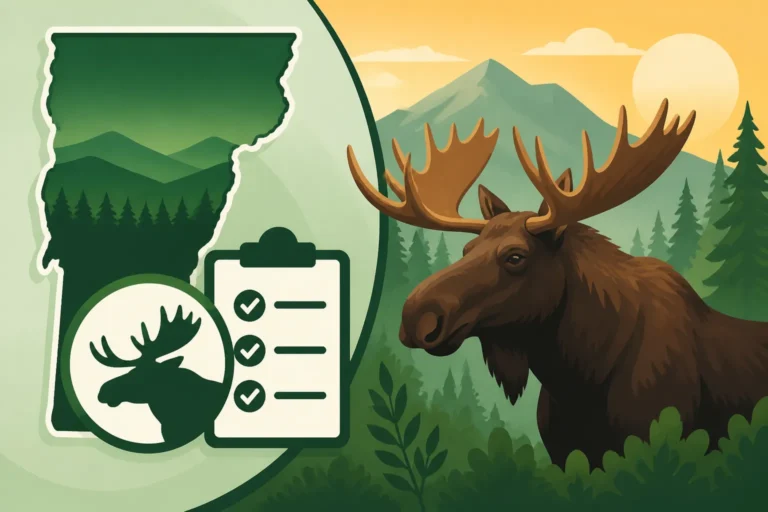
The most prominent and widely discussed application of preference points in Vermont is without a doubt the moose permit lottery. Vermont's moose population, particularly in the Northeast Kingdom, is a cherished resource, and its management is carefully handled to ensure its health and sustainability, influenced by factors like Vermont's Winter-Tick-Driven Moose Permit Strategy. Each year, the Vermont Fish & Wildlife Department determines a limited number of moose permits that will be issued, and hunters from both Vermont and out-of-state clamor for a chance to hunt these majestic animals.
To participate, you first need to understand the Vermont Moose Lottery Application Process. When you apply for a moose permit, you pay an application fee. If you're unsuccessful in drawing a tag, and you've submitted a valid application, you'll be awarded a preference point for the following year's draw. These points accumulate. So, if you apply for five consecutive years and don't draw, you'll have five preference points built up, meaning you'll have six entries in the next draw (your current application plus five points). This system makes it so dedicated applicants, especially those who dream of Hunting a Drawn Moose Zone in the Northeast Kingdom, eventually see their odds improve. Sites like GoHunt are fantastic resources for looking at historical draw odds and understanding just how many points might be needed to draw in certain zones, helping you strategize your applications.
Other Limited-Entry Draws in Vermont
It's common for hunters to wonder if preference points apply to other species or special hunts. For instance, Vermont also issues antlerless deer permits, which are often limited by Wildlife Management Unit (WMU) and available through a separate application or purchase process, sometimes even during specific windows like the Vermont October Muzzleloader Antlerless Window. However, these antlerless permits typically do not utilize a preference point system in the same way the moose lottery does. For antlerless tags, it's usually a straightforward lottery or a first-come, first-served purchase after a drawing, meaning each year you start fresh without accumulated advantages.
There might also be very specific, highly localized hunts or special permits issued for certain areas or management goals, but these too generally operate outside the established preference point framework. The key takeaway here is that if you're thinking about building preference points in Vermont, your focus should almost exclusively be on the annual moose permit lottery. For other limited opportunities, it's best to check the Vermont Fish & Wildlife Department regulations each year, as the rules for these can vary and rarely involve a multi-year point accumulation system. Understanding this distinction saves you from chasing points in systems where they don't actually exist.
How Do You Earn and Use Vermont Preference Points?
So, you're eyeing that coveted Vermont moose permit and ready to start accumulating points. It's a commitment, but a worthwhile one for many hunters. The process itself is fairly straightforward, but consistency is key. Think of it like a long-term investment in your hunting future.
Applying and Accumulating Points Annually
To earn a preference point, you must submit a valid application for the Vermont moose lottery during the designated application period. The application typically opens in spring, usually around mid-April, and closes in June, often around mid-June. You'll submit your application online through the Vermont Fish & Wildlife Department's portal or by mail. There's a non-refundable application fee, which contributes to the lottery's administration. Remember, you can also apply for a point even if you don't intend to hunt that specific year; you're simply applying for the preference point itself.
If you don't draw a permit in the lottery, your preference point total increases by one. This happens automatically, provided you applied that year. It's that simple: apply, don't draw, get a point. If you successfully draw a permit, however, your preference points will reset to zero after that hunt. This is designed to give everyone a fair shake over the long haul. It prevents a scenario where one person continually draws permits year after year while others never get a chance. You can always check services like GoHunt to see the historical trends in point accumulation and draw success, which can help you decide if you want to focus on a particular WMU or just keep building points generally.
Here's a quick overview of the application process and point accumulation:
| Action | Result in Preference Points (Moose Lottery) |
|---|---|
| Apply, don't draw a permit | Add 1 point to your total |
| Apply, draw a permit | Points reset to 0 after the hunt |
| Do not apply in a given year | Points remain the same (no increase, no loss) |
| Apply for the "point-only" option | Add 1 point to your total |
This table illustrates the core mechanics. It’s a system built on participation and patience, rewarding those who consistently throw their hat in the ring.
When Your Points "Reset"
The moment you've been waiting for arrives: you finally draw a Vermont moose permit. Congratulations! That's a huge achievement, and it means your hard-earned preference points have done their job. However, once you successfully draw a moose permit and go on your hunt, your accumulated preference points will reset back to zero for the following year. This is a common feature in many preference point systems and serves to cycle opportunities through the applicant pool. It ensures that while consistent applicants get better odds, they don't monopolize the permits once they've had their turn.
This reset can feel a bit bittersweet after years of accumulating points, but it's an essential part of the equitable distribution system. It doesn't mean your efforts were wasted; quite the opposite, they secured you a permit! After your successful hunt, if you wish to apply for another moose permit in subsequent years, you'll start accumulating preference points from scratch again. This cycle is critical for spreading out the hunting pressure and ensuring that more hunters get the opportunity to participate in this unique experience over time.
Strategies for Building and Using Points
Navigating Vermont's preference point system requires a bit of foresight and strategy, especially if you're a non-resident or aiming for one of the tougher zones. The biggest strategy is simple consistency: apply every single year, even if you don't realistically expect to draw or can't commit to hunting that specific year. There's usually an option to apply for a "point-only," meaning you're just paying the application fee to gain a point without actually entering the lottery for a tag. This is a savvy move for those who know they can't hunt this year but want to keep their point accumulation going strong for future seasons.
Another consideration is the specific WMU you apply for. While there's only one moose lottery, different WMUs might have slightly different draw odds based on the number of permits allocated and the number of applicants. For example, the Northeast Kingdom, while often having a good number of permits, is also very popular. You can use resources like GoHunt to analyze past draw results and see what the typical successful applicant's point total looked like for various units. This kind of data can help you make an informed decision on whether to apply for a unit with slightly better odds, even if it's not your absolute top choice. For those planning a moose hunt, consider researching topics like Packing for a Northeast Kingdom Moose Hunt once you've secured your tag. And don't forget the upfront cost; understand the Vermont Moose Permit Cost If Drawn so you're prepared.
The most important takeaway is patience. The preference point system is designed for the long game. Many hunters, especially non-residents, might accumulate points for several years before drawing a permit. But for those dedicated to experiencing a Vermont moose hunt, the consistent effort of applying each year is often the only path to that dream tag. Make sure you stay up-to-date on your Vermont Resident License Options or non-resident equivalents, and familiarize yourself with Vermont Hunter Education Requirements before you even start applying for special tags.
Disclaimer
The information provided in this article is for general guidance and informational purposes only. Hunting regulations, permit systems, and fees in Vermont are subject to change. Always consult the official Vermont Fish & Wildlife Department website and current year's hunting regulations booklet for the most accurate and up-to-date information before planning any hunting activities.