Vermont Squirrel Season Dates
It's easy to get caught up in the excitement of deer or turkey season, and sometimes, the smaller opportunities can get overlooked. But if you're looking for an accessible, engaging way to spend time in the Vermont woods, sharpen your hunting skills, or simply enjoy some delicious wild game, understanding Vermont's squirrel season dates is absolutely key. This guide is designed to clarify when and how you can pursue these agile woodland creatures, ensuring you're fully prepared for a successful and enjoyable hunt.
Deciphering Vermont's Squirrel Season Dates
Hunting squirrels in Vermont is a fantastic tradition, offering a gateway into the broader world of small game hunting. Unlike some of the more complex big game seasons, the framework for squirrel hunting is relatively straightforward, but knowing the exact dates is crucial for planning your outings and ensuring you're always within legal bounds.
The General Season Framework
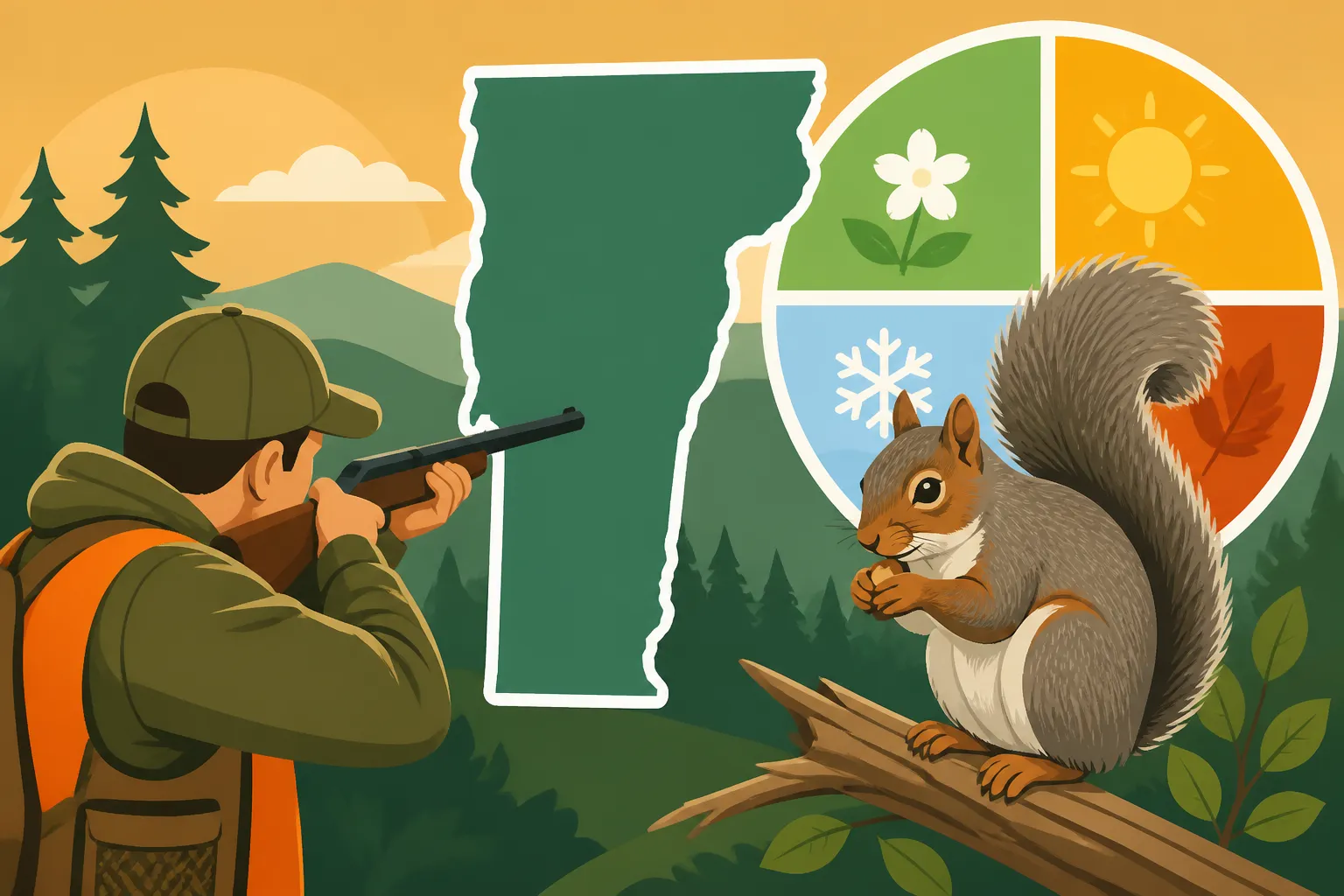
Vermont's small game seasons are typically quite generous, providing ample opportunity for hunters to get out into the field. For Eastern Gray Squirrels and Red Squirrels, the season generally opens in early autumn, running well into the colder months. This long window means you can experience squirrel hunting in various conditions, from the last warm days of September to the crisp, sometimes snowy, days of late December. The early part of the season, when the leaves are still mostly on the trees, offers different challenges and opportunities compared to later in the year when the woods are more open. It's a great chance to see how the landscape changes and adapt your strategies.
Many folks find that the small game seasons offer an excellent way to extend their time in the woods after deer season, or even just to warm up before the major events. You can easily find the general small game regulations and dates on the Vermont Fish & Wildlife Department website, which is always the most reliable source for the most current information. Always cross-reference your plans with the official regulations, as dates can occasionally see minor adjustments from year to year. Using a tool like GoHunt's mapping features can also help you overlay season dates with public land access, making your planning even smoother.
Important Dates to Mark on Your Calendar
While the exact dates can shift slightly each year, Vermont's squirrel season typically kicks off on September 1st and runs through December 31st. This gives hunters a full four months to pursue gray squirrels, red squirrels, and even the less common fox squirrel if you're lucky enough to find one. The September opening often coincides with excellent weather and abundant food sources, making for active squirrels and comfortable hunting conditions. As the season progresses into October and November, falling leaves improve visibility, but squirrels also become more wary. By December, with snow on the ground, tracking becomes an option, and squirrels are often holed up in their dens or feeding heavily on remaining mast crops.
Remember, these dates are specifically for squirrels. Other small game animals like snowshoe hare or ruffed grouse will have their own distinct season dates, so don't assume they all run concurrently. If you're planning a mixed bag hunt, you'll need to check each species' specific regulations. It's also worth noting that while squirrels are a widespread species, certain areas might offer better hunting opportunities depending on habitat and food availability. For example, some parts of the Green Mountain National Forest or Vermont State Forests and Reservations might have more mature hardwoods, leading to better squirrel concentrations.
Here’s a quick overview of what you can generally expect for Vermont's squirrel hunting season:
| Species | Season Dates (Typical) | Daily Bag Limit | Possession Limit | Required License | Legal Hours |
|---|---|---|---|---|---|
| Eastern Gray Squirrel | Sept 1 – Dec 31 | 5 | 10 | Small Game Hunting | Half-hour before sunrise to half-hour after sunset |
| Red Squirrel | Sept 1 – Dec 31 | 5 | 10 | Small Game Hunting | Half-hour before sunrise to half-hour after sunset |
Always consult the current year's Vermont Hunting, Fishing & Trapping Guide for precise dates and regulations.
Why Squirrel Hunting Offers So Much More Than Just a Harvest
Squirrel hunting might seem like a simple pursuit, but it's genuinely one of the most enriching and accessible forms of hunting available in Vermont. It offers layers of benefits, from introducing newcomers to the outdoors to refining skills for seasoned veterans, all while providing a sustainable food source.
A Perfect Entry Point for New Hunters
For anyone new to hunting, or for parents looking to introduce their children to the outdoors responsibly, squirrel hunting is unparalleled. The learning curve is gentle, and the physical demands are usually much lower than, say, a strenuous moose hunt in the Northeast Kingdom. You don't need highly specialized gear, and the opportunities for success are relatively high compared to larger, more elusive game. This early success can build confidence and foster a lifelong love for hunting and conservation. It teaches the fundamentals: how to move quietly through the woods, identify game sign, understand animal behavior, and practice safe firearm handling.
The act of spending a quiet morning in the woods, observing wildlife, and learning the rhythms of nature is an invaluable experience. It's a low-pressure environment where mistakes are learning opportunities, not costly failures. Many hunters started their journey with a .22 rifle and a keen eye for a twitching tail in a oak tree. If you're considering getting into hunting, or perhaps mentoring a youth hunter, remember that Vermont Hunter Education Requirements are in place to ensure everyone starts with a strong foundation in safety and ethics. Squirrel hunting provides the perfect practical application for those learned skills.
Honing Essential Hunting Skills
Even for experienced hunters, squirrel season is an incredible time to polish skills that are directly transferable to other game. Think about it: successfully hunting squirrels requires keen observation, stealthy movement, patience, and accurate shooting. These are the very same qualities you need when bowhunting Vermont's Expanded Archery Season or still-hunting for a mature buck during Vermont's November Rifle Season. You're learning to read the woods, identifying prime habitat like mast-producing trees, and understanding how wind and thermals affect animal movement – all crucial skills for any hunter.
Practicing your stalking technique on a wary gray squirrel can translate directly to closing the distance on a cautious whitetail. Sharpening your marksmanship with a .22 rifle or small gauge shotgun on a moving target will make you a more confident shot when that big gobbler steps into range during Spring Turkey Hunting in Vermont. It's like a real-world training ground, but with the added bonus of putting fresh meat on the table. Checking out resources on scouting tools can further enhance your preparation, helping you identify prime squirrel habitat even before you set foot in the woods.
A Sustainable and Delicious Game Option
Squirrels are not only abundant in Vermont, making them a very sustainable game choice, but they are also incredibly delicious. Don't let anyone tell you otherwise! Often described as a lean, flavorful meat, squirrel is versatile in the kitchen. It can be stewed, fried, slow-cooked, or even used in pot pies. It’s a great way to put healthy, organic protein on your family’s table, directly from the wild. Given the relatively high daily bag limit of five squirrels, a successful outing can easily provide a substantial meal or two.
Beyond the culinary aspect, hunting squirrels helps you connect with your food source in a deeply meaningful way. It teaches appreciation for the entire process, from ethical harvest to preparation. In a world where much of our food comes from anonymous sources, knowing you've provided for yourself and your family from the wild is a truly satisfying experience. Plus, managing small game populations like squirrels ensures healthy ecosystems by preventing overpopulation and disease, contributing to Vermont's overall wildlife management goals, which also covers "Vermont Small Game and Furbearers".
Gear and Tactics for Vermont Bushytails
Getting ready for a squirrel hunt in Vermont doesn't require a truckload of specialized equipment, but a few key items and a solid understanding of squirrel behavior will significantly boost your success. It's about being prepared, moving smartly, and knowing what to look for.
Essential Equipment for a Squirrel Hunt
For most squirrel hunters, a .22 caliber rimfire rifle is the go-to choice. It's accurate, quiet, and economical, making headshots possible to preserve meat. A shotgun, typically a .410 or 20 gauge with small shot (like #6), is also effective, especially for squirrels on the move or high in the canopy. Beyond your firearm, a good pair of binoculars (8x or 10x) will save you countless steps and help you spot camouflaged squirrels in the treetops. A comfortable backpack for carrying water, snacks, extra ammo, and any harvested game is also essential. Don't forget a sharp knife for field dressing, and perhaps a small game vest with a large pouch.
Comfortable, sturdy footwear is paramount, even for relatively short hunts. When you're still-hunting through Vermont's hardwood forests, quiet steps are key, and good ankle support will prevent fatigue and injury. Consider investing in quality boots that are suitable for varied terrain, perhaps something like the "Best Boots for Green Mountain Ridge Trails" if you plan to explore higher elevations. Dress in layers, as Vermont weather can change quickly, even during the early season. Light camouflage can help break up your outline, but blaze orange or pink is advisable if other hunting seasons (like archery deer) are open, to ensure you're visible to other hunters and safe.
Strategies for Locating and Approaching Squirrels
Squirrels are largely diurnal, meaning they are most active during the day, particularly around dawn and dusk. Their activity also peaks during the early morning hours as they forage for food. Your best strategy is often still-hunting, which involves moving slowly and deliberately through the woods, stopping frequently to scan the trees and listen for sounds. Squirrels are noisy eaters, and the sound of falling nuts or chattering can often give them away. They'll often feed on the ground, especially on acorns, hickory nuts, beechnuts, and even fallen apples. Pay close attention to recent mast crops.
When you spot a squirrel, the challenge begins. They are masters of using trees as shields. If a squirrel sees you, it will often "tree" itself, pressing tightly against the trunk on the side opposite you. Your best bet is to move slowly around the tree, keeping your gun ready, until it re-positions itself to stay hidden, ideally exposing itself to your shot. Patience is a virtue here. Sometimes, simply standing still and waiting will cause a squirrel to peek around the tree, thinking the threat has passed. This is where learning "How Early Season Squirrels Give Themselves Away" can be a real game-changer. Don't be afraid to use natural cover, or even a ground blind, if you plan to sit for an extended period, particularly in areas you've scouted as high-traffic feeding zones.
Navigating Different Vermont Habitats
Vermont offers a diverse range of habitats, and understanding where squirrels prefer to live can greatly improve your hunting success. Gray squirrels are most commonly found in mature hardwood forests, particularly those with oak, hickory, and beech trees that provide ample mast. Red squirrels, on the other hand, are often associated with coniferous forests, where they feast on pine cones and build middens (piles of discarded cone scales). However, it's not uncommon to find both species in mixed woodlots, especially those bordering agricultural fields or old orchards.
When scouting for squirrels, look for evidence of their feeding activities: gnawed nuts on the ground, stripped pine cones, or even their "leaf nests" high in the trees. Focus on areas with a good understory that provides cover and a variety of food sources. Public lands like parts of the Green Mountain National Forest or other Vermont Wildlife Management Areas often have extensive hardwood stands perfect for squirrel hunting. Before heading out, use a hunting app like the one GoHunt provides to examine satellite imagery and identify potential hotspots. Look for areas where different timber types merge or along creek bottoms, which often serve as travel corridors and contain a richer diversity of food sources. Just like you'd look for sign when Reading a Green Mountain Deer Yard, you'll want to hone your eye for squirrel activity.
Navigating Vermont's Squirrel Hunting Regulations
Understanding the open season dates is just one piece of the puzzle. To be a responsible and legal squirrel hunter in Vermont, you also need to be familiar with the licensing, bag limits, and safety guidelines that govern all small game hunting. Ignoring these regulations can lead to fines, loss of hunting privileges, and even unsafe situations.
Licensing and Permit Requirements
To hunt squirrels in Vermont, you'll need a valid Vermont hunting license. For residents, this typically means purchasing a "Small Game Hunting" license or a "Combination Hunting and Fishing" license. Non-residents will also need a non-resident small game license. These licenses can usually be purchased online through the Vermont Fish & Wildlife Department website, at authorized license agents (like sporting goods stores), or by mail. Always ensure your license is current for the season you intend to hunt. It's not just a formality; it's how the state funds its conservation efforts, ensuring healthy wildlife populations for future generations.
If you are a new hunter, remember that completing a certified hunter education course is mandatory before you can purchase your first hunting license in Vermont. This course covers firearm safety, wildlife identification, ethics, and regulations, providing a crucial foundation for safe and responsible hunting. Even if you're an experienced hunter, it's always a good idea to refresh your knowledge of the current year's hunting regulations, as rules can occasionally be updated. Familiarizing yourself with "Vermont Resident License Options" is a great first step in ensuring you're properly permitted.
Bag Limits and Legal Shooting Hours
Vermont typically sets a daily bag limit for squirrels, which is the maximum number of squirrels you can harvest in one calendar day. As of recent regulations, this limit has generally been five squirrels per day, with a possession limit of ten. The possession limit refers to the total number of squirrels you can have in your possession at any given time, whether in the field, at home, or in transit. These limits are put in place by the Vermont Fish & Wildlife Department to manage wildlife populations sustainably and ensure that hunting remains a recreational activity, not an extractive commercial enterprise.
Legal shooting hours for small game in Vermont generally run from one half-hour before sunrise to one half-hour after sunset. This aligns with most other hunting seasons and ensures fair chase by prohibiting hunting during periods of low light when identification can be difficult. Always carry a reliable watch or use a smartphone app that provides accurate sunrise and sunset times for your specific location. Disregarding these hours is a serious violation and can result in significant penalties.
Respecting Property and Safety Guidelines
Hunting squirrels, like any form of hunting, comes with inherent responsibilities. Always be aware of your surroundings, especially if you're hunting on public land, where other hunters, hikers, or outdoor enthusiasts might be present. Following the basic rules of firearm safety is non-negotiable: treat every firearm as if it's loaded, always point the muzzle in a safe direction, be sure of your target and what is beyond it, and keep your finger off the trigger until you're ready to shoot. If you're hunting in areas where other seasons are open, like during the "Hunting a Bow During the Rifle Season Overlap" period, wearing blaze orange or blaze pink is a smart safety measure, even if not explicitly required for small game, to make yourself highly visible.
When hunting on private land, always obtain explicit permission from the landowner before you step foot on their property. Verbal permission is acceptable, but written permission is always preferable and can prevent misunderstandings. Vermont has strict trespass laws, and respecting private property is a cornerstone of ethical hunting. Even if you believe you have permission, double-check property boundaries using mapping tools or clearly marked signs. If you wound a squirrel and it runs onto posted land, you cannot retrieve it without the landowner's permission. Being a courteous and respectful hunter helps maintain positive relationships between landowners and the hunting community, which is vital for maintaining access to valuable hunting grounds. If you're using a ground blind on public land, make sure it's clearly marked and removed at the end of your hunt.
Disclaimer
Please note that hunting regulations, season dates, and licensing requirements are subject to change by the Vermont Fish & Wildlife Department. This article provides general information and should not be considered a substitute for consulting the official Vermont Hunting, Fishing & Trapping Guide for the current year. Always verify all regulations before planning and engaging in any hunting activities.