Ground Blind Rules on Vermont WMAs
Vermont Wildlife Management Area rules require hunters using temporary ground blinds to remove those structures at the end of each day.
Find ground you can hunt.
National forest, BLM, and state land — WMAs, walk-in programs, unit boundaries, access rules, and how to get permission on private ground.
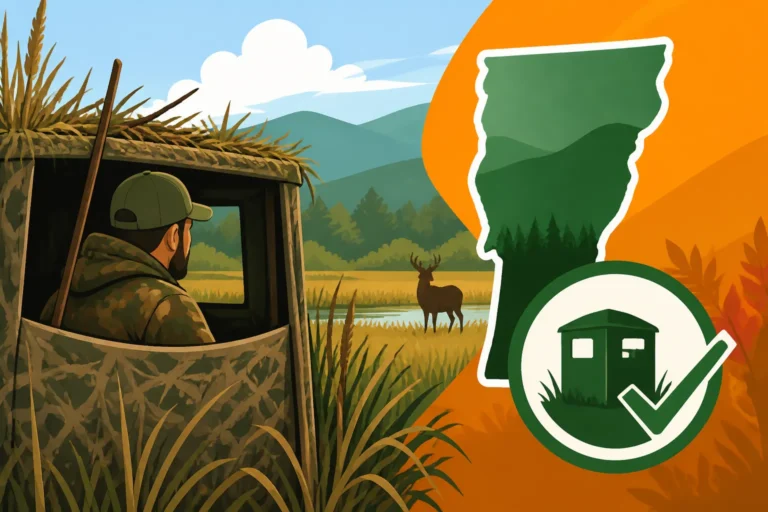
Vermont Wildlife Management Area rules require hunters using temporary ground blinds to remove those structures at the end of each day.
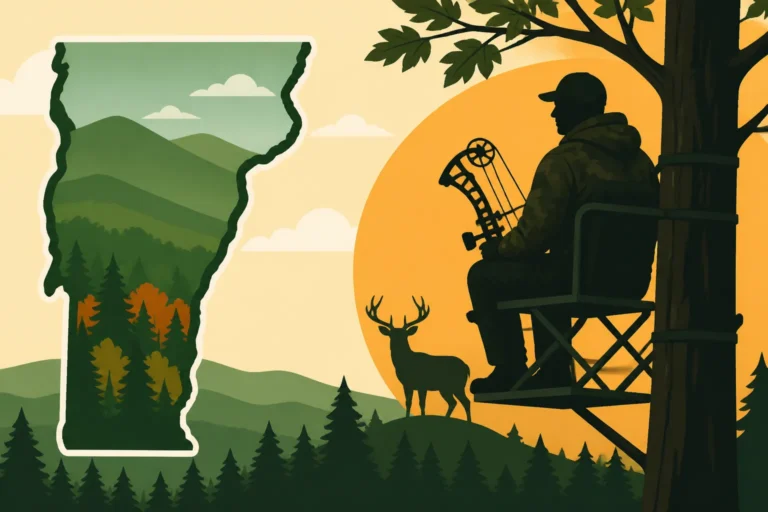
Vermont treestand regulations on public land define temporary structures, prohibit tree damage, and ban screw-in steps or nails.
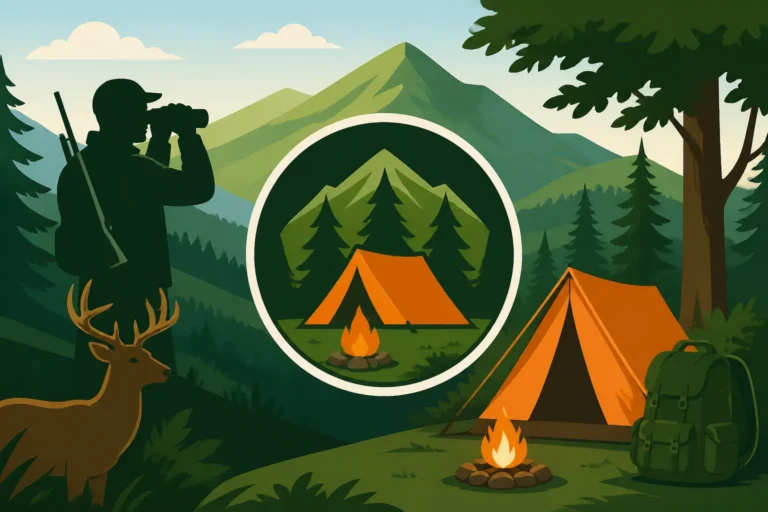
Green Mountain National Forest camping regulations explain dispersed camping rules, designated sites, and Leave No Trace principles for hunters.
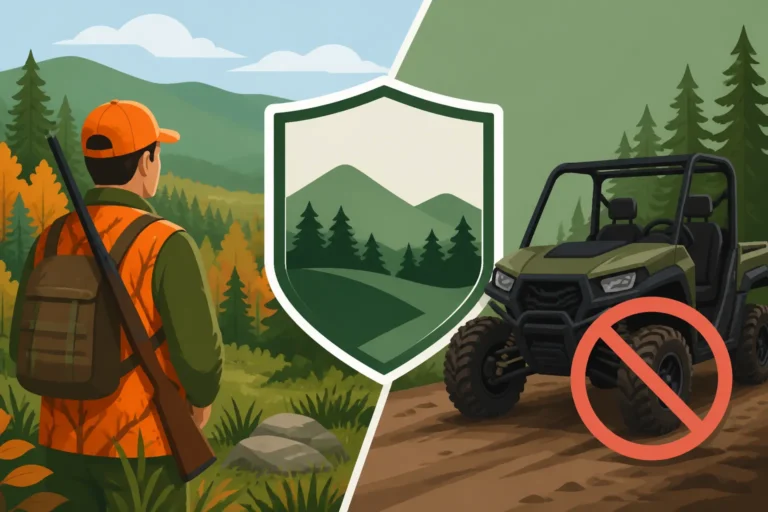
Vermont public land vehicle rules explain where trucks and ATVs are legally allowed on Green Mountain National Forest and state forests.
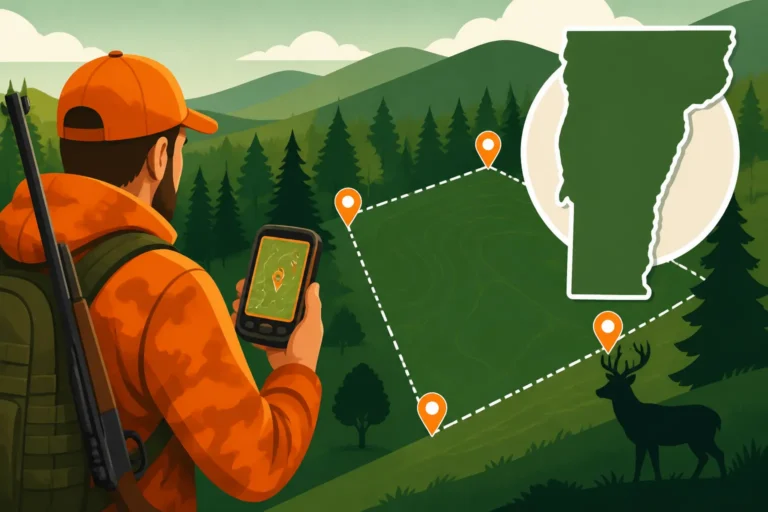
Vermont property lines identify digital mapping tools and boundary markers to prevent hunting trespassing and legal violations.
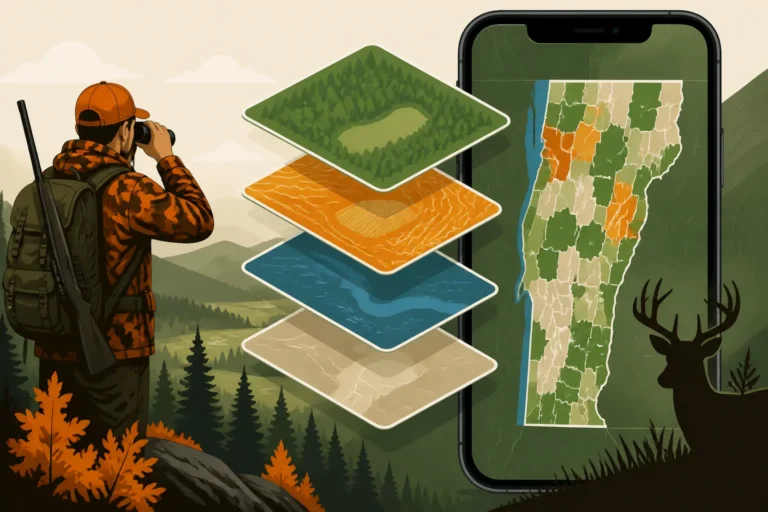
Digital mapping tools like onX Hunt clarify Vermont land status, helping hunters identify property lines and public access.
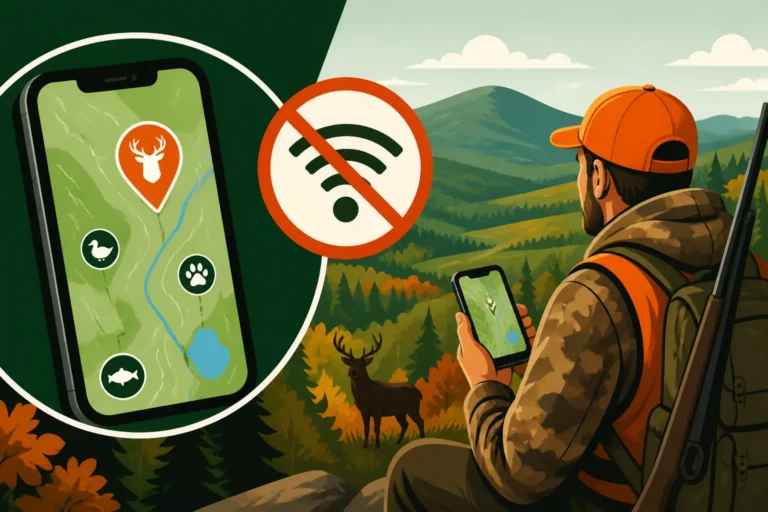
Vermont Fish and Wildlife mobile app offline maps let hunters navigate remote Green Mountain backcountry regions without cell service.
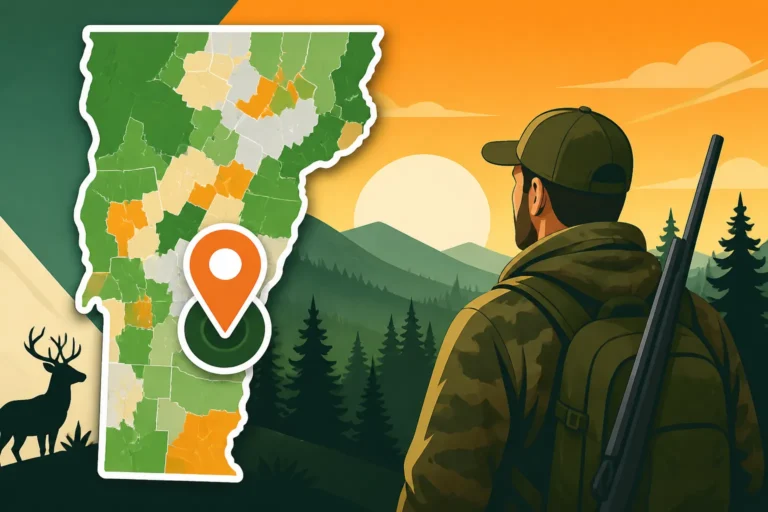
Vermont public land maps and boundary resources help hunters navigate Green Mountain National Forest and state Wildlife Management Areas.
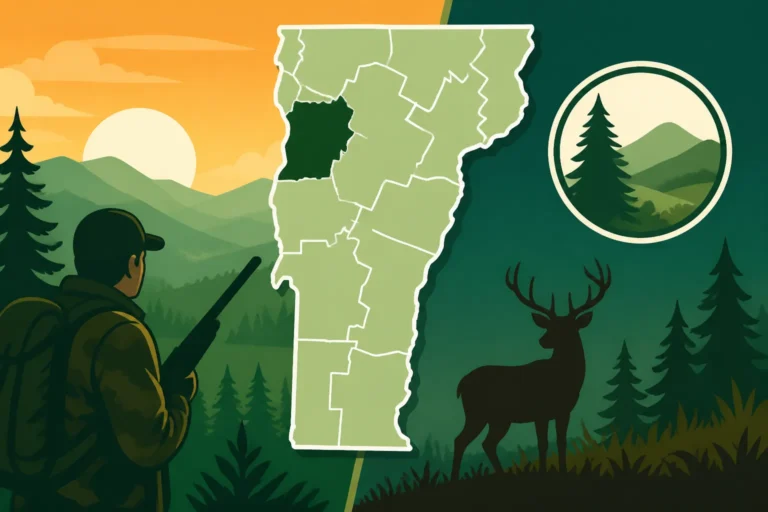
Vermont county public land totals, including Green Mountain National Forest and state forests, ranked to find the highest acreage.
Green Mountain National Forest encompasses approximately 400,000 acres of public land across Vermont for hunting deer and bear.