Hunting a Beaver Flowage on Public Land
Public land beaver flowages in Vermont provide game habitats, food, and cover for deer, moose, black bears, and wild turkeys.
Find ground you can hunt.
National forest, BLM, and state land — WMAs, walk-in programs, unit boundaries, access rules, and how to get permission on private ground.
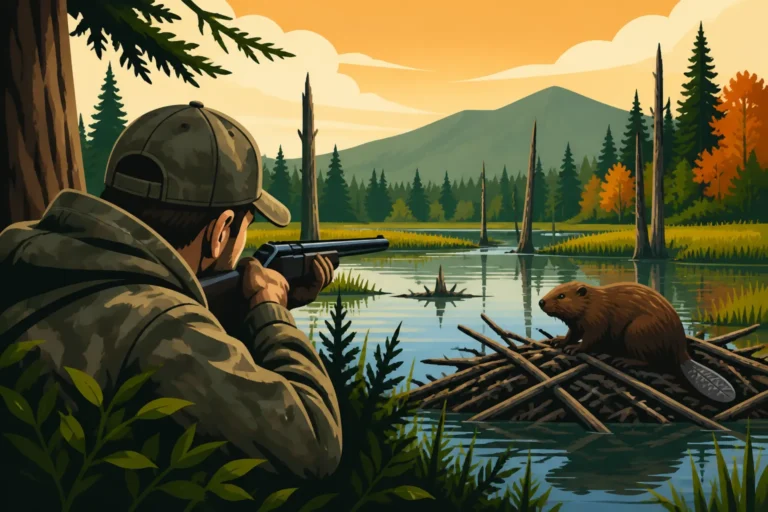
Public land beaver flowages in Vermont provide game habitats, food, and cover for deer, moose, black bears, and wild turkeys.
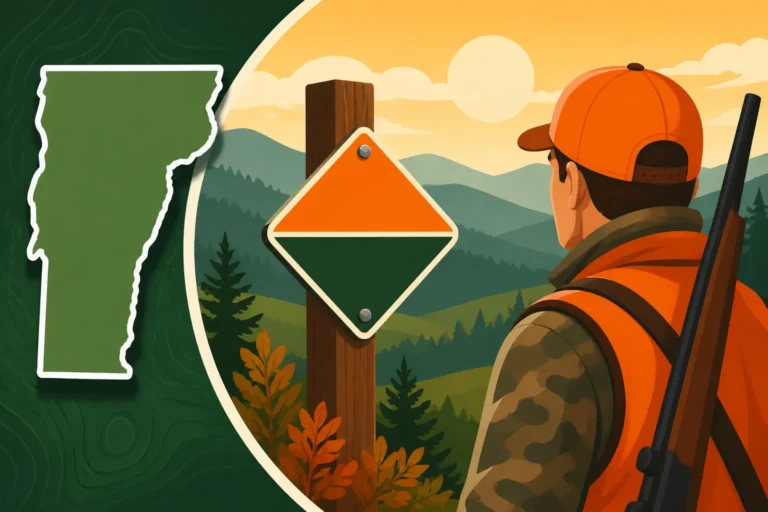
Vermont public land boundary signs and Wildlife Management Area markers help hunters avoid trespassing, fines, and license suspension.
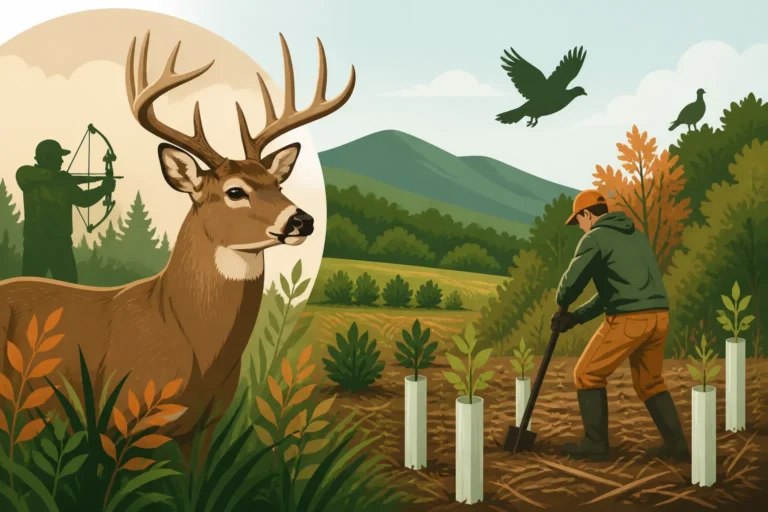
Vermont wildlife management areas use active habitat projects to improve food, cover, and survival for deer and native species.
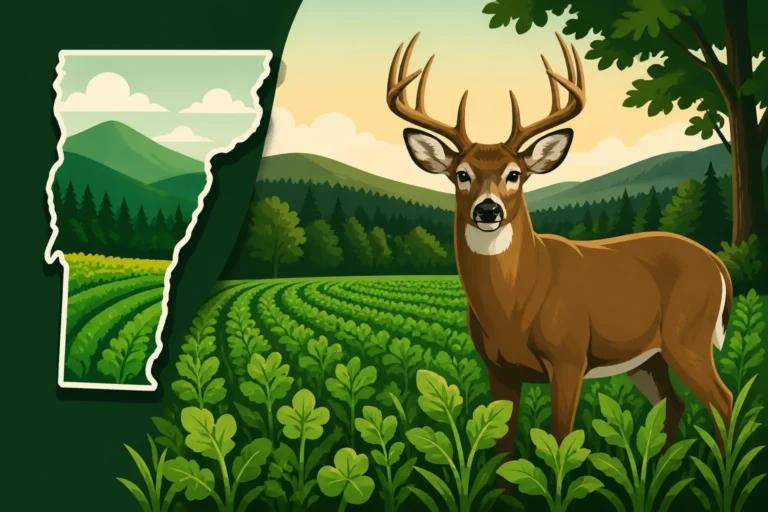
Vermont private land food plots improve deer hunting by providing consistent nutrition and drawing local herds into your property.
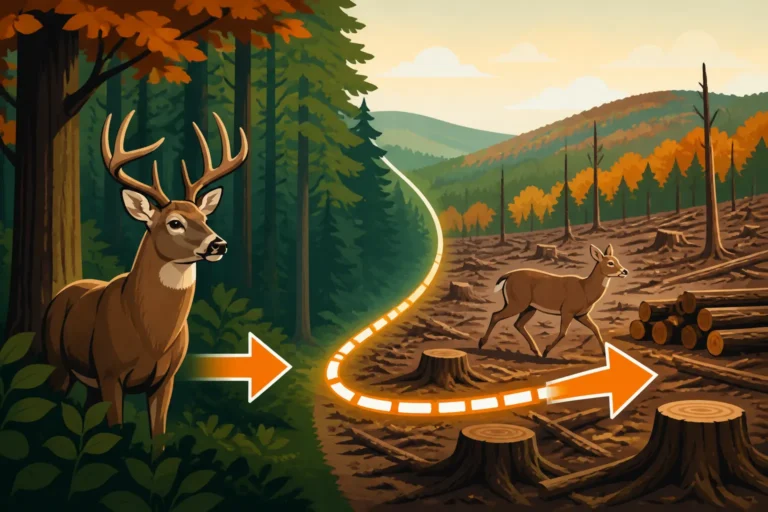
Timber cuts alter deer movement by destroying cover and food sources, forcing animals to relocate into adjacent thickets and swamps.
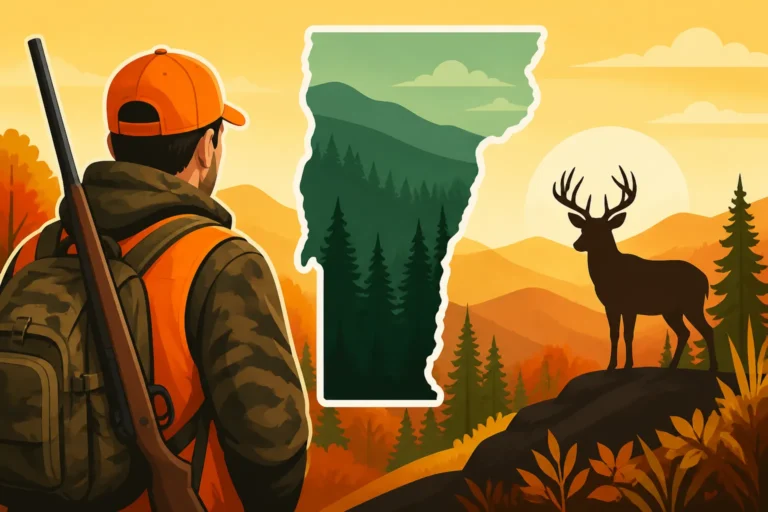
Nonresident access rules for Vermont public land, including Green Mountain National Forest and Wildlife Management Areas.
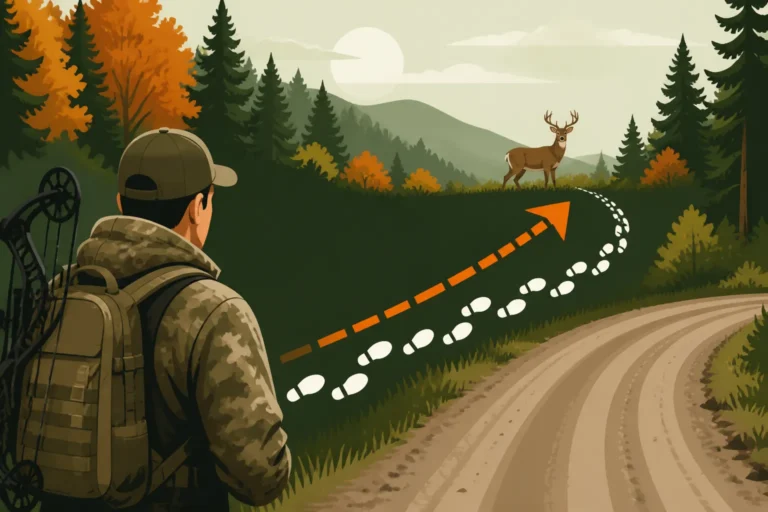
Vermont hunting pressure near forest roads explains why most hunters stay close and how walking further finds unpressured game.
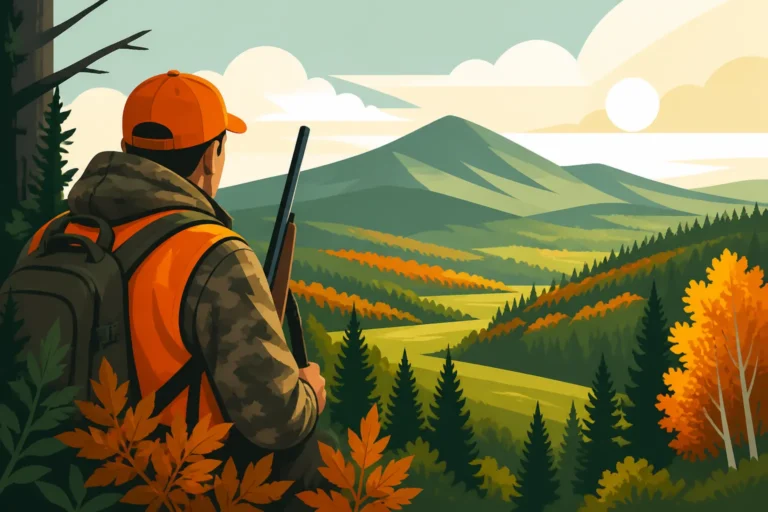
Vermont hunting pressure and quiet public land strategies explain how to find uncrowded spots for successful deer hunting.

Vermont hunting club dues and costs vary widely, offering dedicated access to hundreds or thousands of acres for members.
Vermont hunting clubs provide exclusive private land access, shared habitat management, and community traditions for Green Mountain hunters.