Hunting a Grain Bin Adjacent Woodlot
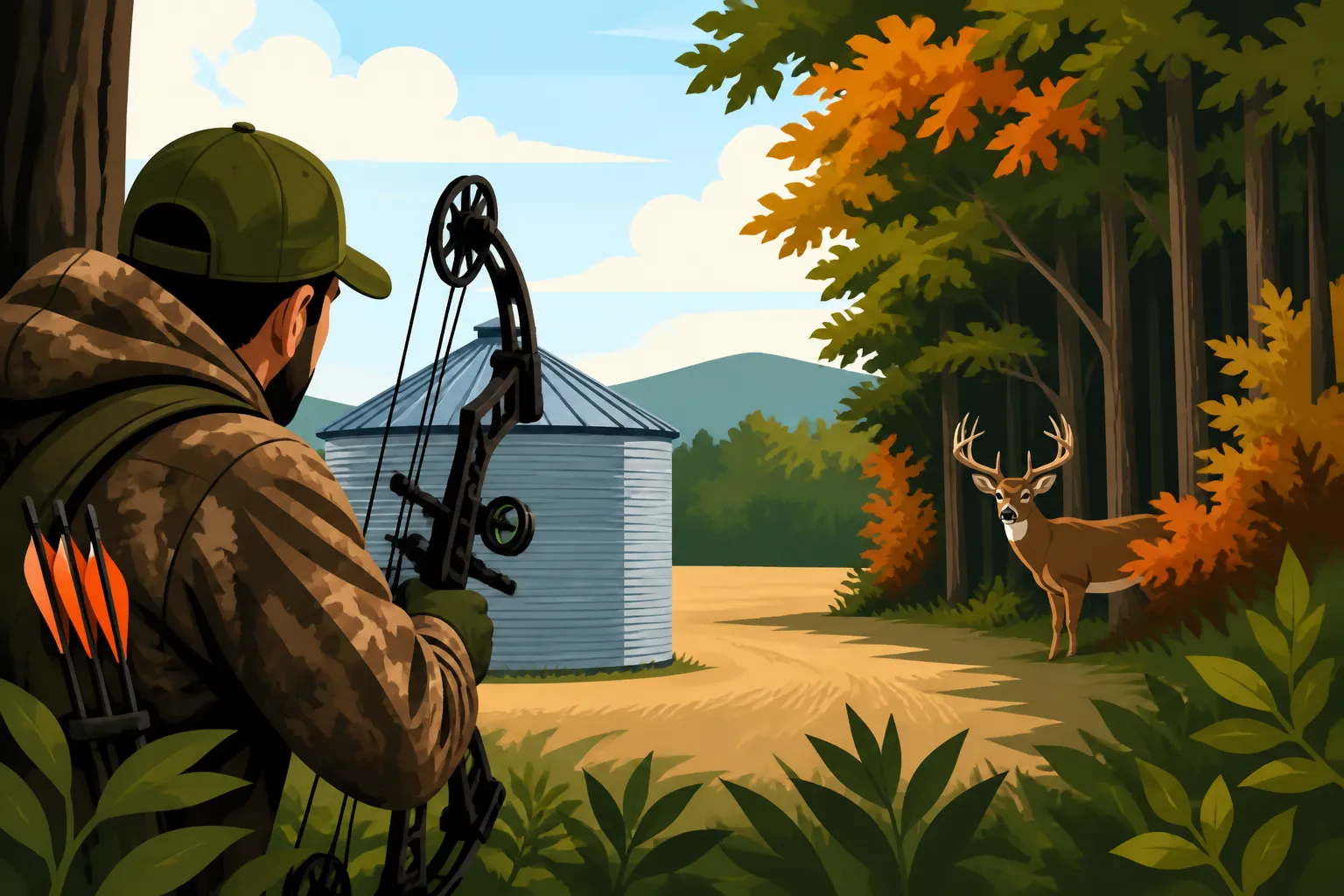
When the natural smorgasbord of acorns, apples, and green browse starts to dwindle in the late fall and early winter, Vermont deer, especially those older, wiser bucks, become incredibly focused on reliable food sources. One of the most overlooked, yet consistently productive, hunting opportunities in agricultural areas is a woodlot that borders a grain bin. These spots can be absolute magnets, drawing deer in for easy calories when other options are scarce, and understanding how to hunt them effectively can be the key to filling a tag when others are struggling.
Understanding Deer Behavior Around Grain Bins
Deer are creatures of habit and efficiency, and nowhere is this more evident than when food becomes a driving force. A grain bin next to a woodlot offers a perfect storm of attraction, creating predictable patterns that, once understood, can be exploited by a patient hunter.
Why Grain Bins Attract Deer
It might seem obvious, but the sheer volume and accessibility of spilled grain near a bin are irresistible to deer. Imagine a buffet that never closes, requiring minimal effort to access high-energy sustenance. As autumn leaves fall and the woods go dormant, the natural food available to deer diminishes significantly. Suddenly, a pile of corn, soybeans, or oats spilling from a grain bin becomes a primary, high-calorie survival source.
Deer don't need to dig through snow or browse on scarce twigs; they simply walk up and feed. This ease of access conserves precious energy, a critical factor for whitetails trying to maintain body condition through the colder months. The consistent availability of this food source means deer will habitually visit these locations, sometimes daily, creating well-worn trails and patterns that are goldmines for observation. Furthermore, these bins are often located on working farms, and while human activity might make some deer wary, others learn to tolerate it, associating the area with a consistent meal.
Seasonal and Daily Patterns of Movement
The attractiveness of a grain bin adjacent woodlot peaks from late fall through the heart of winter. As November gives way to December, and especially once snow covers the ground, deer activity around these bins intensifies dramatically. This aligns perfectly with Vermont's later hunting seasons, offering a prime opportunity during periods like the December Muzzleloader Season.
Deer typically move from their bedding areas in the adjacent woodlot to the grain bin at dawn and dusk. Early morning and late afternoon are generally your best bets. However, during periods of extreme cold or heavy snow, deer might visit the grain bin multiple times throughout the day, driven by the intense caloric demands of staying warm. They might even linger longer, feeding more casually if they feel secure. This is where patience and understanding local pressure come into play. If the area sees little hunting pressure, deer might be bolder; if hunters are constantly busting them out, their visits might become more sporadic and nocturnal. Observing these nuances during scouting is absolutely critical.
Scouting and Reconnaissance for Grain Bin Hunts
You can't just show up on opening day and expect success at a grain bin. Dedicated, subtle scouting is paramount to pinpointing the exact travel routes, timing, and stand locations that will lead to a successful hunt.
Identifying Active Grain Bin Locations
The first step is always to find the active spots. Start by securing landowner permission, as these bins are invariably on private land. Once you have access, don't just look at the bin itself. Instead, focus on the immediate perimeter and, crucially, the bordering woodlot. Look for spilled grain on the ground near the bin, which is the undeniable draw. Then, track deer sign: fresh tracks in the mud or snow, concentrated piles of droppings, and obvious trails leading into the woods.
These trails will often be beaten pathways, clearly indicating repeated deer traffic. Follow them into the woodlot, looking for rub lines on saplings or trees, and even scrape lines, especially during the rut. These signs tell you not only that deer are using the area but also provide clues about the size and activity of the bucks frequenting the spot. Utilize mapping applications like GoHunt or the Vermont Fish and Wildlife App to identify potential woodlots bordering agricultural fields with bins, then physically verify their activity. Pay attention to how deer approach the bin from the woodlot; do they come from a specific corner, or does a particular fenceline guide them?
Analyzing Entry and Exit Routes
Deer are incredibly efficient in their movements, always taking the path of least resistance while maximizing cover. When approaching a grain bin from a woodlot, they will typically use established trails that offer some degree of concealment. These routes might follow a subtle depression in the land, run along the edge of a thicker cover strip, or utilize a fenceline that creates a natural funnel.
Spend time observing these routes without disturbing the deer. If you can't observe directly, look for heavy sign on the trails themselves. Are there specific pinch points where deer are forced through a narrow opening? Is there a creek bottom or a rise in the topography that they use to sneak in and out? Understanding these routes is vital because it dictates your stand placement. You want to intercept deer before they get to the bin and become overly focused on feeding, or catch them after they've had their fill and are heading back to bed. Also, critically, consider the prevailing wind direction and how thermals will affect scent distribution in these often open, field-edge environments. The last thing you want is your scent blowing directly into the deer's approach path. A tool like GoHunt can also help analyze topography for thermal predictions.
Strategic Stand Placement and Setup
Once you've identified active grain bin locations and understand deer movement, the next step is to choose and set up your stand or blind. This decision will make or break your hunt, balancing concealment, shot opportunity, and scent control.
Optimal Treestand Locations
When placing a treestand near a grain bin adjacent woodlot, your primary goal is to be downwind of the deer's approach and feeding area, yet close enough for a clean shot. Look for mature trees within the woodlot that offer good cover, both from the ground and from above. Ideally, you want to set up 20-30 yards inside the woodline, overlooking the primary trail leading from the bedding area to the grain bin. This allows you to intercept deer before they reach the open field, where they might become more wary.
Consider the shooting lanes that open up from your chosen tree. Will you have a clear shot at deer on the trail, or as they approach the grain bin? Use a rangefinder to mark key distances, so you know exactly where to aim when the moment comes. Ladder stands or fixed-position stands are often excellent choices here, as they provide stability and comfort for long sits. However, if deer patterns shift or the situation demands flexibility, a climbing stand can offer the adaptability to move quickly. Remember to always use a safety harness – falls happen in treestands more often than we'd like to admit.
Utilizing Ground Blinds for Discreet Access
Sometimes, treestands aren't an option. Maybe the woodlot lacks suitable trees, or perhaps the terrain makes hanging a stand impractical. In these scenarios, a well-placed and properly brushed-in ground blind can be incredibly effective. Ground blinds excel in providing exceptional concealment, allowing for movement within the blind without spooking deer.
Position your ground blind to capitalize on the same principles as a treestand: downwind of the deer's approach and feeding area, overlooking a main trail or funnel. The key to success with a ground blind is brushing it in thoroughly. Don't just pop it up; use natural materials like branches, corn stalks, or anything else from the immediate environment to break up its outline. Make it look like a natural part of the landscape. This also helps with scent containment to a degree, though proper wind management and scent control are still paramount. A great example of this is seen in the techniques used for "Brushing In a Blind on a Field Edge".
Hunting Tactics and Considerations
Success at a grain bin adjacent woodlot requires more than just a good stand. It demands meticulous attention to detail, especially regarding the elements that most often betray a hunter.
Wind, Thermals, and Scent Control
These are the absolute holy trinity of factors you must master when hunting anywhere, but especially in predictable food sources like grain bins. Deer rely heavily on their sense of smell, and the open nature of a field edge can make scent control particularly challenging. Always, and I mean always, hunt with the wind in your favor. Your wind direction should carry your scent away from where deer will approach or feed.
Thermals play a significant role, particularly in the Green Mountains. In the morning, cold air sinks, carrying your scent downhill. In the evening, as the air warms, thermals rise, carrying your scent uphill. If you're hunting an area with any elevation changes, even subtle ones, you need to understand how these air currents will affect the movement of your scent. Layering your clothes, using scent-eliminating sprays on outer layers, and keeping your hunting clothes clean and stored away from household odors are non-negotiables. Even the most perfectly placed stand is useless if a deer catches your scent.
Timing Your Hunt for Peak Activity
Deer activity around grain bins isn't always consistent. While dawn and dusk are generally prime, certain conditions make deer movement almost guaranteed. Cold fronts, particularly after a prolonged period of mild weather, will often spark intense feeding activity as deer try to boost their caloric intake. Similarly, the first few days after a significant snowfall will often see deer hitting the most accessible food sources hard. This is when the grain bin really shines as a late-season food source for Vermont whitetails.
Conversely, mild, rainy days might see less activity, or deer might linger deeper in the woods. Pay attention to weather forecasts and choose your hunting days wisely. Also, consider hunting pressure. If you know other hunters are out and about, especially if they are working the woodlots, deer might become more nocturnal or stick to thicker cover until dark. Adjust your timing and strategy accordingly.
Ethical Considerations and Property Relations
Hunting grain bins almost always means hunting on private land, which comes with immense responsibility. Always obtain explicit permission from the landowner before you step foot on their property. This isn't just a courtesy; it's the law in Vermont, and it helps foster good relationships between hunters and landowners. A great starting point is understanding "Knocking on Doors in Champlain Valley Farm Country" for tips on gaining access.
Once you have permission, respect the property. Park where instructed, avoid disturbing livestock, close gates, and be mindful of crops or equipment. If you harvest a deer, retrieve it efficiently and respectfully. If a deer crosses onto a neighboring property, you'll need to secure permission from that landowner as well before pursuing it. Maintaining positive landowner relations is crucial for ensuring future hunting opportunities for yourself and others. A good reputation goes a long way.
Key Scouting Signs Around Grain Bins
When you're out scouting, knowing what to look for and what it means can significantly boost your chances of success.
| Scouting Sign | Location | Interpretation | Action for Hunter |
|---|---|---|---|
| Spilled Grain | Directly under/around bin | Primary food source, consistent attraction. | Confirm deer are feeding here; look for tracks in grain. |
| Fresh Tracks | Near bin, on trails | Recent deer movement. Larger tracks indicate potential mature buck activity. | Follow tracks to identify entry/exit routes. Confirm direction of travel. |
| Droppings | Near bin, on trails | Indicates feeding and passage. Fresh, soft droppings mean very recent activity. | Note concentration areas. More droppings = higher deer density/activity. |
| Well-Worn Trails | Woodlot to bin | Consistent travel corridor. Deer prefer established paths offering cover. | Identify pinch points, funnels, and potential stand sites along these trails. |
| Rub Lines | Saplings in woodlot | Bucks marking territory and rubbing velvet. Indicates buck presence. | Helps confirm buck presence and direction of travel within the woodlot. |
| Scrape Lines | Edge of woodlot/field | Bucks depositing scent, checking for does. Active during the rut. | Good indicator of buck activity, especially if fresh with pawed ground and licking branch. |
| Bedding Areas | Deeper in woodlot | Thick cover, often on south-facing slopes (for warmth) or dense conifer stands (for concealment). | Understand where deer are coming from to position your stand effectively. |
| Wind Indicators | Any area near field | Observing local wind patterns, even subtle ones. | Critical for stand placement and daily hunting strategy. Never hunt with a bad wind. |
Remember, hunting a grain bin adjacent woodlot can be one of the most productive strategies, especially during the colder months when other food sources are scarce. Combine diligent scouting, strategic stand placement, and strict attention to wind and scent, and you'll greatly increase your odds of success in the Vermont deer woods.
Disclaimer
Please note: Hunting regulations, seasons, and licensing requirements can change. Always consult the latest Vermont Fish & Wildlife Department regulations before planning any hunt. Ensure you have proper landowner permission for any private land hunting. Safety should always be your top priority.