Posting a Drive Around a Woodlot
Let's be honest, sometimes still-hunting or sitting in a stand just isn't cutting it, especially when deer get tight-lipped or the cover is so thick you can't see past your nose. That feeling of knowing deer are there but just not moving can be incredibly frustrating. If you're looking to put some deer on the move in a specific woodlot, particularly in Vermont's varied terrain, learning how to effectively post a drive can be a game-changer. This guide will walk you through the ins and outs of organizing and executing a successful woodlot drive, helping you push deer towards waiting hunters in a controlled and safe manner.
Understanding the Dynamics of a Woodlot Drive
A deer drive isn't just a bunch of folks walking through the woods and hoping for the best. It's a calculated strategy, especially useful in those situations where deer are holed up in thick cover and seem impossible to dislodge. In Vermont, where you might find dense cedar swamps buttressing open hardwoods or steep, brushy ravines, knowing how to conduct a drive can be incredibly effective when other methods fail. It’s about leveraging the natural instincts of deer to move along predictable paths when pressured, and setting up hunters to intercept them.
Why Drives are Effective in Vermont's Terrain
Vermont is a tapestry of different landscapes, from the rolling farmlands of the Champlain Valley to the rugged peaks and deep valleys of the Green Mountains and the sprawling, wild forests of the Northeast Kingdom. These diverse habitats often mean deer have plenty of places to hide, sometimes right under your nose. When deer are pressured, or simply hunkered down in a familiar bedding area, they often refuse to move unless directly disturbed. Still-hunting through such areas can be agonizingly slow and often unproductive, and trying to pattern deer to a stand can feel like a guessing game.
This is where a well-executed drive shines. Imagine a small, dense woodlot – perhaps an island of softwood cover surrounded by cut fields, or a thick riparian buffer along a creek. Deer will naturally use these areas for bedding and security cover. By sending a carefully planned line of drivers through, you can encourage these deer to move out of their sanctuary and towards waiting hunters. The effectiveness comes from understanding how deer will react to pressure, and anticipating their escape routes through specific terrain features like saddles, old logging roads, or thick fencerows. It's not about running them out blindly, but guiding them subtly to where you want them to go.
The Critical Role of the Posted Hunter
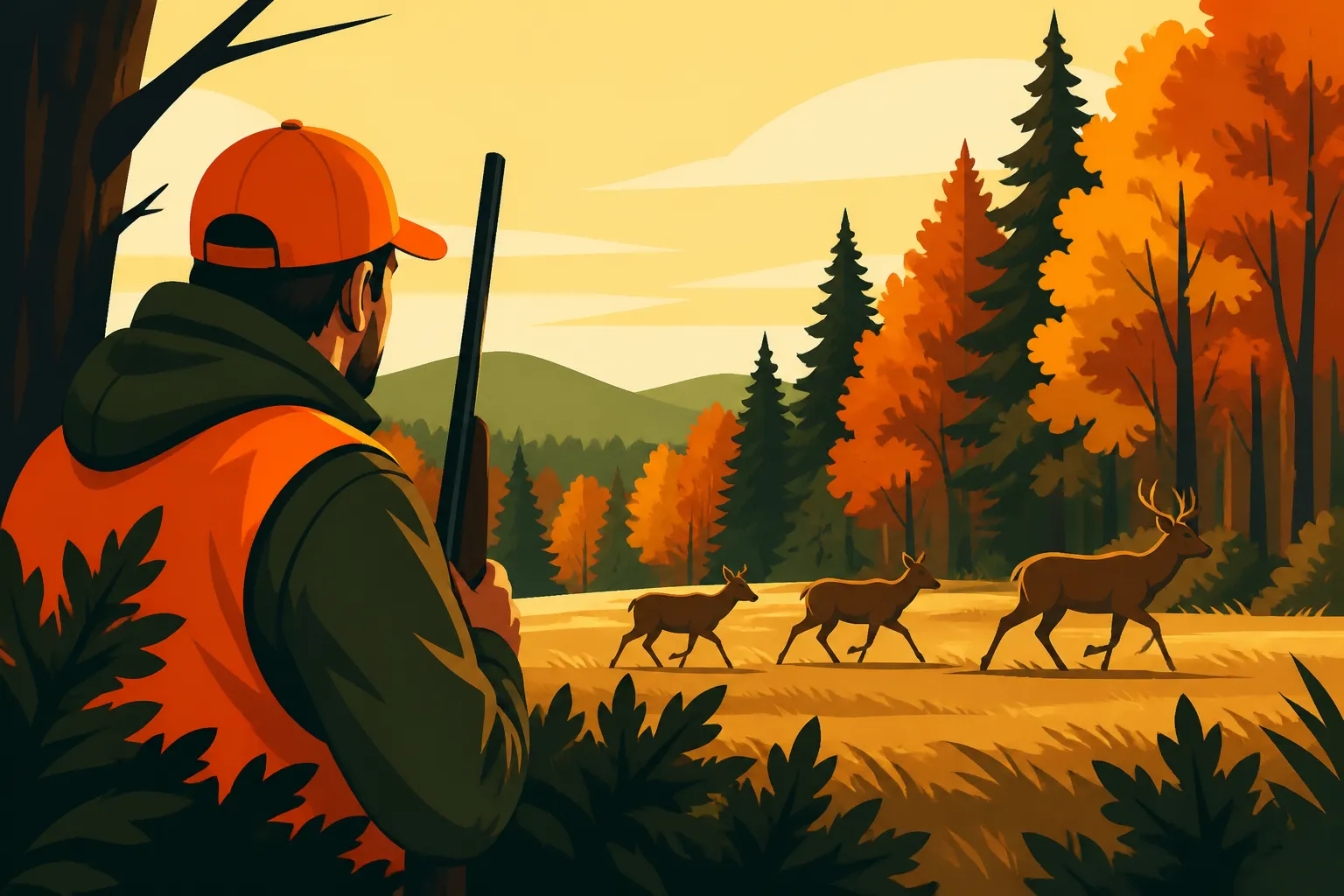
The "posted" hunter is absolutely essential to the success and safety of any drive. These are the individuals who strategically position themselves along the anticipated escape routes or natural funnels that deer will use once pressured. Their role is not just to wait, but to be hyper-aware of their surroundings, maintain situational awareness, and be prepared for a shot opportunity that might arise quickly.
A poster needs to consider several factors when choosing their position. First and foremost, safety. They must have a clear understanding of their zone of fire – where they can safely shoot without endangering other hunters or non-targets. This usually means having a solid backstop and being able to clearly identify the target. Visibility is also key; you want to be able to see deer approaching but remain concealed enough not to spook them. This often means tucking into the edge of cover, behind a large tree, or utilizing a natural blind. Wind direction is another critical component. Deer will often try to circle downwind of drivers to scent-check for danger, making poster placement downwind of known escape routes particularly effective.
Furthermore, a posted hunter isn't just a stationary target. They need to be vigilant for deer trying to slip around the drive, perhaps by circling back or using an unexpected escape route. Sometimes, a subtle cough or a light whistle can redirect a deer that's trying to sneak past. It's a role that demands patience, keen observation, and a thorough understanding of deer behavior.
The Purposeful Movement of the Driver
The drivers are the engine of the operation, but their role is far more nuanced than just walking loudly. A good driver understands that the goal isn't to blast through the woods like a freight train, but to apply steady, consistent pressure that encourages deer to move calmly rather than bolting wildly. Wildly spooked deer are unpredictable and dangerous, often busting through the poster line at high speeds or doubling back in unexpected ways.
Drivers should move at a deliberate, slow pace, covering the ground thoroughly. The spacing between drivers is crucial; it needs to be tight enough to cover the width of the woodlot but not so close that it becomes chaotic or unsafe. For a smaller woodlot, two or three drivers might be perfect, moving abreast. As they move, they should periodically make noise – a steady conversation, a rattle of brush, a grunt call, or even stomping. The key is consistency, letting the deer know they are being pushed, but not creating a panic.
Drivers also need to be constantly looking for sign. If a deer has recently moved, they might see tracks or disturbed leaves. Knowing where Vermont bucks bed in thick cover can help drivers focus their efforts on those specific areas, maximizing the chances of moving deer. They should also be aware of the overall perimeter of the drive, ensuring they don't accidentally push deer out prematurely or miss pockets of cover where deer might be hiding. It’s a job that requires teamwork, communication, and a careful balance of pressure and control.
Strategic Planning for Your Woodlot Drive
Executing a deer drive is less about brute force and more about intelligent planning. You can't just show up to a woodlot and wing it; that's a recipe for frustration and, potentially, an unsafe situation. The success of your drive hinges on a solid understanding of the terrain, deer movement patterns, and effective communication among your hunting party. Every good drive starts long before you step foot in the woods with your rifle or bow.
Scouting the Woodlot and Identifying Escape Routes
Before you even consider a drive, thorough scouting is non-negotiable. You need to know that woodlot inside and out. This means looking at aerial maps, like those offered by GoHunt, and physically walking the property. What does the terrain look like? Are there natural funnels like saddles between hills, narrow strips of timber connecting larger blocks, or creek bottoms? Are there any major obstructions, like uncrossable swamps or dense briar patches, that might force deer into predictable paths?
Pay close attention to deer sign. Where are the well-used trails? Are there any scrape lines along a logging road? Where are the thickest bedding areas? Deer, especially mature bucks, are masters of using the terrain to their advantage. They will often choose escape routes that offer them cover, a downwind advantage, or simply the path of least resistance to another known safe zone. For instance, if you're targeting an area where deer like to yard up in winter, understanding how to read a Green Mountain deer yard can give you a major advantage in predicting their travel routes.
Identifying these preferred escape routes is paramount because that's where your posted hunters will be stationed. Don't just assume deer will run in a straight line; they rarely do. They'll skirt edges, follow contours, and use any available cover. Consider factors like prevailing winds, as deer often travel with the wind in their face to detect danger ahead, or circle to get downwind of pressure. This pre-hunt intelligence will allow you to pinpoint the most likely places deer will try to slip out, maximizing your chances of intercepting them.
Strategic Placement of Posted Hunters
Once you've identified the likely escape routes, placing your posted hunters becomes the next critical step. This isn't just about putting someone at the end of the woodlot; it's about optimizing their position for both opportunity and safety. Each poster needs to have a clear line of sight along the anticipated travel corridor without being overly exposed.
Key considerations for placement:
- Safety First: Ensure that each posted hunter knows exactly where other hunters are located and has a safe shooting lane. This means understanding the terrain and knowing where a bullet or arrow will go if you miss or if it passes through the target.
- Cover and Concealment: Posters need to be hidden from approaching deer. This could mean positioning themselves behind a large tree, in a ground blind brushed in on a field edge, or tucked into a thicket. Remember, deer have incredible eyesight.
- Wind Direction: As mentioned earlier, deer will often try to circle downwind. Placing posters on the downwind side of escape routes can be highly effective.
- Shooting Lanes: Clear any small branches or obstructions that might impede a clean shot. However, don't over-clear, as this can make your position too obvious.
- Anticipate the Unexpected: While deer often follow predictable paths, be ready for them to pop out in unexpected places. Having a general awareness of the entire woodlot boundary is important.
- High-Traffic Areas: Focus on natural funnels. This might be a narrow pinch point between two distinct woodlots, a gap in a stone wall, or where a logging road enters a thicker block of timber. Knowing how to hunt a funnel between two woodlots can directly translate to successful poster placement.
A common setup involves forming a semi-circle or "U" shape with your posted hunters at the end of the woodlot, effectively creating a pocket for the deer to be pushed into. The number of posters will depend on the size and shape of the woodlot, but the goal is to cover all primary exit points without over-saturating the area.
Coordinating the Drive and Communication Protocols
Communication is the backbone of a successful and safe deer drive. Without it, confusion reigns, and both opportunities and safety can be compromised. Before anyone moves, hold a pre-drive briefing.
During this briefing, you should:
- Define Roles: Clearly assign who are the drivers and who are the posters.
- Map It Out: Use a physical map or an app like GoHunt to show everyone the boundaries of the drive, where drivers will start and end, and the exact positions of all posted hunters. Point out any known obstacles or tricky terrain.
- Establish Communication: Radios are invaluable. Assign specific channels and conduct a radio check before starting. If radios aren't available, agree on clear hand signals or specific audible cues (e.g., a single whistle to start, two whistles to stop, three to indicate a shot).
- Pace and Timing: Drivers need to agree on a consistent pace. If one driver pushes too fast, they can blow deer out early or get ahead of the others, leaving gaps. Agree on a signal to indicate when drivers are reaching the poster line.
- Safety Signals: Establish clear "stop" signals and "all clear" signals. Every hunter must know how much blaze orange Vermont requires, and wear it conspicuously.
- "Deer On The Move" Call: Drivers should communicate when they push deer, giving posters a heads-up on where to focus their attention. Posters should also communicate when they see deer, even if they don't get a shot, so drivers know if the deer made it through.
- Post-Shot Protocol: What happens if a deer is shot? The poster should communicate "shot fired" and wait for the drivers to finish the drive before anyone moves to recover the animal. This is crucial for safety and minimizing disturbance.
Remember, the goal is synchronized movement and information sharing. The more everyone knows about what everyone else is doing, the safer and more effective the drive will be.
Executing a Safe and Effective Woodlot Drive
With thorough planning complete, it's time to put your strategy into action. The execution phase requires discipline, adherence to the plan, and constant vigilance. This isn't the time to deviate from what you've discussed; sticking to your roles and communicating effectively will lead to the best outcomes.
Moving Deer Ethically and Efficiently
The art of driving deer is in applying just enough pressure to encourage movement without causing panic. As drivers, your movement should be steady and purposeful. Don't rush; a slow, methodical walk allows deer to process the pressure and often choose their escape routes more predictably. Think of yourselves as a slow-moving net, gently sweeping through the woodlot.
- Maintain Your Line: Drivers should strive to stay abreast, keeping a consistent distance from one another. This prevents deer from slipping back through gaps in the line. If a driver falls behind, the others should slow down and allow them to catch up.
- Vary Your Sounds (Subtly): Instead of constant yelling, use varied sounds. A steady conversation can work. Periodically stomping your feet, breaking a branch, or even making a soft deer grunt or bleat can encourage deer to move without sending them into a full-blown panic. The goal is to make the deer aware of your presence and push them gradually.
- Focus on Cover: Pay extra attention to thickets, downed trees, brush piles, and any dense cover where deer might be bedded or trying to hide. Give these areas a thorough inspection. Knowing where Vermont bucks bed in thick cover can help you anticipate where deer might hold up longer before moving.
- Watch for Slackers: Some deer will try to circle back around the drivers, especially if they sense an opening or feel too much direct pressure. Be vigilant and try to subtly redirect these deer back into the general flow of the drive.
- Pace with Purpose: The speed of the drive should match the terrain. Moving too fast in dense cover is inefficient and can be unsafe. In more open areas, you might maintain a slightly quicker, but still controlled, pace.
For the posted hunters, your job is to remain absolutely still and silent until deer are within range and you have a clear, safe shot. Any unnecessary movement or sound can blow the entire drive. Be patient, stay concealed, and be ready. If you see deer, calmly assess the situation, verify your target, and ensure you have a safe backdrop before raising your firearm or bow.
Post-Drive Strategy and Recovery
What happens when the drive is "over"? It's not truly over until everyone is safely accounted for and any shot deer are recovered.
- Stay Put: Once drivers reach the poster line or the agreed-upon end point, everyone should freeze and remain in position for at least 10-15 minutes. Deer that have been pushed might still be on the move, cautiously working their way out, or even circling back. A patient poster might get a second opportunity.
- All Clear Signal: Only after the waiting period should the "all clear" signal be given. This ensures everyone knows it's safe to move.
- Safety Check: Before beginning any recovery efforts, conduct a quick safety check. Ensure all firearms are unloaded or made safe. Account for all hunters.
- Tracking and Recovery: If a deer was shot, begin the recovery process. This is where diligent blood trailing comes in. Even if a deer falls within sight, approaching it carefully and from a distance is a good practice. If the deer runs, immediate and thorough tracking is essential. Having someone skilled in blood trailing after dark in Vermont can be invaluable, especially if the shot was late in the day. Mark the last known position and the point of impact. Look for blood, hair, and other sign to follow the trail.
- Debrief: After the drive, take a few minutes to debrief. What worked well? What could be improved? Did any deer slip through? This feedback is crucial for refining your strategy for future drives. Even if you didn't tag a deer, learning from the experience is part of the hunt.
Remember, a successful drive isn't just about bagging a deer; it's about a safe, coordinated effort that puts hunters in a position to ethically harvest game.
Common Mistakes and How to Avoid Them
Even seasoned hunters can make mistakes, especially when coordinating a multi-person effort like a deer drive. Avoiding these common pitfalls can drastically increase your chances of success and, more importantly, ensure everyone's safety.
Overlooking Safety Precautions
Safety should always be the absolute priority in any hunting scenario, and deer drives introduce additional layers of concern due to hunters being in motion and occupying various positions. Forgetting or downplaying safety protocols is the quickest way to turn an exciting hunt into a regrettable incident.
Here are critical safety precautions that are often overlooked:
- Insufficient Blaze Orange: Vermont law is very specific about blaze orange requirements. Every single participant, whether driving or posting, must wear enough blaze orange to be clearly visible from all directions. This isn't just a suggestion; it's a legal and ethical imperative. A blaze orange hat and vest are usually the minimum, but more is always better.
- Undefined Shooting Lanes: Before the drive, each posted hunter must clearly identify their safe shooting lanes. This means knowing precisely where other hunters are positioned and having a clear understanding of the terrain beyond your target. Never take a shot if there's any doubt about what's beyond your target, especially in thick cover.
- Lack of Target Identification: In the excitement of a drive, deer can appear suddenly. Always take an extra second to clearly identify your target and ensure it's a legal animal (if targeting specific sex/antler restrictions) and not another hunter. The "buck fever" can sometimes cause tunnel vision, but resist the urge to shoot before positive identification.
- Ignoring Terrain Obstacles: Drivers must be aware of their footing, especially in Vermont's often rugged terrain. Steep ravines, slippery rocks, downed trees, and hidden obstacles can lead to falls and injuries. Move deliberately and call out potential hazards to those behind you.
- Unsafe Firearm Handling: Before the drive begins, ensure all firearms are pointed in a safe direction. When transitioning between driving and posting, or during recovery, firearms should be unloaded or have their actions open, and safeties engaged. Never carry a loaded firearm with the safety off, even for a moment.
A good rule of thumb is to treat every rustle and every movement as if it could be another hunter until proven otherwise. The small delay this might cause is infinitely preferable to a tragic mistake.
Poor Communication and Coordination
As we've discussed, communication is the lifeblood of a drive. When it breaks down, the entire operation can quickly fall apart. This leads to missed opportunities, confused hunters, and potentially unsafe scenarios.
Common communication breakdowns and how to prevent them:
- No Pre-Drive Briefing: Skipping the initial meeting where roles, routes, and safety protocols are discussed is a huge mistake. This is where everyone gets on the same page. Without it, individuals will operate based on assumptions, leading to chaos.
- Unclear Communication Devices/Signals: Relying on shouts across a woodlot is unreliable, especially in windy conditions or dense cover. Invest in good two-way radios, like those offered by brands like Motorola or Midland, and test them beforehand. If using whistles or hand signals, ensure everyone understands them perfectly.
- Failure to Report Movement: Drivers failing to report "deer on the move" or posters failing to report "deer seen" leaves other hunters in the dark. This information is crucial for anticipating movement and adjusting positions if necessary.
- Drivers Getting Out of Sync: One driver moving too fast or too slow can create gaps in the line, allowing deer to slip through easily, or bunching up hunters in an unsafe manner. Consistent pacing, with drivers periodically checking in with each other visually or via radio, is vital.
- No "All Clear" Protocol: Ending the drive abruptly without an "all clear" signal means posters might assume it's safe to move when drivers are still active, or vice-versa. Always wait for the designated signal before moving from your post.
- Lack of a Contingency Plan: What if a radio breaks? What if someone gets lost? Have a basic backup plan for communication or for situations where a hunter needs to withdraw from the drive unexpectedly.
Clear, concise, and constant communication fosters confidence and dramatically improves the effectiveness and safety of your drive.
Not Adapting to Environmental Conditions
Vermont weather is notoriously fickle, and ignoring how conditions like wind, snow, or even the type of foliage can impact your drive is a common oversight. Deer are experts at using the environment to their advantage, and you should too.
- Wind Direction: This is perhaps the most critical environmental factor. Deer nearly always want to travel with the wind in their face to scent-check for danger. If you plan a drive to push deer upwind, you're fighting an uphill battle. Always try to set up your drive so deer are pushed into the wind, or crosswind, towards your posted hunters. This means a good poster might need to adjust their stand for wind and thermals in steep Green Mountain terrain.
- Snow Cover: Fresh snow can be both a blessing and a curse. It makes tracking incredibly easy, which is great for recovery. However, deer will often move more cautiously and quietly in fresh snow, making them harder for drivers to hear. Deep snow can also make driving more physically demanding. Conversely, if you're Hunting Vermont's New Archery-Rifle Overlap or during the December muzzleloader season, snow can concentrate deer into wintering yards, making drives around these areas very productive.
- Foliage Density: Early season drives in thick, leafed-out woods are far different from late-season drives after leaf-drop. Denser foliage provides more cover for deer to hide, making it harder for drivers to see them and for posters to get clear shots. It might require more drivers or a slower pace.
- Temperature: Extremely cold weather can make deer less willing to move, hunkering down in thick thermal cover. Warm, wet weather might make them more active but also make scenting more difficult for dogs (if you're using them for recovery) and reduce visibility with fog.
- Barometric Pressure: Often overlooked, significant changes in barometric pressure can affect deer activity. A dropping pressure often indicates an approaching storm, sometimes making deer more active before it hits. Stable, high pressure can lead to deer bedding down for longer periods.
Being flexible and willing to adjust your drive plan based on the day's conditions, and integrating what you've learned from methods like Scouting Vermont Public Land Before Season, will elevate your success rate and demonstrate true woodsman prowess.
Disclaimer
Hunting is an inherently dangerous activity. This guide provides general information and recommendations. Always consult and adhere to all local, state, and federal hunting regulations. Prioritize safety, practice ethical hunting, and obtain proper landowner permissions when hunting on private property. The author and publisher are not responsible for any incidents or accidents resulting from the use of this information.