Trail Camera Rules on Vermont Public Land
It's incredibly frustrating when you want to utilize all the modern tools at your disposal to become a more effective hunter, but you're met with a confusing maze of rules, especially when it comes to public land. Trail cameras have become indispensable for scouting, helping us understand deer movement, identify travel corridors, and even pattern individual animals. But before you just slap a camera on the nearest tree in a Vermont WMA or the Green Mountain National Forest, you really need to understand the regulations. This guide is going to walk you through the ins and outs of using trail cameras on Vermont's public lands, so you can scout smart and stay on the right side of the law.
The General Landscape of Trail Camera Regulations in Vermont
Let's face it, public land in Vermont offers some incredible hunting opportunities, but it also comes with a distinct set of responsibilities. Unlike private land where you set your own rules (within state law, of course), public lands have agencies overseeing them, each with their own guidelines. The good news is that generally speaking, trail cameras are permitted on most public lands in Vermont. However, there are nuances that can quickly turn a legal scouting effort into a violation if you're not paying attention. The core principle usually revolves around minimizing impact and ensuring fair use for all.
Federal Versus State Land Rules
Vermont offers a mix of public lands, primarily split between federal properties like the Green Mountain National Forest (GMNF) and state-managed areas such as Wildlife Management Areas (WMAs) and State Forests. Each of these can have slightly different interpretations or specific rules regarding items like trail cameras.
On federal lands, the rules often come from the U.S. Forest Service. They're generally concerned with preserving the natural state of the land and preventing resource damage. This often means that while trail cameras themselves aren't explicitly banned, how you deploy them is critical. Think about the long-term health of the trees you're attaching them to and the overall impact on the user experience for everyone else who enjoys these wild spaces.
State lands, managed by the Vermont Department of Fish and Wildlife and the Department of Forests, Parks, and Recreation, tend to have similar goals, but their regulations might be less stringent on some minor points. However, the overarching theme remains: no permanent structures, no damage, and respect for other users. It’s always a smart move to double-check the specific regulations for the WMA or State Forest you intend to hunt, as some might have particular caveats. You can often find this information on the Vermont Fish and Wildlife Department website or through their mobile app, which is a great tool for Scouting With the Vermont Fish and Wildlife App.
The "Non-Permanent Structure" Rule and Property Damage
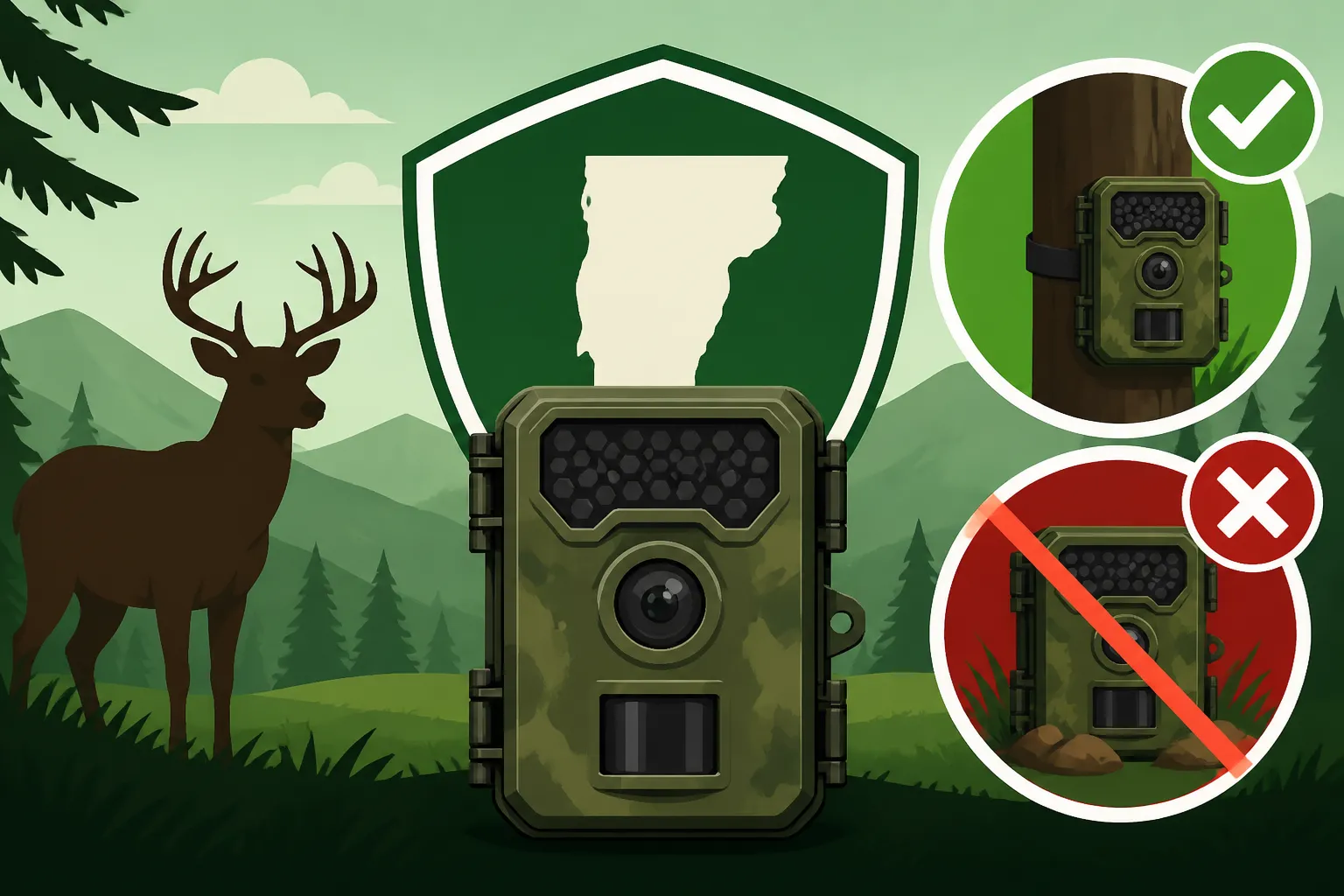
This is probably the most crucial concept to grasp when considering trail cameras on public land. Most regulations prohibit "permanent structures" or anything that causes damage to natural resources. For a trail camera, this means you can't be screwing it directly into a tree, pounding nails, or using anything that leaves a lasting mark or harms the living organism.
Instead, cameras should be attached using straps, bungee cords, or other non-damaging methods. The goal is to leave no trace. If you're using a camera mounting system, ensure it’s designed to be non-invasive. Imagine a park ranger or another hunter coming across your setup – would they see a clean installation or something that looks like it's been there for years, slowly eating into a tree? That’s your litmus test. Even something as seemingly innocent as wrapping a wire too tightly around a young tree can cause girdling over time, which is exactly what these rules aim to prevent.
Another aspect of this "non-permanent" idea extends to how long your camera can stay out. Most public land rules imply or explicitly state that gear should not be left unattended for extended periods, especially outside of hunting seasons. Abandoned property becomes a hazard and a nuisance. So, while you might be tempted to leave a camera out from summer scouting right through the fall, be aware that you might be pushing the limits of what's allowed. Regular checks and timely removal are key.
Specific Rules and Best Practices for Different Public Land Types
Understanding the general principles is a great start, but let's get into the specifics of where you'll most likely be deploying your trail cameras in Vermont. Each type of public land has its own nuances, and a little extra homework can save you a lot of headaches later on.
Green Mountain National Forest (GMNF) Regulations
The Green Mountain National Forest is a vast and beautiful resource, covering over 400,000 acres in central and southern Vermont. It's a popular destination for all kinds of outdoor recreation, including hunting. When it comes to trail cameras, the GMNF follows federal guidelines, which means they are generally allowed, but with strict adherence to the "leave no trace" ethos.
Specifically, you must avoid any method of attachment that damages trees or other vegetation. This includes screws, nails, or any other fastener that penetrates the bark. Your best bet is to use adjustable straps that won't constrict or cut into the tree as it grows. It's also vital that your camera isn't left out for an unreasonable amount of time, essentially becoming abandoned property. While there isn't always a hard-and-fast deadline, a good rule of thumb is to retrieve your cameras within a reasonable period after the season closes, or if you're done scouting a particular area. Remember, this isn't your backyard; it's a shared resource.
Another point for GMNF users: be mindful of privacy. While your camera is intended for wildlife, it's possible for hikers, mountain bikers, or other recreational users to trigger it. Position your cameras thoughtfully, away from main trails and in locations that minimize the chance of capturing images of other people. The intent is to scout game, not inadvertently document the public's outdoor activities. You'll often find yourself traversing these diverse areas when Hunting Vermont's Green Mountain National Forest, so understanding the land's multi-use nature is crucial.
Vermont Wildlife Management Areas (WMAs) and State Forests
Vermont's Wildlife Management Areas and State Forests, maintained by the state, are explicitly managed for wildlife habitat and public recreation, including hunting. Their rules on trail cameras are often quite similar to the GMNF, focusing on non-damaging attachment and timely removal.
On WMAs, you're generally permitted to place trail cameras as long as they don't harm trees or other natural resources. Straps are the preferred method. The state wants to ensure these lands remain healthy and accessible for everyone. It’s not uncommon to see other hunters' cameras, especially in high-traffic areas or near known travel corridors. The key here, again, is respect – for the land, for the wildlife, and for fellow hunters. If you're exploring Vermont Wildlife Management Areas, make sure to check if any specific WMA has unique restrictions that might not apply statewide. Sometimes smaller, more intensively managed areas might have additional local rules.
It's important to remember that these state lands are often managed with multiple uses in mind, similar to federal lands. While hunters are a primary user group, birdwatchers, hikers, and other outdoor enthusiasts also frequent these areas. Being discreet and using proper etiquette helps maintain good relationships between all user groups.
Understanding Private Land Adjacent to Public
One of the trickiest situations with trail cameras, especially in Vermont where public and private land boundaries can be very much intertwined, is understanding property lines. You might have your camera legally placed on public land, but if it's pointing directly onto private property, or if the game you're trying to pattern is frequently crossing into private land, things can get complicated.
Always, always be sure of your location. Utilizing mapping applications like onX Hunt or GoHunt with their landowner layer is invaluable. These tools can show you exactly where the public land ends and private land begins, helping you avoid accidental trespass or inadvertently filming private property. You can learn more about this by checking out onX Layers for Vermont Land Status. Even if your camera is technically on public land, if it's aimed at private property without permission, you could be infringing on someone's privacy or property rights.
Conversely, never place a camera on private land without explicit permission from the landowner. Even if it's just a small corner or a field edge you think is public, always verify. It's best practice to mark your cameras with your name and contact information, although this isn't always required. This not only helps with identification if it gets lost or found but also establishes good faith, demonstrating that you’re not trying to hide your activity.
Ethical Considerations and Practical Tips for Public Land Camera Use
Beyond simply following the letter of the law, there's a strong ethical component to using trail cameras on public land. We, as hunters, are stewards of the land and need to set a good example.
Minimizing Impact and Maximizing Security
Your camera should be a ghost in the woods. When you set it up, think about minimizing your scent, trampling of vegetation, and any visual disturbance. Use existing cover to conceal it, not just from animals, but from curious eyes. This is where Trail Camera Placement on Public Land truly becomes an art.
One major concern for public land hunters is camera theft. Unfortunately, it happens. While no method is foolproof, you can take steps to deter thieves.
- Concealment: Choose trees with natural camouflaged bark or surrounding brush. Don't place it right on a main trail.
- Security Devices: Invest in a sturdy security box and a cable lock. While these won't stop a determined thief with bolt cutters, they will deter opportunistic ones.
- Location, Location, Location: Avoid placing cameras in easily visible spots from roads, trails, or parking areas. The deeper you go, the safer your equipment generally is.
- Marking: While I mentioned marking your camera earlier for identification, some hunters prefer not to mark them in an effort to make them less noticeable to thieves. This is a personal choice, weighing the risk of theft against the benefit of easy identification.
Respecting Other Users and Wildlife
Public land is for everyone. It's a shared resource, and your actions reflect on all hunters.
- Privacy of Others: We talked about avoiding cameras pointed at trails. This isn't just a courtesy; it's about respecting the privacy of other individuals. Nobody wants to feel like they're being monitored when they're enjoying nature.
- Avoiding Interference: Place your camera where it won't impede foot traffic or disrupt other activities. Don't string tripwires or create obstacles.
- Wildlife Impact: While trail cameras are generally considered low impact on wildlife, avoid placing them right on top of known dens, nests, or sensitive breeding grounds. The goal is to observe, not to alter natural behavior. Excessive human presence, even just the scent left behind from camera checks, can sometimes shift animal patterns.
- Avoiding Baiting (If Unlawful): Vermont has strict rules against baiting deer. Your trail camera setup should never be confused with a baiting site. Even placing cameras over small amounts of natural feed, if not explicitly allowed, can lead to misunderstandings. Always verify current regulations regarding Vermont's Ban on Natural Deer Lures Explained.
Managing Data and Expectation
Once you have your cameras deployed, checking them becomes a key part of your scouting strategy.
- Checking Frequency: How often you check your cameras depends on battery life, memory card size, and the activity you expect. Frequent checks leave more scent and create more disturbance. Many modern cameras have long battery lives and large memory capacities, allowing for less frequent checks, which is ideal on public land.
- Cellular Cameras: If you're using cellular trail cameras, you might be able to check them remotely, reducing your physical presence in the woods. This is a game-changer for minimizing disturbance. However, remember that Cellular Camera Coverage in Remote Northeast Kingdom areas can be spotty, so test your signal before relying solely on it.
- Data Analysis: Don't just collect pictures; analyze them. Look for patterns in movement, time of day, weather conditions, and how different animals interact. This data is gold for Reading Aerial Photos for Green Mountain Deer and understanding their habits. Use mapping apps like onX Hunt to mark camera locations and observed deer movement to build a comprehensive picture.
- Realistic Expectations: Public land deer can be pressured and wary. Your cameras might not capture that Boone and Crockett buck every time. Be patient, move your cameras strategically based on new information, and adjust your expectations.
Common Pitfalls and How to Avoid Them
Even with the best intentions, it's easy to make mistakes when using trail cameras on public land. Knowing the common pitfalls can help you avoid them.
Confusing Public and Private Boundaries
This is probably the most common mistake and can lead to serious issues, including trespassing charges or conflicts with landowners. Vermont's landscape is a patchwork of public and private parcels, and without clear markers, it's easy to stray.
- Reliance on Apps: I can't stress this enough: use a reliable GPS mapping app like onX Hunt or GoHunt. These apps overlay property lines onto satellite imagery, making it incredibly clear where you are. Download offline maps if you're in areas with no cell service, which is common in many parts of the Green Mountains and Northeast Kingdom.
- Physical Boundary Markers: Look for physical signs like posted signs, paint blazes on trees, or changes in fencing. While apps are great, verifying with physical markers when possible adds another layer of certainty.
- "If in doubt, don't" Rule: If you're genuinely unsure about a property line, err on the side of caution. It's better to move your camera a little further into known public land than to risk placing it on private property. Finding Vermont Property Lines can be challenging, but it's a critical step.
Leaving Cameras Out Year-Round or for Extended Periods
While not always explicitly illegal in every public land scenario, leaving cameras out indefinitely is generally frowned upon and can be considered abandonment.
- Agency Guidelines: Some agencies have specific time limits for how long equipment can be left unattended. Even if not specified, the intent is usually that gear is actively being used and monitored, not left to rot.
- Wear and Tear: Cameras left out year-round are exposed to harsh Vermont weather, leading to premature wear and failure.
- Ethical Considerations: An abandoned camera contributes to litter and can be a nuisance for other users. When the season ends, or your scouting is complete, retrieve your equipment. This also prevents potential conflicts if someone else assumes the camera is abandoned and decides to take it.
Damaging Trees or Wildlife Habitat
This is a direct violation of the "non-permanent structure" rule and can carry fines. It also reflects poorly on hunters as a whole.
- Avoid Invasive Fasteners: Never use screws, nails, or anything that pierces the bark of a tree. The tree is a living organism, and such damage can harm or even kill it over time.
- Proper Strapping: Ensure your camera straps are wide enough not to cut into the bark and are not cinched so tightly that they constrict the tree's growth. Check them periodically, especially if you leave cameras out for a few weeks, as trees can swell.
- Minimal Disturbance: When setting up, avoid clearing large areas of vegetation around your camera, which can look unnatural and disturb habitat. Trim only what's absolutely necessary for a clear picture, and do so discreetly.
To help you keep track, here's a quick comparison of general guidelines:
| Aspect | Green Mountain National Forest (GMNF) | Vermont WMAs/State Forests | Key Takeaway |
|---|---|---|---|
| Attachment Method | Non-damaging straps/bungees only. No screws, nails, or tree penetration. | Non-damaging straps/bungees only. No screws, nails, or tree penetration. | Always use straps; never damage trees. |
| Duration | Not to be left for extended periods; implies active use and removal. | Not to be left for extended periods; implies active use and removal. | Retrieve cameras regularly; avoid year-round deployment. |
| Privacy | Avoid aiming at trails/public areas. Minimize images of other people. | Avoid aiming at trails/public areas. Minimize images of other people. | Be respectful of other users' privacy. |
| Concealment | Recommended for security and minimizing visual impact. | Recommended for security and minimizing visual impact. | Blend your camera into the environment. |
| Damage to Resources | Strictly prohibited. | Strictly prohibited. | No clearing vegetation, no creating obstacles. |
| Baiting | Not allowed for deer. | Not allowed for deer. | Ensure camera placement isn't perceived as baiting. |
By understanding these regulations and practicing responsible scouting, you can effectively use trail cameras to enhance your hunting success on Vermont's beautiful public lands, while also being a good steward of the land.
Disclaimer
This article is for general informational purposes only and does not constitute professional advice. Laws, prices and regulations vary by location and change over time. Consult a qualified professional for guidance on your specific situation.