Retrieving Game From Private Land in Vermont
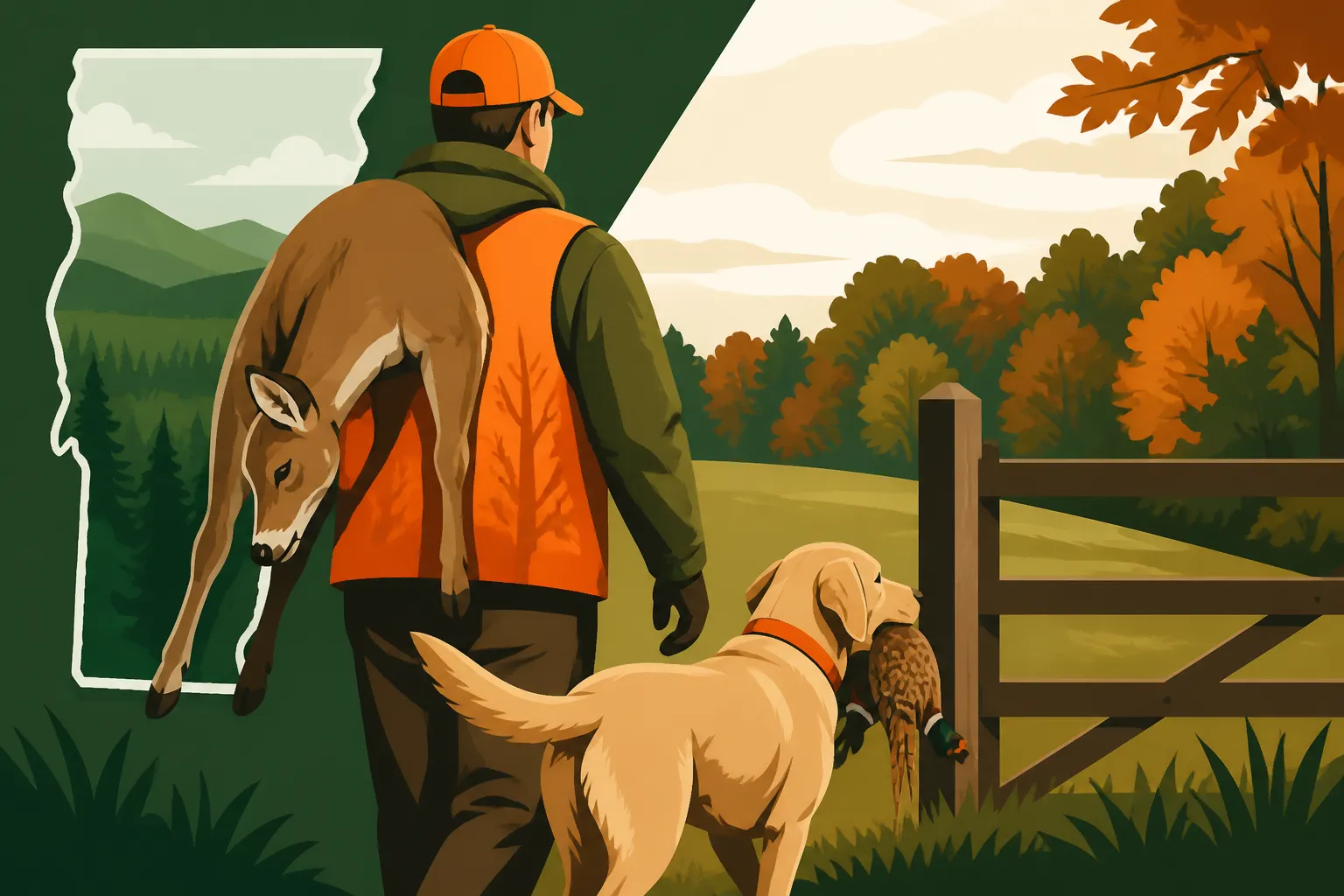
There's nothing quite like the rush of a successful hunt, the culmination of scouting, patience, and skill. But then, in an instant, that elation can turn to a pit in your stomach: your shot deer, perhaps the buck of a lifetime, just bounded over a stone wall or disappeared into a thicket that you know is on posted private land. That's a gut-wrenching moment many Vermont hunters face, and figuring out how to respectfully and legally retrieve your game can feel like navigating a minefield. This guide is here to walk you through Vermont's specific rules, offer proactive strategies, and outline the steps to take when your trophy ends up on land where you don't have permission.
The Gut-Wrenching Moment: Your Deer Crossed the Line
You've made a great shot, you're confident in the hit, but the deer didn't drop where you expected. Instead, it took off, and your heart sinks as you watch it clear the property line onto land you don't own, or worse, land you know is strictly posted. It’s a moment filled with anxiety – the fear of losing your hard-earned game, the worry about trespassing, and the pressure to act quickly before tracking conditions fade. This isn't just about recovering an animal; it's about respecting landowners, upholding the integrity of the hunting community, and following the law, all while dealing with the emotional rollercoaster of the hunt itself. We've all been there, or know someone who has, and it can really test your resolve.
The immediate impulse is often to just follow your game, especially if you're sure of a fatal hit. However, in Vermont, that impulse could land you in legal trouble. Simply crossing a boundary, even to recover game, without permission is considered trespassing. The law here is clear, and understanding it before you're in the heat of the moment is absolutely critical. What seems like a simple act of following your deer can quickly escalate into a confrontation or a legal issue if not handled correctly and respectfully.
Vermont's Trespass Laws and Game Recovery: What You Need to Know
Vermont has specific statutes that govern trespassing and, by extension, the retrieval of game from private land. It's not as simple as "finders keepers," or an "implied right" to retrieve your animal. The state prioritizes private property rights, and hunters are expected to understand and adhere to these regulations. Ignoring these rules can lead to fines, loss of hunting privileges, and damage to the reputation of hunters as a whole.
The "Implied Consent" Myth vs. Reality
One common misconception among some hunters is the idea of "implied consent" for game retrieval. This myth suggests that if you've wounded an animal, you have an inherent right to follow it onto private property to recover it, especially if it's visible. Let's be unequivocally clear: in Vermont, there is no implied consent to enter private land for game retrieval without explicit permission. This is a critical point that every hunter needs to internalize. Thinking you have an automatic right to cross that fence line because your deer is just on the other side is a recipe for trouble.
Even if the deer drops just over the line, and you can see it clearly, entering that property without permission is considered trespassing. The law doesn't make an exception for the recovery of wounded game. Your best course of action is always to assume you need permission, and act accordingly. This respect for private property is foundational to maintaining good hunter-landowner relations, which is vital for the future of hunting access in Vermont. Remember, it's not just about one hunt; it's about the bigger picture.
When is it Legally Considered Trespassing?
In Vermont, entering or remaining on land that is posted with "No Trespassing" signs, or where the landowner has communicated that entry is forbidden, constitutes trespassing. Even if land isn't posted, if you know or reasonably should know that you don't have permission, you're trespassing. This includes crossing a property boundary to track or retrieve game. The key is permission. If you don't have it, you can't go. You might find it helpful to review Vermont Trespass and Permission Law to understand the nuances of what constitutes legal entry.
Landowners in Vermont have the right to deny access to their property for any reason, or no reason at all. This means they are not obligated to grant you permission to retrieve your animal, even if you’ve proven it’s a legal harvest. While it feels unfair when you've done everything else right, their property rights supersede your desire to recover game. Understanding this legal reality can help you manage expectations and approach these situations with the proper mindset, focusing on respectful communication rather than confrontation.
The Importance of Clear Communication
Given the strictness of Vermont's trespass laws, clear communication with landowners is paramount. If your game crosses onto private property, your first and most important step is to attempt to contact the landowner and explicitly request permission to enter their property to retrieve your animal. Do not, under any circumstances, assume that because you've contacted them, you can now proceed. Wait for their explicit consent. This might sound frustrating when time is of the essence, but it's the law.
When you do make contact, be polite, calm, and explain the situation clearly. Offer to meet them at the property line, show them your license, and point out the direction your game ran. Emphasize your respect for their property and your commitment to leaving no trace. A positive interaction can go a long way in securing permission, especially if you're prepared and respectful. Being prepared to explain your intentions and even showing them where the animal went can build trust quickly.
Proactive Strategies: Gaining Permission Before the Shot
The absolute best way to avoid the agonizing dilemma of recovering game from private land is to have permission before you ever pull the trigger. Proactive outreach and relationship building with landowners can save you immense stress and ensure ethical, legal game retrieval. This means doing your homework long before hunting season begins. It’s about being a good neighbor and a responsible hunter, fostering trust in the community.
Knocking on Doors: Building Relationships Early
Before the season even opens, take the time to identify landowners adjacent to your hunting areas, especially if you hunt near property lines. A simple, polite knock on the door, well in advance of opening day, can make all the difference. Introduce yourself, explain you're a hunter, and mention you might be hunting nearby. Ask if they would be open to the possibility of you contacting them should a wounded animal happen to cross onto their land. Even better, ask for permission to scout or hunt their land generally. This builds a foundation of trust. Many landowners, especially if approached respectfully, are often understanding. They might not want you hunting their property, but they might be willing to allow game recovery. You'd be surprised how much a friendly face and a genuine conversation can accomplish. I've often found that just showing up with a sincere request, rather than a frantic phone call during the season, gets a much warmer reception. For some great tips on this, check out Asking a Vermont Landowner for Permission.
Using Mapping Tools to Identify Landowners
In today's digital age, advanced mapping tools like onX Hunt have become indispensable for responsible hunters. These apps allow you to view property boundaries and, crucially, identify landowner names and contact information in many areas. Before you head into the woods, use onX Hunt to scope out the land adjacent to your planned hunting spots. Identify the parcels you might need to access for game recovery and research the landowners. This gives you a starting point for your proactive outreach. You can often find phone numbers or addresses online or through local public records. Being able to say, "Hi, I'm hunting next to your property on Elm Street," shows a level of preparation and respect that landowners appreciate. onX Layers for Vermont Land Status is a great resource for understanding how these tools can help. GoHunt also offers some excellent mapping and research features that can be highly beneficial for identifying potential contact information for private landowners adjacent to public lands or other hunting areas.
Formalizing Permission: Written Agreements
While verbal permission is legally sufficient in Vermont, getting permission in writing is always the safest and clearest approach. A simple written note, signed by the landowner, stating that you have permission to enter their land for the specific purpose of retrieving wounded game (and ideally, including a timeframe or contact information) can prevent misunderstandings. It protects both you and the landowner. It doesn't have to be a legal contract; a simple statement on a piece of paper can suffice. This written record can be invaluable if there's ever a dispute or if another party questions your presence on the property. When you're dealing with the stress of tracking a wounded animal, having that piece of paper in your pack offers immense peace of mind. For more detailed information on this, see Do You Need Written Permission in Vermont?.
In-the-Moment Actions: When Your Shot Game Hits Private Land
Despite your best efforts at proactive planning, sometimes the unexpected happens. You're deep in the woods, hours from home, and your deer crosses onto unpermitted private land. What do you do right now? Panic is the enemy of good decision-making. Taking a breath and following a clear process can make all the difference in whether you recover your game legally and respectfully.
Immediate Steps After the Shot
First, mark the spot where you last saw the animal on your side of the property line. Use flagging tape, a prominent natural landmark, or drop a pin on your GPS app. This is your last legal point of access. Do not cross the line yet. Take a moment to assess the situation. Is the property posted? Do you know who owns it? Is there any dwelling or activity nearby that might indicate residents are home? This initial information gathering is critical. If you have an antlerless permit, you might also be thinking about Holding Two Antlerless Permits in Different WMUs if you're close to a zone boundary, but your immediate concern is the animal that just crossed the line.
Next, try to contact the landowner immediately. If you used a mapping app like onX Hunt, you might have their contact information readily available. If not, use your phone to try and look up public records or local tax assessor's information if you can get cell service. Failing that, if there's a visible residence, you might consider approaching the house politely, but only if you feel safe and confident in your ability to communicate respectfully. Never approach a dwelling with your firearm visible or loaded. Unload it and secure it in your vehicle or on your person in a non-threatening manner if you must.
Contacting Landowners Mid-Hunt
When you make contact, be concise and respectful. Explain you are a hunter, you've legally harvested an animal that has crossed onto their property, and you are calling to respectfully request permission to retrieve it. Provide your name, license number, and a brief description of the situation. Offer to wait at the property line, meet them, and show them exactly where you last saw the animal. Emphasize that you will be careful, respect their property, and leave no trace. Do not get confrontational if they deny permission. Their property rights are absolute. If they grant permission, clarify any specific instructions they might have, such as specific entry points or routes.
It’s often a good idea to bring someone with you when you go to meet the landowner or for the retrieval itself. Having a witness can be helpful, and an extra set of eyes can assist with tracking. Make sure this person also understands the importance of respect and adherence to the landowner's wishes. This shared understanding of the process can alleviate tension and make the retrieval process more efficient.
What to Do if You Can't Reach Anyone
This is where it gets tricky. If you cannot reach the landowner after repeated, good-faith attempts, you are legally stuck. You cannot cross that property line. It’s incredibly frustrating, heart-wrenching even, to know your game is there and you can't get to it. At this point, you have two primary options: continue trying to contact the landowner over a reasonable period (sometimes they're just out for the day or unreachable), or contact a game warden. Do not, under any circumstances, take matters into your own hands and trespass. The consequences of trespassing, even for game recovery, can be severe, including fines, confiscation of your game, and revocation of your hunting license.
It's a tough pill to swallow, losing an animal you worked so hard for. But choosing to trespass risks far more than just losing the animal. It risks giving all hunters a bad name and reinforces negative stereotypes about our community. Make sure you understand Vermont Wildlife Violation Penalties so you understand the gravity of the situation if you choose to break the law.
When All Else Fails: Involving Vermont Fish & Wildlife
Sometimes, despite your best efforts, you just can't get permission, or the situation becomes contentious. This is when the Vermont Fish & Wildlife Department can step in to assist. Their game wardens are law enforcement officers with specific authority in hunting-related matters, and they can often mediate situations between hunters and landowners. They are an invaluable resource, but they are also busy, so knowing when and how to engage them is key.
When to Contact a Game Warden
You should contact a Vermont Fish & Wildlife game warden if:
- You have made diligent, good-faith efforts to contact the landowner and have been unsuccessful.
- The landowner has explicitly denied you permission, but you believe the animal is salvageable and want an official to attempt to intercede.
- The situation with the landowner has become hostile or confrontational, and you need a law enforcement presence to ensure your safety and adherence to the law.
- You suspect the landowner might be withholding permission out of spite or without reasonable cause, and you believe a warden's intervention might help. (Though remember, they do have the right to deny access).
It's important not to call a warden as your first step, unless the situation is immediately hostile or dangerous. Wardens prefer that hunters attempt to resolve these issues respectfully and directly with landowners first. They appreciate you doing your due diligence before calling them into a situation.
What Information to Provide
When you contact Vermont Fish & Wildlife (often through their dispatch number), be prepared to provide clear and concise information:
- Your name, contact information, and hunting license number.
- The exact location where you last saw the animal on public or permitted land (GPS coordinates are ideal).
- A detailed description of the animal (species, sex, estimated size, any distinguishing features).
- The general direction the animal traveled and where it likely entered the private property.
- The landowner's name and contact information (if known), and details of your attempts to contact them.
- A description of any interaction you've had with the landowner.
The more information you can provide, the better equipped the warden will be to understand and potentially assist with your situation. They will appreciate your thoroughness, as it helps them prioritize and prepare for the call. If you've been using tools like GoHunt, you might even have detailed maps or notes to reference during your call.
The Warden's Role in Negotiation
Once contacted, a game warden will assess the situation. They may attempt to contact the landowner on your behalf, explaining the situation from an official standpoint. While they can often facilitate access, it's crucial to understand that a game warden cannot force a private landowner to grant you permission. Their role is largely one of mediation and enforcement of existing laws. If the landowner remains uncooperative, the warden's hands are often tied. They can advise you on legal options, but ultimately, if permission is denied, your ethical and legal obligation is to respect that denial, however disappointing it may be.
Sometimes, a warden might agree to physically accompany you onto the property, acting as a neutral third party, to ensure that no laws are broken and that the retrieval is conducted respectfully. This can be a huge benefit, as the presence of a uniformed officer often helps to de-escalate tension and ensure all parties behave appropriately. They can also ensure that the proper Vermont Deer Reporting Requirements are met once the animal is recovered.
Here's a quick summary of scenarios and actions:
| Scenario | Hunter's Best Action | Outcome |
|---|---|---|
| Deer Crosses Known Permitted Land | Follow track as usual; retrieve game. | Straightforward retrieval. |
| Deer Crosses Unposted, Unknown Private Land | Attempt to identify landowner (mapping apps, local records). | May secure permission or require warden assistance. |
| Deer Crosses Posted Private Land | Immediately stop at boundary; attempt to contact landowner. | Requires landowner's permission. |
| Landowner Grants Verbal Permission | Proceed respectfully; clarify any specific instructions. | Legal retrieval. |
| Landowner Grants Written Permission | Carry written permission; proceed respectfully. | Best-case scenario, clear legal retrieval. |
| Landowner Denies Permission | Respect denial; do NOT trespass. Consider contacting warden. | Game may be unrecoverable. |
| Cannot Reach Landowner | Continue attempts; if urgent, contact game warden. | Warden may mediate or assist. |
| Hostile Landowner Encounter | Retreat immediately to safe, public land; contact game warden. | Warden intervention for safety and legal adherence. |
Remember, being prepared, respectful, and knowledgeable about Vermont's laws is your best defense against losing an animal to property line issues. Good hunting!
Disclaimer
This article is for general informational purposes only and does not constitute professional advice. Laws, prices and regulations vary by location and change over time. Consult a qualified professional for guidance on your specific situation.