Hunting Bear Through the Long September Season
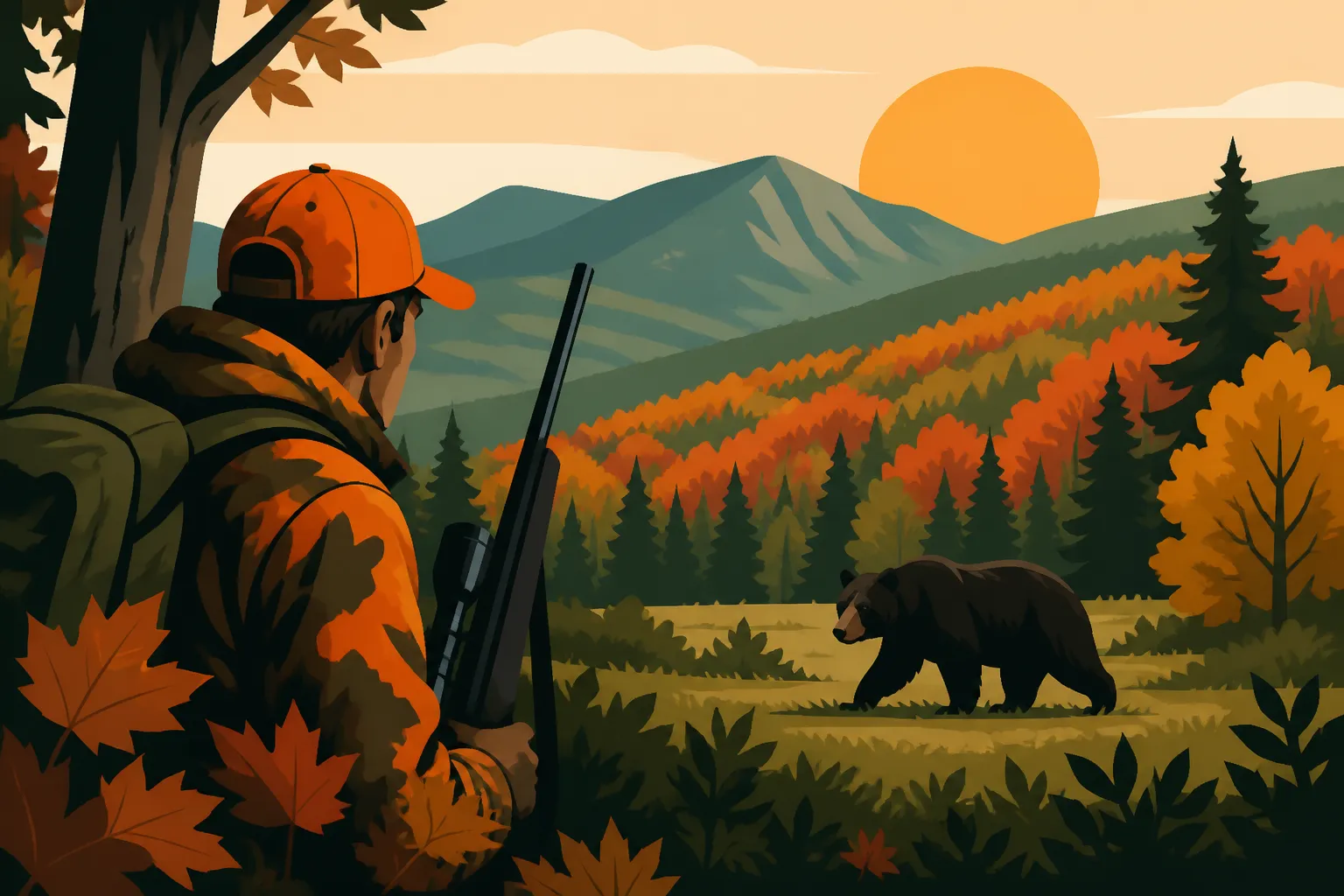
The crunch of leaves underfoot in September might signal the start of bow season for deer to many, but for those of us with a passion for black bears, it's the opening bell for one of Vermont's longest and most rewarding bear hunting opportunities. Too often, hunters overlook this early window, missing out on prime conditions to pursue these intelligent and elusive animals before the deep cold sets in. This guide will walk you through everything you need to know to maximize your chances of success during Vermont's expansive September bear season.
Understanding Vermont's September Bear Season Dynamics
Navigating the nuances of Vermont's bear season can feel a bit like trying to solve a puzzle, especially with varying regulations and prime times. The September season offers a unique chance to hunt bears before they become hyper-focused on denning, providing distinct challenges and advantages that are worth understanding.
Season Dates and Regulations
Vermont's bear season is truly extensive, offering hunters a long stretch to pursue bruins. The early season, which kicks off in September, is primarily archery-only for a significant portion, before opening up to other methods later in the month or early October. It’s absolutely critical to confirm the precise dates each year with the Vermont Fish & Wildlife Department, as they can have slight adjustments. Generally, the season runs from the beginning of September right through November, but those September weeks are where many hunters focus their efforts, often before deer archery season becomes the main event.
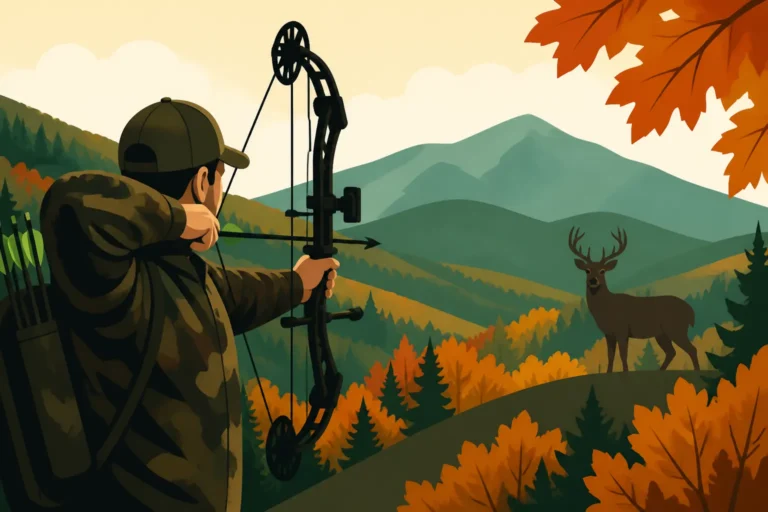
During this early archery-only period, hunters are limited to bows and crossbows, which means getting intimately close to a bear is paramount. Understanding the specific legal weapons during Vermont Rifle Season, for example, is a different ballgame entirely from what’s permitted in early September for bears. Always double-check your local Wildlife Management Unit (WMU) for any specific restrictions, as Vermont does manage its game animals with regional considerations. This early window also often coincides with excellent weather—cooler mornings, pleasant afternoons—making it a fantastic time to be in the woods, even if the thick foliage presents its own challenges.
Why September is Unique for Bears
September is a fascinating time in the bear's annual cycle. Unlike the spring, when bears are primarily focused on protein after emerging from their dens, or late fall, when they're frantically gorging for denning, September sees bears in a transitional phase. They are still actively feeding to put on fat reserves for winter, but their diet shifts significantly from earlier summer's berries to more calorie-dense options. This makes understanding their feeding habits absolutely critical for success. Bears are creatures of habit, and if you can key into their primary food sources, you'll be well on your way.
The weather in September can also play a huge role. Early September can still feel quite summery, with bears often active during the cooler parts of the day – dawn and dusk. As the month progresses and temperatures drop, bears may become more active throughout the day, driven by an increasing urgency to fatten up. The foliage is also at its densest in early September, providing ample cover for bears but also making spotting them difficult. As leaves begin to turn and drop towards the end of the month, visibility can improve, though bears may also begin to shift their patterns in preparation for colder weather. This dynamic environment means scouting and adaptability are key.
Permit Requirements and Costs
To hunt bear in Vermont, you'll need the appropriate licenses and permits. First and foremost, a valid Vermont Hunting Licenses and What They Cost is required. This is your foundation for any hunting activity in the state. In addition to your base hunting license, you'll need a specific bear permit. For residents, the Vermont Early Bear Permit Cost is generally quite reasonable, making it accessible to many. Non-residents will find higher fees, but the opportunity to hunt Vermont's healthy bear population often makes it worthwhile.
It's important to remember that these permits are specific to bear hunting and are separate from deer or turkey permits. Always ensure your permit is correctly filled out and carried with you while hunting. Vermont, like many states, has implemented specific requirements to track harvest numbers and manage its bear population effectively. Understanding these requirements isn't just about legality; it's about being a responsible hunter and contributing to the health of the resource we all value. Don't forget that a successful harvest also requires proper registration and reporting within a specific timeframe, often through the Vermont Fish & Wildlife app or at a designated check station.
Key Strategies for Early Season Bear Hunting
Hunting bears in September demands a different approach than other species or even later in the bear season. With dense cover and shifting food sources, patience, keen observation, and strategic placement are your best friends. Let's delve into some effective methods.
Spot and Stalk in Prime Habitat
Spot and stalk hunting for bears in September can be incredibly rewarding, but it requires a very specific skillset and the right conditions. This method is often most effective in areas with a mix of open and dense terrain, allowing for glassing followed by a careful approach. Think about the edge of a clear-cut, a large open hardwood ridge, or even expansive field edges where bears might be feeding. Prime habitats for this tactic include mature beech ridges, old apple orchards, and sometimes even active cornfields. Using a good set of binoculars and even a spotting scope can be invaluable for picking apart distant cover.
When you're Spot-and-Stalk Bear Hunting Vermont Ridges, wind direction is absolutely paramount. Bears have an incredible sense of smell, and a single whiff of human scent will send them packing. Always hunt into the wind or with a crosswind. Your pace should be excruciatingly slow, taking a few steps, then stopping to observe and listen for several minutes. Look for any anomaly: a patch of black that doesn't belong, a subtle movement, or the flick of an ear. The dense September foliage means you'll often only catch glimpses, so patience is key. Focus your efforts around known food sources like apple trees, oak flats, or even wild berry thickets that are still producing.
Hunting Over Bait (Where Permitted)
Hunting over bait is a popular and highly effective method for black bears, especially during the early season when bears are focused on calorie intake. However, it's critical to understand that Baiting Bears Legally in Vermont comes with strict regulations. Not all states or even all areas within Vermont allow baiting, and there are specific rules about what can be used as bait, how much can be used, and how far from a residence or public road the bait site must be. Always consult the latest Vermont Fish & Wildlife regulations before setting up a bait site.
If baiting is permitted and you decide to use this strategy, consistency is key. Bears will pattern your activity, and a consistent supply of enticing, high-calorie foods like pastries, dog food, or even old fruit can draw them in. Start your baiting efforts well in advance of the season opener to establish a pattern. When hunting a bait site, setting up a ground blind or treestand downwind and within bow range is essential. Bears are incredibly wary, and any unnatural movement or scent will be detected. Be prepared for long sits, and always keep the wind in your favor. Monitoring the site with trail cameras can provide invaluable information about bear activity, times, and even the size and sex of visiting bears.
Still-Hunting and Ambush Tactics
For many, still-hunting and ambush tactics embody the true spirit of hunting, requiring a deep understanding of animal behavior and terrain. Still-hunting involves moving through the woods very slowly, pausing frequently to scan and listen. It's about blending in with the environment and letting the woods reveal themselves to you. In September, with thick undergrowth, this means focusing on trails, logging roads, and creek bottoms where movement is easier and bears might also be traveling between bedding and feeding areas.
Ambush tactics, on the other hand, involve identifying key travel corridors or feeding areas and setting up a stationary position, typically a treestand or ground blind, to wait for a bear. This could be overlooking an active apple orchard, a dense oak flat laden with acorns, or a pinch point between two thickets. For example, if you're scouting and find a frequently used Scrape Lines Along a Logging Road, that indicates consistent travel and could be a prime ambush spot. Setting up well before dawn or staying until deep into dusk can be crucial, as bears are often most active during these low-light periods. Always ensure your stand or blind offers good cover, a clear shooting lane, and, as always, is set up to account for prevailing wind direction.
Scouting and Sign Recognition for Vermont Bears
Successful bear hunting hinges on excellent scouting. You can't just stumble into a bear, especially in Vermont's dense September woods. Knowing what to look for, and where, is half the battle won.
Identifying Food Sources and Feeding Patterns
Vermont's black bears are opportunistic omnivores, but in September, their diet becomes heavily dictated by the availability of high-calorie natural foods. This is their prime time to pack on the pounds for winter. The most critical food sources to locate are often hard mast (acorns, beech nuts) and soft mast (apples, berries). If it’s been a poor acorn year, for instance, bears will shift their focus to other available foods. Mature oak and beech stands, especially those on south-facing slopes, are prime targets. Scouting these areas for fresh droppings, claw marks on trees, and disturbed ground where bears have been rooting for nuts is crucial.
Apple orchards, both wild and domestic, are bear magnets in September. Look for trees with ripe or fallen apples, as bears will visit these repeatedly. Early season bears can literally strip an apple tree clean. Cornfields, particularly those bordering dense woods, are also a major draw. Bears will often raid cornfields, breaking stalks and leaving distinctive trails. When scouting, remember that bears will often visit these food sources during cooler parts of the day or under the cover of darkness, but they'll bed down in thick cover nearby. Using a mapping tool like GoHunt can help you overlay public land boundaries with satellite imagery to identify potential food sources and dense cover from afar, allowing you to prioritize your on-the-ground scouting efforts.
Locating Bear Travel Corridors
Bears, despite their size, are incredibly efficient travelers. They tend to use the path of least resistance when moving between bedding areas, water sources, and feeding sites. Identifying these travel corridors is key to intercepting them. Look for game trails that are heavily used, especially those that appear wider and more beaten down than deer trails, sometimes with noticeable bear tracks. Creeks, logging roads, old stone walls, and natural funnels created by terrain or vegetation changes are all potential travel routes.
Focus your search for these corridors in areas that connect dense bedding cover with active food sources. For example, a narrow strip of woods that runs between a dense spruce thicket (bedding) and an active apple orchard (feeding) is an ideal funnel. Bears will often follow contours along hillsides or utilize the bottoms of drainages. The more distinct the funnel, the higher the chance of encountering a bear. Pay attention to how Wind and Thermals in Steep Green Mountain Terrain might influence these travel paths; bears will often use routes that keep the wind in their favor as they move.
Interpreting Bear Sign: Scats, Tracks, and Rubs
Becoming proficient at reading bear sign is like learning their secret language. Tracks are obvious, but the size, freshness, and direction of travel can tell you a lot. Look for the distinctive five-toed print of a bear, and note if it's a front or hind paw. Fresh tracks in mud or soft dirt indicate recent activity. Scats (droppings) are another goldmine of information. Their contents will tell you what the bear has been eating (berries, corn husks, apple seeds), and their freshness can indicate how recently the bear was in the area.
Beyond tracks and scats, look for other less obvious signs. Claw marks on trees, particularly beech or apple, suggest a bear has been climbing for nuts or fruit. Rubs on trees, where bears scratch or bite bark, are often territorial markers or simply a place to scratch an itch. Disturbed ground where bears have been digging for roots or grubs, or overturned rocks, also indicates their presence. Pay close attention to these subtle clues, as they can paint a detailed picture of a bear's daily routine. Using a detailed mapping app like GoHunt can help you mark every sign you find, allowing you to build a comprehensive picture of bear activity over time.
Essential Gear and Preparation for September Bear
Successful bear hunting in September isn't just about strategy; it's also about having the right tools and knowing how to use them. From optics to recovery gear, being prepared for every eventuality is crucial.
Optics and Scent Control
In the dense woods of September, good optics are not just a luxury, they're a necessity. A quality pair of binoculars, like a 10×42, can help you pick apart thick cover for subtle movements or identify a bear far off on a ridge line. If you're employing spot and stalk tactics in more open areas, a spotting scope might also prove invaluable. For close-range archery encounters, a rangefinder is absolutely critical for precise shot placement. Remember, judging distance in the woods can be tricky, and a bear's vitals are not as large as their overall body might suggest.
Scent control is paramount when hunting bears. Their sense of smell is legendary, far superior to a deer's. Every precaution should be taken to minimize your human odor. This means showering with scent-eliminating soap, washing your hunting clothes in scent-free detergent, and storing them in airtight bags or containers. Sprays can help, but they are no substitute for good hygiene and playing the wind. Consider using a Ozonics unit if you're hunting from a stationary position. The slightest human scent will put a bear on high alert or send it fleeing before you even know it's there.
Firearms and Ammunition Considerations
For early September, the primary weapon is a bow or crossbow. When it comes to Bowhunting Vermont's Rifle Season, the rules change and blaze orange becomes mandatory, but in the pure archery bear season, your focus is on quiet movement and stealth. Your bow setup should be tuned for accuracy and power, capable of delivering enough kinetic energy to ethically harvest a bear. This means a sufficiently heavy arrow and sharp broadheads. Fixed blade broadheads are often preferred by many bear hunters for their reliability and penetration on tough hide and bone, but modern mechanical broadheads with robust designs can also be effective.
If you're hunting later in the September season when firearms are allowed, or during other segments of Vermont's Long Bear Season Explained, your firearm choice is equally important. A rifle in a caliber generally considered suitable for large game, such as .30-06, .308, or even a .45-70, with heavy, tough bullets designed for deep penetration, would be appropriate. Regardless of the weapon, practice extensively to ensure you can make an ethical shot under pressure. Knowing your effective range and sticking to it is crucial for a clean harvest.
Packs, Field Dressing, and Recovery Tools
A well-equipped pack is your mobile base camp in the woods. For a September bear hunt, you'll want a comfortable, durable pack capable of carrying essentials for a full day, possibly even overnight if you're venturing deep into the backcountry. This includes water, snacks, a first-aid kit, navigation tools (GPS or a mapping app like GoHunt with offline maps), a headlamp, and game bags. If you are successful, you'll need to be prepared for the work that follows. A sharp, sturdy knife for field dressing is essential, along with a bone saw or strong pruning shears to help with quartering, especially if you're in remote territory.
Bears are large animals, and recovering a harvested bear, especially from a steep ravine, can be an immense challenge. Think about how you'll get the animal out of the woods. A game cart can be invaluable for flat or gently sloped terrain. For steeper, more rugged ground, a sturdy pack frame designed for hauling meat may be necessary. Quartering the animal in the field significantly reduces the weight you need to carry at once. Having a plan for Packing Out a Vermont Moose, or in this case, a bear, before you even pull the trigger, will save you a lot of headache, exhaustion, and potentially spoiled meat. Always carry flagging tape to mark the blood trail, as bears don't always leave the most obvious sign.
Navigating Public vs. Private Land for Bears
Vermont offers a mix of public and private land hunting opportunities. Understanding where you can hunt and how to gain access is fundamental to planning your September bear season.
Leveraging Green Mountain National Forest Access
The Green Mountain National Forest (GMNF) is a vast resource for public land hunters in Vermont, offering hundreds of thousands of acres across two main districts. This is an excellent option for those looking to immerse themselves in true backcountry hunting. The sheer size means you can find areas with less hunting pressure, which can be beneficial when pursuing wary bears. However, hunting the GMNF requires self-sufficiency and a good understanding of navigation and woodsmanship. Bears thrive in these large, contiguous blocks of forest, especially where there's a good mix of hardwoods, softwoods, and water sources.
Before heading into the GMNF, obtain detailed maps (digital or paper) and familiarize yourself with the terrain. Tools like GoHunt or the Vermont Fish and Wildlife App can be incredibly helpful for identifying potential bear habitat, access points, and property lines within the forest. Focus your scouting efforts on areas with diverse food sources, such as beech ridges or old clear-cuts that are growing back with berry bushes. Remember that vehicle access can be limited on many forest roads, meaning you'll likely be doing a lot of hiking. Knowing the Green Mountain National Forest's Two Districts can help you focus your efforts based on reports or personal preferences.
Seeking Permission on Farm and Timberland
While public lands are extensive, don't overlook the potential of private land, especially for bear hunting. Vermont's landscape is dotted with farms and private timberland, and bears are often drawn to these areas, particularly for easy food sources like cornfields, orchards, or even livestock feed. Gaining permission to hunt private land can unlock incredible opportunities, often with less competition than heavily hunted public areas.
The key to accessing private land is respectful communication. Knocking on doors, introducing yourself, and explaining your intentions clearly and politely is the best approach. Many landowners are open to responsible hunters, especially if bears are causing damage to crops or property. Offer to help with chores or share your harvest as a gesture of goodwill. Always adhere strictly to any conditions set by the landowner, and make sure you understand Vermont Posted Land Rules and Do You Need Written Permission in Vermont? before you hunt. Building a good relationship with a landowner can provide hunting access for years to come.
Utilizing Wildlife Management Areas
Vermont's Wildlife Management Areas (WMAs) are tracts of land specifically managed by the Vermont Fish & Wildlife Department for wildlife habitat and public recreation, including hunting. These areas are strategically located throughout the state and can offer excellent bear hunting opportunities. WMAs often have a good mix of habitat types, from wetlands to mature forests, catering to a variety of game species, including bears.
Each WMA is managed differently, so it’s wise to research specific regulations or special conditions that might apply to a particular WMA. Some might have designated access points, others might be more remote. Utilizing resources like the Vermont Fish and Wildlife App or GoHunt to locate WMAs near you and scouting Vermont Public Land Before Season can help you understand the terrain, habitat, and potential access points. While WMAs can see more hunting pressure than deep wilderness areas of the GMNF, they are typically managed for robust wildlife populations, making them a viable option for your September bear hunt.
Ethical Hunting and Bear Management
Responsible hunting goes beyond simply following the rules; it encompasses ethical decision-making, proper animal care, and contributing to sound wildlife management.
Judging a Legal Bear From a Sow With Cubs
One of the most crucial ethical considerations when bear hunting, particularly in the early season, is correctly identifying your target. It is illegal to shoot a sow with cubs, and it's also deeply unethical. In September, cubs from the current year will still be relatively small, often staying close to their mother. If you spot a bear, take your time, observe it carefully, and look for any smaller bears nearby. Sometimes cubs can be hard to spot in thick cover, especially if they are lagging behind or moving parallel to the sow.
Patience is key. Wait for the bear to present a clear, broadside shot, and be absolutely certain of its identity as a lone bear before taking a shot. Using binoculars to carefully scan the area around the bear for any smaller movements or shapes is vital. If there's any doubt whatsoever, let the bear walk. Hunting is about selective harvest, and protecting breeding females and their offspring is fundamental to ensuring healthy bear populations for the future. Learning to accurately identify a bear's size and gender can be challenging, but understanding Judging a Legal Bear From a Sow With Cubs is a skill every bear hunter must possess.
Carcass Care and Reporting
Once you've successfully harvested a bear, the work truly begins. Proper field dressing and carcass care are essential, especially in September when temperatures can still be quite warm. Bears can spoil quickly due to their thick layer of fat. The first step is to immediately field dress the bear to allow the carcass to cool down as rapidly as possible. Remove all entrails, and if possible, prop open the body cavity to maximize airflow. If you have ice, stuffing game bags with ice and placing them inside the cavity can help cool the meat down.
After field dressing, the next critical step is reporting your harvest. Vermont has specific requirements for reporting, often within 48 hours, either online through the Vermont Fish & Wildlife App or at a designated check station. This data is incredibly important for the state's wildlife biologists to monitor the Vermont Bear Population Estimate and manage the resource responsibly. Make sure you have all the necessary information, including your permit number, location of harvest, and time. This ensures you're complying with regulations and contributing to conservation efforts.
Understanding Vermont's Bear Management Goals
Vermont's Fish & Wildlife Department manages its bear population with several goals in mind: maintaining a healthy, sustainable population, minimizing human-bear conflicts, and providing recreational hunting opportunities. Hunting is a vital tool in achieving these goals, helping to regulate bear numbers in a way that aligns with habitat capacity and social tolerance. For instance, selective harvests help ensure that the population remains robust and healthy, while also mitigating potential issues like bears getting into residential areas or damaging crops.
Understanding how Vermont's Bear Population Grew and how it's currently managed provides context for your hunting efforts. The long September season is designed to offer ample opportunity to hunters, especially for those seeking to harvest additional protein or simply enjoy the challenge of pursuing a magnificent animal. By adhering to regulations, practicing ethical hunting, and reporting your harvest, you're directly contributing to the state's ongoing success in managing this incredible resource for current and future generations.
Disclaimer
Please be aware that hunting regulations, season dates, and permit requirements can change. Always consult the official Vermont Fish & Wildlife Department website or their most current hunting guide before planning any hunting trip. This article is intended for informational purposes only and does not supersede state regulations.