Registering a Vermont Deer Online
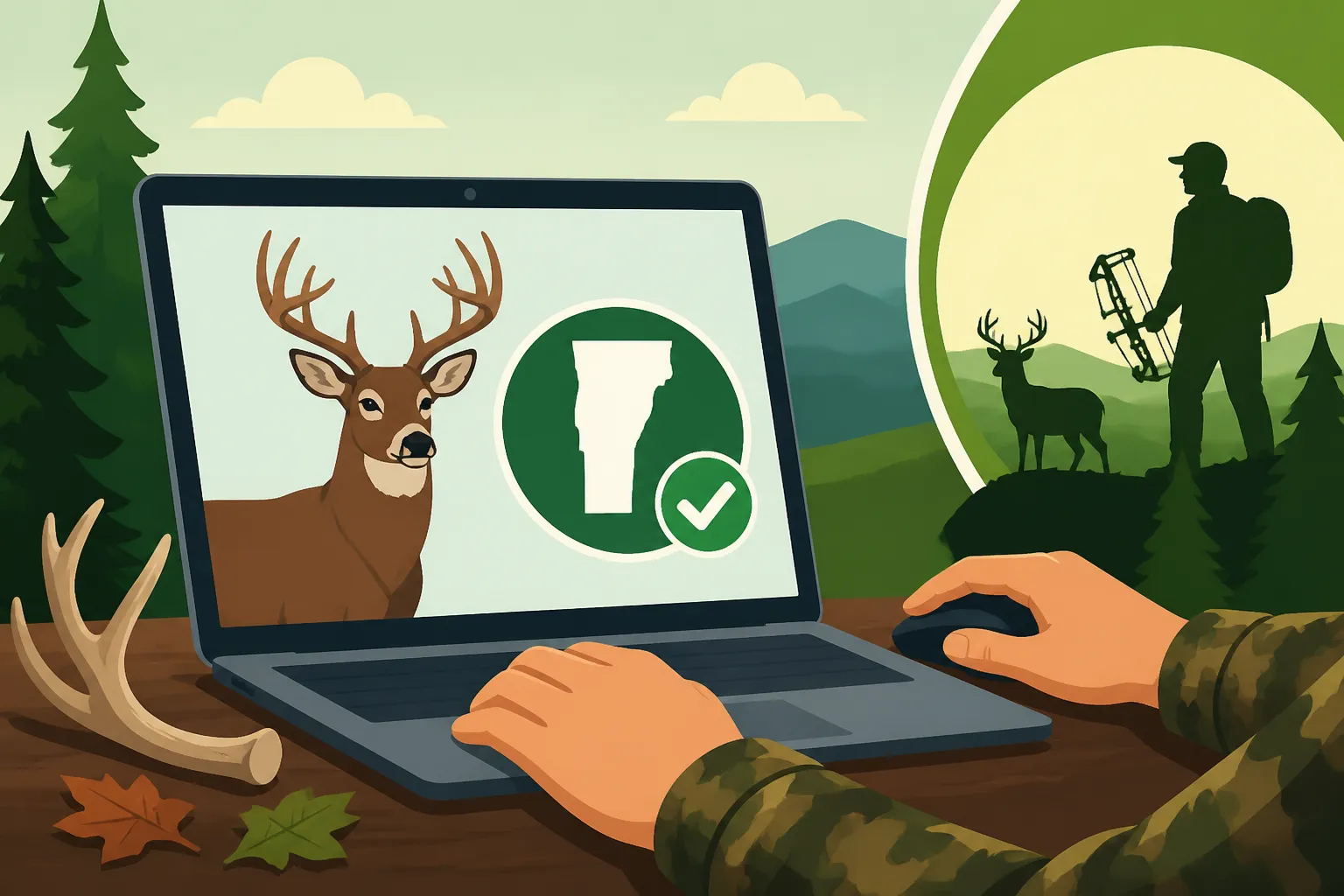
The moment you drop that buck or doe in the Vermont woods, an exhilarating rush comes over you. But then, the practicalities set in: field dressing, dragging it out, and, of course, the ever-important step of legally registering your deer. For years, this meant a trip to a local deer check station, sometimes miles out of the way, often with a waiting line. This guide will walk you through the convenient and efficient process of registering a Vermont deer online, ensuring you fulfill your legal obligations without unnecessary hassle.
Why Online Registration Has Become the New Standard
The landscape of deer registration in Vermont has evolved significantly over the past decade. What was once a firmly established tradition of heading to a physical check station has transitioned into a more modern, streamlined online process. This shift wasn't just about convenience; it reflects a broader strategy by the Vermont Fish and Wildlife Department to leverage technology for better data collection and management, all while making life a bit easier for hunters.
Moving Beyond Traditional Check Stations
Think back to the "good old days" – or maybe not-so-good, depending on your perspective. You'd track, harvest, and field dress your deer, often in the cold, then load it up, sometimes still warm from the kill, and drive it to a general store or a dedicated check station. You’d stand in line, often exchanging stories with other successful (or unsuccessful) hunters, while a friendly staff member recorded your kill. While there was a certain camaraderie to these interactions, they also presented logistical challenges. Stations might have limited hours, be geographically inconvenient, or require you to transport an entire deer, which isn't always feasible, especially if you're quartering your game in the field or hunting far from home. The requirement to physically present your deer sometimes meant delaying field care, which can impact meat quality, or making a special trip before heading home, adding hours to an already long day.
Convenience for Today's Hunter
The primary driver behind online registration is, undeniably, convenience. After a long day of hunting, often involving a strenuous drag through the woods, the last thing many hunters want to do is make another trip. With online registration, you can complete the process from the comfort of your home, camp, or even out in the field if you have service, using your smartphone, tablet, or computer. This flexibility is a game-changer, especially for those hunting remote areas like the Northeast Kingdom or deep within the Green Mountain National Forest. You can focus on getting your deer processed and taken care of, knowing the reporting can happen when you're ready. The process is often quick, taking just a few minutes once you have all your information ready, a stark contrast to the potential for long waits at physical stations, especially on opening day of rifle season. Many hunters now rely on digital tools like the GoHunt app or other mapping programs for scouting and tracking, so using a similar online portal for registration feels like a natural extension of their modern hunting practices.
Data Collection for Wildlife Management
Beyond hunter convenience, the Vermont Fish and Wildlife Department benefits immensely from the standardized, digital data collection that online registration provides. Each piece of information you submit—from the species and sex of the animal to the date and Wildlife Management Unit (WMU) of harvest—contributes to a vast dataset. This data is crucial for assessing deer population health, understanding harvest trends, and making informed decisions about future hunting seasons and bag limits. For instance, understanding the number of bucks harvested versus does in specific WMUs helps biologists gauge the herd's reproductive potential and overall health. It's how they determine things like the number of antlerless permits available each year. This robust data also supports critical programs like Vermont's CWD prevention rules, allowing the department to monitor potential threats to the state's deer herd more effectively. Without accurate and timely harvest data, managing the state's incredible white-tailed deer resource would be significantly more challenging.
Step-by-Step: Registering Your Deer Online
Navigating the online registration system for the first time can feel a little daunting, but I promise you, it's straightforward once you know what to expect. Think of it like filling out a form, but digitally. The Vermont Fish and Wildlife Department has worked to make the portal as user-friendly as possible, so let's break down the exact steps you'll need to take after you've successfully harvested your deer.
Before You Start: Essential Information You'll Need
Preparation is key for a smooth online registration experience. Before you even open your browser or the Vermont Fish and Wildlife App, gather all the necessary details. Having this information readily accessible will prevent you from scrambling mid-process and potentially making errors. Here’s a checklist of what you’ll need:
- Your Hunting License Number: This is your primary identifier as a hunter. Make sure it's valid for the current season.
- Your Big Game Tag/Permit Number: This is the specific tag you used for the deer. If you're utilizing something like a bonus antlerless tag, have that specific permit number on hand.
- Date of Harvest: The exact day you harvested the deer.
- Time of Harvest: The approximate time of day.
- Wildlife Management Unit (WMU) of Harvest: This is incredibly important for wildlife management. Make sure you know which WMU you were hunting in when you shot the deer. You can usually find this on your GoHunt app or a physical map.
- Town of Harvest: The specific town where the deer was taken.
- Sex of the Deer: Male (buck) or Female (doe).
- Number of Antler Points (if applicable): For bucks, count all points that are at least one inch long. This is crucial for verifying legal harvest based on Vermont's antler point restrictions, though these are not currently in place statewide.
- Age Class (optional but helpful): Sometimes the system will ask for an estimate (fawn, yearling, adult). Do your best, but don't fret if you're unsure.
- Method of Take: Archery, rifle, or muzzleloader. This directly relates to the season you were hunting in, such as hunting a bow during the rifle season overlap.
- Confirmation Number from a Previous Report (if correcting an error): If you're going back to fix something, you'll need the original confirmation number.
Table: Essential Information for Online Deer Registration
| Information Category | Specific Details Required | Importance |
|---|---|---|
| Hunter Identification | Hunting License Number, Big Game Tag/Permit Number | Legal verification, links harvest to your record |
| Harvest Details | Date of Harvest, Time of Harvest | Data tracking for hunting pressure and animal activity |
| Location Data | Wildlife Management Unit (WMU), Town of Harvest | Crucial for population management and regional analysis |
| Deer Characteristics | Sex of Deer, Number of Antler Points (if applicable), Age Class (optional) | Biological data for herd health, regulatory compliance |
| Method of Harvest | Archery, Rifle, Muzzleloader | Distinguishes harvest method for seasonal analysis |
| Correction Data | Previous Confirmation Number (if applicable) | Necessary for amending existing reports |
Navigating the Vermont Fish and Wildlife Portal
Once you have your information ready, head over to the Vermont Fish and Wildlife Department's official website. Look for a prominent link or section specifically for "Deer Reporting" or "Harvest Registration."
- Access the Portal: You'll typically find a direct link on the homepage or under the "Hunting" section.
- Log In or Proceed as Guest: Some states require you to log into an existing account (your license purchasing account, for example). Vermont generally allows you to proceed as a guest, simply inputting your license and tag numbers. Follow the prompts.
- Enter Hunter Information: The system will first ask for your hunting license number and the specific tag number you used for this deer. Double-check these entries for accuracy.
- Input Harvest Details: This is where you'll systematically enter all the information you gathered in the previous step: date, time, WMU, town, sex, antler points, and method of take. Be precise. If you made a mistake on your paper tag, this is your chance to correct it, though it’s always best to be accurate from the start.
- Review and Confirm: Before submitting, the portal will usually display a summary of all the information you’ve entered. Take a moment to thoroughly review every detail. An incorrect WMU, for example, could throw off data for an entire region, so accuracy matters immensely.
- Submit Your Report: Once you're confident everything is correct, hit the submit button.
The Confirmation Process
After successfully submitting your deer registration online, you'll receive a confirmation number. This is vital!
- Record Your Confirmation Number: The system will generate a unique confirmation number. Write this down immediately, take a screenshot, or print the page. This number is your proof that you have legally reported your deer. It's akin to the little slip you used to get from a physical check station.
- Email Confirmation: Often, the system will also send an email to the address associated with your hunting license (or one you provided during the process) containing this confirmation number and a summary of your harvest details. Keep this email for your records.
- Tagging Your Deer: Remember that your physical tag, with the confirmation number written on it, must remain with the carcass until it is processed for consumption or storage. This is a crucial step in adhering to The Vermont Deer Reporting Deadline and avoiding potential issues with game wardens. The confirmation number on your tag is your official proof of registration.
Common Hurdles and How to Overcome Them
Even with the best intentions and the most user-friendly system, sometimes things don't go perfectly. Technical glitches, accidental mistakes, or simply being in a remote area without cell service can complicate the online registration process. Don't worry, there are usually solutions.
Technical Glitches and Connectivity Issues
It's a familiar scenario: you're trying to submit your harvest report after a successful hunt, and your internet connection is spotty, or the website decides to act up. This is particularly common if you're out in a remote hunting camp in an area known for poor service, like parts of the Northeast Kingdom.
- Check Your Connection: First, try moving to a different spot where you might get better cell service. Sometimes just a few feet can make a difference. If you're using Wi-Fi, ensure your router is working correctly.
- Refresh or Restart: A simple refresh of the web page or restarting your device can often resolve minor glitches.
- Try a Different Browser or Device: If the problem persists, try accessing the portal from a different web browser (e.g., Chrome instead of Firefox) or a different device (your smartphone instead of a laptop). Sometimes, browser settings or device-specific issues can cause problems.
- Wait and Try Again: If the issue seems to be with the Vermont Fish and Wildlife Department's portal itself (e.g., slow loading, error messages for everyone), it might be undergoing maintenance or experiencing high traffic. Give it some time and try again later. The reporting deadline is important, but a few hours usually won't make a difference unless you're truly cutting it close.
- Use the GoHunt App (if available for reporting): While the GoHunt app itself is more for scouting and mapping, some states integrate reporting directly into their official wildlife apps. Always check if the Vermont Fish and Wildlife app offers this feature, as apps can sometimes be more stable on mobile networks than web browsers.
Correcting Mistakes After Submission
We're all human, and mistakes happen. Maybe you accidentally entered the wrong WMU, miscounted antler points, or typed the wrong date. It's crucial to correct these errors, as accurate data is vital for wildlife management.
- Locate Your Confirmation Number: This is why I stressed the importance of saving it. Most online systems will allow you to amend a previous report using this number.
- Access the Correction Feature: On the Vermont Fish and Wildlife Department's registration portal, look for an option like "Amend Report" or "Correct a Previous Submission." You'll typically need to enter your original confirmation number to access and modify the report.
- Make Necessary Changes: Carefully review the existing data, identify the error, and input the correct information.
- Resubmit and Get a New Confirmation: After making corrections, you'll likely receive a new confirmation number or an updated version of your original one. Save this new proof of registration.
- Contact the Department: If you cannot find a way to correct the error online, or if the system won't let you, don't hesitate to call the Vermont Fish and Wildlife Department directly. Explain your situation, provide your original confirmation number, and they will be able to assist you in making the necessary changes. It's far better to call than to leave an incorrect report on file.
When Online Isn't an Option
While online registration is the preferred and most common method, there might be rare instances where it's truly not feasible, or you simply prefer the traditional route.
- Extreme Remote Locations: If you are truly in an area with absolutely no cell service or internet access and won't have it for an extended period, you will need to find a physical check station. Before your hunt, it's wise to identify a few local deer check stations in the area where you plan to hunt, just in case. This is especially relevant if you are venturing into very remote public lands where cell service is non-existent.
- No Access to Technology: Some hunters, for various reasons, may not have access to a smartphone or computer. In these cases, physical check stations are still available as a fallback option, though their numbers have dwindled.
- Department-Specific Requirements: Occasionally, the Vermont Fish and Wildlife Department might require in-person registration for specific permits or during special hunting seasons, or if there are specific concerns like CWD surveillance that require samples. Always check the current year's hunting regulations booklet for any such exceptions.
- Emergency Situations: If you have an emergency or unusual circumstance, calling the Vermont Fish and Wildlife Department is always the best course of action. They can provide guidance on how to proceed. Remember, part of being a responsible hunter is fulfilling all your reporting requirements, and the department wants to help you do that correctly.
The Future of Deer Reporting in Vermont
Just as hunting itself continues to evolve, so too do the administrative processes surrounding it. The move to online deer registration was a significant step, and it's likely just one point in a continuing journey of technological integration for Vermont's wildlife management. Staying informed about these changes is part of being a proactive and responsible hunter.
App Integration and Mobile Convenience
The convenience of online registration has paved the way for even more streamlined processes, particularly through mobile applications. Imagine having all your hunting licenses, permits, regulations, and even harvest reporting capabilities rolled into a single, intuitive app on your smartphone. Many states are moving in this direction, and Vermont is no leader in this area. While the GoHunt app is fantastic for scouting, the official Vermont Fish and Wildlife app is also continually updated to provide more features and resources to hunters.
Future developments could include:
- Offline Reporting: The ability to pre-fill information and have it automatically submit once you regain cell service. This would be a massive benefit for those hunting in areas without reliable connectivity, making it easier to meet "The Vermont Deer Reporting Deadline."
- Photo Uploads: The option to upload photos of your harvested deer, which could assist wildlife biologists in collecting even more detailed data, such as jawbone samples for age estimation or antler measurements.
- GPS Integration: Automatic detection of your WMU and town of harvest based on your phone’s GPS data, reducing the chance of manual entry errors.
- Direct Access to Regulations: A single tap to check current regulations, season dates, and even locate nearby reporting stations if the online method fails.
This increased mobile convenience means less time spent on paperwork and more time enjoying the hunt, while still contributing to vital wildlife conservation efforts.
Staying Informed on Policy Changes
Wildlife management policies, including reporting requirements, are not static. They are dynamic, adapting to changes in deer populations, environmental factors, disease concerns like CWD, and advancements in technology. What's true this season might be slightly different next season. It's your responsibility as a hunter to stay current with the latest regulations.
- Annual Hunting Guides: Always pick up or download the latest Vermont Hunting and Trapping Guide at the beginning of each season. This document is the definitive source for all regulations, season dates, and reporting procedures.
- Vermont Fish and Wildlife Website: Regularly check the official website for news releases, alerts, and updates. This is where you'll find the most immediate information about policy changes, such as new antlerless permit allocations or amendments to reporting protocols.
- Email Lists and Social Media: Consider signing up for email newsletters from the Vermont Fish and Wildlife Department or following their social media channels. These platforms often provide timely reminders and important announcements.
- Hunter Education: Even if you've completed your Vermont Hunter Education Requirements years ago, consider reviewing basic principles annually or attending refresher courses. Knowledge is your best tool in the field and in ensuring you remain compliant with all legal requirements. Understanding the "why" behind rules, such as Vermont's rule against urine-based deer lures, often makes them easier to remember and follow.
By actively engaging with these resources, you ensure that you are always compliant with Vermont’s hunting laws, contributing positively to the state’s wildlife management efforts, and setting a good example for others in the hunting community.
Disclaimer
Please remember that hunting regulations, license requirements, and reporting procedures can change. Always consult the most current Vermont Fish and Wildlife Department regulations and official guides before heading into the field. This article is intended for informational purposes and should not be considered a substitute for official legal advice or current state hunting laws.