Bowfishing Vermont Rivers in the Off-Season
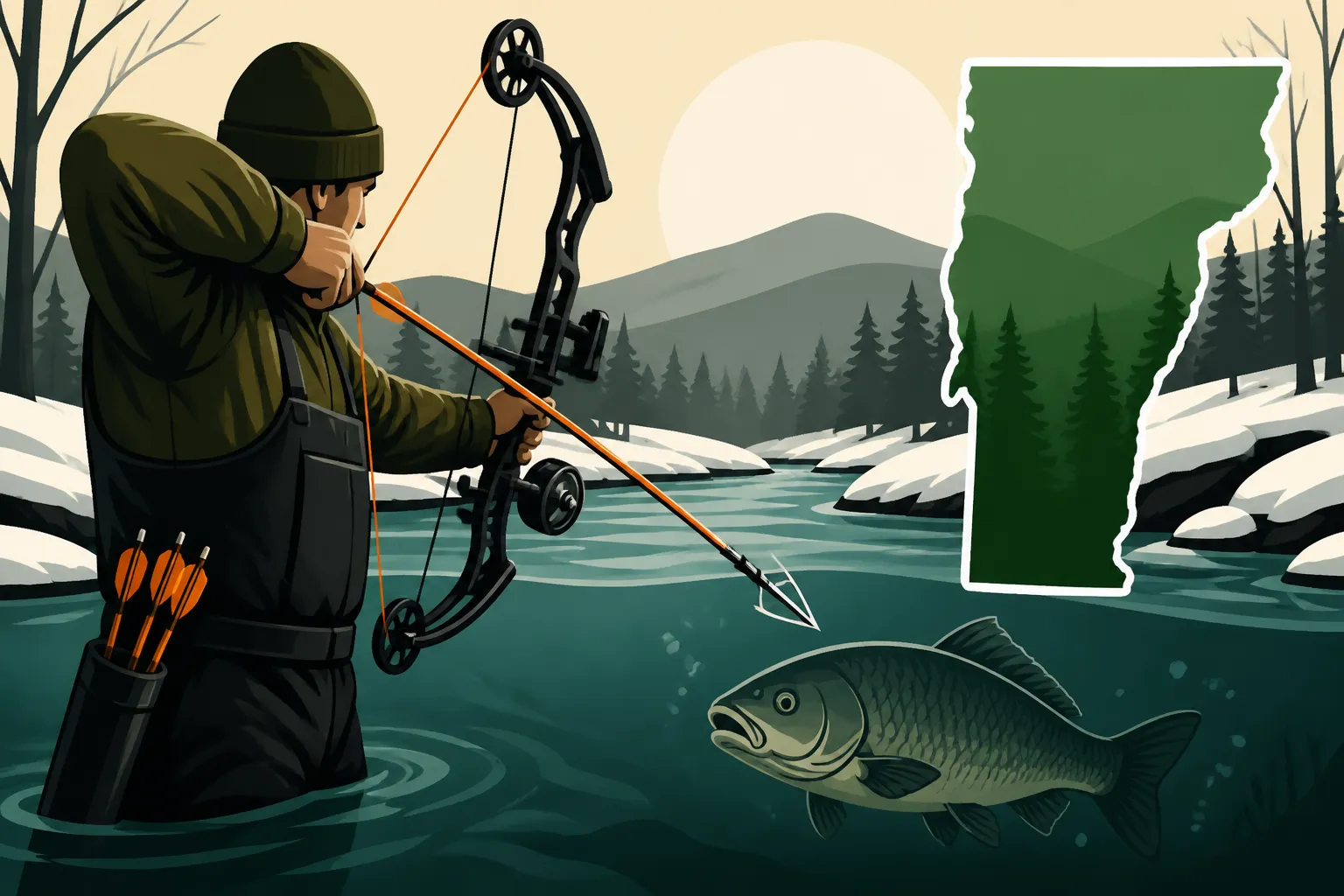
When the crisp autumn air gives way to the deep chill of winter, or the spring thaw hasn't quite ushered in prime big game seasons, many of us hunters find ourselves yearning for action. That feeling of anticipation, the stealthy pursuit, the thrill of the shot – it doesn't have to vanish during the "off-season." Bowfishing Vermont rivers offers a truly unique and exhilarating way to extend your time outdoors, targeting abundant rough fish and keeping your archery skills razor-sharp when other seasons are closed.
Embracing the Off-Season Thrill: Why Bowfishing in Vermont?
Vermont's stunning landscapes aren't just for deer and moose; its waterways, from winding rivers to expansive lakes, teem with a different kind of challenge that's perfectly suited for the adventurous archer. Bowfishing fills that void when deer tags are punched, and turkey season is still weeks away, providing an active, engaging pursuit that feels like a blend of hunting and fishing. It's not just about taking fish; it's about connecting with the environment in a hands-on way that few other activities can match.
The Unique Appeal of Bowfishing
Let's be real, after months of intense deer scouting and the adrenaline of the fall, the lull can be tough. Bowfishing injects a fresh shot of excitement into your outdoor calendar. It’s a dynamic sport that combines the precision of archery with the strategic thinking of angling. You’re not just casting a line and waiting; you’re actively scanning the water, stalking your prey, and making precise shots. This active engagement is a huge part of its appeal, demanding keen eyesight, steady hands, and quick reflexes – skills that translate well to other hunting endeavors. Plus, many of the target species are considered "rough fish" or even invasive, making your efforts a service to the local ecosystem by reducing pressure on native game fish.
Why Vermont's Waters are Ideal
Vermont is crisscrossed with rivers and streams, and bordered by Lake Champlain, offering a diverse array of bowfishing opportunities. These waters are home to robust populations of common carp and various suckers, which are fantastic targets for bowfishermen. Unlike highly regulated game fish, rough fish often have more liberal seasons or no closed seasons at all, and generous bag limits, allowing for ample opportunity to get out and shoot. The varied habitats, from shallow mud flats and slow-moving river bends to the edges of deeper channels, provide endless possibilities for stalking and ambushing fish. This makes Vermont a prime location to explore this exciting off-season activity.
Navigating Vermont's Bowfishing Regulations and Licensing
Before you even think about stringing an arrow or loading your bowfishing reel, understanding Vermont’s specific regulations is paramount. The Vermont Fish & Wildlife Department sets the rules, and they can change, so always double-check their official website before heading out. Ignorance of the law is never an excuse, and a little homework upfront will save you a lot of headache (and potential fines) later.
Essential Licenses and Permits
Just like any other hunting or fishing activity in the state, you’ll need the appropriate licenses to bowfish in Vermont. Generally, this means holding a valid Vermont fishing license. If you're a resident, you'll want to ensure you have your Vermont Resident License Options squared away. For our friends coming from out of state, the Vermont Nonresident License Options will be what you need. While bowfishing often targets "rough fish," it's still considered a method of taking fish, and a fishing license covers this. There aren't usually separate "bowfishing permits," but always confirm the latest details with the state. This is where resources like GoHunt can be invaluable, offering up-to-date information on licensing requirements and season dates across different states, including Vermont.
Legal Species and Waterways
This is perhaps the most critical part of the regulations. In Vermont, bowfishing typically targets non-game or "rough" fish species. Common carp are the most popular target, known for their size and fighting spirit. Various species of suckers are also fair game. However, it is absolutely essential to know what species are legal to harvest with a bow and arrow. Game fish, such as bass, trout, salmon, pike, and walleye, are almost universally not legal for bowfishing. Accidentally shooting a protected game fish can lead to serious penalties. Specific waterways might also have unique restrictions, so always confirm before venturing out. For instance, while many rivers are open, certain small streams or protected areas might be off-limits. You'll want to familiarize yourself with the nuances of Vermont's fishing laws to avoid any missteps.
Essential Gear for Your Vermont Bowfishing Adventures
Bowfishing is a specialized pursuit, and while you can adapt some existing archery gear, having the right dedicated equipment makes a world of difference. Investing in proper bowfishing gear will not only improve your success rate but also enhance your enjoyment and safety on the water.
Choosing Your Bow and Retrieval System
You don't need a high-end compound bow designed for pinpoint accuracy at 80 yards to be a successful bowfisher. In fact, many dedicated bowfishing setups are simpler and more robust. Recurve bows are very popular due to their simplicity, durability, and ease of use in close quarters or from a boat. Compound bows can also be used, often set to a lower draw weight (30-50 lbs) as you're typically shooting at close range and through water resistance. The real key is the retrieval system. This usually involves a specialized reel mounted to the bow, which can be a simple drum reel for manual retrieval or a spin-cast reel for faster take-up. The line is heavy-duty braided fishing line (often 80-200 lb test) designed to handle strong fish and underwater snags. It's crucial to ensure your line is always spooled correctly and securely attached to your arrow and reel before every shot.
Arrows, Broadheads, and Wading Gear
Bowfishing arrows are distinctly different from hunting arrows. They are heavy, solid fiberglass or carbon, designed to penetrate water effectively and withstand the abuse of hitting fish and the river bottom. Instead of traditional fletchings, they often have just a few small plastic vanes or no fletchings at all, as accuracy through water is less about flight stability and more about mass and force. The broadheads are also unique: typically, they are barbed points that expand or pivot after penetration to hold the fish securely. Many come with a quick-release feature for easy fish removal.
For navigating Vermont's rivers, especially if you plan to wade, durable waders are indispensable. Think about the thickest, most puncture-resistant chest waders you can find. Remember, you'll be walking through mud, over rocks, and potentially through submerged branches. A good pair of boots, perhaps similar to those you'd use for Best Boots for Northeast Kingdom Bog Hunting, will provide the necessary traction and protection. Don't forget polarized sunglasses for cutting glare and spotting fish in the daylight, and for night ops, a powerful headlamp or boat-mounted lights are absolutely essential. Consider a durable, waterproof backpack to carry extra gear, water, and snacks.
Finding the Best Spots and Mastering Techniques on Vermont Rivers
Once you have your gear and licenses in order, the next step is finding the fish and employing the right tactics. Vermont's rivers offer diverse habitats, and understanding where fish hold and how to approach them is key to a successful bowfishing trip.
Scouting for Productive Waters
Effective bowfishing, like any good hunt, starts with scouting. Look for shallow, warm water areas, especially in spring and early summer when carp and suckers move into these zones to feed and spawn. Muddy flats, weed beds, and the slack water behind eddies are prime locations. River bends where slower currents deposit sediment often create these ideal habitats. Areas where smaller creeks or agricultural runoff enter a larger river can also concentrate fish, as these bring in food sources. Using mapping applications, even those you might use for Reading Aerial Photos for Green Mountain Deer, can help identify potential shallow zones, beaver flowages, or oxbows along larger rivers. Places like the Winooski River, Otter Creek, or sections of the Missisquoi River that flow through agricultural areas can be highly productive. Look for signs of fish, such as muddy water, tail swirls, or actual fish breaking the surface.
Day vs. Night Strategies
Bowfishing can be productive both day and night, but the techniques and challenges differ. During the day, polarized sunglasses are your best friend for cutting through the water's glare. You'll often be sight-fishing, stalking fish in shallow water, and taking shots at visible targets. The challenge here is stealth and accounting for water refraction, which makes fish appear shallower than they actually are (you always need to aim low!). GoHunt's mapping features can also help you mark these productive daytime areas for future trips.
At night, the game changes. With powerful lights mounted to your boat or a bright Best Headlamp for a Pre-Dawn Ridge Climb if wading, you can illuminate the water and reveal fish that are less wary under the cover of darkness. Fish often move into even shallower waters at night to feed. The advantage is that light penetrates the water more clearly without surface glare, allowing for more direct shots, though refraction still applies. Night bowfishing is often done from a boat, slowly cruising shallow areas or drifting downriver with the current, shining lights into the water.
Essential Shooting Techniques and Dealing with Refraction
The golden rule of bowfishing is "aim low." Water refraction bends light, making a submerged object appear higher (shallower) than its actual position. The deeper the fish, the more pronounced the effect. There's no magic formula; it largely comes down to practice and experience. Start by aiming significantly low, and adjust based on your misses. A good rule of thumb is to aim at the bottom of the fish, or even a bit below it for deeper shots. Keep your shots close, typically within 10-15 yards, to minimize refraction effects and maximize arrow penetration. When you do connect, be ready for a fight! These rough fish, especially carp, are incredibly strong. Always be sure to retrieve your arrow and fish promptly and ethically.
Species Identification, Ethical Considerations, and Beyond
Successful bowfishing isn't just about hitting targets; it's also about responsible participation, accurate species identification, and understanding the role this sport plays in local ecosystems.
Identifying Your Quarry
While common carp are the undisputed kings of bowfishing targets in Vermont, you'll also encounter various species of suckers, such as common white suckers. These fish are generally elongated with mouths located on the underside of their heads, adapted for bottom feeding. Carp, on the other hand, are typically more robust, with larger scales and two pairs of barbels (whiskers) around their mouths. It's crucial to be able to tell these legal targets apart from game fish. Many game fish, like pike or bass, have distinct dorsal fins, color patterns, and mouth structures that differ significantly from carp and suckers. If you’re ever unsure, do not shoot. Err on the side of caution. Utilizing resources like the Vermont Fish & Wildlife Department's species identification guides is a smart move before you head out.
Ethical Harvest and Disposal
One of the cornerstones of responsible hunting and fishing, including bowfishing, is ethical take and proper disposal. Many bowfishermen view their activity as a form of population control for non-native or prolific species that can negatively impact native fish habitats. Therefore, harvesting and removing the fish from the ecosystem is often encouraged. However, this comes with the responsibility of proper disposal. Never discard fish carcasses on the riverbanks or leave them to rot. Options include: using them for fertilizer in gardens (especially carp, which are rich in nutrients), properly disposing of them in designated waste facilities, or if practical, consuming them. While often overlooked, carp and suckers can be quite palatable if prepared correctly, often smoked, canned, or deep-fried. The key is to be mindful of your impact on the environment and respect the resource. If you're on private land, be sure you understand the landowner's preferences for disposal, much like when you're Asking a Vermont Landowner for Permission for deer hunting.
The Broader Impact and Conservation
Bowfishing for rough fish can genuinely contribute to conservation efforts. Common carp, for instance, are an invasive species in many North American waterways. They can degrade water quality by stirring up bottom sediments, destroy aquatic vegetation, and compete with native species for food and habitat. By targeting these species, bowfishermen can help mitigate some of these negative impacts, creating a healthier environment for native fish and other aquatic life. It's an active way to participate in environmental stewardship, turning what might otherwise be a period of hunting inactivity into a meaningful contribution to Vermont's waterways. So, next time you're feeling that off-season itch, consider grabbing your bow and exploring Vermont’s rivers for a challenging and rewarding bowfishing adventure.
Disclaimer
Please note that hunting and fishing regulations, including those for bowfishing, can change frequently. Always consult the official Vermont Fish & Wildlife Department website or current regulations booklet for the most up-to-date and accurate information before planning any trip. This guide is for informational purposes only and does not supersede official state regulations.