Hunting a Green Field Planted for Deer
Hunting for deer in Vermont can be a real head-scratcher sometimes, especially when you're trying to pin down consistent deer movement. One day they're there, the next they've vanished into the Green Mountains or dense softwoods. It can be incredibly frustrating to put in the time scouting only to find the deer have changed their patterns. This guide is all about one of the most reliable ways to attract and hold deer: green fields or food plots. We'll delve into understanding these productive areas, mastering your scouting game, and employing effective hunting strategies to turn those frustrating "no-deer" days into successful harvests.
The Allure of Green Fields for Vermont Deer Hunters
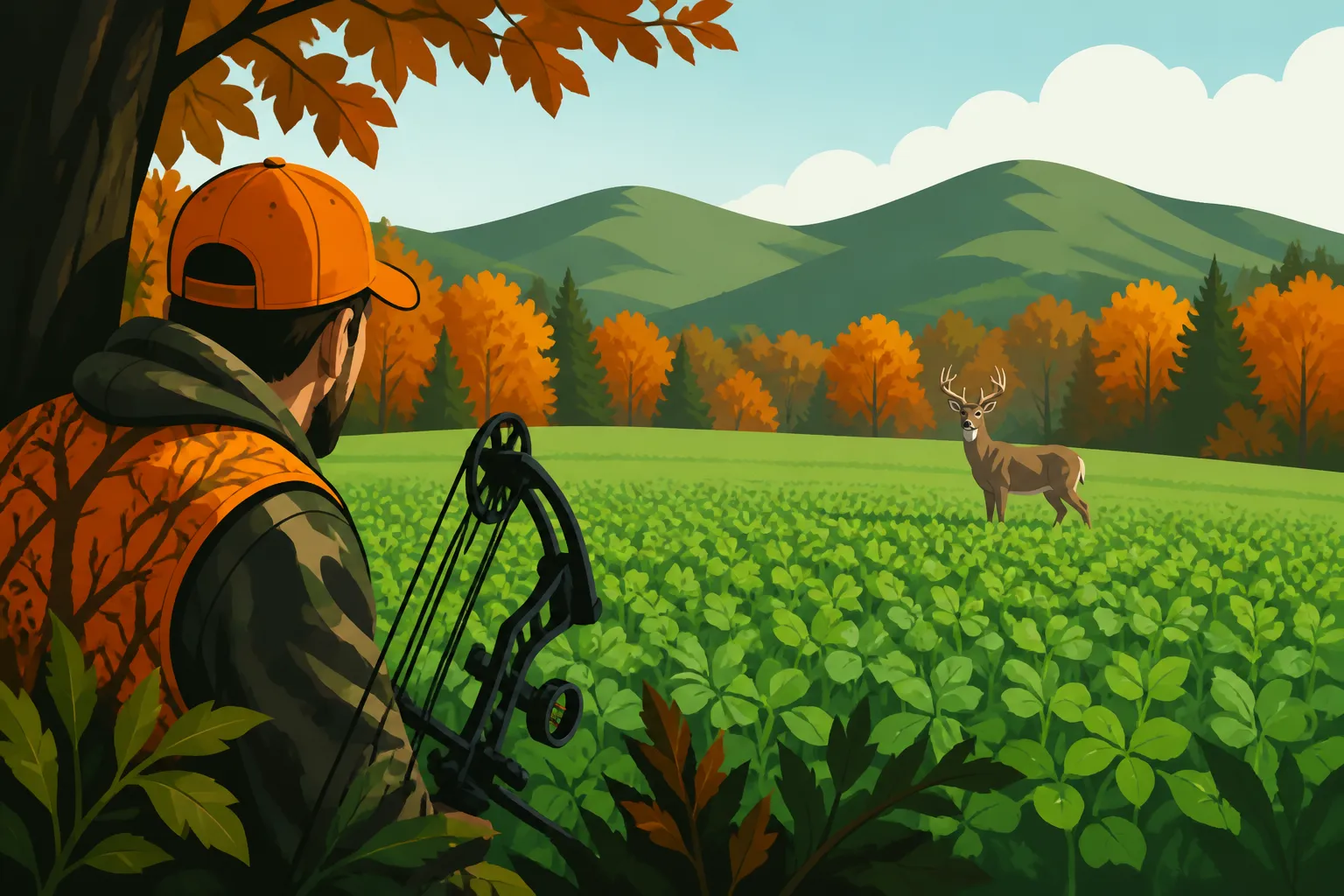
There's something incredibly appealing about a lush green field, whether it's a farmer's crop or a dedicated food plot, especially when the surrounding woods are starting to fade. For deer, these planted areas are like an all-you-can-eat buffet, offering high-quality forage that can be hard to come by elsewhere. For us hunters, it means a concentrated food source, which can be a game-changer when trying to pattern deer. Instead of guessing where they might be browsing, you have a pretty good idea of where they'll eventually show up.
What Makes a Green Field a Deer Magnet?
A green field, often referred to as a food plot, isn't just any patch of grass. These are areas specifically planted with crops designed to attract and nourish deer, and sometimes other wildlife. What makes them so irresistible? It really comes down to nutrition and palatability. As the natural browse in the woods starts to dry up or lose its nutritional value in the fall, these cultivated plots provide a consistent, high-energy food source that deer crave.
Think about it: in the early fall, natural browse is abundant, but as we push into late October and November, those succulent forbs and tender young shoots become scarcer. That's when green fields really shine. Common plantings in Vermont might include brassicas like kale, turnips, and rape, which become even sweeter and more attractive to deer after a few hard frosts. Clover, chicory, and winter wheat are also popular, offering protein-rich forage that helps deer pack on weight before the harsh Vermont winter. These aren't just snacks; they're vital fuel for deer to maintain their health, grow antlers, and prepare for breeding and cold weather. Understanding these late-season food sources for Vermont whitetails can be crucial for success.
Identifying Potential Green Field Locations
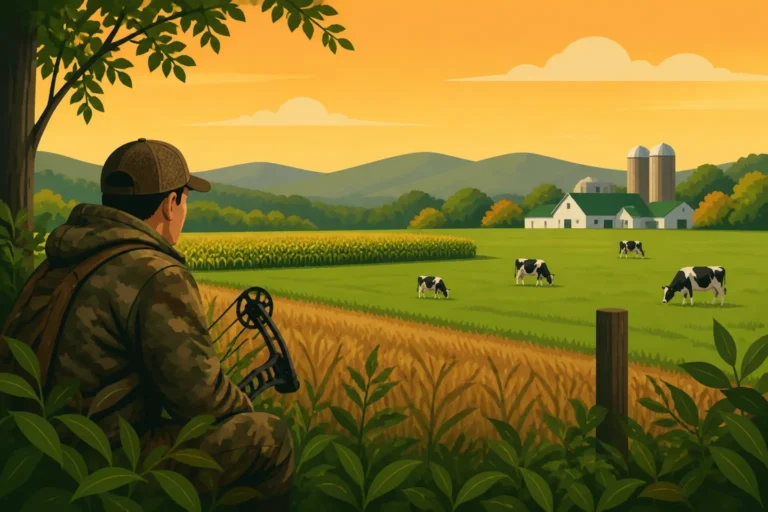
While many green fields are planted by private landowners or hunting clubs, you can sometimes find these gems or similar attractant situations on public lands, or at least adjacent to them. Vermont farmers, especially in the Champlain Valley, often plant winter wheat or rye as cover crops. These fields, though not designed as food plots, function very much the same way for deer, providing excellent forage throughout the fall and into winter. You might also find old logging landings or clear-cuts on public land that have naturally regenerated with deer-preferred browse, acting like an impromptu green field.
The key is to use mapping tools. Programs like onX Hunt or even the Vermont Fish & Wildlife app can help you identify open agricultural areas, old logging roads, and even subtle changes in vegetation density that might indicate a prime feeding spot. Sometimes, these fields are tucked away, not obvious from the main road. Looking at aerial photos for Green Mountain deer, you can spot those tell-tale green rectangles or irregular patches that stand out from the surrounding timber. If you're using a tool like GoHunt, you can really dive into the satellite imagery to zoom in on these areas and even identify potential travel corridors leading to them. Don't just focus on obvious open fields; look for smaller plots or strips of winter crops bordering woodlots, which often provide deer with a sense of security while feeding.
Strategic Scouting and Stand Placement Around Green Fields
Finding a green field is only the first step. The real work begins with diligent scouting to understand how deer are using it and then strategically placing your stand to intercept them. Without careful observation, you might end up setting up in a spot that looks good on paper but doesn't align with actual deer movement.
Decoding Deer Movement Patterns
Deer are creatures of habit, especially when it comes to feeding, bedding, and travel. When you find a green field, your immediate goal is to figure out their entry and exit routes. Deer rarely just walk straight out into the middle of a field in broad daylight; they typically use the edges, natural funnels, and cover to feel safe. Look for well-worn trails leading into the field, especially those that come out of thicker bedding areas. These trails often become more defined closer to the field edge.
Consider the time of day deer are visiting. Are they feeding heavily at night, or are there signs of daytime activity? Trail cameras can be invaluable here. Place them on trails leading to the field, not right on the field edge itself, to capture deer entering and exiting. This helps minimize disturbance and gives you a more accurate picture of their patterns. Pay attention to how they use the wind, too. Deer almost always approach a food source with the wind in their favor, or at least quartering, to pick up any scent of danger. You might notice distinct trails on different sides of the field depending on the prevailing wind direction. Understanding how to read Vermont mud for fresh deer movement can provide critical clues about these patterns.
Optimal Stand Setup for Wind and Access
Once you've identified key entry and exit points and understand the general flow of deer movement, it's time to think about stand placement. This is where many hunts are won or lost. Your stand needs to be in a position that gives you a shot opportunity without alerting deer to your presence. This means considering both wind direction and your own access route.
First, never hunt a green field when your scent is blowing directly into where you expect the deer to approach or feed. Deer have an incredible sense of smell, and one whiff of human scent will send them scattering. You need to position your stand so your scent cone is blowing away from the deer's probable path. This often means having multiple stand locations around a single field to accommodate different wind directions. For instance, if the prevailing wind is out of the west, you might set up on the eastern side of the field, facing west, with your scent blowing back into open terrain or an area you know deer won't be approaching from. If the wind shifts to the north, you might need to move to a stand on the south side.
Second, your entry and exit routes are just as critical. You need to be able to get to and from your stand without spooking deer in the field or in their bedding areas. Use natural cover like creek bottoms, logging roads, or dense stands of conifers. Early morning hunts often mean entering in the dark and exiting in the dark, which minimizes disturbance. For evening hunts, getting into your stand well before deer start moving and staying until after dark is crucial. Sometimes, this means Hanging a Stand on a Champlain Valley Field Edge, where the transition from field to forest creates a natural ambush point. If you're on public land and want to be less conspicuous, consider Using a Ground Blind on Public Land brushed in effectively. Always think about how your presence impacts the deer's natural behavior.
| Factor | Consideration for Green Field Hunting | Why it Matters |
|---|---|---|
| Wind Direction | Always position downwind or crosswind. | Deer rely heavily on scent. One whiff of human odor will spoil your hunt. Multiple stand options for varying winds are ideal. |
| Entry/Exit | Use concealed routes, avoid disturbing bedding. | Spooking deer on the way in or out teaches them to avoid the area during hunting hours. Stealth is paramount. |
| Sun Position | Hunt with the sun at your back for visibility. | Early morning and late evening sun can create glare, making it hard to see. Position yourself for optimal light without silhouetting. |
| Cover | Utilize natural or artificial concealment. | Deer are highly alert in open areas. Your stand should offer enough cover to break up your outline without obstructing shooting lanes. |
| Time of Day | Primarily evening, but consider mornings for returning deer. | Deer typically move to feed in the evening. Mornings can be productive if deer are slowly returning to bedding from the field, but require very quiet entry. |
| Weather | Cold fronts, light rain, post-storm conditions. | Deer movement often increases before a cold front, during light rain, or immediately after a weather system passes. Use a Cold-Weather Sitting Strategy in the Northeast Kingdom if it's really chilly. |
Effective Hunting Strategies for Green Fields
Successfully hunting a green field isn't just about showing up. It requires patience, adaptability, and a keen understanding of deer behavior in relation to their food source. There are nuances that can make or break your hunt, from the specific time you choose to sit to how you manage your approach and exit.
Timing Your Hunt for Peak Activity
Deer activity around green fields often peaks during specific times of the day, usually early morning and late evening. However, the exact timing can vary depending on factors like hunting pressure, weather, and the rut. In the early season, when temperatures are warmer, deer might visit fields closer to dark. As the season progresses and temperatures drop, especially during a strong cold front, you might see deer in the fields earlier in the afternoon.
During the rut, which in Vermont generally peaks in early to mid-November, deer patterns around food plots can become a bit more unpredictable. Bucks might cruise the edges of fields looking for does, even in the middle of the day. Does, of course, are still hitting those food sources. This is when an all-day sit might pay off, particularly if you're Hunting the Rut in Early-to-Mid November. On the flip side, after a poor acorn year, green fields become even more critical, drawing deer in more consistently as natural mast crops are scarce. Your trail camera data is your best friend here, as it will reveal the precise times deer are most active in your specific field.
Mastering the Approach and Exit
One of the biggest mistakes hunters make when targeting green fields is spooking deer on their way to or from the stand. Deer are incredibly sensitive to disturbance, and if they associate your presence with the food source, they'll become nocturnal or simply abandon the field during hunting hours. Your approach and exit must be as silent and unseen as possible.
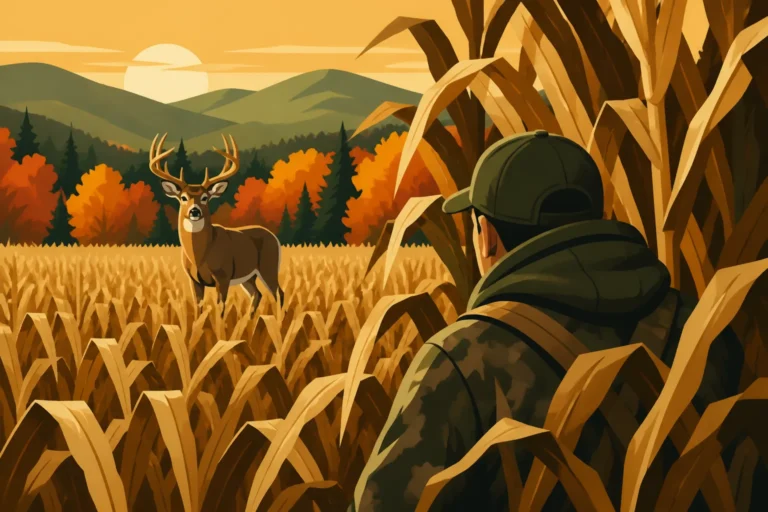
Before you even leave your vehicle, plan your route. Can you use a drainage ditch, a fenceline, or a strip of dense timber for cover? Is there a particular contour in the land that hides your silhouette? If you're hunting an evening sit, get into your stand at least an hour or two before deer are expected to arrive. This allows the woods to settle down and any minor disturbances you caused to dissipate. Remain in your stand until at least 30 minutes after legal shooting light, or even longer if deer are still in the field. Waiting until full dark, or waiting for deer to clear out, prevents you from bumping them and alerting them to your position. Sometimes, it means patiently watching a group of deer feed for an hour after dark before you can safely slip out. When you're ready to leave, move slowly and deliberately, using a high-quality headlamp if it's truly dark, but being mindful of how far the light casts. Consider Entry Routes Through a Cut Cornfield if that type of cover is available, as it can offer good concealment.
Overcoming Common Green Field Hunting Challenges
Even with the best intentions and meticulous scouting, hunting green fields isn't always a walk in the park. Vermont's diverse landscapes and hunting pressure can throw some curveballs. But with a bit of foresight and flexibility, you can adapt and increase your chances of success.
Dealing with Hunting Pressure
Vermont's public lands, while vast, can sometimes see significant hunting pressure, especially in easily accessible areas or around popular food sources. A green field that looks promising could quickly become a nocturnal feeding ground if too many hunters are pushing deer around it. Deer are incredibly smart and will adapt to pressure, often holding tight in dense bedding cover during the day and only venturing out after dark.
If you suspect a green field is getting too much attention, don't give up on it entirely. Instead, change your strategy. Instead of setting up right on the field edge, back off 100-200 yards into the timber along a known travel corridor leading to the field. Deer that are pressured will often stage in these transition zones, waiting for dusk to deepen before committing to the open field. This "staging area" approach can be incredibly effective. Also, look for less obvious, smaller green fields or natural clearings that might be overlooked by other hunters. Sometimes, Hunting a Funnel Between Two Woodlots that lead to a smaller, less-pressured food source can be the ticket. Remember, hunting pressure on Vermont public land is a real factor, so creative solutions are often necessary.
Adapting to Changing Conditions
Vermont weather is notoriously unpredictable, and conditions can change rapidly, impacting deer behavior and your hunting strategy. A sudden warm spell, heavy rain, or a significant cold snap can all influence when and how deer use a green field. For example, a warm, drizzly day might make deer hesitant to move much, whereas a crisp, cold morning after a hard frost can kickstart their feeding activity.
Stay flexible. If a strong wind picks up, swirling around your stand, don't be afraid to move to another setup or even sit out the hunt if conditions are truly unfavorable. If it's raining heavily, deer might still move, but perhaps earlier in the day when the rain is lighter. Pay attention to how wind and thermals in steep Green Mountain terrain might affect your scent control, as these micro-weather patterns can be tricky. Also, consider the progression of the season. As winter approaches and snow begins to fall, deer will become even more dependent on readily available food sources. They'll also shift their patterns to be closer to thermal cover and deer wintering yards explained by Fish & Wildlife. Be prepared to adapt your gear too, especially if you're hunting into the December muzzleloader close, which can bring very cold temperatures.
Disclaimer
Hunting is an inherently dangerous activity. Always prioritize safety, understand and follow all Vermont Fish & Wildlife Department regulations, and complete a certified hunter education course before heading afield. This guide provides general information and should not replace professional guidance or personal due diligence.