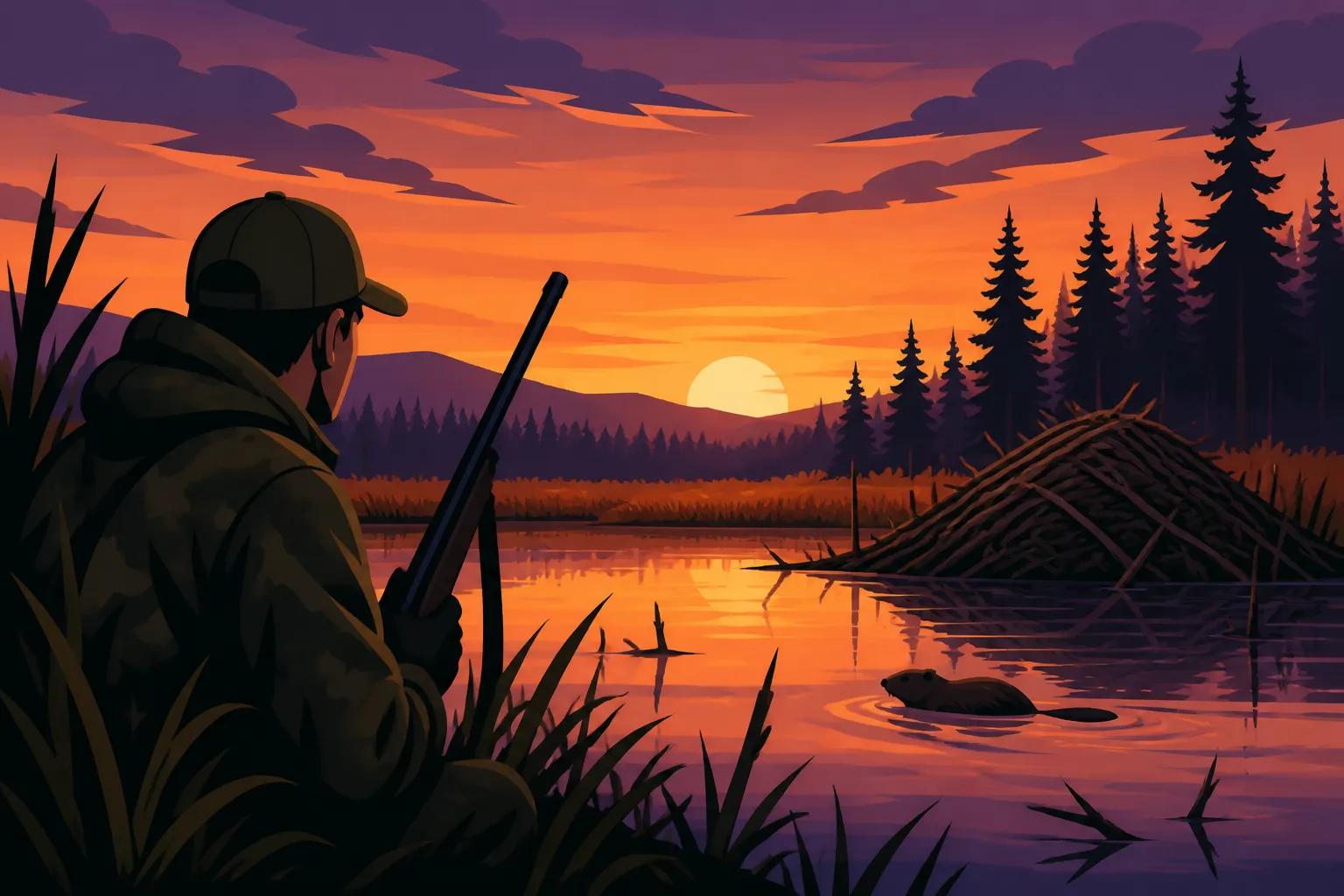
Hunting a Beaver Flowage Edge at Dusk
There's nothing quite like that last hour of light in the Vermont woods. The woods begin to settle, the air cools, and you feel the shift, knowing that deer are about to start moving. But if you've ever spent countless evenings staring into the dimming timber, hoping for a glimpse of antlers or even a doe, you know the frustration when nothing materializes. It can feel like pure luck, or just a waste of time. However, when you target a specific, high-traffic area, like the edge of a beaver flowage at dusk, your odds dramatically improve. This guide will walk you through precisely how to identify, scout, and effectively hunt these unique Vermont hotspots when the day draws to a close, turning those quiet evenings into successful hunts.
Understanding the Beaver Flowage Ecosystem for Deer
Beaver flowages, those beautiful, wild wetlands created by industrious beavers, are absolute magnets for deer, especially as evening approaches in Vermont. They offer a unique blend of resources that deer find irresistible, making their edges prime real estate for a dusk sit. It's not just about the water; it's the entire ecosystem that flourishes around these watery expanses.
Why Deer are Drawn to Flowages: Food, Water, and Cover
Think about what a deer needs to thrive: food, water, and security. Beaver flowages deliver all three in spades. First, the disruption of the natural water flow by beaver dams creates an incredibly diverse botanical buffet. You'll often find succulent aquatic vegetation, young woody browse that springs up in disturbed areas, and tender shoots along the muddy banks. These are prime Late-Season Food Sources for Vermont Whitetails, but they're important all year. As the beavers clear trees, new growth proliferates, offering a constant supply of fresh forage. Deer will often graze along these edges, taking advantage of the rich, moist soil that supports tender plants.
Secondly, and perhaps most obviously, there's the water itself. Deer need to drink, and a beaver flowage provides a reliable, accessible water source. They'll often visit these spots in the late afternoon for a final drink before heading to their primary feeding grounds or bedding areas. This makes the transition zone between water and uplands a critical travel corridor. Finally, the tangled mess of downed trees, thick alders, and dense cattails that often characterize a flowage edge offers incredible bedding cover. It's difficult for predators to navigate, provides excellent thermal protection, and gives deer a sense of security. They can bed down in these thickets during the day and simply filter out to the edges as evening falls, already in their comfort zone.
Reading the Landscape: Identifying Key Features for Deer Movement
A beaver flowage isn't just one big blob of water; it's a complex network of features that funnel deer movement. To hunt these areas effectively, you need to become a detective, Reading Vermont Mud for Fresh Deer Movement and interpreting the subtle cues the land provides. Look for pinch points where deer are forced to travel a narrow strip of dry land between water and a steep bank or dense woods. These are natural funnels. Identify well-worn trails that skirt the edge of the water or cross old, submerged beaver dams that create a land bridge. These "crossings" are invaluable.
Also, pay attention to upland access points. Where does higher ground meet the wetland? Are there old logging roads, subtle rises, or even distinct timber changes that act as natural travel corridors from bedding areas deeper in the woods? A tool like GoHunt's mapping features can be incredibly helpful here, allowing you to identify these elevation changes and potential travel routes before you even step foot in the woods. You might also find islands or small humps within the flowage that offer bedding for a buck wanting to keep a watchful eye, creating distinct travel patterns to and from these secure spots.
Timing is Everything: How Deer Use Flowages as Dusk Approaches
Deer, like most creatures, are creatures of habit. As dusk approaches, there's a predictable shift in their behavior. They transition from bedding to feeding. For a beaver flowage, this means deer often emerge from the dense cover surrounding the water, or from deeper bedding areas, to browse along the edges, drink, and stage before moving to more open feeding areas, if there are any. This crepuscular activity means that the last 60-90 minutes of daylight are absolutely crucial.
They'll feel safer in the dimming light, bolder about stepping out into more exposed areas to graze. The cooler temperatures also encourage movement. Your goal is to intercept them during this critical transition period. This isn't usually the spot where deer will spend hours feeding, but rather a pit stop, a brief window of opportunity where they are relaxed and moving purposefully. Understanding this timing is paramount to selecting your stand location and knowing precisely when to be in place.
Strategic Scouting for Evening Success
You can't just stumble into a beaver flowage and expect success. Effective hunting, especially for those precious few minutes at dusk, requires diligent scouting. You need to know where the deer are coming from, where they're going, and how they’re using that specific stretch of water and timber. This isn't a one-and-done affair; it's an ongoing process of observation and adjustment.
Pre-Season Reconnaissance: Maps, Boots on the Ground, Trail Cameras
Before the season even kicks off, your scouting should begin from your couch. Start with detailed topographic maps and aerial imagery, perhaps using an app like GoHunt. Look for the distinct outlines of beaver ponds and flowages, then examine the surrounding terrain. Are there dense softwood thickets nearby that could serve as bedding? Are there connecting ridges or drainages that lead to known feeding areas? Identify potential entry and exit routes that will allow you to approach and leave your stand silently and undetected. This digital scouting is a fantastic way to narrow down your focus areas.
Once you have a few promising spots, it’s time to get Scouting Vermont Public Land Before Season with boots on the ground. Walk the edges of the flowage, looking for old trails, rub lines, and historical sign. Don't be afraid to get a little wet and muddy; that's where the sign often is. This is also the perfect time to deploy trail cameras. Place them on well-used trails leading to the flowage, or even on the edge itself, facing a known crossing or choke point. These cameras will confirm deer presence, identify patterns of movement, and give you an idea of the quality of deer in the area, particularly those dominant bucks that might frequent the edges at last light. Remember to check local regulations regarding trail camera placement on public land.
Interpreting Fresh Sign: Tracks, Droppings, Rubs, and Scrapes
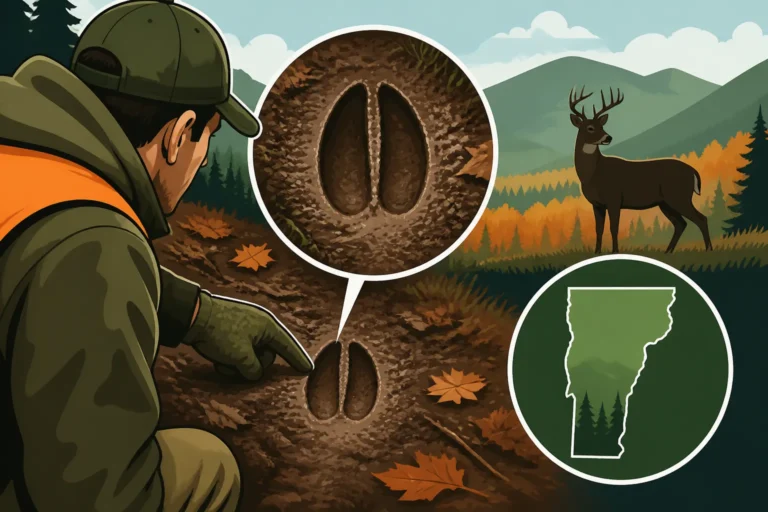
When you're walking the perimeter, keep your eyes peeled for fresh sign. The damp, soft earth around a beaver flowage is a perfect canvas for deer tracks. Look for fresh, crisp tracks, especially larger ones, indicating a buck. Determine the direction of travel to understand how deer are entering and exiting the area. Also, pay close attention to droppings. Fresh droppings, particularly in piles, signal recent activity. The type of browse in the droppings can also tell you what they're currently feeding on.
During the rut, you'll want to find rubs and scrapes. Rubs are where bucks rub their antlers on trees, often to mark territory or to strip velvet. Scrapes, patches of bare earth pawed by deer and often urinated in, are scent communication hubs. While a single scrape might be incidental, a "scrape line along a logging road" or the edge of a flowage indicates a travel corridor that bucks are actively using. The freshest sign, especially closer to the actual water's edge, suggests a high-traffic area during the evening hours. Don't just look for any sign; look for fresh sign that indicates current activity.
Wind and Thermals: Crucial Considerations in Varied Terrain
Hunting a beaver flowage, especially at dusk, means dealing with complex air currents. In Vermont's often rugged terrain, Wind and Thermals in Steep Green Mountain Terrain play a massive role in whether your hunt will be a success or a bust. As the sun sets, the ground cools, and air begins to flow downhill. This "thermal drain" effect can cause your scent to drop into the flowage or carry down a drainage, potentially alerting deer before they ever come into view.
You need to position your stand or blind so that your scent cone is carried away from where you expect deer to approach or cross. This often means being higher than the immediate travel corridors or on a downwind side of the prevailing evening breeze. Observe the wind direction carefully, not just at ground level but also how it might be influenced by topography. A simple milkweed pod or a puff bottle can help you visualize subtle air currents. Never compromise on wind. If the wind isn't right for your chosen spot, move to an alternative location, even if it feels less ideal, because a busted hunt due to scent is far worse than no hunt at all.
| Factor | Daytime Wind Effect | Dusk Thermal Effect | Strategy |
|---|---|---|---|
| Wind | Typically follows prevailing atmospheric currents. | Can be influenced by cooling terrain, often dropping. | Position downwind of expected deer travel. |
| Thermals | Warm air rises from valleys and low spots. | Cold air sinks into valleys and low spots (thermal drain). | Position high enough for scent to rise, or on downwind side of drain. |
| Scent Cone | Carried horizontally by wind, rising with thermals. | Drops with cooling air, clinging to low ground. | Stay above or to the side of expected deer entry points. |
| Stand Height | Can be lower if prevailing wind is consistent. | Higher stands help your scent rise above dropping thermals. | Consider a higher vantage point for evening hunts. |
Setting Up Your Stand for the Dusk Hunt
Once you've done your homework and identified prime locations along the beaver flowage edge, it's time to think about where you'll actually be sitting. This isn't just about finding a tree; it's about minimizing your impact, maximizing your visibility, and creating an ethical shot opportunity. Your setup can make or break an evening hunt.
Choosing the Right Access and Exit Route: Minimizing Disturbance
This is often overlooked, but it's critically important. Your approach and departure from your stand location can either seal your success or warn every deer in the vicinity that something is amiss. When hunting a beaver flowage edge at dusk, deer are already on high alert, emerging from cover. Any disturbance will send them scurrying. Plan your Entry Routes Through a Cut Cornfield or, in this case, a dense section of timber or an old logging road, that is as quiet and as scent-free as possible.
Walk slowly, picking your steps. Avoid areas with noisy leaves or crunchy debris. If possible, use natural features like ditches, thick vegetation, or even the water's edge (if you can move silently) to mask your approach. The goal is to be in your stand at least an hour, preferably two, before deer begin to move confidently. The same applies to your exit. After the shot, or after legal shooting light, take your time. If you bump deer on your way out, you're educating them and making future hunts harder. Consider waiting until complete darkness before climbing down, allowing deer to settle back into their routines.
Optimal Stand Placement: Cover, Shooting Lanes, and Wind
Your stand placement is a delicate balance. You need enough cover to break up your silhouette, clear shooting lanes for an ethical shot, and absolute adherence to the wind direction. For a beaver flowage, look for a mature tree that offers a commanding view of the flowage edge, the potential travel corridors, and any pinch points you identified. Ensure there's a good backdrop of dense branches or foliage to hide your outline. You don't want to be silhouetted against the sky.
Trim shooting lanes before the season, well in advance, to avoid making noise and leaving fresh scent right before your hunt. Consider shots not just directly in front of you, but also to your sides and even slightly behind you if a trail loops around. Position yourself for a shot at the typical distances deer will be moving—often within 20-30 yards along the edge. Remember what we talked about with wind and thermals; your stand must be positioned where the prevailing evening wind will carry your scent away from where deer are likely to approach. If it’s a tricky setup, consider setting up a second stand for different wind directions, especially if you plan on Hunting Vermont's New Archery-Rifle Overlap during a volatile weather pattern.
Ground Blinds vs. Treestands: Pros and Cons for Flowage Edges
The choice between a ground blind and a treestand depends on the specific flowage, cover availability, and your personal hunting style.
Treestands are often the preferred choice for hunting over open or semi-open areas like flowage edges.
- Pros: They offer a superior vantage point, allowing you to see over low vegetation and giving you more visibility into the flowage itself or across short distances. Being elevated also helps immensely with scent control, getting your scent stream above the primary deer travel routes, especially when fighting those dropping evening thermals. They also provide a sense of security from curious deer or other wildlife.
- Cons: Placement can be limited to suitable trees, and setting them up quietly can be a challenge. They also require a certain level of comfort with heights and safety harnesses. If you plan on Hanging a Stand on a Champlain Valley Field Edge, many of the same considerations apply to a flowage edge.
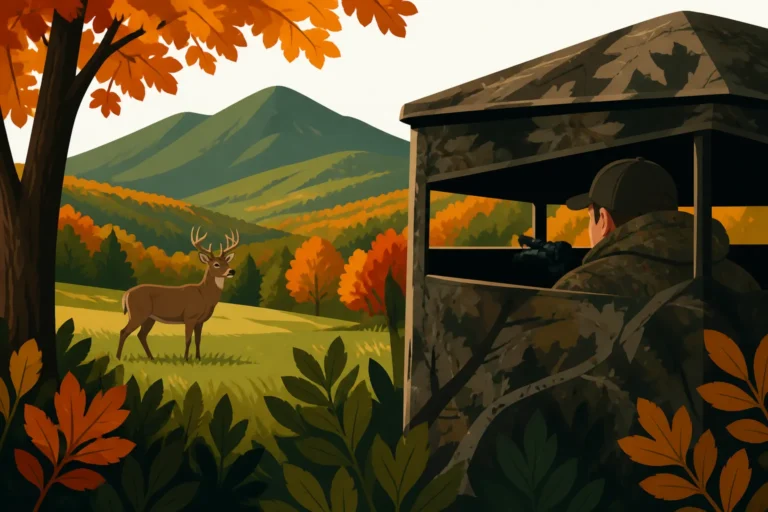
Ground Blinds can be incredibly effective, particularly if suitable trees are scarce or if you prefer a more concealed, warmer setup.
- Pros: They offer excellent concealment, warmth, and protection from the elements. They're also more forgiving if you need to fidget or move around a bit. They are fantastic for Using a Ground Blind on Public Land where permanent tree stands might not be allowed or practical.
- Cons: You're at ground level, which significantly limits your visibility, especially into thick cover or over tall reeds common in flowages. Scent control becomes a much greater challenge as your scent is directly at deer level. They also require diligent brushing in (e.g., Brushing In a Blind on a Field Edge) to blend naturally into the surroundings, which takes time and effort.
Ultimately, scout the specific spot and choose what works best for concealment, scent control, and shot opportunity.
Execute the Dusk Hunt: Tactics and Patience
You've scouted, you've set up, now comes the moment of truth: the actual hunt. Hunting a beaver flowage edge at dusk requires patience, meticulous attention to detail, and knowing how to react when deer finally appear in the fading light.
When to Arrive and How Long to Stay: Capitalizing on Peak Movement
This isn't a sit-all-day scenario unless you're combining it with a morning hunt. For a dusk hunt on a beaver flowage, timing your arrival is crucial. You want to be settled in your stand or blind well before deer start to move, typically at least 1.5 to 2 hours before legal shooting light ends. This allows the woods to settle down after your entry and gives any deer that might have been spooked a chance to relax. Rushing in at the last minute is almost guaranteed to blow your chances.
Once you're in, commit to staying until the very end of legal shooting light, and often, even a little longer if you're not planning to shoot. Deer movement frequently peaks in those last 15-30 minutes, or even in the first few minutes after legal light. Don't pack up early because it seems quiet; that's exactly when a big buck might step out. True commitment means sitting through the quiet periods, trusting your scouting, and being ready when the opportunity arises. Often, the best bucks wait until the shadows are long and deep before making an appearance.
Calling and Decoying Considerations: Attracting Deer in Low Light
In the dimming light of dusk, visual cues become less effective, but auditory cues can still play a role. Using calls can sometimes entice a curious deer closer, especially if they're moving through dense cover and haven't pinpointed your location. A soft doe bleat or a few quiet grunts might pique a buck's interest, making him pause or change direction slightly to investigate. However, in low light, caution is key; over-calling can spook deer just as easily as it can attract them. Keep calls subtle and realistic.
Decoys are generally less effective for a late evening sit, as they rely heavily on visual appeal, which diminishes rapidly as light fades. A well-placed decoy might work if you know deer are going to be in an open area for a longer period, but for quick appearances at a flowage edge, the risk of a deer seeing it too late and reacting negatively might outweigh the benefit. Focus more on scent control and quiet movement. The best strategy is often to be a silent, invisible observer, letting the deer come to you naturally.
Post-Shot Recovery in a Wet Environment: Challenges and Best Practices
So, you've made a great shot on a deer at last light near a beaver flowage. Congratulations! Now comes the critical part: recovery. A wet environment presents unique challenges compared to a dry forest floor. Blood trails can be harder to follow in mud, water, or dense vegetation.
First and foremost, give the deer time. Even if you're confident in your shot, especially in low light, waiting is almost always the best option. A deer that runs off with a fatal wound but isn't immediately pressured is more likely to bed down and expire quickly. Pressuring it too soon can make it run farther and make recovery much harder. For a dusk shot, it's often wise to wait several hours, or even until morning, especially if the temperatures are cool.
When you do begin tracking, use a powerful headlamp and mark the last confirmed blood with flagging tape as you go. Look not just for blood, but for disturbed vegetation, broken branches, or even deer hair. If the trail leads into water, note where it entered and search the opposite bank diligently for exit signs. Sometimes, a deer will cross a small stream and exit on the other side. If you lose the trail, use an expanding search pattern. If you're still having trouble, consider bringing in a tracking dog if permitted in Vermont, or enlist experienced friends to help with the search. Recovering a deer from a steep ravine or a dense swamp requires teamwork and persistence. Remember, the goal is always an ethical recovery, so be prepared for the extra effort a wet flowage might demand.
Disclaimer
The information provided in this guide is for informational purposes only and is not intended as legal advice. Hunting regulations and seasons in Vermont can change, and it is the hunter's responsibility to review and comply with all current Vermont Fish & Wildlife Department laws and regulations. Always prioritize safety, ethical hunting practices, and respect for wildlife and private landowners.