Vermont’s CWD Prevention Rules
It’s a natural worry for any hunter who loves the Vermont woods: what if something threatens the very deer, moose, and elk we cherish? Chronic Wasting Disease (CWD) is a specter that hangs over the hunting community, a devastating neurological disease that can decimate herds and fundamentally change our traditions. This comprehensive guide will walk you through Vermont's robust CWD prevention rules, explaining why they're in place and how every hunter plays a crucial role in safeguarding our wildlife.
Understanding Chronic Wasting Disease CWD
When we talk about protecting Vermont’s incredible deer and moose populations, one of the most serious threats we face, even if it hasn’t arrived yet, is Chronic Wasting Disease. It’s a term that probably makes your ears perk up, and for good reason. CWD isn't just another illness; it's a silent, persistent killer that has already impacted deer herds in many other states, casting a long shadow over hunting seasons and wildlife management.
What CWD Is and Why It Matters
Chronic Wasting Disease is a fatal neurological disease that affects cervids – that’s deer, elk, moose, and even caribou. Unlike bacterial or viral infections, CWD is caused by abnormal proteins called prions. These prions essentially corrupt normal brain proteins, leading to a slow, progressive degeneration of the brain. Infected animals gradually lose weight, develop abnormal behaviors, drool excessively, and eventually die. It’s often described as a "zombie deer disease" in popular media, which, while sensational, does convey the grim reality of its effects. There's currently no vaccine and no cure, and it’s always fatal.
The impact of CWD extends far beyond just individual animals. Imagine entire regions where deer numbers plummet, where the once-vibrant woods become eerily quiet. It can devastate local deer populations, making it incredibly difficult for wildlife agencies to manage herds effectively. For hunters, it’s a heartbreaking prospect. Not only does it reduce hunting opportunities, but it also raises significant concerns about the health of the game meat. While there's no evidence CWD can spread to humans, health agencies like the Centers for Disease Control and Prevention (CDC) advise against eating meat from infected animals as a precaution. This uncertainty alone is enough to shake the confidence of even the most dedicated venison enthusiast. Our hunting heritage, passed down through generations, relies on healthy, abundant wildlife, and CWD directly threatens that legacy. The thought of losing the tradition of Vermont Deer Camp Traditions to a disease that we could have prevented is a powerful motivator for vigilance.
How CWD Spreads and Persists
One of the most insidious aspects of CWD is how easily it can spread and how long the prions can survive in the environment. It primarily spreads through direct animal-to-animal contact, often through saliva, urine, and feces. When a healthy deer interacts with an infected one, whether through nose-to-nose contact, sharing a water source, or even just sniffing a urine-soaked scrape line, the prions can be transmitted. This is why even seemingly innocent practices can inadvertently contribute to its spread.
Beyond direct contact, CWD prions are incredibly hardy. They can persist in the soil for years, even decades, resisting decomposition, heat, and many disinfectants. This means that an area where an infected animal once lived or died can remain a source of infection long after the animal is gone. Imagine a deer yard where many animals congregate during winter – if one deer is infected, the potential for widespread environmental contamination is enormous. The long incubation period is another challenge; an infected deer might appear perfectly healthy for months or even years while shedding prions into the environment, unknowingly spreading the disease. This silent spread makes early detection and aggressive prevention measures absolutely critical. It’s why states like Vermont are so dedicated to programs like Vermont's CWD Surveillance Program, constantly monitoring and adapting to keep this disease at bay.
Vermont's Proactive Stance Against CWD
Vermont has been at the forefront of CWD prevention, taking a proactive, rather than reactive, approach. We’ve watched, learned, and implemented measures based on the experiences of other states that have been less fortunate. It’s a testament to the dedication of the Vermont Fish and Wildlife Department and the hunting community that we’ve maintained our CWD-free status.
Early Detection and Surveillance Programs
The cornerstone of Vermont's CWD prevention strategy is its robust surveillance program. The state actively monitors for the disease through targeted testing of hunter-harvested deer. This isn't just a random act; it’s a strategic effort to gather samples from specific areas and during specific seasons that are most likely to detect the disease if it were present. During hunting seasons, particularly during the November Rifle Season and other popular deer seasons, specific check stations are designated where hunters can bring their harvested deer for sampling. This allows wildlife biologists to collect lymph node samples, which are then sent to specialized labs for analysis.
Think of it like a community health check-up for our deer herd. Every sample voluntarily or mandatorily submitted helps build a clearer picture of the health of Vermont’s White-Tailed Deer Across Vermont. This extensive testing helps us quickly identify any potential CWD presence, allowing the state to react swiftly and decisively. The proactive nature of these tests means that if CWD were to ever show up, we’d have the best possible chance of containing it before it becomes widespread. This vigilance is a major reason why Vermont Has Stayed CWD-Free for so long.
The Importance of a CWD-Free Status
Maintaining Vermont's CWD-free status is paramount for several reasons, and it goes right to the heart of what we love about hunting here. First and foremost, it protects the health of our deer, moose, and elk populations. A healthy herd is a productive herd, one that can sustain itself and provide excellent hunting opportunities year after year. Without the burden of CWD, our wildlife managers can focus on population dynamics, habitat improvement, and ensuring a balanced ecosystem.
Secondly, our CWD-free status safeguards Vermont's vibrant hunting heritage and outdoor recreation economy. Hunters are a significant economic driver in the state, from purchasing licenses and gear to staying in local lodges and eating at restaurants. If CWD were to take hold, it could deter hunters, impact tourism, and create a ripple effect through many local communities. Nobody wants to hunt in an area with a diseased deer population. This status also allows us to move harvested game freely within the state without the additional restrictions that are common in CWD-affected areas. For hunters who value the purity of their venison and the tradition of sharing it with family and friends, knowing that Vermont's herd is healthy provides immense peace of mind.
Carcass Import Restrictions Keeping CWD Out
One of the most critical defense lines in Vermont’s battle against CWD involves strict regulations on what parts of a cervid you can bring into the state from elsewhere. This isn't about making your life harder; it's about closing off the most common pathway for CWD prions to enter our pristine ecosystem. Many hunters travel to other states known for their big bucks or unique hunting opportunities, and it’s absolutely vital that they understand and adhere to these rules.
What You Can and Cannot Bring Into Vermont
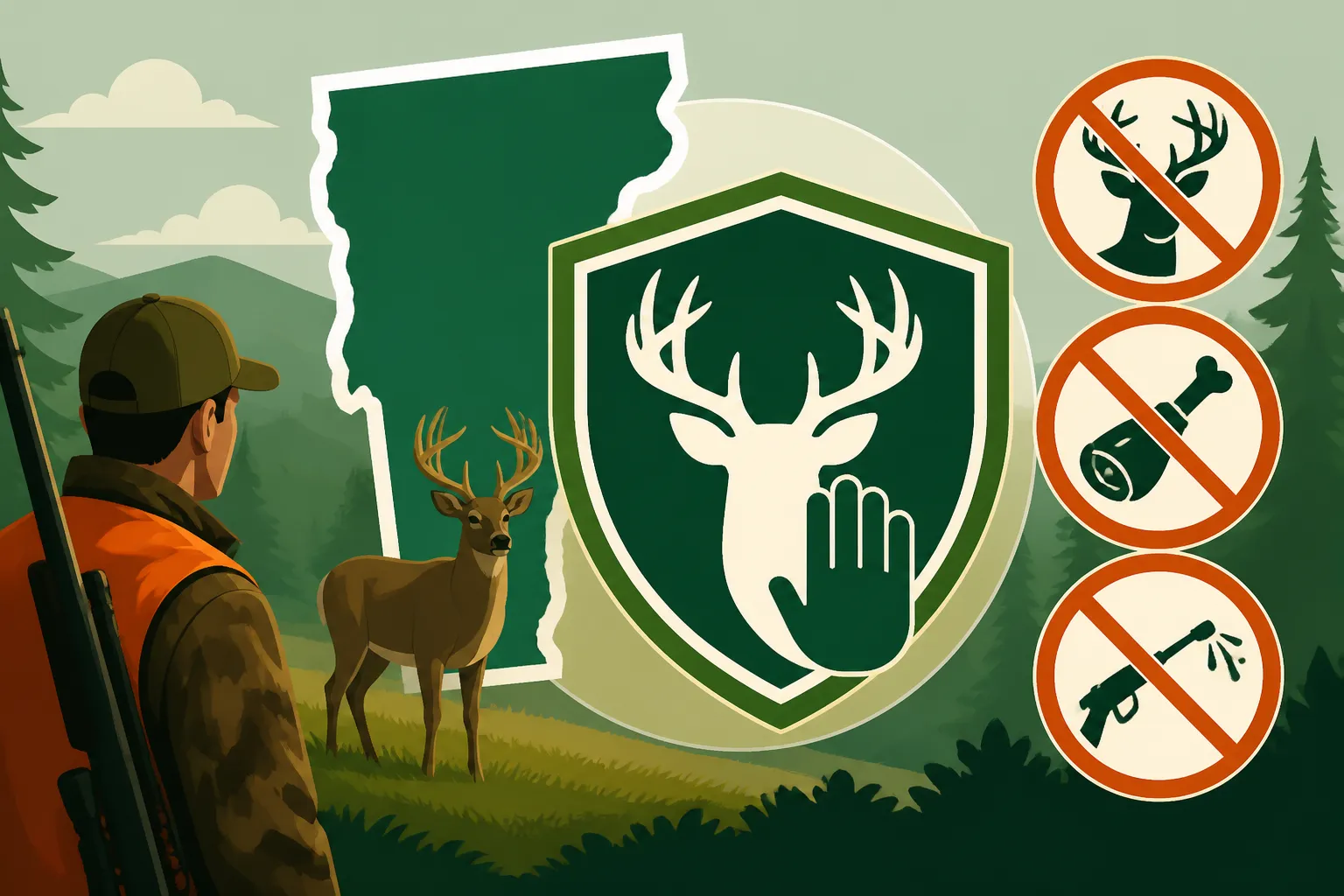
Vermont has clear, straightforward rules designed to prevent the importation of CWD-infected materials. The core principle is simple: avoid bringing in parts that are most likely to harbor CWD prions. These prions are concentrated in the brain, spinal cord, lymph nodes, and spleen of infected animals. Therefore, whole carcasses or parts containing these tissues are generally prohibited.
Here's a breakdown of what you can legally bring into Vermont from a cervid harvested outside the state:
- Deboned meat: Meat that has been completely separated from the bone, with no brain or spinal tissue attached.
- Cleaned skull plate or antlers: Antlers or skull plates that have been thoroughly cleaned of all brain matter and soft tissue. This means no flesh, no membrane – just bone.
- Hides: Untanned hides without the head attached.
- Finished taxidermy mounts: Already processed and treated mounts are generally considered safe.
- Teeth: Individual teeth, again, cleaned of any tissue.
And here's what you cannot bring into Vermont:
- Whole carcasses: No entire deer, moose, elk, or caribou.
- Heads: Unless it's a skull plate cleaned as described above.
- Spinal columns: No backbone or spinal cord.
- Brain tissue: This is a high-risk material.
- Lymph nodes, spleen: These are also high-risk tissues.
These rules, sometimes referred to as Vermont's Carcass Import Restrictions, are in place because even a small piece of infected tissue, if improperly disposed of, could introduce CWD prions into Vermont’s environment. It's a small inconvenience for a massive benefit: protecting our entire deer herd.
| Permitted Cervid Parts (from out-of-state) | Prohibited Cervid Parts (from out-of-state) |
|---|---|
| Deboned meat | Whole carcasses |
| Cleaned skull plates (no tissue) | Heads (unless cleaned skull plate) |
| Cleaned antlers (no tissue) | Spinal columns |
| Untanned hides (without head) | Brain tissue |
| Finished taxidermy mounts | Lymph nodes |
| Teeth | Spleen |
Practical Tips for Out-of-State Hunters
For those of us who venture out of Vermont to hunt, navigating these carcass import restrictions can seem like a logistical puzzle, but it's entirely manageable with a little planning. The key is to process your animal appropriately before you cross state lines.
- Field Dress Immediately: As soon as you harvest an animal in another state, perform thorough field dressing. While this doesn't remove all prohibited parts, it's the first step.
- Debone in the Field or at a Processor: The safest and easiest way to comply with Vermont's rules is to debone your animal in the field. Many hunters carry a good knife and game bags for this purpose. Alternatively, if you're hunting in a state with CWD, locate a reputable, certified processor who understands and complies with Vermont's import regulations. They can debone your meat and prepare skull plates or antlers properly. Websites like GoHunt might offer resources for finding such services in various states, or at least help you prepare your gear for this important step.
- Clean Skull Plates and Antlers Thoroughly: If you plan to bring home a trophy, ensure the skull plate is completely free of all brain tissue and other soft material. This often involves boiling or macerating the skull. Antlers must also be clean.
- Proper Disposal of Prohibited Parts: If you're processing in the field, you'll need to know the regulations for disposing of prohibited parts in the state where you hunted. Do not just leave them roadside or attempt to bring them into Vermont. Many CWD-affected states have specific disposal sites or guidelines.
- Know Before You Go: Before you even pack your bags, check the CWD status of the state you plan to hunt in, and specifically review Vermont's current regulations for Moving a Deer Carcass Into Vermont. Rules can change, and it’s always best to be informed. Making a mistake could result in fines, confiscation of your harvest, and, more importantly, put Vermont's deer herd at risk.
The Ban on Natural Deer Lures and Attractants
One of the most significant and sometimes debated rules in Vermont's CWD prevention arsenal is the ban on natural deer urine and other bodily fluid-based lures. For years, hunters have relied on these products, believing they offer an edge in attracting deer, especially during the rut. However, scientific understanding of CWD transmission has led to a necessary change in practice for the sake of our herd's health.
Why Urine-Based Lures Are Prohibited
The reason for Vermont's rule against urine-based deer lures stems directly from how CWD prions are shed and how they persist. As we discussed, CWD prions are present in the bodily fluids of infected cervids, including urine, saliva, and feces. Even if an animal appears healthy, it could be in the long incubation stage of CWD and still shedding these infectious prions. When you buy a bottle of "doe-in-estrus" urine, there’s no guarantee that the deer it came from was CWD-free, or that the collection and processing methods prevented cross-contamination.
Using these natural lures on your boots, on a mock scrape, or near your stand creates a direct point of potential transmission. It introduces a foreign bodily fluid into Vermont's environment, where it could be encountered by a curious local deer. If that fluid contains CWD prions, it could then infect a healthy animal or contaminate the soil, becoming a long-term source of infection. This is a risk Vermont simply isn't willing to take. The potential for a CWD-infected lure to introduce the disease to a pristine area far outweighs any perceived hunting advantage. This proactive measure, detailed in Vermont's Ban on Natural Deer Lures Explained, is a critical layer of defense, even if it feels restrictive to some hunters.
Legal Alternatives for Attracting Deer
While the ban on natural urine lures means adjusting some long-held hunting tactics, it doesn't leave you without options for attracting deer. Thankfully, the market has evolved, and there are many effective and legal alternatives that pose no CWD risk.
- Synthetic Lures and Scents: Science has made great strides in creating synthetic versions of deer scents. These lab-produced lures mimic the chemical compounds found in natural deer urine, glands, and estrus secretions without using any actual animal byproducts. Brands like Code Blue, Tink’s, and Wildlife Research Center all offer synthetic options that are widely available and legal in Vermont. They can be used on drag rags, wicks, or in mock scrapes just like their natural counterparts.
- Food-Based Attractants (with restrictions): While baiting for deer is generally restricted or prohibited in many hunting scenarios in Vermont, certain food-based attractants might be permissible under specific conditions or for scouting, depending on the season and Wildlife Management Unit (WMU). Always check the current Vermont hunting regulations carefully. For instance, minerals or salt blocks are legal for specific uses, but you must ensure you're not violating any baiting laws.
- Visual Attractants: Decoys can be incredibly effective, especially during the rut when bucks are looking for does or rivals. A realistic deer decoy, positioned correctly, can draw a buck in for a closer look, offering you a better shot opportunity.
- Calls and Rattling: Mastering deer vocalizations – grunts, bleats, and snorts – can be just as effective, if not more so, than scent lures. Similarly, rattling antlers together to simulate a buck fight can draw in curious or aggressive bucks, particularly during the peak of the rut. You can learn a lot about effective calling tactics from resources like Rattling and Grunting Vermont Bucks.
- Habitat Scouting and Knowledge: Ultimately, the best "attractant" is thorough scouting and understanding deer behavior. Knowing Late-Season Food Sources for Vermont Whitetails, identifying prime bedding areas, and understanding deer travel corridors through aerial maps (which GoHunt and other mapping apps excel at) will put you on deer more consistently than any lure ever could. Focusing on finding natural funnels, rubs, and scrape lines along a Logging Road will yield far more consistent results.
Mandatory CWD Testing and Reporting
Even with the strictest import rules and lure bans, ongoing surveillance is essential. Mandatory CWD testing, when implemented, serves as a crucial safeguard, offering a real-time snapshot of the herd's health. It’s a collective effort, and hunters are on the front lines, providing the samples that make this monitoring possible.
When and Where Testing is Required
Currently, Vermont does not have blanket mandatory CWD testing across the entire state for every deer harvested. However, the Vermont Fish and Wildlife Department does conduct intensive, targeted surveillance. This means that in specific areas, or during particular seasons, they might request or require samples from hunter-harvested deer. This strategy is highly effective, allowing the department to focus resources where potential risks might be highest, such as areas bordering states with CWD outbreaks (Vermont's Closest Confirmed CWD Case is in Quebec, requiring vigilance along the northern border) or areas with high deer densities.
Hunters are strongly encouraged to participate in voluntary testing programs, especially if they harvest a deer that appears sick or unusually emaciated. While mandatory zones haven't been widely established, the department reserves the right to implement them if a CWD detection were to occur. It's vital that hunters stay informed by checking the Vermont Fish and Wildlife Department's official website or their hunting guide each season for any updated information on mandatory testing areas or collection points. These collection points are often set up at specific check stations or game registration sites to make it as convenient as possible for hunters to submit samples. Knowing where to go and what to do is part of being a responsible hunter.
The Process of Submitting a Sample
If you find yourself in a situation where testing is requested or required, the process is generally straightforward and designed to be minimally intrusive to your harvested animal. The primary sample needed for CWD testing is the retropharyngeal lymph nodes, located in the throat region of the deer. Wildlife biologists or trained staff at designated collection sites will typically handle this.
Here’s a general idea of what to expect:
- Transport Your Deer: If a testing location is specified, transport your harvested deer, preferably with the head intact, to the designated collection site. These sites might be at official game check stations, regional offices, or even drop-off coolers during specific surveillance periods.
- Provide Information: You’ll likely be asked for your hunting license information, the date and location of the harvest, and contact details. This data is crucial for tracking purposes.
- Sample Collection: A trained technician will quickly and efficiently remove the necessary lymph nodes. This usually takes only a few minutes and does not significantly damage the carcass or meat. They know exactly Where Vermont Bucks Bed in Thick Cover, but also how to get a clean sample.
- Tagging and Tracking: The sample will be tagged with a unique identifier linked to your deer and submitted to a lab for analysis. You will typically be given a receipt or a way to check the results online once they are available.
- Meat Handling: After the sample is taken, you can proceed with processing your deer as usual. The CWD test results will typically be available within a few weeks. The state often handles a large volume of tests, so patience is appreciated. The overall process for reporting a deer, whether for CWD testing or just general harvest data, is streamlined, often leveraging options like Reporting a Deer Through Vermont's App.
Participating in this process, whether voluntarily or mandatorily, is a crucial act of stewardship. It’s how we, as hunters, directly contribute to the long-term health and sustainability of Vermont's magnificent deer herd.
Understanding Vermont's Broader Disease Monitoring
While CWD rightly receives a lot of attention due to its devastating nature, it's important to remember that Vermont's wildlife management extends to a much broader focus on herd health. CWD prevention is part of a larger, ongoing effort to monitor and respond to various diseases that could impact our cherished game species.
Surveillance for Other Wildlife Diseases
The Vermont Fish and Wildlife Department doesn’t just stop at CWD. They operate a comprehensive Vermont Deer and Moose Disease Monitoring program that keeps tabs on a range of other potential threats. This includes diseases like epizootic hemorrhagic disease (EHD) and bluetongue virus (BT), which, while not always fatal, can cause localized die-offs, especially in late summer or early fall. They also monitor for brain worm (Parelaphostrongylus tenuis), a parasite that affects moose and is typically harmless to deer but can be devastating to moose and other cervids.
Beyond deer and moose, surveillance extends to other species. For instance, they monitor for avian influenza in waterfowl, rabies in furbearers, and various health indicators in populations of Black Bears in Vermont and Wild Turkeys in Vermont. This holistic approach ensures that wildlife managers have a complete picture of animal health across the state, allowing them to make informed decisions about population management, habitat projects, and public health. This continuous surveillance is a quiet but critical component of keeping Vermont's outdoors healthy and vibrant for all.
How Hunters Contribute to Wildlife Health
Hunters are arguably the most important eyes and ears in the field when it comes to wildlife health. We spend countless hours in the woods, observing animals more closely than almost anyone else. This unique perspective makes us invaluable partners in disease monitoring and prevention.
- Report Sick or Unusual Animals: If you ever see a deer, moose, or any other wild animal exhibiting strange behavior, looking emaciated, or showing signs of illness (e.g., excessive drooling, stumbling, significant hair loss), it is crucial to report it immediately to the Vermont Fish and Wildlife Department. Don't assume someone else will. Your observation could be the key to early detection of a new disease outbreak.
- Follow Regulations Diligently: Every regulation, from carcass import restrictions to proper game registration (like the Vermont Deer Reporting Requirements), is designed with wildlife health in mind. By adhering to these rules, you're not just avoiding a fine; you're actively protecting the resource we all love.
- Participate in Surveys: Sometimes, the department will ask hunters to participate in surveys, such as collecting hunter effort data, or even specific biological samples beyond CWD testing. Your participation provides invaluable data that helps How Fish and Wildlife Counts the Deer Herd and other game species, allowing for better management decisions.
- Be a Steward: Take pride in being a responsible conservationist. Educate fellow hunters about the importance of these rules. The future of hunting in Vermont depends on a healthy ecosystem, and our collective actions are what will preserve it for generations to come. Your investment in a Vermont Hunting Licenses and What They Cost directly supports these vital conservation efforts.
Common Misconceptions and Hunter FAQs
Even with clear rules and intentions, misconceptions can arise, leading to frustration or doubt among hunters. It’s important to address these head-on and reiterate the collective benefit of Vermont’s CWD prevention strategies.
Addressing Concerns About Testing and Regulations
It's completely understandable for hunters to sometimes feel like regulations are piling up, or that the process of CWD testing is an added hassle. We spend our hard-earned time and money preparing for a hunt, and any additional step can feel like an inconvenience. You might hear questions like, "Is this really necessary if Vermont is CWD-free?" or "Does CWD testing affect the quality of my meat?" These are valid concerns that deserve thoughtful answers.
The truth is, while Vermont is currently CWD-free, the disease continues to spread in neighboring regions, making proactive measures not just necessary, but absolutely critical. Waiting until CWD is detected within our borders would be too late for effective containment. The regulations, though they might sometimes feel cumbersome, are truly our best defense. As for the meat quality, the sampling process for CWD is very precise and targets specific lymphatic tissues, not the muscle meat that we consume. The small incision made for the lymph node removal has no impact on the quality, safety, or usability of your venison. In fact, knowing that your deer has been tested and is CWD-free should increase your confidence and enjoyment of the meat. These rules are not about control; they are about preserving the very essence of our hunting heritage – healthy, wild game. The Vermont Hunter Education Requirements instilled in new hunters emphasize this stewardship, laying a foundation for understanding these complex issues.
The Future of CWD Prevention in Vermont
The fight against CWD isn't a one-time event; it's an ongoing commitment that evolves as new scientific information emerges and as the disease spreads or recedes in other areas. The future of CWD prevention in Vermont will likely involve continued vigilance, adaptability, and a strong partnership between the Vermont Fish and Wildlife Department and the hunting community.
Expect the department to continually review and potentially adjust its surveillance strategies, carcass import restrictions, and lure bans based on the latest research and any changes in the CWD landscape regionally or nationally. This might mean adjusting the intensity of testing in certain WMUs, or refining how samples are collected. It's a dynamic situation, and our regulations will need to remain flexible to be effective. For example, if new research shows a different mode of transmission, the rules might adapt. The commitment to maintaining our CWD-free status is unwavering, and every hunter's cooperation is paramount. By staying informed, following regulations, and actively participating in monitoring efforts, we collectively ensure that Vermont's wild deer herd remains healthy, and our cherished hunting traditions can continue for many generations to come.
Disclaimer
This guide is intended for informational purposes only and is not a substitute for the official regulations published by the Vermont Fish and Wildlife Department. Hunting laws and regulations can change, and it is the responsibility of every hunter to consult the most current official Vermont hunting regulations prior to hunting or importing any game.