Vermont’s Winter-Tick-Driven Moose Permit Strategy
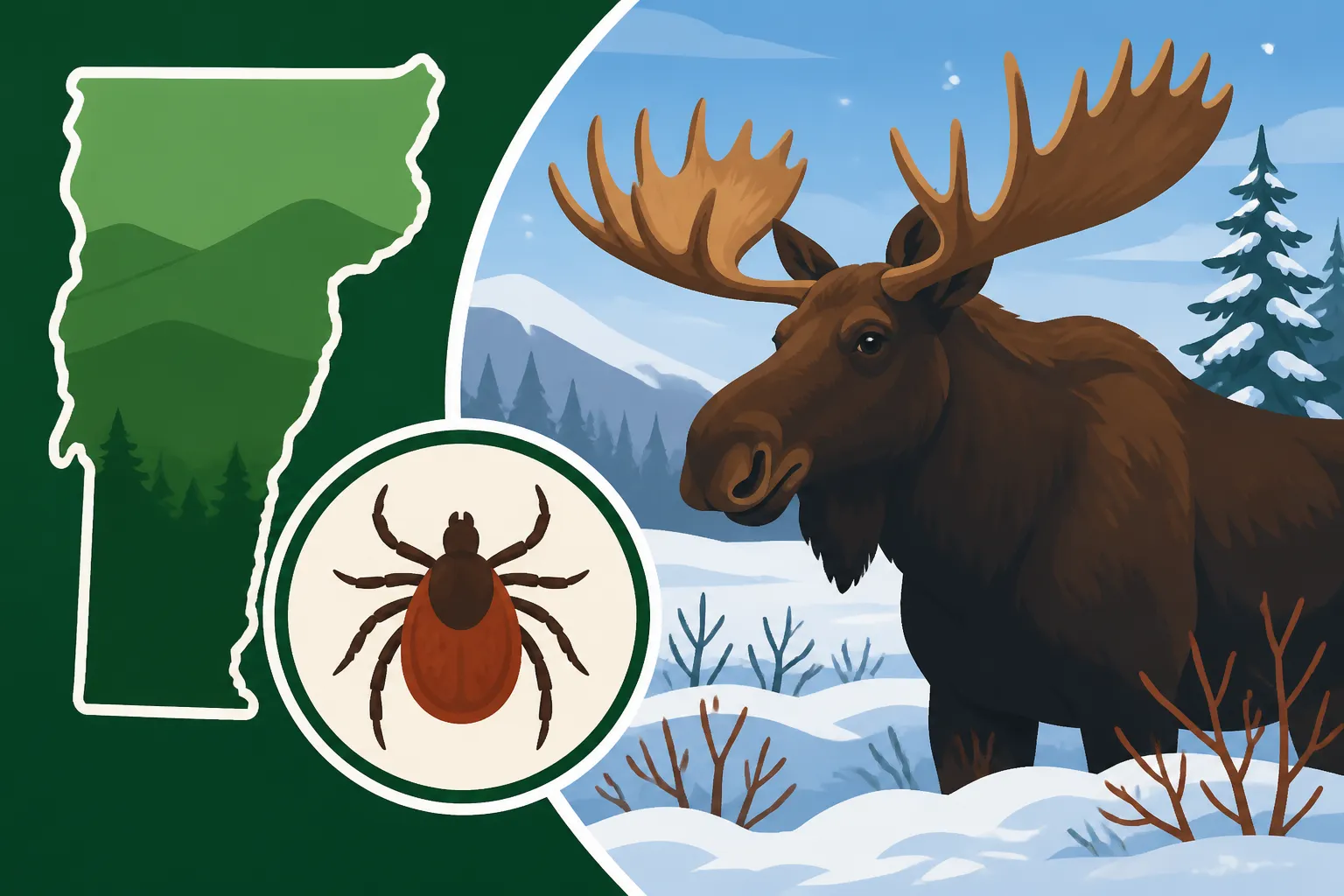
It’s a tough reality for anyone who loves Vermont’s wilderness: our majestic moose population is facing significant challenges, especially from the tiny but deadly winter tick. Many of us have seen the heartbreaking images or heard the stories of moose looking emaciated, their coats rubbed raw, struggling against the heavy parasitic load. This guide will delve deep into Vermont’s winter-tick-driven moose permit strategy, explaining how the state is working to manage the herd, what it means for hunters, and the crucial role conservation plays in these efforts.
Understanding the Threat: The Winter Tick Epidemic
The mention of "winter ticks" sends a shiver down the spine of any Vermonter concerned about our wildlife. These aren't your typical deer ticks or dog ticks; they pose a unique and severe threat to moose, particularly our younger animals, and they've profoundly influenced how Vermont manages its moose population and hunting permits. It's a complex ecological problem, and understanding its nuances is key to grasping the state's strategic approach.
The Life Cycle and Impact of Winter Ticks
Unlike other tick species that feed on multiple hosts throughout their life, the winter tick, Dermacentor albipictus, spends its entire life cycle on a single host. This "one-host tick" characteristic is what makes it so devastating for moose. Larvae hatch in the late summer and early fall, climbing vegetation to wait for a host. When a moose brushes by, potentially thousands of these tiny larvae attach, often in a single mass infestation. They then feed, molt into nymphs, feed again, and finally molt into adults, all while remaining on the same moose throughout the fall, winter, and into the spring.
Imagine carrying tens of thousands, or even over 100,000, ticks on your body for months on end. This massive blood loss leads to severe anemia, which weakens the moose and makes them vulnerable to other health issues, predation, and even hypothermia because their internal systems are compromised. Calves are especially susceptible; their smaller body mass means they can lose a much higher percentage of their blood volume, often succumbing to the tick burden before spring arrives. It’s a slow, debilitating process, and the sheer scale of the infestation is what makes it so lethal.
Symptoms of Infestation in Moose
When moose are heavily infested with winter ticks, the signs become tragically visible, leading to what many refer to as "ghost moose." The most obvious symptom is severe hair loss. To alleviate the intense itching caused by thousands of feeding ticks, moose will rub and scratch themselves against trees, rocks, and anything else they can find. This constant grooming breaks off their hair, particularly along their shoulders, neck, and flanks, leaving large patches of bare skin. This isn't just an aesthetic issue; their coarse winter coat is crucial for insulation in our frigid Vermont winters. Without it, moose struggle to regulate their body temperature, further exacerbating the effects of blood loss and malnutrition.
Beyond hair loss, infested moose often exhibit lethargy and a noticeable decline in body condition. They might appear gaunt, move slowly, and spend less time foraging, which is critical for building fat reserves to survive the winter. Calves, in particular, may seem disoriented or orphaned as their mothers struggle with their own health issues. While a healthy moose can typically tolerate a certain level of tick burden, the overwhelming numbers seen in recent years, particularly in areas of high moose density, push them past the brink of survival. Witnessing a ghost moose in the woods is a stark reminder of the immense pressure these animals are under.
Historical Context: When Ticks Became a Major Problem
While winter ticks have always been a part of the North American ecosystem, their impact on moose populations dramatically intensified in the late 1990s and early 2000s, coinciding with several factors. A warming climate in the Northeast is a significant player, leading to earlier springs and later, milder falls. This extended tick season gives the larvae more time to find a host and prolongs the period of feeding, leading to larger, more debilitating infestations on individual moose. Coupled with this, a robust moose population in Vermont had reached densities that made it easier for ticks to successfully find a host and for the cycle to perpetuate itself.
During the peak of Vermont's moose population in the early 2000s, when the herd was thriving and permits were more readily available, the tick problem was still present but not as dire. However, as the tick burden grew year after year, especially impacting calf survival, scientists and wildlife managers began to see a clear correlation between high moose density and increased tick-related mortality. The shift from an occasional issue to a major, population-limiting factor has fundamentally reshaped how states like Vermont approach moose management, moving towards strategies that prioritize herd health over sheer numbers. This historical context directly underpins Vermont's Winter-Tick-Driven Moose Permit Strategy, seeking to reduce density in affected areas.
Vermont's Moose Population: A Delicate Balance
Vermont's moose population has seen a fascinating journey over the past century, from near extirpation to a remarkable comeback, and now, to a period of careful management in the face of new threats. Understanding this historical trajectory and current status is essential to appreciating the state's conservation efforts.
Historical Trends and Peak Numbers
By the late 1800s, unregulated hunting and widespread habitat destruction from logging and agriculture had decimated Vermont's moose population, leaving them virtually absent from the landscape. It wasn't until the mid-20th century, with reforestation and improved wildlife management practices, that moose began to make a slow but steady return from neighboring states like New Hampshire and Maine. The numbers really started to climb in the 1980s and 1990s, reaching a peak in the early 2000s. At its height, Vermont's moose population was estimated to be around 5,000 animals, primarily concentrated in the vast, wild expanses of the Northeast Kingdom.
This period of abundance was thrilling for wildlife enthusiasts and hunters alike. Moose permits were more widely available, and the success rates were generally higher. It felt like a true conservation success story, with a majestic animal reclaiming its rightful place in the Green Mountain State. However, this success also inadvertently created conditions ripe for the current challenges, as high densities of moose provided ideal circumstances for parasites like the winter tick to thrive and spread with devastating efficiency. This boom-and-bust cycle is a common, though unfortunate, theme in wildlife management, where previous successes often lead to new, unforeseen problems.
Current Population Estimates and Distribution
Today, Vermont's moose population is significantly lower than its peak. The Vermont Fish and Wildlife Department estimates the current population to be closer to 2,000-2,500 animals. This decline is largely attributed to the severe impact of winter ticks, particularly on calf survival, and to a lesser extent, factors like brainworm and habitat changes. The distribution remains heaviest in the Northeast Kingdom, especially in the remote areas of Essex and Orleans counties, which offer the dense forests and wetlands moose prefer. You might also find smaller, more scattered populations in other mountainous regions, but these are generally less dense.
Wildlife biologists carefully monitor the population through aerial surveys, field observations, and hunter harvest data. The aim is to maintain a healthy, sustainable herd that can withstand environmental pressures. When you're Hunting a Drawn Moose Zone in the Northeast Kingdom, you're pursuing an animal in its primary stronghold, a testament to the region's wild character. However, even in these prime areas, the signs of tick-related stress on the population are evident, prompting the state to focus its management efforts where the tick burden is most acute. Understanding these population dynamics is crucial for any hunter hoping to draw a permit, as it directly influences where and how many permits are allocated.
The Link Between Density and Tick Impact
The direct correlation between moose density and the severity of winter tick infestations is a primary driver of Vermont's permit strategy. When moose numbers are high, especially in specific areas, the likelihood of tick larvae successfully finding a host increases dramatically. Think of it like this: if there are only a few moose scattered across a large forest, the chances of a tick larvae clump on a bush encountering a moose are relatively low. But if moose are abundant and frequently moving through the same patches of habitat, it becomes a literal tick buffet.
This higher encounter rate means individual moose are more likely to pick up a larger number of ticks, pushing them past their physiological tolerance threshold. Studies have shown that areas with high moose densities experience higher rates of severe tick infestation and, consequently, higher calf mortality. This creates a feedback loop: high moose density leads to more ticks, which leads to fewer calves surviving, eventually leading to a population decline. Vermont's strategy, therefore, focuses on reducing moose density in heavily impacted areas to break this cycle, giving the remaining moose a better chance to survive the tick burden and promoting a healthier herd overall. This targeted approach is a direct response to scientific evidence of this critical link.
The Permit Strategy: Adapting to Ecological Pressure
Facing the undeniable evidence of winter tick impact, the Vermont Fish and Wildlife Department had to make difficult but necessary decisions regarding moose hunting permits. Their strategy is a direct response to ecological pressures, aiming to stabilize and ultimately improve the long-term health of the moose population.
The Rationale Behind Reduced Permits
The most direct and effective way to reduce the impact of winter ticks, particularly in specific geographic areas, is to lower moose density. Fewer moose in a given area means fewer opportunities for tick larvae to find a host, which in turn means less severe infestations on the individual animals that remain. This scientific rationale underpins the dramatic reduction in moose permits over the past two decades. From hundreds of permits issued annually during the peak population, Vermont now issues a very limited number, sometimes as few as 85 permits statewide, as was the case for the 2024 season. This is a stark reminder of the challenges the herd faces.
This decision is not made lightly; it involves rigorous scientific analysis, population modeling, and careful consideration of public input. The goal isn't to eliminate moose hunting but to use it as a targeted management tool. By strategically reducing the herd in certain Wildlife Management Units (WMUs), particularly those in the Northeast Kingdom where tick issues are most pronounced, the department hopes to alleviate the stress on the remaining animals. It's a proactive measure designed to give the moose a fighting chance against a persistent and widespread parasite. While fewer permits mean fewer hunting opportunities, the long-term benefit is a more resilient and healthier moose population.
Targeted Harvest Areas and Objectives
Vermont's moose permit strategy isn't a blanket approach across the entire state. Instead, it’s highly localized and strategic, focusing on specific WMUs where moose density is highest and the winter tick impact is most severe. The Northeast Kingdom, particularly WMU E1 and E2, historically has the highest moose populations and consequently, the most acute tick problems. Therefore, the majority of permits, though few in number, are often allocated to these regions. The objective in these areas is clear: reduce the density of moose to decrease tick transmission and improve overall herd health and calf survival rates.
The Vermont Fish and Wildlife Department uses data from aerial surveys, hunter reports, and field observations to identify these critical areas. They also look at past harvest success rates and biological data collected from harvested moose, such as age and health indicators, to refine their objectives each year. For instance, the allocation might include a certain number of "any-moose" permits (for bulls or cows) and sometimes "antlerless-only" permits, depending on specific management goals for herd composition. This level of detail in planning is why applying for a moose permit can feel like a game of strategy, where understanding the unique challenges of each WMU, perhaps even through resources like GoHunt, can be beneficial. The targeted approach aims to achieve the greatest ecological benefit with the fewest permits necessary.
Monitoring and Adjusting the Strategy
Wildlife management is rarely a static process; it's an ongoing cycle of data collection, analysis, implementation, and adjustment. Vermont’s winter-tick-driven moose permit strategy is a prime example of this adaptive management. Each year, after the hunting season concludes, the Vermont Fish and Wildlife Department meticulously collects and analyzes data from harvested moose, including health status, age, and reproduction. They also conduct aerial surveys to estimate population numbers and distribution, along with ground observations to assess tick prevalence and calf survival rates.
This comprehensive monitoring allows biologists to evaluate the effectiveness of the previous year's permit allocation and make informed decisions for the next. If calf survival rates show improvement in a targeted WMU, it might suggest the density reduction strategy is working. Conversely, if tick-related mortality remains high, further adjustments might be necessary, potentially leading to even fewer permits or a shift in harvest locations. It's a constant balancing act, trying to alleviate the immediate pressure of ticks while also fostering the long-term recovery of the moose population. Hunters play a crucial role in this monitoring process by providing valuable data during the mandatory registration of their harvested moose, contributing directly to the ongoing conservation efforts.
Applying for a Moose Permit: The Lottery Process
Given the severely limited number of moose permits available, drawing one in Vermont is an achievement akin to winning a small lottery. The application process is designed to be fair, but understanding the details is crucial for anyone hoping to experience this once-in-a-lifetime hunt.
Eligibility and Application Requirements
First and foremost, to apply for a Vermont moose permit, you must be a legally licensed hunter. This means you need to possess a valid Vermont hunting license for the current year. For residents, this could be a base hunting license, while non-residents would need their specific non-resident hunting license. It's essential to check the Vermont Fish and Wildlife Department's official website well in advance to ensure you meet all the prerequisites and understand the current year's specific requirements. Remember, rules can sometimes change slightly from year to year, so always confirm.
Additionally, applicants must be at least 10 years old by the opening day of the moose season. While a 10-year-old can apply, they must hunt under the supervision of a licensed adult mentor, adhering to Vermont's mentored hunting program rules. The application itself typically involves paying a non-refundable application fee, which contributes to wildlife management and conservation efforts. Whether you're a seasoned hunter or a novice, ensuring all your paperwork is in order and submitted correctly and on time is the first critical step toward having a chance at a moose permit. Many hunters like to use platforms like GoHunt to keep track of application deadlines across different states, ensuring they don't miss out on these rare opportunities.
The Vermont Moose Lottery Application Process
The application for a Vermont moose permit is exclusively through an online lottery system, making it accessible to hunters across the state and beyond. The application period typically opens in the spring and runs for several weeks, often closing around early to mid-June. During this window, you log onto the Vermont Fish and Wildlife Department's licensing portal, navigate to the moose lottery section, and complete the application. You'll need to specify your choice of WMU (Wildlife Management Unit) from the available options. Some years might offer "any-moose" permits (bull or cow), while others might be exclusively antlerless, depending on the management objectives for that WMU.
A key feature of the Vermont moose lottery is the preference point system. For every year you apply and are unsuccessful in drawing a permit, you accumulate a preference point. These points increase your chances in subsequent years' drawings. It's not a guarantee, but it certainly helps. For example, if you have accumulated several preference points, your name might be entered into the draw multiple times, significantly improving your odds compared to someone with zero points. Many hunters commit to applying every year, even if they can't hunt, just to build up these points for a better chance in the future. The draw usually takes place in late June or early July, and successful applicants are typically notified shortly thereafter.
Understanding Draw Odds and Preference Points
The draw odds for a Vermont moose permit are notoriously low, a direct reflection of the limited number of permits available each year. With sometimes as few as 85 permits distributed across specific WMUs and thousands of applicants, it’s easy to feel discouraged. This is where the preference point system becomes incredibly valuable. As mentioned, for each year you apply and don't draw, you earn a point. The more points you have, the better your statistical chance of being drawn in a given year. These points accumulate year after year, but if you draw a permit, your points are reset to zero.
Hunters often spend years, even decades, building up preference points, understanding that this is a long-term strategy for a truly exceptional hunting experience. Resources like GoHunt can provide historical draw odds data, showing how many points successful applicants had in previous years for different WMUs, which can help inform your application strategy. Do you apply for a less competitive WMU, even if it's not your first choice, to increase your immediate odds? Or do you keep building points for that dream hunt in a prime Northeast Kingdom zone? These are the strategic questions hunters ponder when deciding Which WMU Vermont's 2026 Moose Permits Cover to apply for. It’s a waiting game, but a worthwhile one for many.
| Year | Total Moose Permits Issued | WMU E1 Permits | WMU E2 Permits | Other WMU Permits | Estimated Moose Population (approx.) |
|---|---|---|---|---|---|
| 2018 | 200 | 120 | 60 | 20 | 3000-3500 |
| 2019 | 150 | 90 | 45 | 15 | 2800-3200 |
| 2020 | 100 | 60 | 30 | 10 | 2500-3000 |
| 2021 | 85 | 50 | 25 | 10 | 2200-2700 |
| 2022 | 85 | 50 | 25 | 10 | 2000-2500 |
| 2023 | 85 | 50 | 25 | 10 | 2000-2500 |
| 2024 | 85 | 50 | 25 | 10 | 2000-2500 (projected) |
Note: Population estimates are approximate and based on VFWD data. Permit numbers can vary slightly each year based on specific management goals.
Hunting a Drawn Permit: Strategy and Ethics
For the fortunate few who draw a Vermont moose permit, the real work begins. This isn't just another deer hunt; it requires meticulous planning, an understanding of moose behavior, and a deep commitment to ethical hunting practices.
WMU-Specific Considerations for Moose Hunting
Once you've drawn a permit, your focus shifts to the specific Wildlife Management Unit you were allocated. Each WMU, especially those in the vast Northeast Kingdom, presents unique terrain, habitat types, and access challenges. Some areas might be characterized by dense softwood swamps and beaver flows, making travel arduous and requiring specific gear like chest waders. Others might feature extensive logging roads and regenerating clear-cuts, offering better visibility but also more human disturbance. Scouting, both physically on the ground and digitally using mapping tools, is paramount. You need to identify prime moose habitat—areas with abundant browse, water sources, and thick cover for bedding.
Understanding the typical behavior of moose in your chosen WMU is also critical. Are they predominantly nocturnal in areas with high pressure? Do they favor certain elevation bands during different parts of the season? Knowing where the best access points are, where private land boundaries lie, and where other hunters might concentrate their efforts can greatly influence your success. Many hunters find it useful to consult with local Vermont Fish and Wildlife wardens or biologists for insights specific to their WMU. Because these permits are so rare, taking the time for thorough pre-season preparation is non-negotiable.
Ethical Hunting Practices and Responsible Harvest
A moose hunt in Vermont is an immense privilege, and with that comes a profound responsibility to uphold the highest ethical standards. This means ensuring a clean, humane shot, being absolutely certain of your target, and respecting the animal at every stage. Given the size and resilience of a moose, shot placement is even more critical than with deer. Hunters must be proficient with their chosen firearm or bow and understand moose anatomy to ensure a swift, ethical harvest.
Beyond the shot, responsible harvest extends to diligent tracking and recovery. Moose can travel a surprising distance, even with a solid hit, and losing an animal is every hunter's worst nightmare. Therefore, waiting a sufficient amount of time after the shot, especially if you're unsure of the hit, and meticulously following the blood trail are crucial. Furthermore, the sheer size of a moose means you'll need a plan for field dressing and meat recovery. Having the right tools—sharp knives, a bone saw, game bags, and perhaps a pack frame or even a game cart—is essential. You might be several miles from the nearest road, and moving Packing Out a Vermont Moose requires significant effort and forethought. This commitment to ethical practice is a cornerstone of our hunting heritage.
Field Dressing and Recovery Challenges
Successfully harvesting a moose is just the beginning of a monumental task. The reality of Field Dressing a Moose in the Northeast Kingdom or any remote Vermont location is a physically demanding and time-sensitive endeavor. An adult bull moose can weigh upwards of 1,000 to 1,200 pounds, making it virtually impossible for one person, or even a small team, to drag out intact. This means quartering the animal in the field, often miles from the nearest road or ATV trail.
The challenges are numerous: rugged terrain, potentially steep ravines, and the ever-present threat of changing weather. You need to be prepared with a sharp, heavy-duty knife, a bone saw, and sturdy game bags to protect the meat from flies and dirt. Having a partner or a team is highly recommended, not just for the physical labor but also for safety. Proper hygiene during field dressing is crucial to preserve the quality of the meat. Once quartered, each piece, especially the hindquarters, can still weigh well over 100 pounds. Specialized pack frames designed for heavy loads or game carts (where terrain allows) become invaluable. Many hunters choose to backpack out the meat over several trips, making base camp selection and logistics a critical part of the plan. This arduous recovery process is a true test of grit and preparedness, underscoring the demanding nature of moose hunting in Vermont.
Beyond the Hunt: Ongoing Conservation Efforts
The moose permit strategy isn't just about hunting; it's part of a much larger, ongoing commitment to moose conservation in Vermont. The state, along with various partners and hunters, is actively engaged in efforts to understand, protect, and manage this iconic species for future generations.
Ongoing Research and Data Collection
The Vermont Fish and Wildlife Department is at the forefront of ongoing research into moose health and survival, particularly concerning winter ticks. This isn't a one-and-done study; it's a continuous process that involves collaboration with universities, other state agencies, and federal partners. Researchers regularly capture and collar moose to track their movements, monitor their health, and gather data on calf survival rates. This telemetry data provides invaluable insights into how moose utilize habitat, how far they travel, and critically, how long they survive and reproduce under current conditions.
Furthermore, post-mortem examinations of deceased moose (whether from natural causes, vehicle collisions, or harvest) provide crucial information on tick loads, nutritional status, and the presence of other diseases like brainworm. Hunter harvest data, collected during the mandatory registration process, also forms a significant part of this research, offering a snapshot of the health and age structure of the population. This rigorous scientific approach is vital to inform management decisions, allowing the department to adapt its strategies, including the number and location of moose permits, based on the most up-to-date ecological understanding. Understanding How Many Moose Live in Vermont is directly informed by this critical research.
Habitat Management for Moose Resilience
While reducing moose density is a direct response to tick issues, long-term moose conservation in Vermont also hinges on effective habitat management. Healthy, diverse habitats can help moose be more resilient to parasites and environmental stressors. This involves working with landowners, logging companies, and public land managers to promote forest practices that benefit moose. Moose thrive in early successional forests, which provide abundant browse like young hardwoods, shrubs, and regenerating conifers. Clearcuts and prescribed burns, when managed responsibly, can create these vital habitat components.
The Vermont Fish and Wildlife Department actively identifies and protects critical moose habitat, such as wintering areas and calving grounds. This might involve setting aside specific areas from development or working with land trusts to secure conservation easements. Creating a mosaic of forest ages and types, rather than vast expanses of mature timber, ensures a consistent food supply and varied cover for moose throughout the year. As the climate changes, creating more resilient habitats also means considering how moose can cope with warmer temperatures and potential shifts in vegetation. These proactive habitat initiatives complement the hunting permit strategy, working together to foster a robust and adaptable moose population.
Hunter's Role in Conservation and Reporting
Hunters are not just participants in the moose permit system; they are vital partners in moose conservation. Every hunter who applies for or draws a permit contributes directly to wildlife management through licensing fees and application costs. More importantly, successful hunters provide invaluable data that helps biologists monitor the health of the herd. The mandatory check-in process for harvested moose is a crucial opportunity for the Vermont Fish and Wildlife Department to collect biological samples, assess tick loads, determine age, and gather other critical information.
Beyond the hunt, all outdoor enthusiasts can play a role. Reporting sick or deceased moose to the Vermont Fish and Wildlife Department can provide critical data points for disease monitoring. Observing and reporting "ghost moose" or other signs of distress helps biologists understand where tick issues are most severe. Additionally, following all regulations, practicing ethical hunting, and advocating for science-based wildlife management ensures that our moose population, though facing significant challenges, has the best possible chance to thrive for future generations. It's a collective effort, and every individual who cares about Vermont's wildlife contributes to its future.
Disclaimer
Please note that hunting regulations, permit numbers, and population estimates can change annually. Always consult the official Vermont Fish and Wildlife Department website or contact them directly for the most current and accurate information before planning any hunting activities. This guide is for informational purposes only and should not replace official sources.