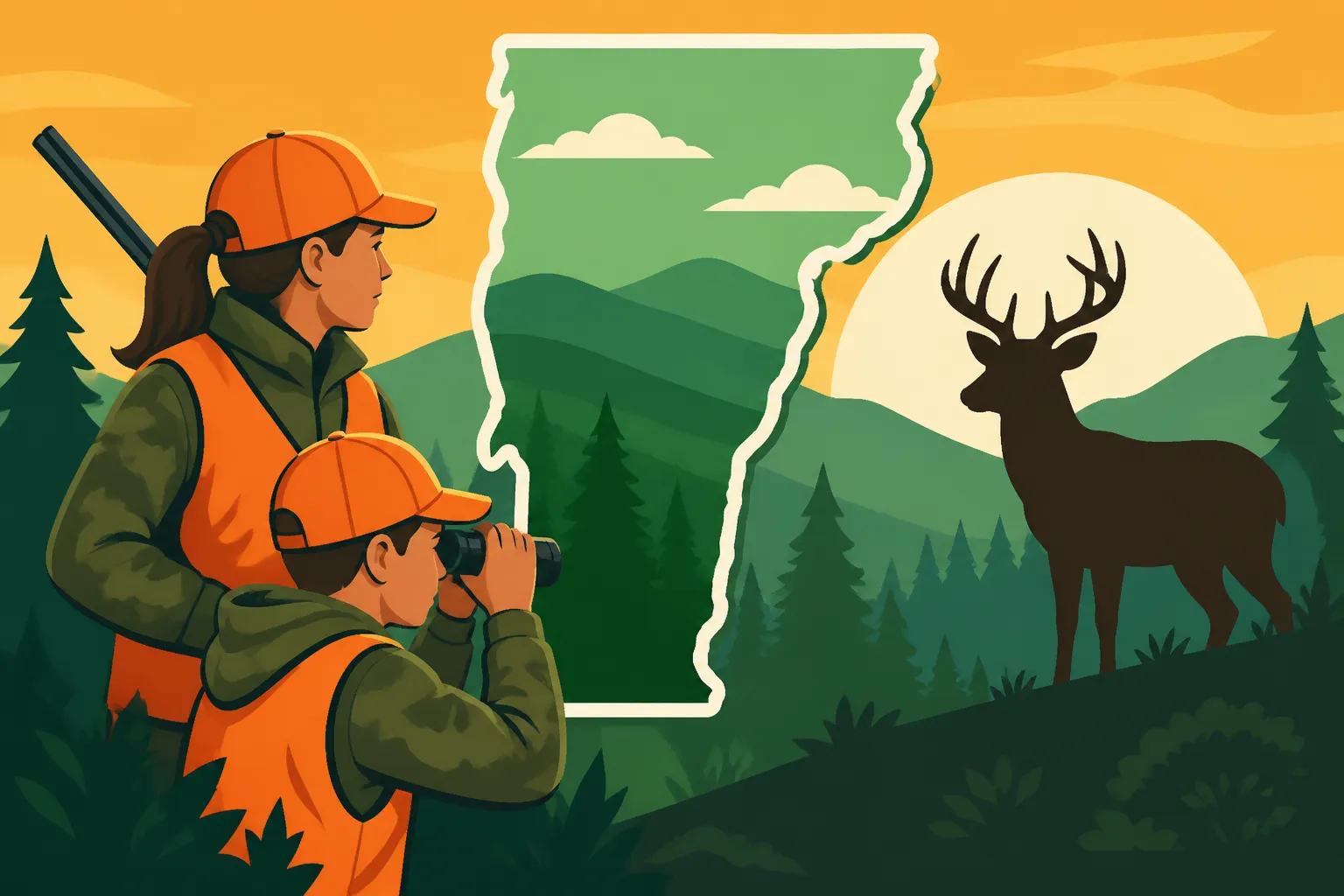
Vermont Youth and Novice Weekend Dates
Navigating Vermont's hunting seasons can feel like deciphering a complex calendar, especially when you're trying to introduce new hunters to the tradition. For parents, guardians, or mentors, figuring out the exact dates and rules for the special Youth and Novice Hunting Weekends can be a real head-scratcher. This guide aims to cut through the confusion, providing clear, up-to-date information on when these crucial opportunities occur and what you need to know to make them a success.
Understanding Vermont's Youth and Novice Hunting Weekends
Vermont's Fish & Wildlife Department has done a fantastic job creating dedicated hunting weekends specifically for youth and novice hunters. These aren't just arbitrary dates; they're thoughtfully placed opportunities designed to foster new generations of ethical, responsible hunters while providing a less pressured environment. If you’ve ever felt the stress of opening day of rifle season, imagine trying to learn the ropes amidst that hustle and bustle. These special weekends offer a much calmer, more focused introduction to the field.
The underlying philosophy is clear: recruit and retain hunters. In an age where outdoor activities compete with so many other distractions, these dedicated weekends serve as a vital entry point. They give young hunters and those new to the sport an exclusive chance to pursue game before the general seasons open, often when game is less wary and the weather might be more forgiving. This early access can significantly boost a new hunter's confidence and enjoyment, setting them up for a lifelong passion. It’s also a fantastic way for experienced hunters to pass on their knowledge and love for the outdoors, creating lasting memories. Planning your hunt for these specific days can be made significantly easier by utilizing detailed mapping resources like GoHunt, which helps you visualize public access points and potential game corridors.
Historically, these weekends have shown great success in hunter recruitment. They provide a structured, supportive environment where the focus isn't just on harvesting an animal, but on teaching vital skills: tracking, ethical shot placement, field dressing, and most importantly, an understanding of wildlife and conservation. It's about building a foundation of respect for the game and the land, something that gets lost if new hunters are simply thrown into the deep end of a busy regular season. These early opportunities are truly invaluable for nurturing that initial spark of interest into a burning passion.
Deer Youth and Novice Weekend Dates and Regulations
The Youth and Novice Deer Weekend is usually one of the most anticipated events on the calendar for new hunters. It typically takes place over a specific weekend in late October, just before the regular rifle season begins. This timing is strategic, offering a unique chance to hunt whitetails when bucks are starting to feel the stirrings of the rut, but before they're heavily pressured by hundreds of other hunters in the woods. For example, in recent years, this weekend has often fallen on the last full weekend of October, providing clear, crisp autumn days that are perfect for a mentored hunt. You’ll want to check the official Vermont Fish & Wildlife hunting guide annually for the precise Vermont Youth and Novice Weekend Dates as they can shift slightly year-to-year.
During this special weekend, eligible youth and novice hunters can harvest one deer, which can be either antlered or antlerless. This "any-deer" opportunity is a huge advantage, as antlerless permits can be highly sought after in some zones during regular seasons. The regulations emphasize safety above all else. All participants, including the mentor, must wear a minimum of 400 square inches of blaze orange or blaze pink above the waist. This is non-negotiable and crucial for visibility in the woods. Furthermore, legal weapons typically include a rifle, shotgun, muzzleloader, or bow, adhering to specific caliber and draw weight requirements outlined in the official regulations. For detailed information on acceptable firearms, you can refer to resources like Vermont Legal Firearms for Deer Hunting.
The mentor plays a critical role in this experience. Vermont law dictates specific Vermont Mentored Youth Hunting Rules, requiring the mentor to be a licensed hunter, at least 18 years old, and to remain within "sight and voice" of the youth/novice hunter at all times. This isn't just about supervision; it's about active teaching and guidance. Mentors are responsible for ensuring safety, ethical hunting practices, and compliance with all regulations. After a successful harvest, reporting the deer is mandatory. Hunters can report their deer through the Reporting a Deer Through Vermont's App or at designated check stations. Remember to adhere to the Vermont Deer Reporting Deadline to ensure your harvest is counted and contributes to valuable wildlife management data. Before you head out, checking your hunting license status and ensuring all necessary permits are in order is a critical first step. You can often manage these through the state's online portal, which is a convenient way to ensure you have your Vermont Resident License Options or appropriate non-resident licenses.
Here's a quick look at typical regulations for the deer weekend:
| Requirement | Youth Hunter (15 & under) | Novice Hunter (16+) | Mentor (18+) |
|---|---|---|---|
| License | Youth Hunting License | Novice Hunting License | Valid VT Hunting License |
| Hunter Ed. | Not required if mentored | Not required if mentored | Required |
| Blaze Orange/Pink | 400 sq. inches | 400 sq. inches | 400 sq. inches |
| Bag Limit (Deer) | 1 Deer (any sex/antler) | 1 Deer (any sex/antler) | N/A (cannot hunt) |
| Weapon | Legal firearms/bow | Legal firearms/bow | N/A (cannot hunt) |
| Supervision | Within sight and voice | Within sight and voice | Mentoring only |
Turkey Youth and Novice Weekend Dates and Regulations
Just like with deer, Vermont dedicates special weekends for youth and novice hunters to pursue wild turkeys. These typically happen twice a year: once in the spring and once in the fall, mirroring the general turkey seasons but preceding them. The spring youth and novice turkey hunt is usually held on the weekend immediately preceding the statewide general spring turkey season. For instance, if the general season opens on May 1st, the youth weekend might be the last weekend in April. This early access means less competition and often more vocal birds, which can be incredibly exciting for a new hunter. These dates, like all hunting seasons, are set by the Vermont Fish & Wildlife Department, so always confirm the exact Vermont Spring Turkey Season Dates in the annual regulations.
The bag limit for the youth and novice spring turkey weekend is generally one bearded bird. This allows for a focused effort on calling in and identifying a tom or jake. For fall, the regulations can vary, sometimes allowing a bird of either sex, depending on the management goals for specific Wildlife Management Units (WMUs). The beauty of these early weekends is the immersive experience they offer. A mentor can dedicate their full attention to teaching calling techniques, scouting, and setting up decoys, free from the pressure of their own tag. Checking the GoHunt app for aerial imagery can be really helpful when scouting potential roosting or feeding areas before the hunt, giving you a valuable edge.
Safety protocols are, again, paramount. While blaze orange is not required during the spring turkey season (due to the need for camouflage), it is always advisable to use it when moving through the woods, especially when entering or exiting. For fall turkey hunts, blaze orange requirements generally align with big game seasons when other hunters might be afield. Mentors must follow the same "sight and voice" rule as with deer hunting. Understanding the specific Vermont Spring Turkey Bag Limit for Residents is essential, and non-residents also have their own specific limits to abide by. After a successful hunt, birds must be reported according to the state's checking requirements, similar to deer.
The opportunity to call a gobbler into range with a young hunter by your side is truly magical. It teaches patience, stealth, and the thrill of the hunt in a way that few other experiences can. Beyond the hunt itself, it's a chance to educate about the broader ecosystem. While there isn't a specific "Vermont Youth Turkey Weekend Dates" link separate from the general "Youth and Novice Weekend Dates," the principle and rules for turkeys follow the same structure as deer. It's an invaluable chance to connect new hunters with the natural world.
Essential Requirements and Best Practices for Mentors
Being a mentor during Vermont's Youth and Novice Weekends is more than just accompanying a young or new hunter; it's a profound responsibility and an incredible privilege. The most basic requirement is that you must be a licensed hunter yourself, at least 18 years old, and you must remain within "sight and voice" of your mentee. This means you need to be close enough to communicate clearly and intervene if necessary, not just generally in the same woodlot. It’s also important to understand Vermont Hunter Education Requirements for yourself, and how those apply to supervising someone who may not have completed their course yet.
Beyond the legalities, effective mentoring involves thorough preparation. This includes scouting ahead of time, understanding game movements, and having a solid game plan. Share your knowledge with your mentee before you even step foot in the woods. Talk about animal behavior, tracking signs, wind direction, and ethical shot placement. Utilizing tools like GoHunt to pore over maps together, marking potential bedding areas or travel corridors, can be a fantastic educational exercise before the actual hunt. Discussing the potential scenarios and how you'd react helps build confidence and preparedness.
Safety drills are also crucial. Practice safe firearm handling, loading and unloading, and clearly define shooting lanes and backstops. Reiterate the importance of positive target identification – knowing absolutely, 100% what you're shooting at and what's beyond it. Dress appropriately for the weather, layer up, and always carry a first-aid kit. Remember the significant How Much Blaze Orange Vermont Requires during deer hunting, for both mentor and mentee, to ensure maximum visibility to other hunters, even if rare on these special days.
Finally, manage expectations. The goal isn't necessarily to harvest an animal, but to create a positive, educational, and memorable experience. Celebrate small victories: spotting deer sign, hearing a distant gobble, or simply enjoying the quiet of the woods. If a harvest occurs, ensure the mentee is involved in the field dressing, tagging, and respectful handling of the game. This holistic approach instills a deeper appreciation for the entire process, fostering a responsible conservation ethic that will last a lifetime. Also, be mindful of Vermont’s Vermont CWD Prevention Rules, which include restrictions on carcass transport and a ban on certain urine-based lures, educating your mentee on responsible wildlife practices.
Disclaimer
Please note that hunting regulations, season dates, and permit requirements are subject to change. Always consult the official Vermont Fish & Wildlife Department website or the current year's hunting guide for the most up-to-date and accurate information before planning your hunt. This guide is for informational purposes only and does not replace official state regulations.