Where Vermont’s CWD Prevention Rules Stand Today
It's incredibly frustrating, isn't it? You just want to enjoy your time in the woods, chase a buck, or call in a gobbler, but then you hear whispers of diseases like Chronic Wasting Disease (CWD) and suddenly, a cloud of uncertainty hangs over your hunting season. The thought of this devastating illness reaching our beautiful Green Mountain State is enough to keep any Vermonter up at night, especially when you consider how careful we are with our deer herd. This guide is here to cut through the confusion and explain exactly where Vermont stands today on CWD prevention, what rules you absolutely need to follow, and how your actions directly help keep our deer healthy.
The CWD Threat and Vermont's Proactive Stance
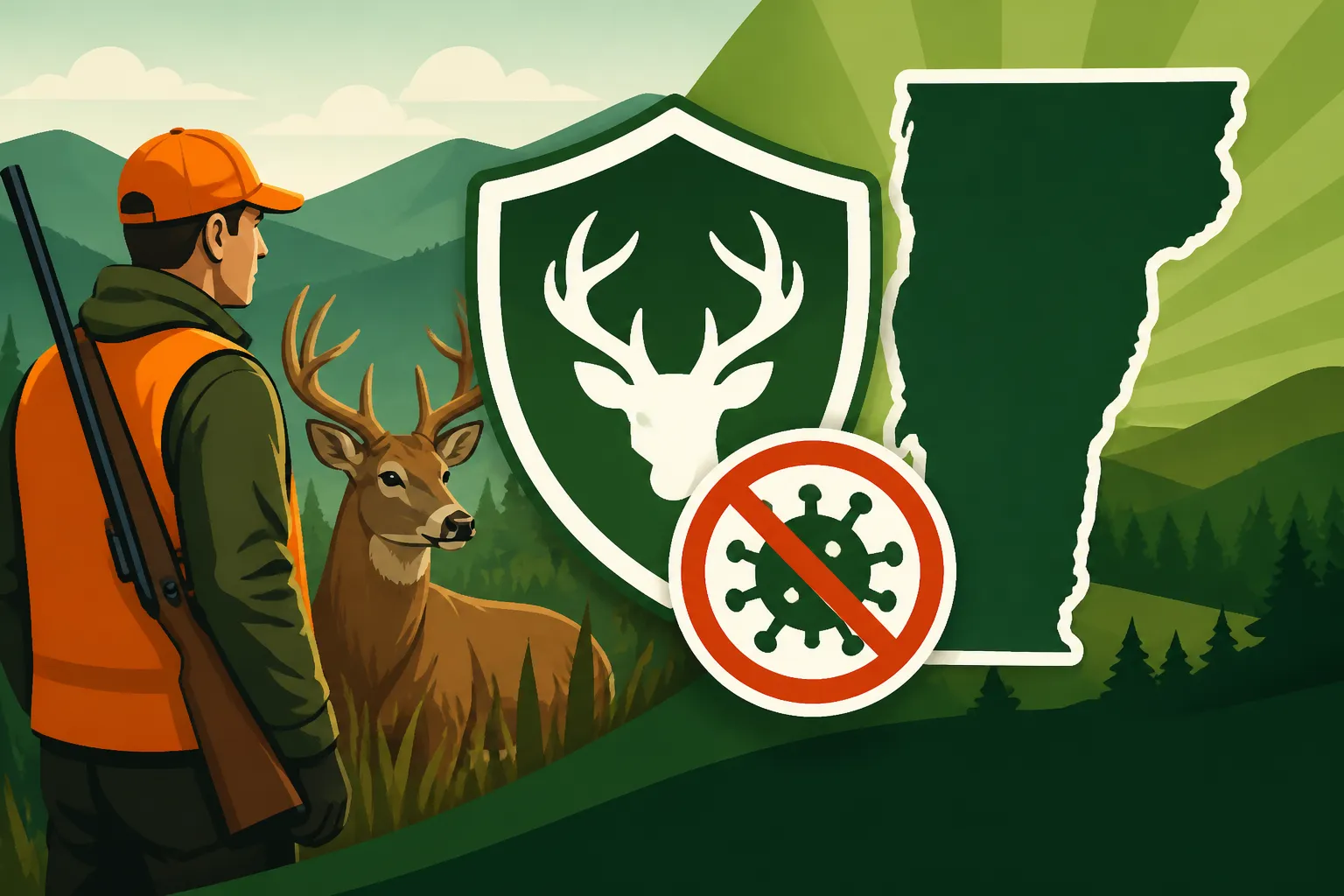
Chronic Wasting Disease is one of those topics that can make any hunter feel a knot in their stomach. It's a relentless, always fatal neurological disease, and the thought of it spreading through our cherished wild cervids – our deer, moose, and elk – is something we all want to avoid at all costs. Vermont has been incredibly proactive, thankfully, maintaining a vigilant watch to keep our state CWD-free, a status we all need to work together to protect.
Understanding Chronic Wasting Disease
Let's break down what CWD actually is, without getting too bogged down in scientific jargon. Imagine a disease that slowly and inevitably wastes away an animal's brain, leading to strange behaviors, weight loss, and eventually, death. That's CWD in a nutshell. It’s caused by abnormal proteins called prions, not a bacteria or virus, which makes it particularly insidious. These prions can persist in the environment for years, making containment incredibly challenging once established. Deer, elk, and moose are all susceptible, and once an animal contracts it, there’s no cure, no vaccine, and no turning back.
The prions are shed through saliva, urine, and feces, and can contaminate soil, plants, and even other animals' feed. This is why Vermont's prevention efforts are so focused on stopping any potential introduction of the prions. We've seen the devastating effects CWD has had in other states, impacting herd health, reducing hunting opportunities, and creating a perpetual management headache. Our state's strong stance isn't just about protecting deer; it's about safeguarding a hunting heritage that defines so much of what we love about Vermont. It's a stark reminder of why understanding how CWD spreads is crucial for every hunter, whether you're planning for your Vermont's November Rifle Season or gearing up for Bowhunting Vermont's Expanded Archery Season.
Vermont's CWD Surveillance Program
Vermont might be CWD-free, but that doesn't mean we're complacent. Far from it! The Vermont Fish & Wildlife Department runs a comprehensive CWD surveillance program designed to act as an early warning system. Every year, samples are collected from harvested deer across the state, with a particular focus on certain Wildlife Management Units (WMUs) or areas considered at higher risk, such as those closer to neighboring states where CWD has been detected.
Hunters often play a direct role in this. Sometimes, specific check stations are set up where you might be asked to provide a sample from your harvested deer, typically lymph nodes or brain stem tissue. This isn't just bureaucracy; it's a critical part of monitoring the health of our herd. The department also encourages hunters and the general public to report any deer or moose showing signs of illness, such as extreme emaciation, abnormal behavior, or neurological symptoms. These reports are taken very seriously, and wildlife biologists will investigate to determine if CWD or another disease is present. This vigilance is a testament to the collaborative spirit between the department and the hunting community, a partnership essential for ensuring Vermont's CWD-Free Deer Herd remains healthy for generations to come.
Key Regulations Every Vermont Hunter Must Know
Keeping CWD out of Vermont relies heavily on hunters adhering to a few critical regulations. These aren't arbitrary rules; they're scientifically backed measures designed to minimize the risk of introducing those persistent prions into our environment. Whether you're a lifelong Vermonter or a visiting hunter, knowing and following these rules is your responsibility.
Carcass Import Restrictions
One of the biggest concerns for CWD introduction comes from hunters traveling to states or provinces where CWD is present and then bringing a harvested animal back into Vermont. To combat this, Vermont has strict regulations regarding what parts of a cervid (deer, elk, or moose) can be imported from CWD-positive areas. You absolutely cannot bring in a whole carcass or certain high-risk parts that are known to harbor CWD prions. This includes brains, spinal cords, lymph nodes, spleen, and eyes. These are the tissues where the prions are most concentrated.
So, what can you bring back? The rules are quite specific:
- Boned-out meat: This means all meat that has been completely separated from the bone, with no spinal cord or brain tissue attached.
- Cleaned skull plates: If you want to keep the antlers, the skull plate must be completely cleaned of all brain and nervous tissue. This often means boiling or pressure washing.
- Cleaned or tanned hides: Hides are generally safe once they are cleaned and processed.
- Teeth: Individual teeth are permitted.
- Finished taxidermy mounts: Once a taxidermy mount is completely processed and finished, it poses no risk.
It's critical to know which states and provinces are considered CWD-positive, as this list can change. Currently, neighboring regions like parts of New York and Quebec have had CWD detections. When planning an out-of-state hunt, a quick check on platforms like GoHunt can provide up-to-date information on CWD zones, helping you prepare properly. Always check the latest Vermont Fish & Wildlife Department regulations before you cross state lines with any cervid parts. Ignorance of the law is never an excuse, and violating these rules can carry significant penalties.
Here's a quick summary of what's allowed and prohibited:
| Carcass Part | Permitted from CWD-Positive Areas? | Notes |
|---|---|---|
| Boned-out Meat (no bone or nervous tissue) | Yes | Must be completely deboned, free of spinal cord or brain material. |
| Cleaned Skull Plate (antlers attached) | Yes | All brain and nervous tissue must be removed. |
| Cleaned/Tanned Hides | Yes | Free of any muscle or nervous tissue. |
| Individual Teeth | Yes | |
| Finished Taxidermy Mounts | Yes | Completely processed and cleaned. |
| Whole Carcasses | No | Absolutely prohibited. |
| Brain, Spinal Cord, Lymph Nodes, Spleen, Eyes | No | High-risk tissues that can carry prions. |
| Carcass Parts with Bone-in (e.g., quarters) | No | Unless explicitly boned out in a CWD-free facility or state. |
The Ban on Urine-Based Lures
You might have noticed that many of your old standby deer lures aren't on the shelves anymore. That's because Vermont, like many other states, has enacted a ban on all natural cervid urine-based lures and attractants. This regulation, often referred to as Vermont's Urine-Based Lure Ban, is another cornerstone of our CWD prevention strategy, and it’s one that has understandably led to some adjustments for hunters.
The reasoning behind this ban is straightforward: if an infected deer sheds prions into its urine, that urine could then be collected and sold as a lure. When you spray that lure on the ground or on a wick in Vermont, you're potentially introducing CWD prions directly into our environment, even if the risk is small. Because prions are so incredibly resistant and can persist for years, the department decided this was a risk simply not worth taking.
So, what are your options now? The market has exploded with fantastic synthetic alternatives. These lures are formulated to mimic natural deer scents without any biological components, making them completely CWD-safe. Many hunters have found great success with brands like Tink’s, Code Blue, and Wildlife Research Center, all of which offer synthetic versions of their popular scents. Experimenting with these new options can be part of the fun of adapting to modern hunting regulations, and some digital resources from GoHunt often provide reviews and comparisons of the latest and most effective synthetic attractants. This move is all about protecting our native deer population and maintaining the integrity of our hunting grounds.
Your Role in Keeping Vermont CWD-Free
While the Vermont Fish & Wildlife Department sets the rules and runs the surveillance, the real heavy lifting in preventing CWD falls to us, the hunters. Our collective actions, our attention to detail, and our commitment to ethical practices are the strongest defenses we have against this disease. This isn't just about following rules; it's about being good stewards of the land and the wildlife we cherish.
Deer Reporting and Testing Protocols
When you successfully harvest a deer in Vermont, the process doesn't end when you tag it. Reporting your deer, either online or at a physical check station, is a critical step in wildlife management. This data helps the department monitor deer populations, gauge herd health, and identify any unusual patterns that might warrant further investigation. For detailed guidance on this, you can always refer to the official Vermont Deer Reporting Requirements.
Beyond general reporting, sometimes specific CWD testing protocols come into play, especially if a deer looks unhealthy or if you're hunting in a designated surveillance area. If you come across a deer that appears sick or is behaving oddly, it’s imperative to contact the Vermont Fish & Wildlife Department immediately. Do not approach or harvest a visibly sick animal without guidance from wildlife officials. These animals are often prioritized for CWD testing, as they could be the first indication of the disease entering the state. Your vigilance and willingness to report these observations are invaluable to the CWD surveillance program and to maintaining a healthy deer herd for future generations.
Best Practices for Hunters
Beyond the official regulations, there are several best practices that every responsible hunter should adopt to minimize any risk of CWD transmission. These are common-sense steps that contribute significantly to our collective goal of keeping Vermont CWD-free.
First and foremost, consider where you field dress your deer. If you've been hunting in a CWD-positive area outside of Vermont, or even if you're concerned about potential local exposure, field dressing your animal at the site of the kill and leaving the high-risk parts (brain, spinal cord, spleen, lymph nodes) where the animal was harvested is a sound practice. This minimizes the chance of transporting any potential prions back to your home or other hunting locations. If you must transport a field-dressed animal, ensure all waste is disposed of properly, preferably in a landfill that prohibits scavenging. Avoid discarding carcasses or parts on public land or where other animals might access them.
Secondly, thorough cleaning of all hunting gear is essential, especially if you hunt in multiple states or regions. Knives, saws, game bags, and even vehicle interiors that come into contact with a harvested animal should be meticulously cleaned and disinfected. While prions are incredibly tough, good hygiene goes a long way. This includes your boots and clothing, as soil particles can potentially harbor prions.
Finally, stay informed. The Vermont Fish & Wildlife Department regularly updates its CWD information and regulations. These updates are often available through their website, newsletters, or via hunting license vendors. As a hunter, it's your responsibility to know the latest rules. Resources like the Vermont Fish and Wildlife App can also be incredibly helpful for staying on top of regulations and current CWD advisories. Being a well-informed hunter is one of the best defenses against CWD.
Important Disclaimer
Please remember that hunting regulations and wildlife disease information can change. While this guide aims to provide accurate and up-to-date information, it is always your responsibility to consult the official Vermont Fish & Wildlife Department website or contact them directly for the most current rules and advisories regarding CWD prevention, hunting seasons, and licensing requirements before engaging in any hunting activities.