Blaze Pink Options Under Vermont Law
It can be incredibly frustrating to keep up with all the nuances of hunting regulations, especially when new options and changes are introduced. For years, blaze orange was the undisputed king of visibility in the woods, but now, hunters in Vermont have another choice. This guide is here to demystify everything you need to know about blaze pink options under Vermont law, ensuring you stay safe, compliant, and comfortable during your hunts.
Understanding Vermont's Blaze Orange Mandate
Before we dive into the specifics of blaze pink, it’s essential to understand the foundation: Vermont’s long-standing blaze orange requirement. This isn't just a suggestion; it's a critical safety measure designed to prevent accidents in the field. Every hunter knows the feeling of walking through thick woods, straining to see movement, and the sheer relief when a flash of bright orange confirms a fellow hunter, not a game animal.
Why Blaze Orange is Critical for Safety
The primary reason for mandatory blaze orange is simple: visibility. Deer, moose, and bear see in dichromatic vision, meaning they primarily perceive blues and yellows, but not reds and oranges like humans do. To them, blaze orange (and blaze pink, as we’ll discuss) often appears as a dull gray or tan, blending into the natural landscape. However, for a human hunter, these colors stand out starkly against the greens, browns, and grays of the forest, especially during low light conditions or against a snowy backdrop. This distinct contrast significantly reduces the risk of someone mistaking you for game, particularly during seasons when firearms are in use. The peace of mind knowing you're highly visible to other hunters is invaluable, allowing everyone to focus on their quarry without unnecessary worry. It’s a collective responsibility that every hunter shares to ensure everyone returns home safely.
The Traditional Requirements
Historically, Vermont's regulations have been quite specific about the amount and placement of blaze orange. The general rule during rifle season for deer, and often other designated seasons, mandates a minimum of 500 square inches of solid fluorescent orange. This typically includes a hat or cap and an outer garment like a vest or jacket, worn above the waist, and visible from all sides. Think about layering for Vermont's long hunting season; your outermost layer absolutely has to meet this requirement. It's not enough to have a small patch; the intent is to make you unmistakable. You might have a fantastic camouflage pattern on your hunting coat, but if it doesn't have the mandated amount of blaze orange, you're not legal. This can feel like a contradiction, trying to blend in with nature while also standing out, but the safety aspect always takes precedence. Many hunters will simply don a bright orange vest over their normal hunting attire, or choose a hat that fulfills the requirement, ensuring they’re always visible when it matters most.
The Introduction of Blaze Pink to Vermont Law
For a long time, blaze orange was the only option. But as hunting demographics slowly began to shift and conversations around inclusivity grew, some states started exploring alternatives. Vermont joined this movement, recognizing that while safety is paramount, offering choices could make hunting more appealing and comfortable for a broader range of participants.
When Blaze Pink Became an Option
Vermont officially approved blaze pink as an alternative to blaze orange for hunters. This change didn't happen overnight; it was the result of legislative discussions and public input, acknowledging that modern hunting culture could evolve without compromising safety. The law was enacted to provide more options for hunters while maintaining the same high standards of visibility. When you're checking specific regulations for different seasons, like during the popular November Rifle Season or for a special season like the Youth and Novice Weekend, it’s crucial to confirm that blaze pink is an accepted alternative for that particular hunt. Platforms like GoHunt can be incredibly helpful for staying on top of these kinds of regulatory changes, offering updated information that reflects the latest amendments to the law. It’s a great example of how Vermont Fish & Wildlife works to both ensure safety and respond to the needs of the hunting community.
The Reasoning Behind the Change
The shift to include blaze pink wasn't just a random choice; it was driven by several factors. Primarily, it aimed to address the growing interest in hunting among women. Some studies suggested that blaze pink might be perceived as a more appealing or comfortable option for female hunters, potentially encouraging greater participation. From a scientific standpoint, tests have shown that blaze pink is just as visible, if not more so, than blaze orange in various light conditions, especially against fall and winter landscapes. Its fluorescence makes it highly effective at catching the human eye. So, it wasn't a compromise on safety; rather, it was an expansion of options based on both social considerations and scientific validation. The goal was to remove any unnecessary barriers to entry, making the sport feel more welcoming while ensuring every hunter remains easily detectable to others in the field. This progressive step helps ensure the future of hunting remains vibrant and accessible to everyone.
Specifics of Blaze Pink in Vermont
Now that you know blaze pink is an option, let’s get into the nitty-gritty of what that means for your gear and your time in the woods. It’s not just about wearing any pink; it’s about wearing the right pink in the right way.
How Much Blaze Pink is Required
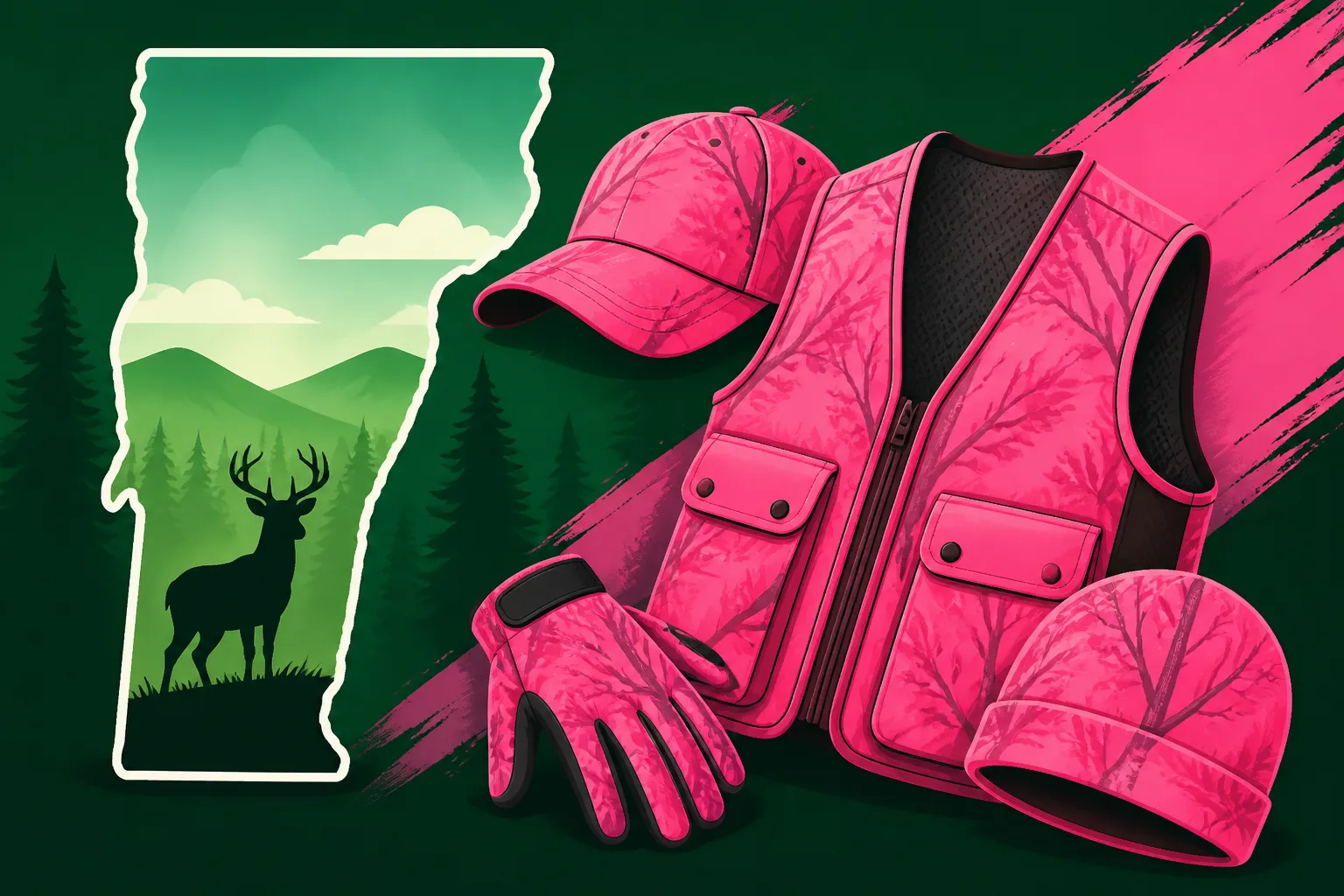
Just like with blaze orange, Vermont law specifies a minimum amount of blaze pink that must be worn during certain hunting seasons. The requirement generally mirrors that of blaze orange: a minimum of 500 square inches of solid fluorescent pink, worn above the waist, and visible from all angles. This means that a small patch or trim on your jacket won't cut it. You need substantial coverage, typically in the form of a full vest, jacket, or an outer layer that meets these criteria. And don't forget the headwear! A solid fluorescent pink hat or cap is usually required as well to ensure maximum visibility from all directions, even if you're ducking through brush. The idea is to create an unmistakable silhouette that clearly identifies you as a human hunter, not an animal. This is especially important if you’re still-hunting Green Mountain National Forest timber, where visibility can change rapidly due to varying cover and terrain.
Approved Shades and Materials
When we say "blaze pink," we’re talking about a very specific, highly fluorescent shade of pink, not just any light or pastel pink. The color is designed to be as visually striking as blaze orange, so it needs to have that intense, almost glowing quality. Regular pink clothing from your closet likely won't meet the legal definition. The material also matters; it should be solid, meaning no significant camouflage patterns or breaks in the color that would diminish its visibility. Manufacturers who produce blaze pink hunting gear understand these requirements, so looking for products specifically labeled "blaze pink" or "hunter pink" from reputable outdoor brands is your safest bet. If you’re ever unsure, it’s always best to consult the Vermont Fish & Wildlife Department's official regulations or use a reliable hunting app like GoHunt to verify before heading into the field.
Practical Considerations for Hunters
Beyond just meeting the legal requirements, there are some practical aspects to consider when choosing blaze pink.
- Layering: Vermont weather is notoriously unpredictable. One day you might be enjoying a relatively mild fall afternoon, and the next, you're bracing for a sudden cold front. Your blaze pink gear needs to be part of your layering system. Can you comfortably wear it over your insulated layers for a December Muzzleloader hunt or pack it easily to put on over your base layers for a cold September sit? Many vests are designed to be worn over multiple layers, making them versatile.
- Durability and Weather Resistance: Vermont hunting often involves rain, snow, and rough terrain. Your blaze pink outerwear should be durable enough to withstand snags from branches and offer some level of weather resistance to keep you dry and comfortable. A soggy vest isn't just uncomfortable; it can compromise your safety by distracting you.
- Care and Maintenance: Fluorescent colors can fade over time with excessive washing or sun exposure. To maintain their vibrant, safety-critical hue, follow care instructions carefully. Avoid harsh detergents and line dry whenever possible to extend the life of your blaze pink gear.
Legalities and Compliance for Hunters
Understanding what blaze pink is and how much to wear is one thing, but knowing when and where it's legally permitted is equally crucial. Vermont’s regulations are designed to be clear, but they do require attention to detail.
Seasons Where Blaze Pink is Permitted
Blaze pink is generally allowed as an alternative to blaze orange during any firearm deer season where blaze orange is mandated. This primarily includes the traditional two-week November Rifle Season, as well as the special October Antlerless Muzzleloader Window and the December Muzzleloader Season. It's also applicable for youth and novice hunting weekends when deer hunting with firearms. However, it’s critical to remember that certain seasons, like the statewide Archery Season, do not require blaze orange or pink, though many bowhunters choose to wear it for an extra layer of visibility when walking to and from their stands. Always double-check the specific regulations for the season you plan to hunt. For example, when you're bowhunting during Vermont's Rifle Season overlap, you still have to meet the blaze orange/pink requirements for firearm season even if you're using archery equipment. This is a common point of confusion, so always err on the side of caution.
Here’s a simplified table to illustrate common season requirements:
| Season | Legal Weaponry | Blaze Orange/Pink Requirement | Notes |
|---|---|---|---|
| Expanded Archery Season | Archery | No | Optional for visibility and safety. |
| Regular Archery Season | Archery | No | Optional. |
| Youth & Novice Weekend | Firearms (or Archery) | Yes (500 sq. in.) | Applies when hunting deer with firearms. |
| October Muzzleloader Window | Muzzleloader | Yes (500 sq. in.) | For antlerless deer. |
| November Rifle Season | Firearms (Rifle, Shotgun, Muzzleloader) | Yes (500 sq. in.) | Primary deer season. |
| December Muzzleloader Season | Muzzleloader | Yes (500 sq. in.) | |
| Small Game / Predator Hunting | Varies | No (Unless overlapping) | Always check for overlaps with deer seasons. |
Combining Blaze Orange and Blaze Pink
So, you have a blaze orange hat but found a really comfortable blaze pink vest. Can you mix and match? Absolutely! Vermont law is concerned with the total amount of high-visibility color, not whether it’s all one specific shade. As long as you meet the 500 square inch minimum with a combination of fluorescent orange and fluorescent pink, visible from all angles, you're compliant. This offers great flexibility for hunters. You might find that one brand makes a better fitting blaze pink base layer, while another specializes in an exceptional blaze orange outer shell. This allows you to personalize your gear while still adhering to the safety standards. Think of it as expanding your toolkit for staying visible and safe in the field, giving you more options to stay comfortable and focused on the hunt.
Common Misconceptions to Avoid
Despite the clarity of the regulations, a few misconceptions persist regarding blaze pink:
- "Any pink will do." This is perhaps the biggest mistake. As mentioned, it must be fluorescent pink. A soft pastel pink jacket, while clearly pink, will not meet the legal or safety requirements. It simply doesn't have the same high-contrast visibility as blaze pink. Always look for gear specifically marketed as "blaze pink" or "hunter pink" to ensure compliance.
- "It's only for women." While the initial push for blaze pink often highlighted female hunters, the law in Vermont (and other states) makes no gender distinction. Any hunter, regardless of gender, can choose to wear blaze pink if it meets the requirements. It’s a choice for personal preference and visibility, not a gendered garment.
- "It makes me invisible to deer." While blaze pink, like blaze orange, appears dull to deer, neither color makes you invisible. Deer can still detect movement and scent. The purpose of these colors is to make you visible to other humans, not to become a stealth cloak for game animals. Scent control, movement, and choosing the right entry routes through a cut cornfield remain paramount for successful hunting.
Making the Choice: Orange or Pink?
Ultimately, the decision between blaze orange and blaze pink comes down to a blend of personal preference and practical considerations. Both are equally effective in ensuring hunter safety under Vermont law, so you truly can't go wrong with either.
Personal Preference and Visibility
For many hunters, the choice is simply about what they prefer. Some hunters have worn blaze orange their entire lives and see no reason to change. It's traditional, it's effective, and it's what they're comfortable with. Other hunters, however, might be drawn to blaze pink for its novelty, its aesthetic appeal, or simply because they feel it offers a fresh alternative. Studies have shown that both colors are equally effective in terms of human visibility, especially in the woods, so from a pure safety standpoint, there's no inherent advantage of one over the other. The key is to choose the color that you will consistently wear, and that makes you feel confident and safe in the field. When you're comfortable with your gear, you can focus better on the actual hunt, whether you're trying to read a Green Mountain deer yard or scouting Vermont public land before season.
Availability of Gear and Brands
Another practical aspect is the availability of gear. While blaze orange has been a staple for decades, meaning there's a vast selection of clothing and accessories, blaze pink gear is still somewhat newer to the market. However, its popularity is growing, and more and more outdoor brands are offering high-quality blaze pink options. Companies like DSG Outerwear, for example, have been at the forefront of providing hunting apparel specifically designed for women, including blaze pink choices. You can find everything from vests and jackets to hats and gloves in blaze pink, catering to various budgets and preferences. When browsing for gear, checking reputable outdoor retailers or online platforms that specialize in hunting equipment will give you the best selection. Don't be afraid to try on both to see what feels right for you and your hunting style.
Remember, the goal is safety and compliance. Whether you choose blaze orange or blaze pink, wearing the required amount of visible material ensures that you are doing your part to keep yourself and others safe in Vermont's beautiful hunting grounds.
Disclaimer
Please note that hunting regulations are subject to change. While this guide provides current information based on Vermont law, it is always the hunter's responsibility to consult the most recent official regulations published by the Vermont Fish & Wildlife Department before participating in any hunting season. This article is for informational purposes only and should not be considered legal advice.