Vermont’s Recovering River Otter Population
It's easy to assume that many of Vermont's wild creatures have always thrived, but the truth is, some of our most beloved species have faced significant challenges. For years, the elusive river otter saw its numbers dwindle, leading many to believe these playful furbearers were a rare sight in our waterways. This comprehensive guide will take you through the incredible journey of Vermont's river otter population, exploring their biology, the factors behind their decline and subsequent recovery, and how these fascinating animals contribute to the health of our environment today.
The Remarkable Comeback Story of Vermont's River Otters
For those of us who spend time exploring Vermont's rivers, lakes, and wetlands, catching a glimpse of a river otter is always a special moment. Their sleek bodies, agile movements, and seemingly endless energy are captivating. Yet, not so long ago, such sightings were far less common. The story of the river otter in Vermont is one of resilience and a testament to dedicated conservation.
Historical Decline and the Factors Involved
The decline of the river otter in Vermont, and indeed across much of their historical range, wasn't due to a single cause but rather a combination of pressures that mounted over decades. One of the primary factors was habitat destruction and degradation. As European settlers arrived and the landscape was transformed for agriculture and development, critical wetlands were drained, rivers were dammed, and riparian zones were cleared. These changes directly impacted the otters' ability to find suitable den sites, secure food sources, and travel safely between different water bodies. Pollution also played a significant, albeit often unseen, role. Industrial and agricultural runoff introduced toxins into waterways, contaminating the fish and amphibians that form the bulk of the otter's diet and directly impacting their health and reproductive success.
Beyond habitat and pollution, unregulated hunting and trapping also contributed to their dwindling numbers. In earlier centuries, otters were valued for their dense, luxurious fur, leading to intense harvest pressure. While trapping has always been a part of the Vermont tradition, historical practices, before the advent of modern wildlife management, often lacked the sustainable quotas and season limits we see today. The cumulative effect of these factors pushed river otter populations to precarious levels, making them a relatively rare sight across much of the state.
Recovery Efforts and Their Success
The turning point for Vermont's river otters came with a greater understanding of wildlife ecology and the implementation of robust conservation strategies. One of the most critical steps was the establishment of state and federal protections for wetlands and waterways. Laws aimed at controlling pollution, restoring riparian buffers, and managing water quality directly benefited otter habitat. Many of these efforts also had positive impacts on other aquatic species, like healthy fish populations, which are essential for otter survival.
Furthermore, changes in furbearer management played a vital role. Scientifically determined trapping seasons and quotas were put in place, ensuring that harvests were sustainable and didn't jeopardize the overall population. Education efforts also helped raise public awareness about the importance of otters and their role in a healthy ecosystem. Through these combined efforts, including habitat restoration, improved water quality, and careful management, the river otter began its slow but steady climb back. It's a wonderful example of how focused conservation can genuinely make a difference.
Current Population Status and Distribution
Today, Vermont's river otter population is considered stable and healthy, a truly remarkable comeback. While they're still shy and often elusive, their presence is felt across the state, from the tranquil ponds of the Northeast Kingdom to the winding tributaries that feed Lake Champlain. You'll find them in a variety of aquatic environments, favoring areas with a mix of open water, vegetated banks for cover, and plenty of food. They're particularly fond of areas with beaver activity, often repurposing abandoned beaver lodges as their own dens, called "holts."
While exact population numbers can be difficult to pinpoint for such a wide-ranging and secretive animal, ongoing monitoring through harvest data, incidental sightings, and specific surveys indicate a thriving population. They are no longer considered threatened or endangered in the state, a classification that speaks volumes about the success of their recovery. This widespread distribution means that no matter where you are in Vermont, if you're near a healthy waterway, there's a good chance an otter isn't too far away, silently navigating the currents.
River Otter Biology and Habitat in the Green Mountain State
Understanding the unique biology and habitat preferences of the river otter is key to appreciating their place in Vermont's natural world. These animals are perfectly adapted to their semi-aquatic lifestyle, making them efficient hunters and incredibly agile swimmers.
Physical Characteristics and Adaptations
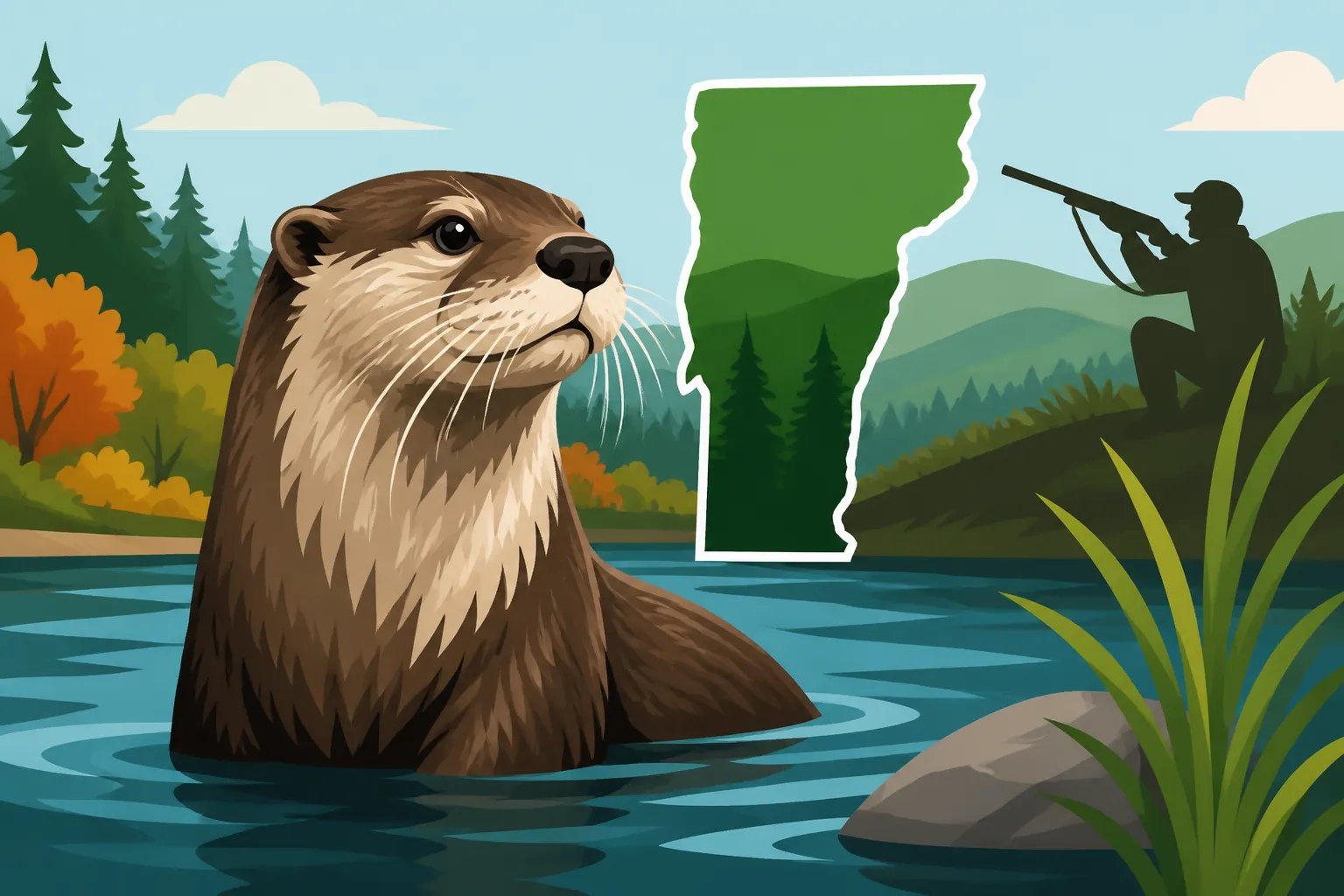
River otters (Lontra canadensis) are truly built for life in and around water. They are medium-sized members of the weasel family, characterized by their long, sleek, muscular bodies, short legs, and a thick, tapered tail that makes up about a third of their total length. An adult otter typically weighs between 10 to 30 pounds and can measure 3 to 4.5 feet long from nose to tail tip. Their fur is dense and oily, forming a waterproof layer that provides excellent insulation in cold water. This incredible fur is what historically made them such a prized furbearer.
Their adaptations don't stop there. Otters have small, rounded ears and nostrils that can be closed underwater, preventing water from entering. Their eyes are relatively small but provide good underwater vision, aided by a nictitating membrane that acts like a third eyelid to protect their eyes. Their feet are webbed, providing powerful propulsion for swimming, and they have sharp claws for gripping slippery surfaces and digging. Their whiskers are highly sensitive, helping them detect prey in murky water or at night. They are masters of their environment, able to hold their breath for several minutes and dive to impressive depths, making them formidable aquatic predators.
Preferred Aquatic Habitats and Den Sites
River otters are highly dependent on healthy aquatic habitats. In Vermont, this means they can be found in a wide array of environments, including clean rivers, streams, lakes, ponds, and extensive wetland systems. They prefer areas with a good supply of food, plenty of cover along the banks, and access to suitable den sites. What constitutes "suitable" can be quite varied! Otters are not particularly picky architects; they often utilize abandoned beaver lodges, hollow logs, rock crevices, or burrows dug by other animals. They may even excavate their own dens in soft earth under tree roots or along stream banks. These dens, known as "holts," typically have an underwater entrance leading to a dry chamber above the water line, providing safety from predators and shelter from the elements.
A prime otter habitat in Vermont might feature slow-moving sections of a river interspersed with faster riffles, small ponds connected by marshy channels, or the edges of a larger lake with plenty of fallen timber and dense vegetation. While they are often associated with larger water bodies, otters can and do travel considerable distances over land between different water sources, especially if one area becomes depleted of food or is impacted by drought. This ability to move between habitats is crucial for their survival and dispersal. When you're using tools like GoHunt to scout potential hunting spots or simply explore public lands, paying attention to these interconnected water systems can give you clues about where otters might be found.
Diet and Foraging Strategies
River otters are opportunistic carnivores, and their diet primarily consists of what's most readily available in their aquatic environment. Fish make up the bulk of their meals, but they are not picky eaters. They will hunt a variety of species, often targeting slower-moving or diseased fish, which actually helps maintain the health of fish populations. Beyond fish, their diet includes amphibians like frogs and salamanders, crayfish, crabs, snakes, mussels, and even small mammals like mice or muskrats, and birds, especially waterfowl eggs or young ducklings.
Their foraging strategies are a marvel to behold. Otters are incredibly agile and swift underwater, capable of pursuing and catching fast-moving fish. They often hunt alone, using their keen sense of smell, excellent underwater vision, and sensitive whiskers to detect prey. They might dive repeatedly, exploring underwater crevices or dense vegetation, flushing out prey. When hunting larger prey, they might work in small family groups, cornering fish or creating a disturbance to make a catch easier. They typically consume their prey on land, often on a favorite log or rock near the water's edge, leaving tell-tale scraps and scat (droppings) as evidence of their presence.
Tracking and Observing River Otters in Vermont
Spotting a river otter in the wild is a truly memorable experience, but these animals are often shy and elusive. Knowing what to look for and where to go can significantly increase your chances of an encounter.
Identifying Otter Sign and Tracks
Since otters are often heard before they are seen, or not seen at all, learning to identify their "sign" is crucial for confirming their presence. Their tracks are distinct: five toes with visible claw marks, and often webbed impressions, especially in soft mud or snow. The hind foot is usually longer than the front, and in a typical trot, the hind foot might land directly in the print of the front foot. Look for their "bounding" gait in snow or mud, where they leap, often leaving paired tracks.
Perhaps the most common sign is their scat, or droppings. Otter scat often contains fish scales, bone fragments, or crayfish parts, and it's usually deposited in prominent locations like rocks, logs, or sand banks, which serve as latrine sites and scent markers. You might also find "slides" – slick, worn paths on muddy or snowy banks where otters repeatedly slide into the water, seemingly for fun, but also as an efficient way to travel. Look for these near beaver dams, sharp bends in rivers, or steep banks leading to a favorite fishing hole. Sometimes, if you're lucky, you might even hear their distinctive chirps, chuckles, or growls. Understanding these subtle clues is key to finding their hidden world.
Best Times and Locations for Observation
While otters can be active at any time, they are often most active during dawn and dusk, much like many other wild creatures. Early morning, just as the sun begins to warm the water, or late afternoon leading into twilight, are generally your best bets for seeing them. Patience is absolutely paramount; otters don't typically hang around waiting to be observed. Find a quiet spot with good visibility over a section of river or pond that exhibits good otter habitat – perhaps a beaver flowage, a marshy inlet, or a slow-moving section of river with plenty of cover.
Locations such as Vermont Wildlife Management Areas with extensive wetland systems or quiet stretches of the Missisquoi River can be excellent spots. Public lands are often great starting points, and exploring areas where you know there's healthy beaver activity or good fish populations will increase your odds. For those using mapping applications, like those found on GoHunt, identifying these interconnected waterways and potential denning areas well away from human disturbance can guide you to prime observation points. Remember to move slowly and quietly, and use binoculars or a spotting scope to minimize disturbance.
Responsible Wildlife Viewing Practices
When it comes to observing any wildlife, especially a sensitive species like the river otter, responsible practices are essential. The golden rule is to observe from a distance. If an otter changes its behavior because of your presence – if it stops feeding, looks at you frequently, or dives and doesn't resurface quickly – you are too close. Otters are naturally curious, but they are also wild animals and need their space. Disturbing them can disrupt their foraging, denning, or resting habits, which can have negative impacts on their health and survival, particularly for mothers with young pups.
Always keep pets leashed and under control, as dogs can be perceived as a threat to otters and other wildlife. Avoid making loud noises or sudden movements that could startle them. Never attempt to feed wild otters; this can habituate them to humans, leading to potential conflicts and making them dependent on artificial food sources. Pack out everything you pack in, leaving no trace of your visit. By following these simple guidelines, you ensure that your observation doesn't harm the animals and that future generations can also enjoy the privilege of seeing Vermont's river otters thrive.
The Role of River Otters in Vermont's Ecosystem
River otters are more than just charismatic animals; they play a vital ecological role, acting as both predators and indicators of environmental health. Their presence often signifies a thriving aquatic system.
Predators and Prey Dynamics
As apex predators in many aquatic food webs, river otters exert significant influence over the populations of their prey. By primarily targeting fish, particularly slower, weaker, or diseased individuals, they contribute to the overall health and vigor of fish populations. This natural selection process ensures that healthier, faster-growing fish are more likely to reproduce, strengthening the gene pool of the species. Think of them as a natural quality control mechanism for our streams and lakes.
Their opportunistic diet also means they help control populations of other species, such as crayfish and amphibians, preventing any one species from overpopulating and potentially stressing the ecosystem. For instance, a healthy otter population can help manage invasive fish species or reduce the pressure on certain aquatic plants by reducing the number of herbivorous fish. This complex interplay of predator and prey creates a balanced and resilient ecosystem, where each species has a role to play in maintaining the natural order. Otters are a key part of the food chain, and their well-being is intrinsically linked to the health of countless other species.
Indicators of Waterway Health
Perhaps one of the most significant roles river otters play is that of an indicator species. Because they sit at the top of the aquatic food chain and require a diverse and healthy prey base, their presence is a strong sign of a robust and relatively unpolluted waterway. If an otter population is thriving, it suggests that the water quality is good, the fish and invertebrate populations are healthy, and there are sufficient riparian habitats for cover and denning.
Conversely, a decline in otter populations, or their absence from historical territories, can signal underlying environmental problems. This could include chemical pollution, sedimentation from erosion, habitat fragmentation, or a collapse in prey species due to other factors. Monitoring otter populations and their health, therefore, provides valuable insights into the broader ecological health of Vermont's rivers, lakes, and wetlands. They are, in essence, sentinels of our aquatic environments, silently telling us if we are doing a good job protecting these vital resources. This is particularly relevant when considering topics like Vermont's CWD Prevention Rules for deer, as maintaining healthy wildlife populations often involves broader environmental health initiatives.
Interactions with Other Furbearers
River otters share their diverse aquatic habitats with a variety of other furbearing species, leading to interesting ecological interactions. Beavers, in particular, often play a crucial role in otter habitat. Otters frequently use abandoned beaver lodges and burrows as safe den sites, benefiting from the beavers' engineering skills without having to construct their own extensive holts. The dams created by beavers also create the slow-moving, pooled water environments that otters favor for fishing. This is why knowing about things like Vermont Beaver Population and Damage can also inform you about potential otter presence.
Other furbearers, such as mink and muskrats, also inhabit similar areas. While there can be some dietary overlap, particularly with mink which are also opportunistic aquatic predators, direct competition is often minimized by differences in preferred prey size or hunting techniques. Otters are larger and more powerful, typically going for bigger fish, while mink might focus on smaller fish, frogs, or rodents. Raccoons, another common furbearer, might compete for certain food sources along the bank, but their primarily nocturnal and more terrestrial habits often reduce direct encounters. These coexisting species contribute to the rich tapestry of Vermont's wetland ecosystems.
Conservation Efforts and Management of Vermont's Otters
The success story of Vermont's river otters didn't happen by accident. It's the result of ongoing conservation efforts, careful management, and the collective commitment to protecting our natural heritage.
Monitoring Programs and Data Collection
Effective wildlife management relies on solid data, and Vermont employs various methods to monitor its river otter population. One of the primary sources of information comes from harvest data collected from regulated trapping seasons. When trappers register their catches, wildlife biologists collect crucial details such as sex, age, and location, providing a snapshot of the population's health and distribution. This data helps assess population trends, reproductive rates, and overall health indicators. It allows wildlife agencies to adjust trapping regulations to ensure sustainability.
Beyond harvest data, researchers also conduct habitat surveys, looking for signs of otter activity, and sometimes even deploy remote cameras or conduct genetic sampling to estimate population sizes and dispersal patterns more broadly. Public sightings, while anecdotal, also contribute to the understanding of where otters are present. This comprehensive approach to data collection ensures that management decisions are based on the best available science, allowing the state to continue safeguarding the otter population effectively.
Trapping Regulations and Sustainability
While the idea of trapping might seem at odds with conservation to some, regulated furbearer trapping is actually a key component of sustainable wildlife management in Vermont. The state's Fish and Wildlife Department sets specific seasons and limits for trapping river otters, ensuring that the harvest remains well within sustainable levels and does not negatively impact the overall population. These regulations are informed by the monitoring data collected each year.
Trapping helps to manage furbearer populations, preventing overpopulation in certain areas that could lead to habitat degradation or increased disease transmission. It also provides economic incentives for trappers to maintain healthy furbearer habitats, as a healthy population is essential for a productive harvest. Trappers themselves often act as valuable eyes and ears on the ground, reporting observations that contribute to the larger understanding of wildlife populations. This balanced approach, rooted in scientific management and traditional practices, is part of what makes Vermont's furbearer populations, including otters, so robust. For those interested in this aspect of wildlife management, details can often be found under topics like Trapping Vermont Furbearers.
Future Challenges and Ongoing Conservation
Despite their remarkable recovery, river otters, like all wildlife, face ongoing challenges. Habitat fragmentation due to development, climate change impacts on water levels and temperatures, and the potential for new pollutants remain concerns. Maintaining water quality is paramount, and continued vigilance against industrial and agricultural runoff is always necessary. As an indicator species, the health of the otter population will continue to reflect the overall health of Vermont's aquatic ecosystems.
Ongoing conservation efforts will need to focus on protecting and restoring critical wetland habitats, ensuring connectivity between different water bodies to allow for safe dispersal, and educating the public about the importance of these animals. Continued scientific monitoring, adaptable management strategies, and public engagement will be vital to ensuring that Vermont's river otters not only survive but continue to thrive for generations to come. Their story is a powerful reminder that conservation is an ongoing journey, not a destination.
Vermont Furbearers and Habitat Preferences
To better understand where river otters fit into Vermont's furbearer landscape, here's a brief look at some common species and their preferred habitats. This comparison highlights why otters are uniquely tied to healthy aquatic environments.
| Furbearer Species | Primary Habitat | Diet | Key Distinguishing Factor |
|---|---|---|---|
| River Otter | Rivers, streams, lakes, ponds, wetlands (aquatic) | Fish, amphibians, crayfish, small mammals | Highly adapted to water, playful, sleek |
| Beaver | Streams, rivers, ponds (aquatic engineers) | Bark, leaves, aquatic plants | Builds dams and lodges, alters landscape |
| Mink | Along watercourses, marshes, fields (semi-aquatic) | Small mammals, birds, fish, frogs | Smaller than otter, solitary, ferocious |
| Muskrat | Marshes, ponds, slow streams (aquatic rodent) | Aquatic vegetation | Small, rodent-like, builds 'push-ups' |
| Raccoon | Forests, wetlands, urban areas (generalist) | Omnivorous (fruits, nuts, insects, small animals) | Opportunistic, masked face, climbs trees |
| Fisher | Forests, especially dense mixed woods (terrestrial) | Small mammals (porcupines), birds | Long, slender, solitary, excellent climber |
This table illustrates that while some furbearers have a strong connection to water, the river otter is perhaps the most specialized and dependent on healthy, interconnected aquatic systems for its very survival.
Disclaimer
This article is for general informational purposes only and does not constitute professional advice. Laws, prices and regulations vary by location and change over time. Consult a qualified professional for guidance on your specific situation.