Best Meat Processing Kit for Camp
Bringing down a deer or even a moose in the rugged Vermont backcountry is an incredible accomplishment, but the real work often begins after the shot. If you've ever wrestled with quartering an animal on a rocky hillside, struggled to keep meat clean and cool on a warm fall day, or just felt overwhelmed by the thought of getting your hard-earned harvest from the field to your freezer, you know the frustration. This guide is all about equipping you with the best meat processing kit for camp, so you can transform your harvest from the field to freezer with efficiency, confidence, and most importantly, respect for the animal and its meat.
Why On-Site Processing is a Game Changer for Vermont Hunters
Many hunters, myself included, used to dread the post-harvest processing. We'd often try to drag an entire deer out, or simply focus on gutting and getting it to a processor as quickly as possible. But after years of experience, especially with larger game or in remote areas, I've come to appreciate the absolute necessity and distinct advantages of having a solid meat processing kit right there with you in camp or even in the field. It’s not just about convenience; it's about quality and practicality in Vermont's diverse hunting landscapes.
Preserve Meat Quality, Especially in Variable Weather
Vermont's hunting seasons often bring unpredictable weather. A crisp October morning can turn into a surprisingly warm afternoon, or a November day can be unseasonably mild. These temperature fluctuations are the enemy of freshly harvested meat. The faster you can get the hide off, break down the carcass, and allow the meat to cool, the better the quality will be. Leaving a deer whole for hours, especially if it’s piled up in a truck bed or laying on the ground, can lead to what's known as "bone sour" – a condition where the deep muscle tissue spoils due to trapped body heat. A good processing kit empowers you to quickly remove the hide, quarter the animal, and get those precious cuts into game bags where air can circulate, preventing spoilage and ensuring delicious venison for your table.
Ease of Transport from Challenging Terrain
Let's be honest, Vermont isn't exactly flat. Whether you're hunting the steep grades of the Green Mountains or the dense, sometimes boggy woods of the Northeast Kingdom, packing out a whole animal can be an absolute nightmare, if not impossible. Imagine trying to drag a 200-pound buck through thick timber or up a muddy ravine. Quartering an animal on site—breaking it down into manageable pieces—makes the pack-out infinitely easier. Instead of one massive, unwieldy load, you're dealing with four quarters, a backstrap, and tenderloins, each a size that can be carried comfortably in a hunting pack. This is especially true for larger animals. For instance, if you're lucky enough to draw a tag for Moose Hunting Vermont's Northeast Kingdom, field quartering isn't just a good idea; it's practically a requirement to get that enormous animal out of the woods. Having the right tools makes this daunting task achievable.
Adherence to Ethical and Practical Considerations
Beyond convenience, on-site processing aligns with ethical hunting practices. It demonstrates respect for the animal by ensuring its meat is handled properly from the moment of harvest. In some situations, specific regulations or practical limitations might even necessitate field dressing and quartering. For a massive animal like a moose, for example, the sheer size and weight often mean it needs to be processed right where it falls. Articles like Field Dressing a Moose in the Northeast Kingdom highlight just how crucial a well-equipped kit is for these demanding scenarios. Plus, minimizing disturbance to the natural environment and making quick work of the task means you can focus on the next steps of your hunt or simply getting your meat home without undue stress.
Essential Components of a Camp Meat Processing Kit
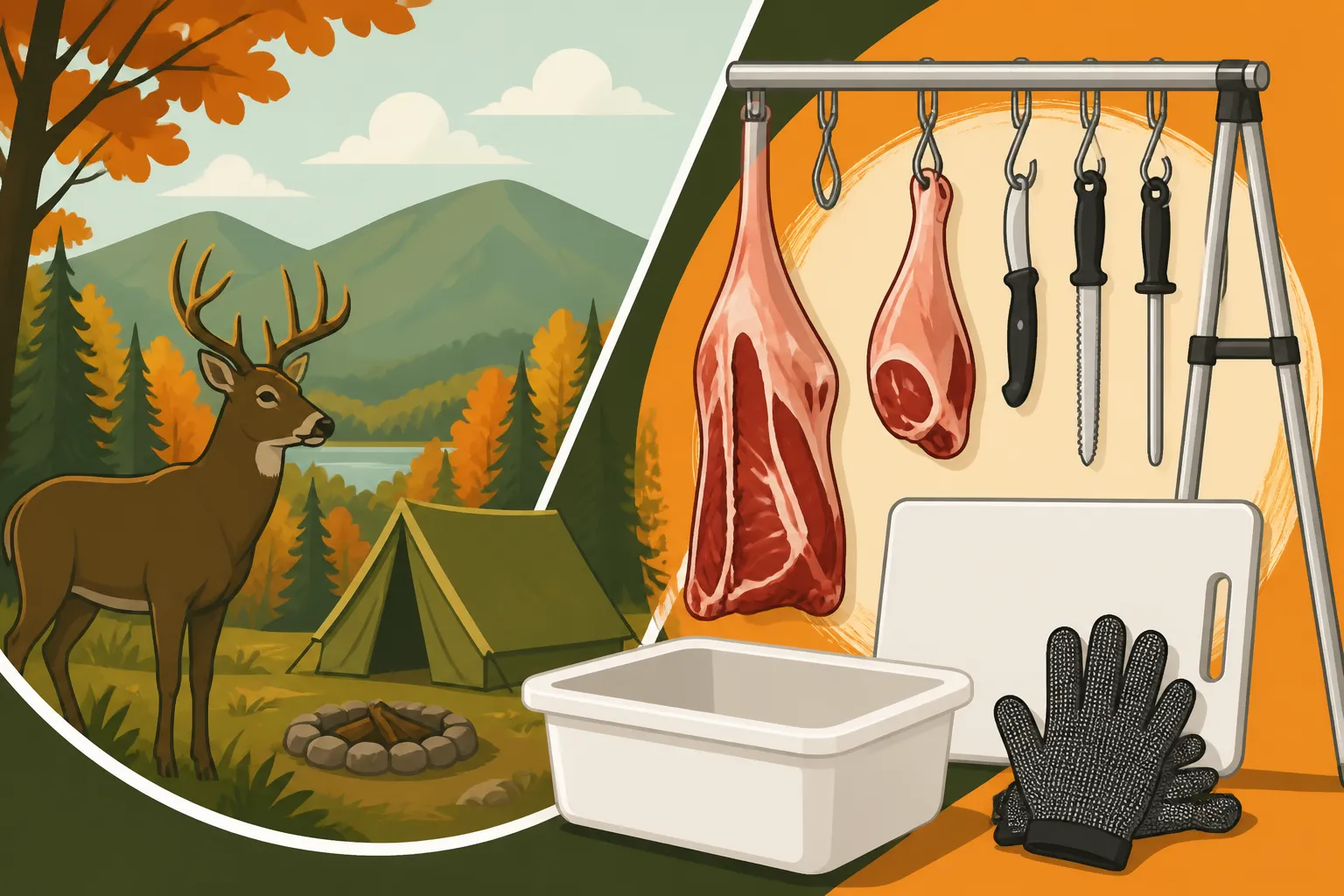
So, what exactly goes into a robust camp meat processing kit? It’s more than just a sharp knife (though that's certainly central!). Think of it as a collection of tools that work together to make the entire process efficient, clean, and safe.
The Foundation: Quality Knives and Sharpening Tools
You absolutely cannot skimp here. A dull knife is not only inefficient but dangerous. Your kit should include:
- Fixed Blade Skinning/Boning Knife: A good quality fixed blade with a comfortable, non-slip handle is indispensable. Look for stainless steel that holds an edge well and is easy to clean. A blade length of around 4-6 inches is versatile for most tasks, from opening the hide to separating meat from bone.
- Replaceable Blade Knife: Many hunters swear by replaceable blade systems like those offered by Outdoor Edge or Havalon. These knives stay razor-sharp because you simply swap out a dull blade for a new one. They are fantastic for precision work, caping, and ensuring clean cuts without stopping to sharpen. Just make sure to bring plenty of spare blades!
- Sharpening System: Even with replaceable blades, a small, portable sharpening stone or a ceramic V-sharpener is a must for your fixed blades. A sharp edge makes all the difference in speed and safety. Keep it handy; you might need it multiple times during a single processing session.
Keeping it Clean: Game Bags and Gloves
Maintaining hygiene is paramount to preserving meat quality. These items might seem basic, but they're critical:
- Game Bags: These are non-negotiable. After you've quartered your animal, each piece of meat needs to go into a breathable game bag. These bags protect the meat from flies, dirt, and debris, while allowing it to cool properly. Look for durable, washable synthetic bags that resist tearing, or sturdy cotton bags for single-use. They come in various sizes, so consider the species you're hunting. For a deer, four quarter-size bags and a couple of smaller ones for backstraps and tenderloins are a good start. For a moose, you'll need significantly larger and stronger bags.
- Nitrile Gloves: Keep several pairs of disposable nitrile gloves in your kit. They provide a barrier against bacteria, keep your hands clean, and are especially important if you have any cuts or abrasions. Change them frequently if they get torn or overly soiled. Some hunters also carry a pair of cut-resistant gloves to wear under their nitrile gloves for added safety during intense boning.
Breaking Down the Beast: Saws and Cordage
While knives do most of the work, some tasks require a bit more leverage:
- Bone Saw/Hatchet: For larger animals, or when you need to split the sternum or pelvis on a deer, a compact bone saw is incredibly useful. They make quick work of bone without dulling your knives. Some hunters prefer a small, sturdy hatchet for chopping through joints or sternums, but saws offer more control and less risk of damaging meat.
- Sturdy Cordage/Para-cord: Having a length of rope or paracord is invaluable. You can use it to tie up legs for easier skinning, or more importantly, to hang quarters from a tree limb to cool overnight. Getting the meat off the ground and exposed to air is crucial for cooling, especially when dealing with warmer conditions or packing out of a remote location like those found when Hunting Green Mountain's Backcountry Wilderness Areas.
Post-Processing Care and Essentials
Once the animal is broken down, your job isn't quite done. These items ensure your meat stays in top condition:
- Ground Tarp or Sheet: Laying down a clean tarp or plastic sheet provides a sterile working surface. It keeps your meat off the dirt and away from contamination while you're processing. This is a simple addition that makes a huge difference in cleanliness.
- Headlamp: Processing often extends into dusk or even after dark, especially if you've harvested an animal late in the day. A reliable headlamp with fresh batteries (and spares!) is absolutely essential. You need both hands free and a bright, focused beam to work safely and effectively. Consider one with a red light option to preserve night vision when not actively cutting. Best Headlamp for a Pre-Dawn Ridge Climb covers why good illumination is critical for any serious hunter.
- Coolers and Ice: Once the meat is bagged and cooled sufficiently, it needs to be packed into coolers with ice for transport. Layering ice in plastic bags over and under your game-bagged meat ensures it stays cold until you can get it to a dedicated cooler or freezer. Remember, the goal is to keep it clean and cold; don't let meat sit in melted ice water.
Building Your Ideal Kit: Considerations for Vermont's Diverse Terrain
Building the "best" kit isn't about buying the most expensive gear; it's about assembling the right tools for your specific hunting style and the conditions you face in Vermont.
Tailoring Your Kit to the Species and Hunt Type
A kit for a whitetail deer hunt near a Champlain Valley dairy farm might look different from one for a backcountry moose hunt in the Northeast Kingdom.
- Deer Hunting: For typical Vermont deer, a good fixed blade, a replaceable blade knife, game bags, gloves, and a small sharpener will cover most scenarios. You might add a compact bone saw if you prefer to split the pelvis or sternum. For a day hunt where you're close to vehicle access, you can afford to bring a slightly larger kit.
- Moose or Bear Hunting: These larger animals demand more robust tools. A heavy-duty bone saw is almost a must. Consider a larger, stronger fixed-blade knife, and definitely more substantial game bags. If you’re packing quarters out of a remote area, you’ll also need to consider your pack system, as discussed in Best Pack for a Northeast Kingdom Moose Hunt. The sheer volume of meat also means more game bags and larger coolers for transport.
- Backcountry vs. Frontcountry: If you're backpacking deep into public land like the Green Mountain National Forest, every ounce matters. You'll prioritize lightweight, multi-functional tools. For hunts closer to roads, you can bring more specialized and less weight-sensitive items. Many hunters, when researching their ideal setup, turn to platforms like GoHunt for reviews and comparisons of different kits and individual tools. It’s a great way to see what others are using successfully in similar conditions.
Weight vs. Functionality: Finding Your Balance
This is the eternal struggle for backcountry hunters. You want all the tools you need, but you don't want to carry a toolbox on your back.
- Minimalist Approach: Focus on a high-quality fixed blade, a replaceable blade knife with spare blades, compact game bags, and nitrile gloves. This setup is lightweight and covers the basics. For a minimalist, a multi-tool with a saw blade can sometimes replace a dedicated bone saw for smaller tasks.
- Comprehensive Approach: If weight isn't as much of a concern (e.g., hunting from a truck camp or short walks from the road), you can include a full set of boning knives, a larger bone saw, more tarps, and even a compact battery-powered headlamp.
- Material Matters: Consider tool materials. Stainless steel is good for rust resistance in wet Vermont conditions. Handles should be easy to grip, even when bloody or wet. GoHunt also offers resources that can help you consider things like Packing Meat Out of a Steep Ravine, ensuring your processing kit is truly fit for purpose.
Essential Kit Components at a Glance
Here’s a quick overview of what to consider for your kit, tailored for Vermont hunting:
| Tool Category | Specific Item | Why it's Essential in Vermont | Key Considerations for Your Kit |
|---|---|---|---|
| Cutting Tools | Fixed Blade Knife | Versatile for skinning, general cuts, durable for rugged use. | 4-6 inch stainless steel blade, ergonomic non-slip handle. |
| Replaceable Blade Knife | Razor-sharp for precise cuts, caping, easy blade swaps. | Plenty of spare blades, compact, lightweight design. | |
| Bone Saw | Crucial for larger game (moose, bear), splitting pelvis/sternum. | Compact, aggressive teeth, easy to clean. | |
| Hygiene/Protection | Game Bags | Protects meat from dirt, flies, allows cooling airflow. | Breathable, durable material (synthetic preferred), various sizes. |
| Nitrile Gloves | Prevents contamination, keeps hands clean and sanitary. | Multiple pairs, durable material. | |
| Ground Tarp/Sheet | Provides a clean working surface, keeps meat off the forest floor. | Lightweight, durable, easy to clean. | |
| Utility/Support | Cordage/Para-cord | Hanging quarters to cool, securing limbs for processing. | Strong, 20-50 feet of line, vibrant color for visibility. |
| Headlamp | Hands-free illumination for early morning or late-night work. | Bright, long battery life, red light option, spare batteries. | |
| Sharpening Stone/System | Maintains blade edge, crucial for safety and efficiency. | Compact, easy to use in the field. | |
| Post-Processing | Coolers & Ice | Keeps meat cold during transport from field to home. | Well-insulated, drain plug, sufficient capacity for your game. |
Field-to-Freezer: Best Practices for Camp Processing
Having the right tools is only half the battle; knowing how to use them effectively and efficiently is the other. Following some best practices will ensure your meat is top-notch.
Hygiene is Non-Negotiable
This is perhaps the most critical aspect. Contamination is the enemy of good wild game meat.
- Wash Hands and Sanitize Tools: Before you even make your first cut, ensure your hands are clean (wear gloves!) and your tools are sanitized. A small bottle of hand sanitizer and some disinfectant wipes can go a long way.
- Keep Dirt and Debris Away: This is where your ground tarp comes in handy. Try to work on a clean surface and avoid dragging meat through dirt, leaves, or pine needles. If a piece of meat gets dirty, trim it immediately.
- Separate Gut Pile: Once the gut pile is removed, keep it well away from your processing area. This minimizes bacterial transfer and reduces flies around your clean meat.
Work Methodically and Efficiently
Don't rush, but don't dawdle either. A systematic approach makes the job quicker and cleaner.
- Skin First: As soon as possible after the animal is down, get the hide off. This is the single most important step for getting body heat out of the carcass. Work slowly and carefully to avoid cutting into the meat.
- Quartering for Pack-Out: For larger animals, or those in remote locations, quartering is the way to go. This involves separating the front shoulders, hind quarters, and then removing the backstraps (loins) and tenderloins. If you're close to a vehicle and planning to hang the whole carcass, just focus on skinning and eviscerating cleanly. Consider consulting Butchering a Deer at Camp for detailed instructions if you plan to do the final cuts yourself.
- Hang to Cool: Once meat is in game bags, hang it in a cool, shady spot with good airflow. In Vermont, this often means finding a sturdy tree limb. Even a few hours of hanging can drastically improve meat quality by allowing internal temperatures to drop. You can learn more about this in Aging Venison in Cold Weather.
Proper Post-Processing Care and Transport
The job isn’t done until the meat is safely home and stored.
- Coolers, Not Bathtubs: Once the meat has cooled sufficiently, pack it into quality coolers. Keep ice in sealed bags to prevent waterlogging your meat. You want the meat cold, but not soaking in melted ice. This keeps the meat clean and ready for further processing or freezing.
- Ethical Disposal of Remains: Be mindful of ethical and legal requirements for disposing of remains. In many public land areas, scattering the gut pile and carcass away from trails and water sources is appropriate, allowing scavengers to do their work. Always check local regulations specific to the area you're hunting. Before you head out, I recommend checking GoHunt or similar resources for any updated regulations specific to carcass handling or waste disposal in Vermont's public lands or WMUs.
- Final Preparation: Once home, your game-bagged meat can be further broken down into roasts, steaks, and grind, or taken to a professional butcher. Always ensure you are following guidelines for Handling Venison From a Healthy Herd.
By investing in a well-thought-out meat processing kit and understanding these best practices, you'll not only make your post-harvest work easier but also honor your quarry by ensuring every ounce of delicious wild game meat is preserved to its fullest potential.
Disclaimer
This article is for general informational purposes only and does not constitute professional advice. Laws, prices and regulations vary by location and change over time. Consult a qualified professional for guidance on your specific situation.