Best Tent for a Multi-Day Public Land Hunt
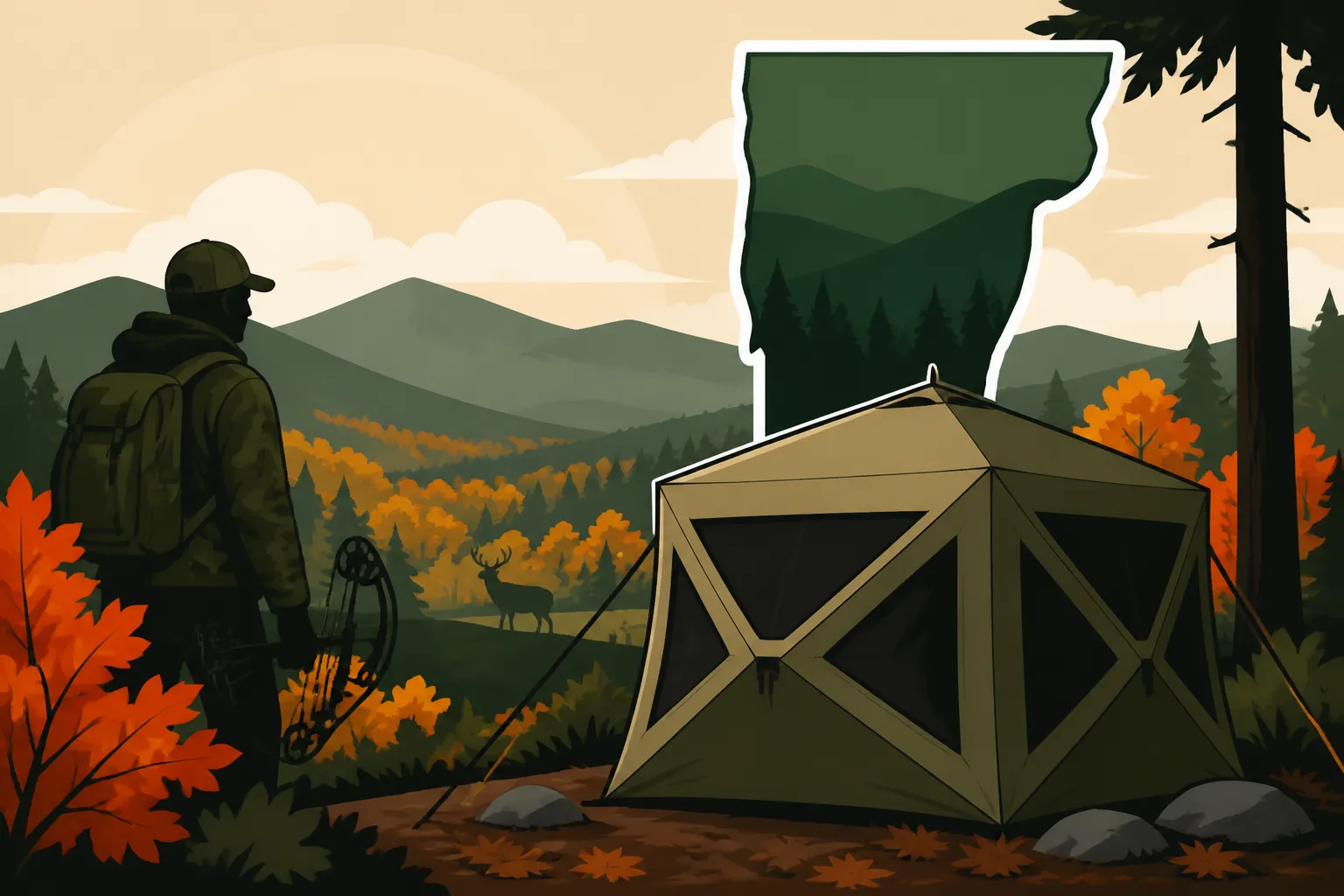
There's nothing quite like the freedom of a multi-day hunting trip on Vermont's vast public lands, but when you're planning to spend several nights out in the Green Mountains, figuring out the right shelter can feel like an overwhelming task. From unpredictable weather swings to hauling your gear deep into the backcountry, choosing a tent that will hold up, keep you comfortable, and not break your back is a legitimate concern. This guide is all about helping you sort through the options and make a smart choice for your multi-day public land hunt in Vermont.
Understanding Vermont's Public Land Camping Regulations
Before you even start looking at tent features, it's absolutely crucial to understand where and how you can actually set up camp on Vermont's public lands. Our state offers incredible opportunities, but it also has specific rules to protect these wild spaces and ensure everyone has a good experience. Ignoring these can lead to fines, or worse, disturbing wildlife and other hunters.
General Camping Rules on National Forest Land
When you're eyeing a spot in the Green Mountain National Forest, which covers a significant portion of the state, remember that backcountry camping is generally allowed, but with some important stipulations. You can usually camp anywhere that isn't specifically designated as "no camping," but you need to be smart about your impact. This means packing out everything you pack in, and I mean everything – including food scraps and spent casings.
You'll often find rules about how far you need to be from roads, trails, and water sources. Typically, this is 200 feet or more, which helps preserve the integrity of those areas and minimizes human disturbance. Always check the specific district rules you plan to hunt in; the Manchester Ranger District might have slightly different nuances than the Rochester/Middlebury District. For those deep dives into planning your trip and understanding the lay of the land, using a robust mapping platform can be incredibly helpful. Before you even set up camp, scouting with a tool like GoHunt can show you terrain features and property lines, ensuring you're legal and respectful of the wilderness.
Camping Regulations on State Forests and Wildlife Management Areas
Vermont's State Forests and Wildlife Management Areas (WMAs) have their own set of rules, which can sometimes be more restrictive than National Forest land. Many WMAs, especially smaller ones, might prohibit camping altogether or only allow it in designated sites. It's not like the wide-open expanse of the National Forest where you can often just find a flat spot and pitch a tent.
You'll want to check the Vermont Fish and Wildlife Department's website for the specific WMA or State Forest you're interested in. Some larger State Forests might have primitive camping areas, but it's rare to simply set up wherever you please outside of those. For instance, if you're planning a trip to Victory Basin Wildlife Management Area, don't assume you can just throw up a tent like you might in the true wilderness. Always, always verify the specific regulations for the piece of public land you intend to use. This diligence saves headaches and helps maintain access for all of us hunters.
Key Factors for Choosing Your Multi-Day Hunting Tent
Once you've got the legalities sorted, it's time to think about what kind of tent will actually serve you well during a multi-day hunt in Vermont. It's not just about finding something to sleep in; it's about finding a reliable, comfortable, and practical shelter that can stand up to the elements and your specific hunting style.
Weight and Packability
Let's face it, if you're doing a multi-day hunt on public land, especially in the Green Mountains or the rugged Northeast Kingdom, you're likely going to be packing your gear on your back. Every ounce counts when you're climbing those steep ridges or navigating dense timber. A heavy tent quickly becomes a liability, turning an enjoyable hike into a grueling slog. You need something that won't feel like a lead anchor in your pack.
Backpacking tents, by design, are engineered for minimal weight and compact size when packed. Look for tents that break down into small, manageable components and fit neatly into your pack without hogging all the space. If you're going in solo, a one-person tent might be ideal, but for two hunters, a lightweight two-person tent often strikes a good balance between weight savings and usable space. Think about the bulk, too – a tent that stuffs down small allows more room for essential items like food, water filters, and extra layers, which are critical for staying safe and effective over several days in the woods. Best Pack for a Northeast Kingdom Moose Hunt might be a good read to understand how to optimize your packing.
Durability and Weather Resistance
Vermont weather is notoriously fickle. You can start a September archery hunt in balmy sunshine and end it with sleet, freezing rain, or even an early dusting of snow. For a multi-day trip, your tent isn't just a fair-weather friend; it's your only refuge from Mother Nature's moods. Investing in a durable, weather-resistant tent isn't a luxury; it's a necessity.
Look for tents made with robust, ripstop nylon or polyester fabrics for both the fly and the floor. The waterproof ratings, often expressed in millimeters (e.g., 2000mm+), will give you an idea of how well it sheds water. Strong, lightweight aluminum poles are also crucial, as they'll flex in heavy winds rather than snap. Pay attention to the tent's shape – dome or tunnel designs tend to shed wind better than tall, boxy structures. A full-coverage rainfly is non-negotiable; it should extend close to the ground to keep wind-driven rain from splashing up and soaking your gear. And don't forget the importance of a good vestibule, a covered area outside the main tent body where you can stash muddy boots, wet rain gear, or even cook safely out of the elements. Layering for Vermont's Long Hunting Season really highlights how quickly conditions can change.
Size and Comfort
While weight and packability are critical, you also need enough space to actually be comfortable and organize your gear for multiple days. A tent that's too cramped can quickly lead to frustration, especially if you're forced inside by bad weather. Consider both floor space and peak height. Can you sit up without hitting your head? Is there enough room to lay out your sleeping pad, bag, and still have space for your pack, rifle, or bow?
For solo hunters, a true one-person tent can feel a bit like a coffin, especially if you have a lot of gear. Sometimes, a spacious one-person or a compact two-person tent offers a much better balance. For two hunters, a three-person tent can often be more comfortable than a tight two-person, giving you room to move, sort gear, and perhaps even process small game or adjust clothing without feeling like you're in a sardine can. Think about headroom, especially if you're a taller hunter. The ability to comfortably sit up and change clothes without contorting yourself can make a huge difference in your morale during a long, cold, or wet spell.
Types of Tents Suited for Vermont Hunts
When we talk about tents for multi-day hunting trips in Vermont, we're generally looking at a few main categories, each with its own set of advantages and disadvantages. Your choice will largely depend on how deep you're going, how long you're staying, and what kind of comfort level you prioritize.
Backpacking Tents: Lightweight and Agile
Backpacking tents are the go-to for hunters who prioritize mobility and minimal weight. These are typically smaller, lighter, and designed to pack down to an impressively small size. They come in various configurations, from ultralight single-wall shelters to more robust double-wall designs.
The biggest upside here is how easy they are to carry. If your hunt involves miles of hiking into rugged terrain, climbing to a Green Mountain Ridgeline Public Access point, or setting up a spike camp far from any vehicle access, a backpacking tent is your best friend. They're quick to pitch and take down, which is a huge bonus when you're trying to get set up before dark or break camp quickly in the morning. However, this lightness often comes with trade-offs. They can be less spacious, offer limited headroom, and sometimes prioritize weight savings over extreme durability or four-season warmth. Condensation can also be an issue in single-wall designs, especially in Vermont's damp autumn air. Still, for the hunter who wants to cover ground and remain agile, there's nothing better.
Wall Tents and Canvas Tents: Base Camp Comfort
On the complete opposite end of the spectrum, we have wall tents and other canvas or heavy-duty synthetic shelters. These are the quintessential "camp" tents, often seen in more established hunting camps or when hunters use an ATV or vehicle to get deep enough to set up a semi-permanent base. These are not designed for packing on your back for miles.
Their primary advantage is space and comfort. Wall tents offer plenty of room to stand up, spread out, and even fit a small wood stove for heat, making them incredibly cozy during cold, late-season hunts. The heavy canvas material is durable and breathable, minimizing condensation while standing up to harsh weather. They often feature large doors and windows. This type of tent is perfect if your multi-day hunt involves setting up a central hub from which you'll make daily forays. Think about hunting a drawn moose zone in the Northeast Kingdom, where having a warm, dry place to return to each evening is invaluable. The downside is obvious: weight and bulk. Hauling one of these beasts requires a vehicle, pack animals, or a very short drag from a Gated Logging Road Beyond the Public Lot. They also take longer to set up.
Tipis and Pyramid Tents: A Modern Compromise
Somewhere in between backpacking tents and full-blown wall tents, you'll find modern tipi or pyramid-style tents. These often use a single central pole (or sometimes trekking poles rigged together) and lighter, durable synthetic fabrics. They offer a fantastic blend of relatively low weight and generous interior space.
Many contemporary tipi-style tents are designed to be used with a small, ultralight wood stove, providing the warmth and comfort of a wall tent but in a much lighter package. This allows hunters to pack in a comfortable, heated shelter to more remote locations than a traditional wall tent. The single-pole design makes them very stable in wind, and the steep sides shed snow and rain effectively. They might not offer full standing height everywhere, but they provide ample room to sit up, organize gear, and move around without feeling claustrophobic. These are gaining popularity for extended backcountry trips, offering a good balance between weight, durability, and livability. For those long, cold sits during Hunting Into the December Muzzleloader Close, a heated tipi can be a game-changer.
Setting Up and Maintaining Your Camp in the Field
Having the right tent is one thing, but knowing how to properly set it up and maintain your camp in Vermont's wild environment is just as crucial for a successful multi-day hunt. It's about more than just pitching poles; it's about minimizing your impact, staying safe, and ensuring your shelter performs as it should.
Choosing the Right Campsite
The location of your tent can make or break your trip. You want a spot that's relatively flat, well-drained, and protected from the elements. Avoid setting up in low-lying areas or depressions, as these tend to collect cold air and water – especially after a heavy rain or early snowmelt. Look for natural windbreaks, like a dense stand of softwoods or the lee side of a ridge. However, don't set up directly under dead trees or large dead branches ("widowmakers") that could fall in a strong wind or heavy snow.
Consider your proximity to water, but also adhere to regulations about distance from water sources. Too far, and you're hauling water; too close, and you might contaminate the source or disturb wildlife. Thinking about game trails is also important: you don't want to camp directly on a major deer or bear travel corridor, both for safety and to avoid disturbing the very animals you're hunting. Using a GPS mapping app like the one offered by GoHunt can really assist in scouting good potential campsites, showing you elevation changes, water sources, and access roads or trails, even before you leave home. A little pre-scouting goes a long way.
Proper Tent Pitching and Anchorage
Even the best tent will fail if it's not pitched correctly. Always lay out your footprint or ground cloth first, if you're using one, to protect the tent floor. Make sure the tent body is taut, but not over-strained, when you insert the poles. The rainfly should be securely attached and pulled taut over the tent body, creating an air gap between the two for insulation and condensation management.
Crucially, use all the provided guy lines and stakes. In Vermont, unexpected wind gusts can come roaring through the valleys or over ridges, especially during a storm. Securing every guy line will prevent your tent from collapsing or even blowing away. If the ground is too soft for stakes, tie off to sturdy trees or rocks. If you expect snow, consider a tent with stronger poles and a design that sheds snow effectively, and be prepared to brush off accumulated snow periodically to prevent collapse. A solid pitch means a solid night's sleep, which is vital for staying sharp on a multi-day hunt.
Camp Maintenance and Organization
Living out of a tent for several days requires a degree of discipline when it comes to organization and cleanliness. Keep your gear sorted and in its designated place inside the tent. Use stuff sacks or dry bags to keep clothing and sleeping gear dry and tidy. Muddy boots and wet outerwear should ideally stay in the vestibule or a designated area to prevent tracking dirt and moisture into your sleeping space.
Ventilation is key to reducing condensation inside the tent, especially in cooler weather. Open vents or crack zippers whenever possible, even if it's just for a few minutes. If you're using a stove in a tipi or wall tent, ensure proper ventilation to avoid carbon monoxide buildup. Food storage is another critical aspect: always keep food and scented items secured away from your tent to avoid attracting curious critters, especially bears, which are plentiful across Vermont. Using a bear bag or a bear canister hung away from camp is standard practice. Remember, you're a guest in their home, and leaving no trace is paramount. This includes packing out all trash, including food wrappers and even things like orange peels.
| Tent Type | Key Advantages | Key Disadvantages | Ideal Vermont Hunt Scenario |
|---|---|---|---|
| Backpacking Tent | Lightweight, highly portable, quick setup. | Limited space, less durable/warm, prone to condensation. | Solo or duo spike camps deep in Green Mountain backcountry. |
| Wall Tent | Ample space, room for stove, very durable, warm. | Heavy, bulky, slow setup, requires vehicle/pack animal. | Established base camp accessible by vehicle for late-season rifle hunts. |
| Tipi/Pyramid Tent | Good space-to-weight ratio, stove compatibility, wind stable. | Single pole can be awkward, less standing height than wall tent. | Multi-day backcountry hunt with stove for comfort, accessible by foot. |
Disclaimer
This article is for general informational purposes only and does not constitute professional advice. Laws, prices and regulations vary by location and change over time. Consult a qualified professional for guidance on your specific situation.