Best Broadhead for a Vermont Whitetail
Vermont whitetail bowhunting requires selecting a reliable broadhead to ensure clean passes through thick cover and bone.
See it before it sees you.
Binoculars, spotting scopes, and rangefinders, plus packs, boots, layering systems, blinds, and stands that earn their weight.
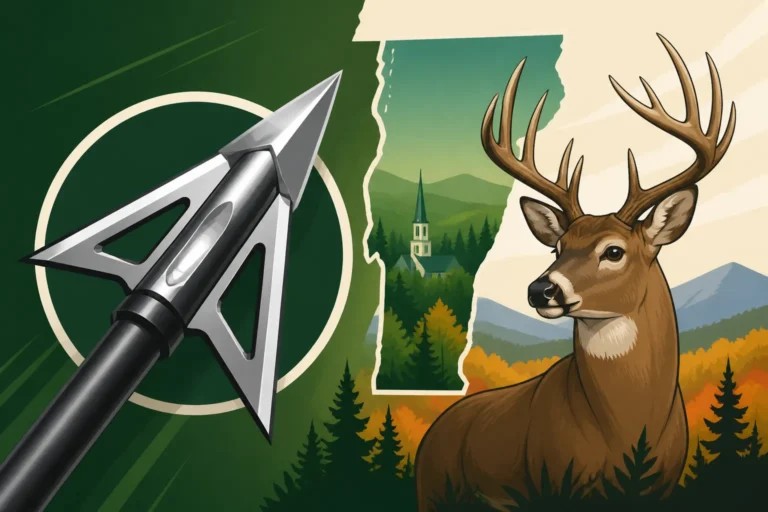
Vermont whitetail bowhunting requires selecting a reliable broadhead to ensure clean passes through thick cover and bone.
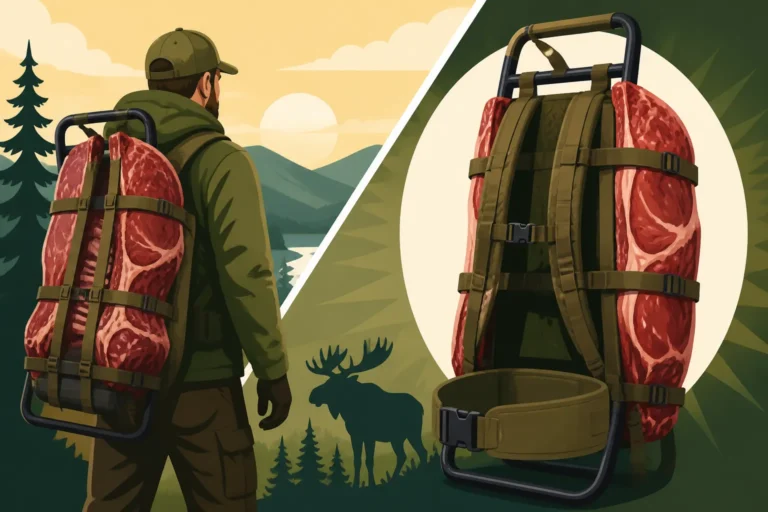
Backpack frame selection details help hunters haul eight hundred to twelve hundred pound moose meat loads safely from Vermont woods.
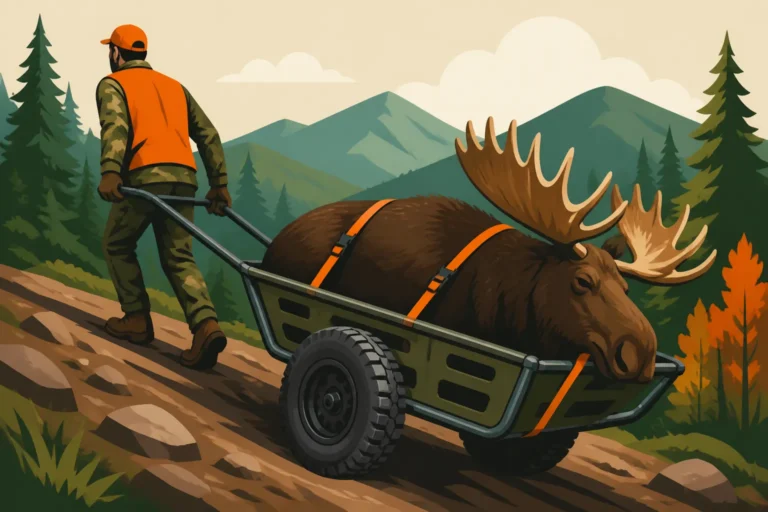
Choosing heavy-duty game carts helps hunters haul heavy Vermont moose weighing up to twelve hundred pounds out of rough wilderness terrain.
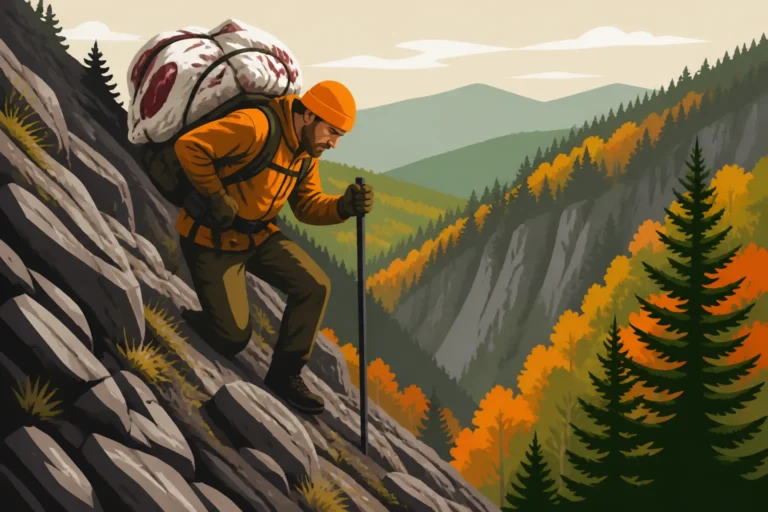
Vermont deer hunters learn safe methods to pack venison out of steep ravines using specialized frame packs and trekking poles.
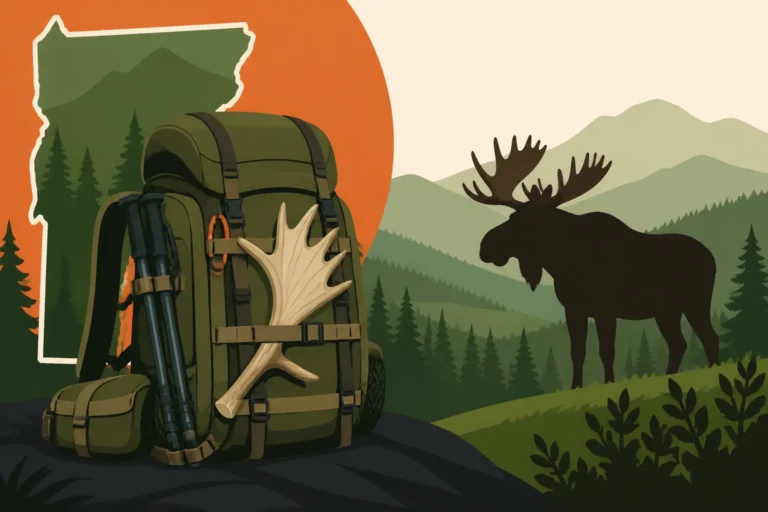
Vermont moose hunting pack requirements for hauling heavy loads through rugged Northeast Kingdom terrain and remote spruce swamps.
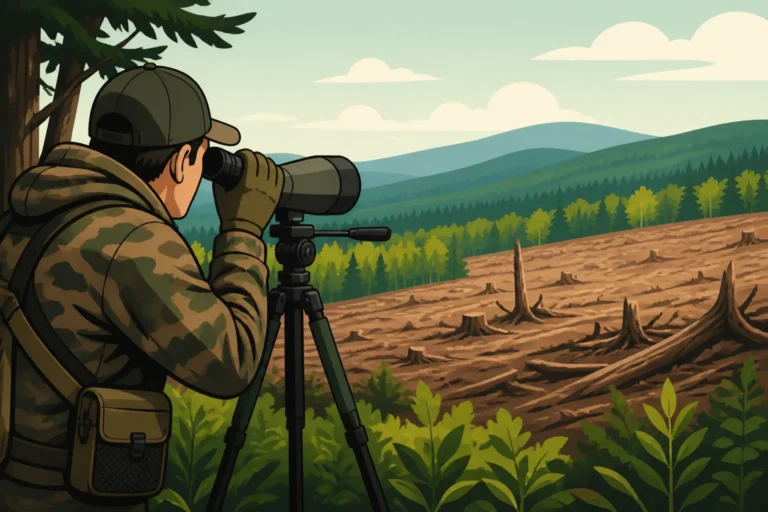
Proper tripod setups provide optical stability for glassing Vermont clear-cuts, eliminating hand shake to reveal hidden game details.
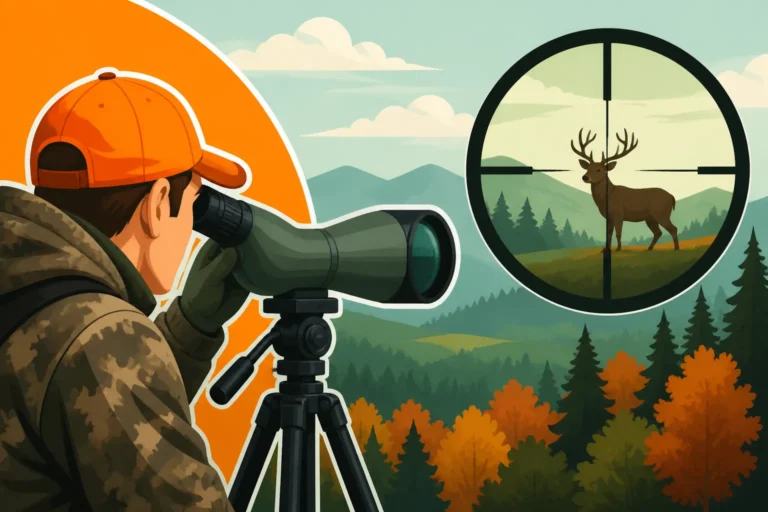
Vermont timber spotting scopes require balanced magnification ranges and large objective lenses to penetrate dense, low light woods.
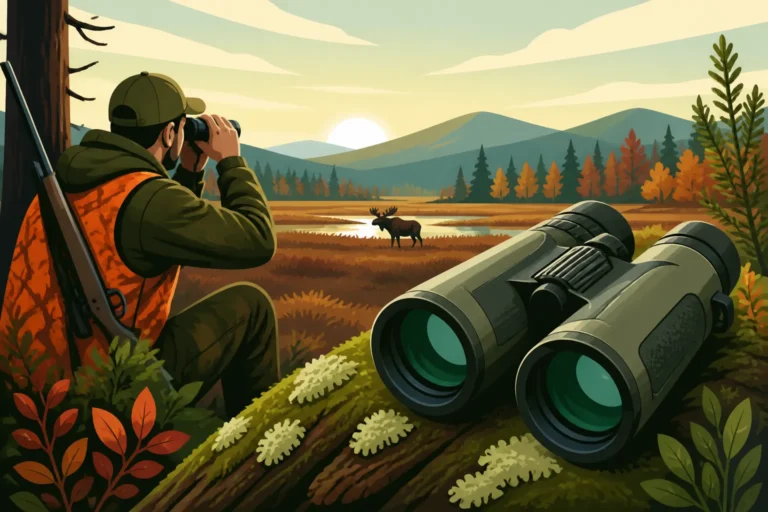
Binoculars for Vermont bogs help hunters navigate low light, moisture, and dense cover to spot game at fifty or two hundred yards.
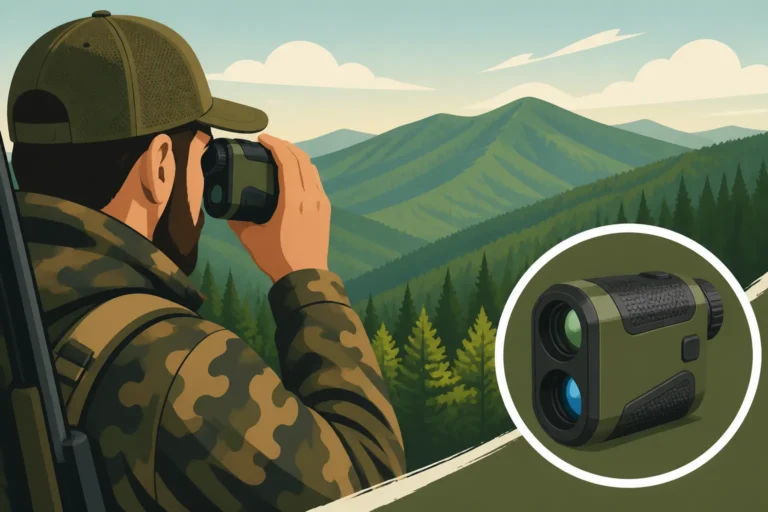
Rangefinder performance in Vermont hills involves steep elevation changes, dense softwood timber, and tricky light conditions.
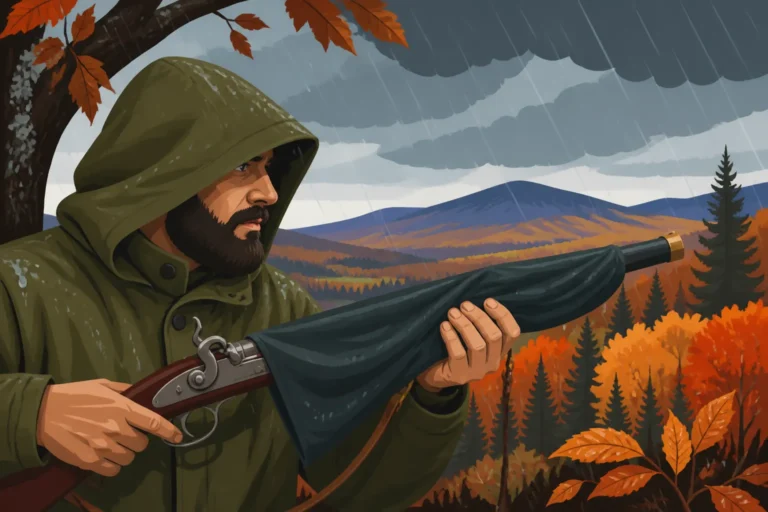
Late-fall rain and wet charges threaten hunts. Practical strategies keep your muzzleloader dry and dependable in Vermont.