Hunting Small Woodlots Near Burlington
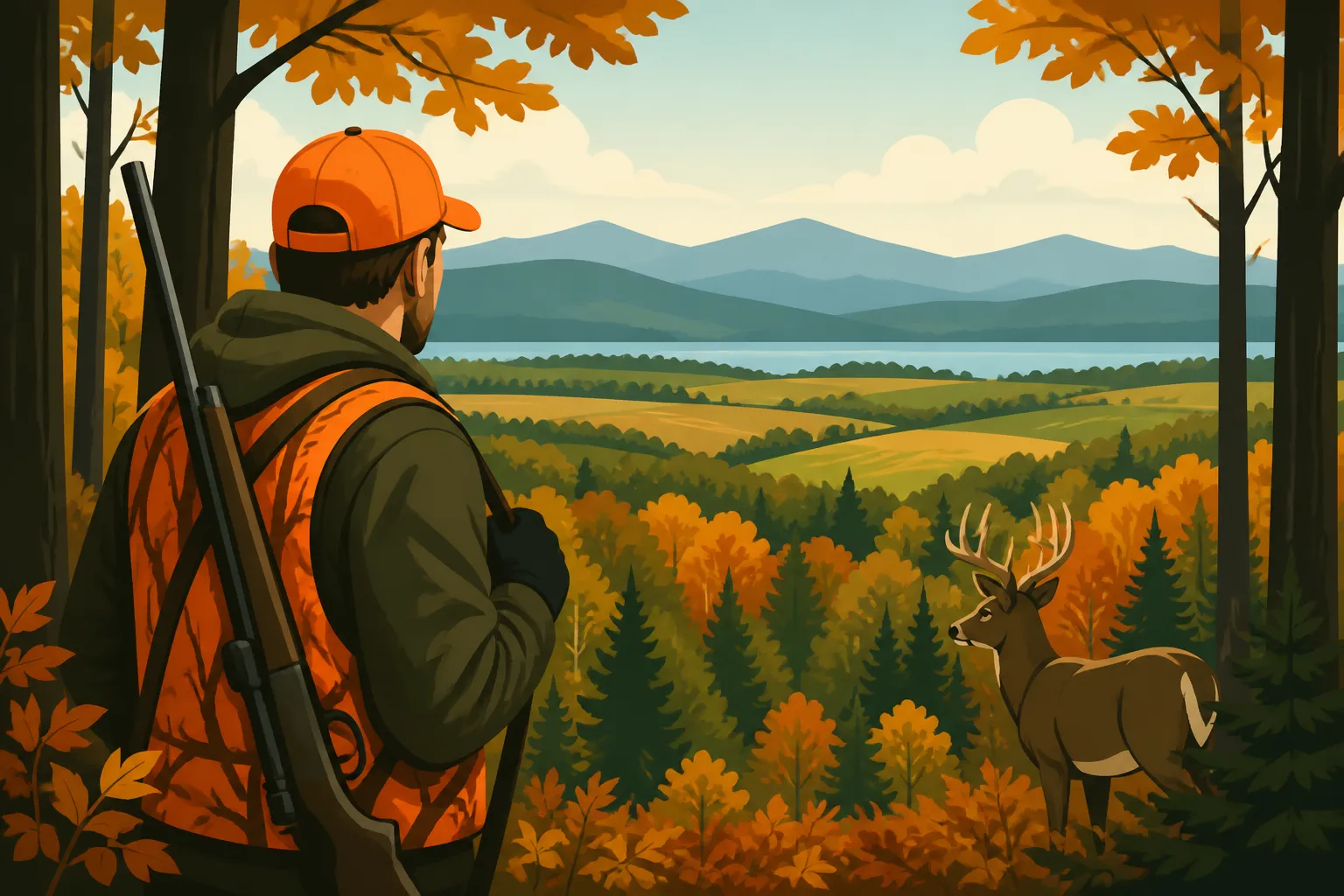
Hunting for deer in the small woodlots surrounding a bustling area like Burlington often feels like you're trying to find a needle in a haystack, or worse, trying to hunt in a zoo. The unique blend of limited acreage, persistent human activity, and highly pressured deer can be incredibly frustrating. This guide is designed to help you cut through that complexity, providing actionable strategies to successfully hunt those often-overlooked patches of timber and field edges right on the fringes of Vermont's largest city.
The Unique Challenges and Opportunities of Suburban Woodlots
Hunting close to civilization presents a very different set of circumstances than still-hunting remote tracts in the Northeast Kingdom. You're not just contending with the deer; you're contending with an entire ecosystem of human influence, which means your tactics need a complete overhaul.
Navigating Human Presence and Property Lines
One of the most immediate frustrations when considering small woodlots near Burlington is the sheer amount of human activity. Imagine finally finding a promising patch of woods, only to have your early morning sit interrupted by a dog walker, or worse, your carefully laid plans disrupted by the sound of leaf blowers and lawnmowers from nearby homes. Deer in these areas are constantly exposed to people, vehicles, and domestic animals, making them incredibly wary and quick to adapt. They're not going to stand around for a long look, which demands precise planning from you.
On top of human activity, property lines become an absolute maze. You might find a great sign on one parcel, only to realize the prime bedding area is just across the line on someone else's land. This is where modern mapping tools become indispensable. Services like GoHunt allow you to precisely identify property boundaries, understand land ownership, and even visualize topographical features that might create natural funnels, all before you even step foot in the woods. This digital scouting is the first step in avoiding accidental trespass and ensuring you're hunting legally. Moreover, understanding the exact boundaries is crucial for planning your entry and exit routes, ensuring you don't spook deer while still respecting private property. It's also vital for knowing the legal setbacks for discharging a firearm or bow, which are particularly strict near residences in Vermont.
Understanding Local Deer Behavior
Forget everything you think you know about "dumb deer" when hunting small woodlots near Burlington. These whitetails are incredibly intelligent and have developed unique survival strategies in response to constant human pressure. They are predominantly nocturnal or crepuscular, meaning their most significant movements happen under the cover of darkness or in the very dim light of dawn and dusk. During daylight hours, they often bed in the thickest, nastiest cover they can find – even if it's just a small briar patch or a dense stand of young cedars right on the edge of a backyard.
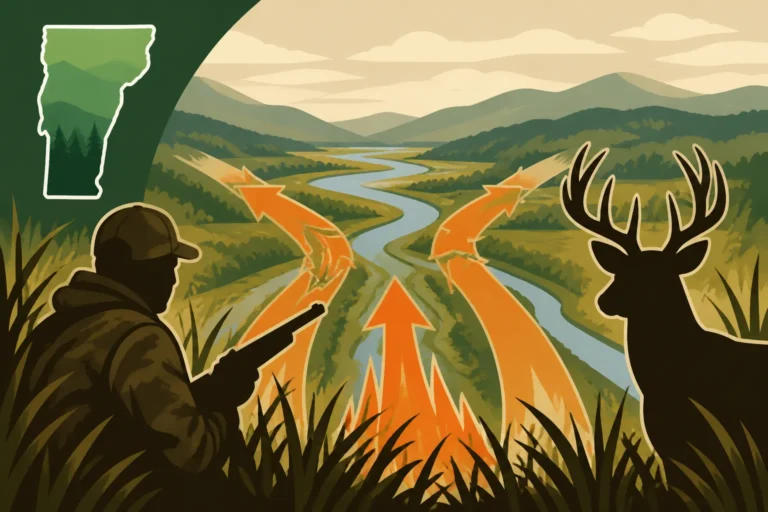
Their food sources are also broader and often more diverse than deer in big woods. While they still browse on natural vegetation, they'll readily hit suburban gardens, ornamental plantings, and even fallen apples from backyard trees. These unconventional food sources can sometimes offer unique hunting opportunities if you gain permission to hunt adjacent to them. Deer will use any available cover to move between these food sources and their bedding areas, often utilizing drainages, fencelines, overgrown ditches, and even narrow strips of woods between residential developments as travel corridors. Learning to read these subtle pathways is key to anticipating their movements. They know exactly when and where people are likely to be, and they adapt their routines to avoid those encounters, creating short, intense windows of opportunity for the patient hunter.
Scouting and Gaining Access to Burlington's Small Tracts
To effectively hunt these challenging yet rewarding areas, your scouting efforts need to be both meticulous and discreet. Finding the right piece of ground and securing permission are often the biggest hurdles.
Digital and Physical Scouting Strategies
Before you ever lace up your boots, start with a comprehensive digital scouting mission. Using satellite imagery on platforms like GoHunt is invaluable. Zoom in and identify those isolated woodlots, fingers of timber, or overgrown hedgerows that might not look like much at first glance but could hold deer. Look for natural funnels where deer would be forced to travel through a constricted area, pinch points between fields and houses, or areas with thick cover bordering potential food sources. These aerial views can reveal much about deer movement patterns, helping you strategize your approach. Don't underestimate the power of Reading Aerial Photos for Green Mountain Deer – it’s a game-changer for identifying overlooked habitat.
Once you’ve identified a few promising spots, it's time for physical scouting. This needs to be done with utmost discretion to avoid alerting deer or disturbing landowners. Early spring, after the snow melts but before heavy foliage, is an excellent time to get in and look for sign from the previous season, like old rub lines, scrapes, and well-worn trails. Similarly, late summer, when crops are high, can offer opportunities to slip in unnoticed. Focus on finding fresh tracks, droppings, and active rub lines from the current season. Pay close attention to transition areas – where different types of cover meet, or where woods meet a field edge. These are often high-traffic zones. Remember, even in small woodlots, deer will have preferred bedding areas; look for heavy cover that offers a clear escape route. Learning Finding Sign in Green Mountain Timber techniques applies just as well to these smaller parcels, often with more concentrated results.
Securing Permission on Private Land
In the Burlington area, public land opportunities are limited, making landowner permission absolutely critical for hunting small woodlots. This is often the most daunting part, but a respectful, well-thought-out approach can open many doors. Start by identifying the landowners of the parcels you're interested in, often discoverable through your GoHunt app or local town records.
When approaching a landowner, be polite, well-groomed, and prepared. Introduce yourself, explain your intentions clearly, and always offer to show them your hunting license and proof of hunter education. Emphasize your commitment to safety, adherence to all regulations, and your respect for their property. Many landowners are wary of hunters due to past negative experiences; differentiating yourself is key. Offer to help them with chores, perhaps clearing some brush, assisting with garden work, or sharing some of your harvested venison. Building a trusting relationship often pays dividends year after year. For your peace of mind and theirs, always ask for written permission, clearly stating the dates and areas you're permitted to hunt. This prevents misunderstandings down the road and reinforces your commitment to being a responsible hunter. Remember, gaining permission is a privilege, not a right, and maintaining a positive relationship is paramount for continued access.
Effective Hunting Strategies for Pressured Deer
Hunting these elusive, urban-savvy whitetails requires a level of stealth and precision that might surprise even experienced big woods hunters. Every move, every scent, every sound can make the difference between success and an empty handed walk back to the truck.
Low-Impact Entry, Exit, and Stand Placement
The cardinal rule for hunting small, pressured woodlots is to minimize your disturbance. Deer in these areas are hyper-aware of human presence. This means planning your entry and exit routes meticulously to avoid spooking game, especially during prime hunting hours. Consider parking your vehicle well away from your intended hunting area, even if it means a longer walk, to avoid signaling your presence. Walk quietly, stick to natural cover, and avoid disturbing obvious deer trails on your way in.
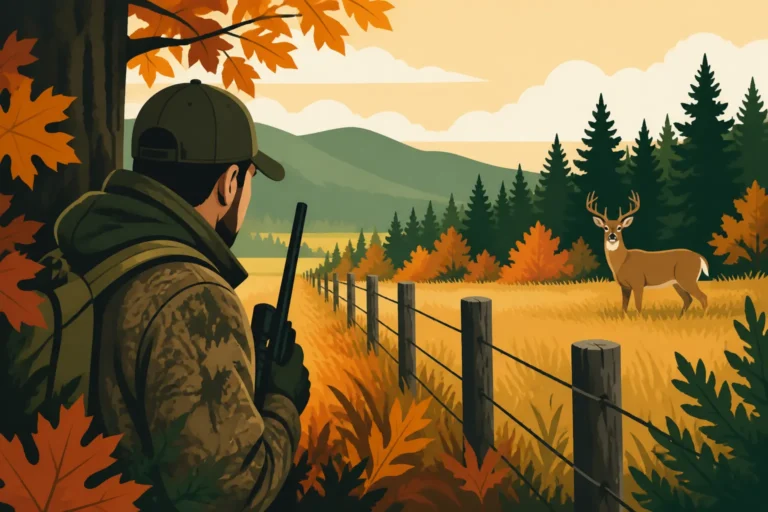
Stand placement is absolutely critical. In limited acreage, you need to be in a spot that maximizes your chances while minimizing your impact. Look for natural funnels, pinch points, or the very edges of bedding areas. Often, these deer will stage in thick cover just before dark, waiting for human activity to subside before moving to feed. Placing a stand overlooking a narrow transition zone where they feel secure to move can be incredibly effective. Sometimes, you'll be Hanging a Stand on a Champlain Valley Field Edge, using the field as a boundary to limit deer movement, or placing it in a dense softwood pocket where deer retreat. Given the density of surrounding homes, selecting a stand location that allows for an ethical, downhill shot with a clear backdrop is also paramount for safety.
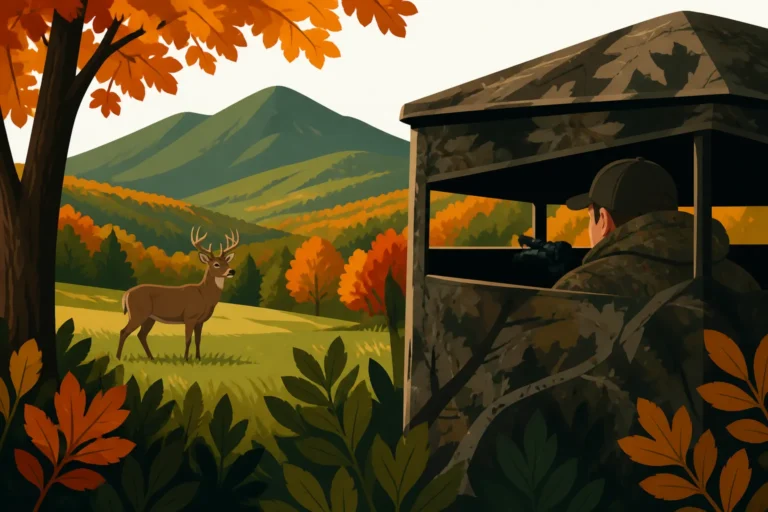
In situations where suitable trees for a treestand are scarce or when you need to be extremely mobile, ground blinds can be an excellent option. They offer concealment and help contain your scent, which is a huge advantage. You can effectively Using a Ground Blind on Public Land principles even on these private tracts, brushing them in naturally to blend with the surroundings. This strategy is particularly good for quick sets or when hunting with a younger hunter who might have trouble in a treestand.
Scent Control and Wind Awareness
If there's one area where you absolutely cannot compromise when hunting suburban deer, it's scent control. These deer are often busted by even the faintest whiff of human odor. Shower with scent-free soaps, wash your hunting clothes in scent-eliminating detergents, and store them in airtight containers. Use scent-eliminating sprays on yourself and your gear before heading out. Every little bit helps.
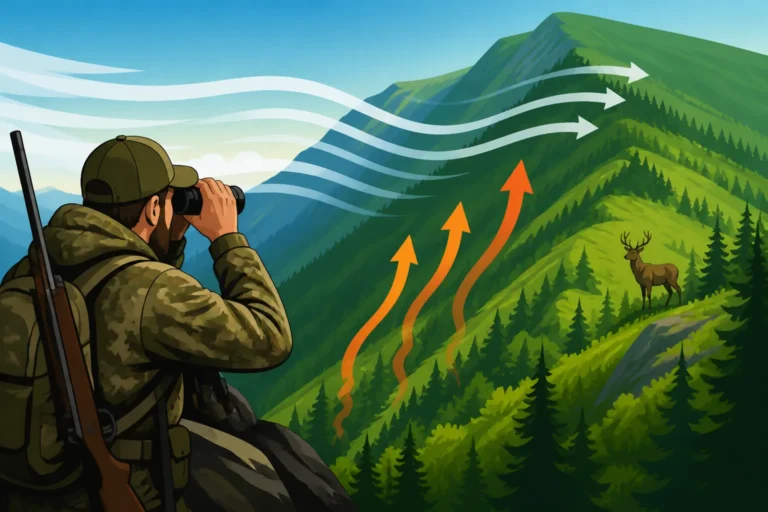
Beyond minimizing your scent, understanding and playing the wind is non-negotiable. Always know the prevailing wind direction and how it will interact with the local topography. Even small dips, rises, or structures can create tricky thermal currents, especially in the early morning as the air warms or in the evening as it cools. In these small woodlots, a swirling wind can immediately give away your position. Check multiple wind apps, use a milkweed seed or powder bottle frequently, and choose your stand site accordingly. If the wind isn't right for your chosen spot, don't hunt it. It’s better to wait for another day or find an alternative location rather than blowing out your best spot.
Patience, Timing, and Quick Shots
Hunting highly pressured deer in small woodlots often comes down to short, intense windows of opportunity. Don't expect deer to leisurely walk by your stand for an extended period. They will often appear suddenly, pause briefly, and then disappear. This means you need to be patient, stay absolutely still, and be ready to make a quick, ethical shot when the chance arises. Focus on the most active periods: the first hour after sunrise and the last hour before sunset are typically your best bets.
Understanding the timing of their movements relative to human activity is also key. After a busy workday, as people head inside, deer might start to venture out. Conversely, an early morning hunter might catch deer heading back to bed after a night of feeding. Don't underestimate the impact of Hunting Pressure on Vermont Public Land, and how it pushes deer into these smaller, often privately owned, sanctuaries. These deer learn to pattern human behavior, so being unpredictable in your timing can sometimes pay off. If you get a shot, be prepared to act quickly and follow up efficiently.
Post-Harvest and Ethical Considerations
Successfully harvesting a deer in a small, suburban woodlot is only part of the equation. What you do afterward is just as important, not only for the sake of the game but also for maintaining good relations with landowners and the non-hunting public.
Efficient Tracking and Recovery
Once you’ve taken a shot, the immediate aftermath is crucial. In small woodlots, deer can quickly cross property lines or even run into residential areas. Knowing when to track is vital; often, waiting 30-60 minutes for a good shot (or several hours for a questionable one) allows the deer to bed down and expire. If the deer runs onto an adjacent property for which you don't have permission, the situation can become delicate. You might need to contact the landowner immediately to explain the situation and ask for permission to retrieve your animal. Having their contact information readily available is a smart move. In Vermont, retrieving game from private land generally requires permission, even if you’ve lawfully harvested it on another parcel. It's always best to be proactive and respectful.
Be prepared to perform Field Dressing a Deer in Cold Weather or warm weather efficiently and discreetly. Having a sharp knife, gloves, and perhaps a small tarp or game bags will facilitate a quick field-dressing process. The goal is to get the animal out of sight and off the property as quickly and cleanly as possible to avoid alarming neighbors or creating a spectacle. A small game cart can be invaluable for quiet and efficient extraction, especially if you have to navigate uneven terrain or a short distance through a residential area. For a more remote recovery, consider the strategies for Dragging a Deer Out of a Steep Ravine that can be adapted for challenging suburban terrain.
Respecting Neighbors and Regulations
After a successful hunt, your conduct truly matters. The visibility of hunting activities near residential areas can shape public perception. Discreetly remove your harvested game from the property. If you’re processing it at home, do so out of public view. Remember that all harvested deer must be reported. Fortunately, Registering a Vermont Deer Online or through the Vermont Fish and Wildlife Department app makes this process incredibly convenient and quick, often doable right from the field. Ensure you meet The Vermont Deer Reporting Deadline to stay compliant.
Always adhere to Vermont Blaze Orange Requirements during appropriate seasons, even if you're bowhunting on private land during a firearm season. This not only keeps you safe but also visually communicates to non-hunters that you are a responsible and lawful hunter. The perception of hunting can be fragile in these areas, so every effort to be courteous, respectful, and law-abiding helps ensure continued access for all hunters. Maintaining a positive image in the community is key to ensuring that these small, valuable hunting opportunities remain available for years to come.
Comparison of Hunting Scenarios
| Feature | Small Woodlots Near Burlington | Traditional Big Woods Hunting (e.g., Green Mountains) |
|---|---|---|
| Deer Density | Often moderate to high, but deer are highly wary. | Varies, can be low in vast tracts; deer less pressured. |
| Human Pressure | Extremely high (walkers, homes, vehicles, pets). | Low to moderate (other hunters, occasional hikers). |
| Scouting Approach | Digital maps critical, discreet physical checks, focus on pinch points. | Extensive physical scouting, focus on large food sources, bedding. |
| Scent Control | Absolutely paramount; minimal margin for error. | Important, but slight lapses might be more forgiving. |
| Shot Opportunities | Typically quick, close range, short windows; often at dawn/dusk. | Can be more relaxed, more time to assess; broader daylight movement. |
| Access Type | Primarily private land, requiring permission; limited public. | Extensive public land access (GMNF, WMAs). |
| Recovery Strategy | Swift, discreet removal essential; potential for crossing property lines. | More time/space for tracking; less concern about immediate neighbor interaction. |
| Primary Challenge | Navigating human presence & highly educated deer. | Covering vast territory & finding deer in sparse populations. |
| Gear Focus | Stealth, scent control, compact setup, mapping tools. | Comfort, durability, navigation, long-range optics. |
Disclaimer
The information provided in this guide is for general informational purposes only and does not constitute legal advice. Hunting regulations and landowner permissions are subject to change. Always consult the latest Vermont Fish and Wildlife Department regulations and obtain explicit permission from private landowners before hunting. Your safety and compliance with all laws are your sole responsibility.