Vermont River Otter Trapping Season
Vermont river otter trapping regulations provide legal rules for harvesting furbearers in waterways and beaver flowages.
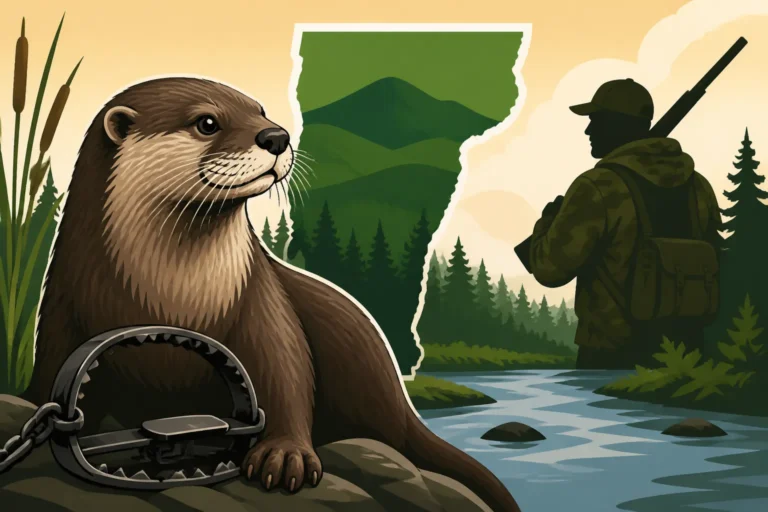
Vermont river otter trapping regulations provide legal rules for harvesting furbearers in waterways and beaver flowages.
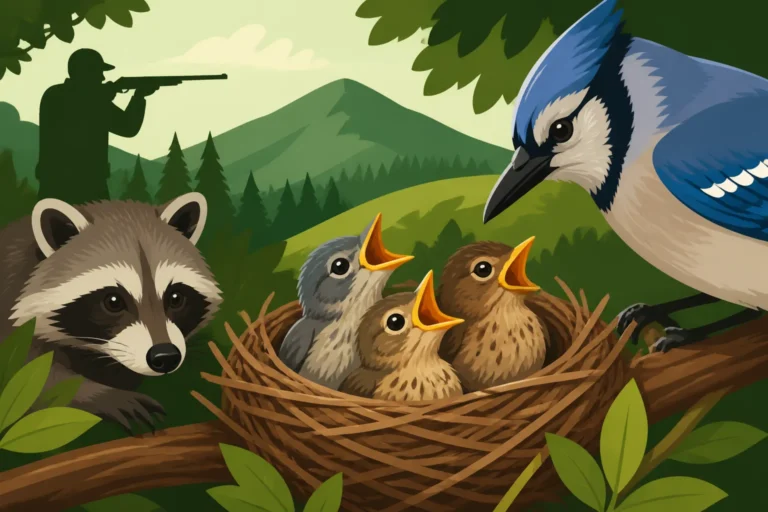
Vermont songbird nest predation involves mammals like raccoons, skunks, and coyotes consuming eggs and defenseless hatchlings.
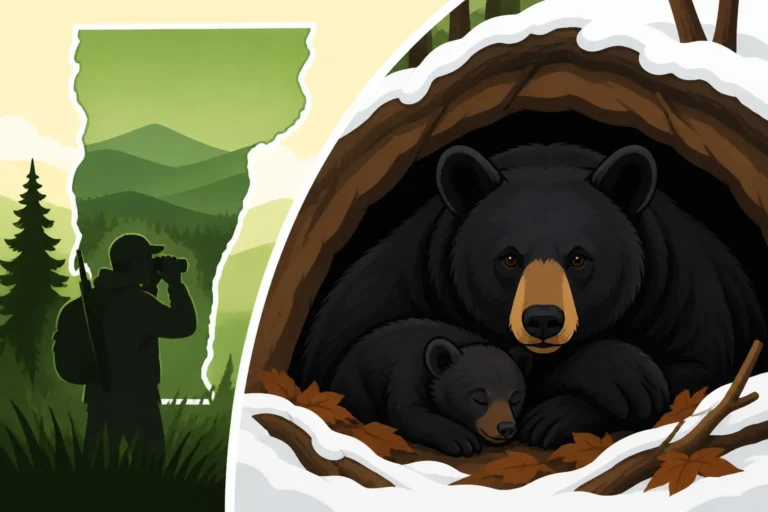
Vermont black bears enter winter torpor in Green Mountain rock dens, hollow logs, and root masses to survive seasonal food shortages.
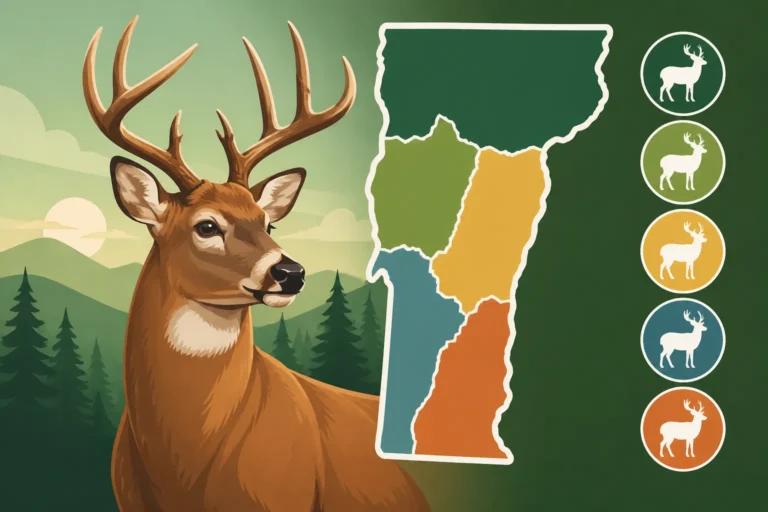
Vermont deer weight averages vary by region due to habitat, nutrition, age class, genetics, and hunting pressure across local herds.
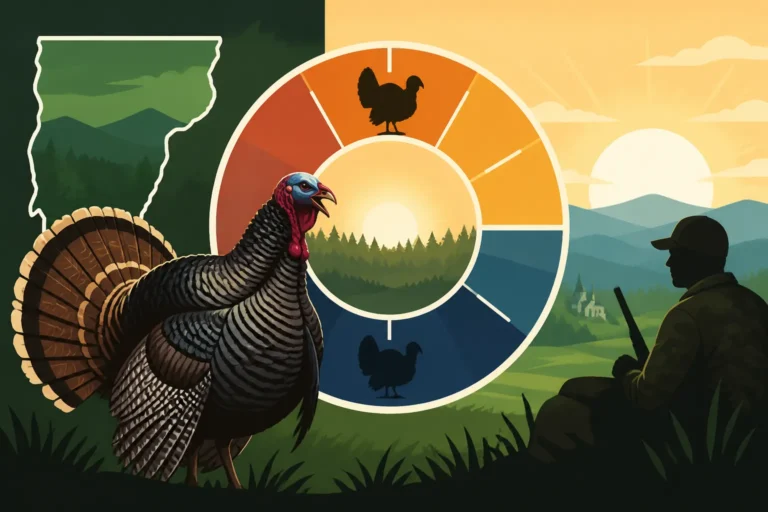
Vermont spring turkey gobbling activity patterns, peak breeding dates, and environmental factors influencing daily bird calls.
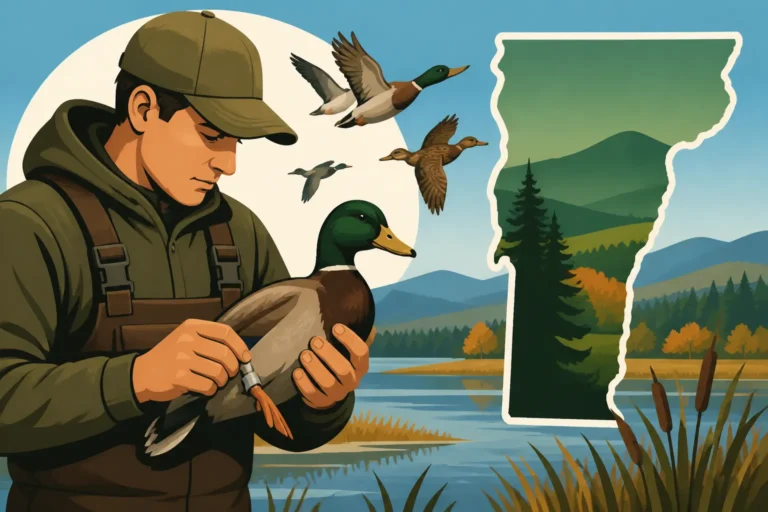
Vermont waterfowl banding programs provide crucial data on migration routes, survival rates, and harvest statistics to manage populations.
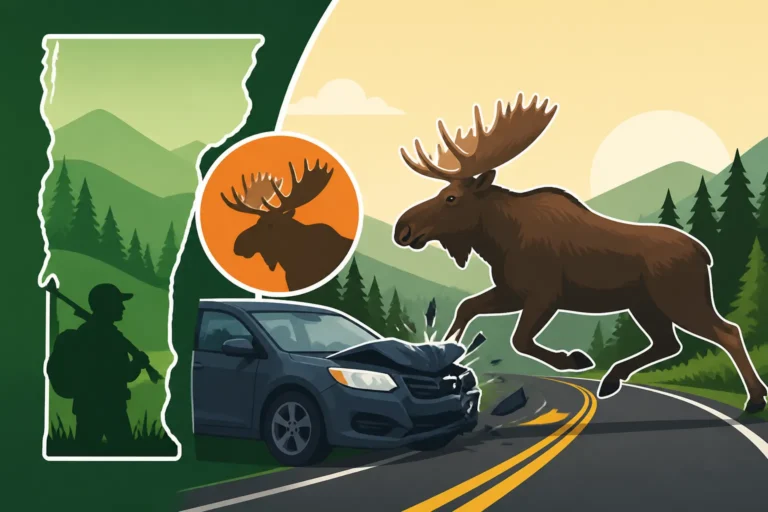
Vermont moose vehicle collisions present severe risks to drivers because adult moose weigh upwards of a thousand pounds.
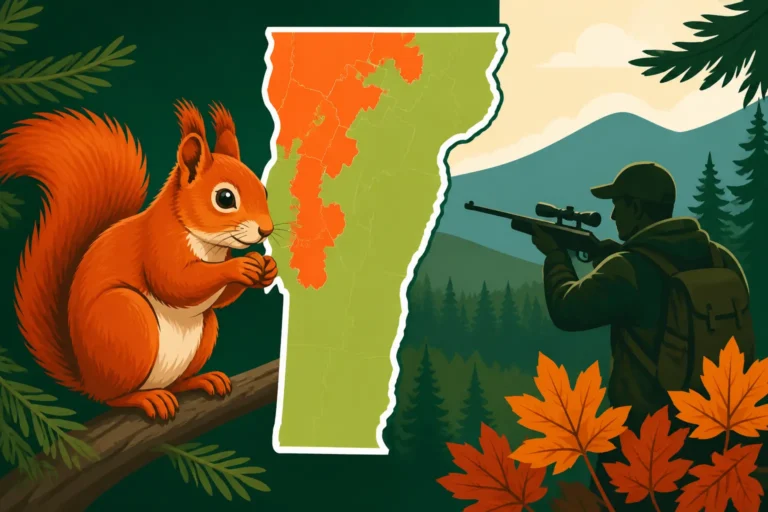
Vermont red squirrel range and habitat details explain how these forest rodents disperse seeds and feed local predators.
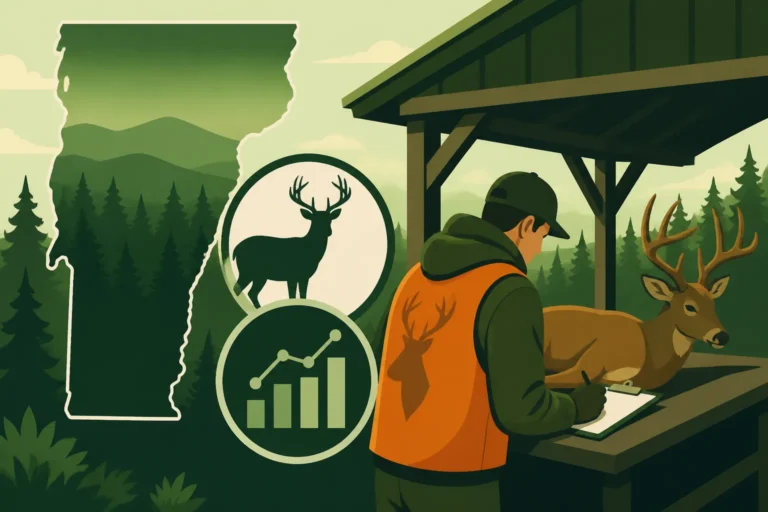
Vermont deer check station data explains local herd demographics, biological censuses, and wildlife management strategy impacts.
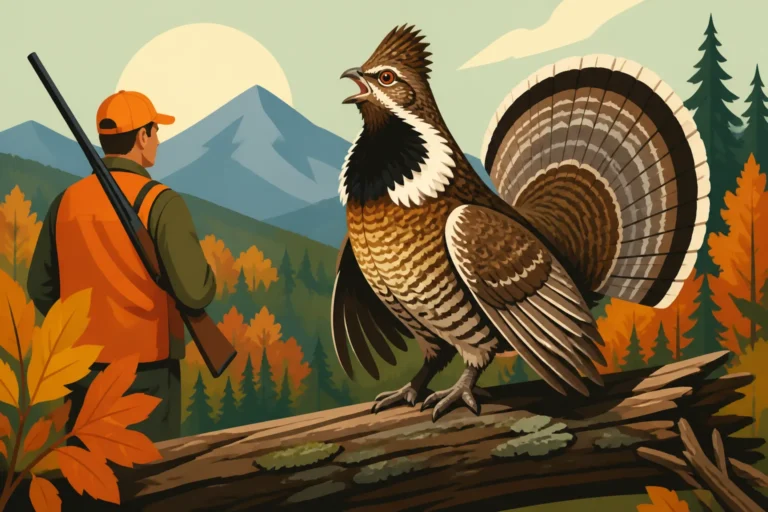
Vermont ruffed grouse drumming log surveys track spring male bird populations using established listening routes across the woods.