Victory Basin Deer and Grouse Access
For many hunters, the quest for truly wild game takes us off the beaten path, away from the easily accessible, often-pressured parcels. In Vermont, finding that sweet spot—a place where you can pursue both a deer and maybe kick up a few grouse—can feel like searching for a needle in a haystack, especially in areas with unique terrain. This guide is all about one such gem: Victory Basin Wildlife Management Area, a sprawling, wild tract in the Northeast Kingdom, and how you can successfully access and hunt it for deer and grouse, overcoming the challenges this rugged landscape presents.
Understanding Victory Basin Wildlife Management Area
Victory Basin isn't your average, manicured state park. It's a vast, wild, and sometimes unforgiving landscape spanning thousands of acres in Vermont's remote Northeast Kingdom. Characterized by extensive low-lying wetlands, black spruce bogs, dense cedar swamps, and interspersed hardwood ridges, it’s a mosaic of habitats unlike much else in the state. This unique environment is precisely what makes it such a draw for both deer and ruffed grouse, but it also dictates how you need to approach your hunt.
The area is a public hunting ground, but its remote nature means it often sees less pressure than some of the more easily reached state forests or smaller wildlife management areas. This wilderness feel is a double-edged sword: fantastic for those seeking solitude and a truly wild experience, but demanding in terms of physical exertion, navigation, and preparation. You're not just walking into a woodlot here; you're entering a large, complex ecosystem where the weather can change quickly and the terrain can be deceptively challenging. Knowing this upfront is key to having a safe and successful trip. Vermont Wildlife Management Areas like Victory Basin are managed specifically for wildlife, and understanding their unique character is your first step.
The mix of habitat types within Victory Basin is what makes it so appealing for both deer and grouse. The dense softwoods offer thermal cover and security for deer, especially as winter approaches, while the drier hardwood uplands can provide crucial mast crops like acorns and beechnuts. For grouse, the young, regenerating timber found in parts of the basin, often near old logging cuts or natural disturbances, provides critical thick cover and forage. The challenge, of course, is locating these specific habitat niches within such a vast and often swampy landscape.
Accessing Deer in Victory Basin
Hunting deer in Victory Basin requires a different mindset than hunting agricultural edges in the Champlain Valley. Here, deer densities might not be as high, but the deer that do call this place home are often less pressured and more mature. The key is understanding how they utilize the diverse habitat, especially given the prevalence of wetlands and thick cover.
Locating Deer Habitats and Movement
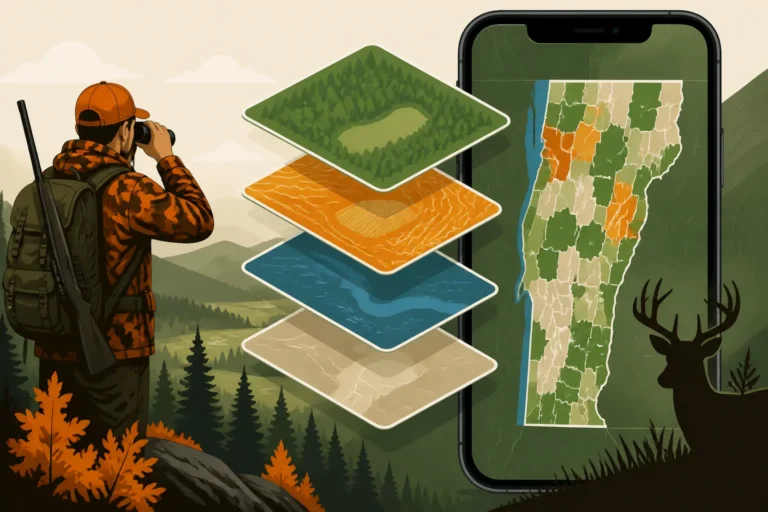
Deer in Victory Basin will largely gravitate towards the higher ground and transitional zones between the dense bogs and the hardwood ridges. Look for subtle elevation changes, even a few feet can make a big difference in a wet landscape. These areas will often have better drainage, more diverse forage, and offer travel corridors through the otherwise impenetrable swamps. Spend time on your mapping apps like onX Hunt, studying contour lines and looking for fingers of higher ground that extend into the lowlands, or hardwood islands within the softwoods. These are often natural funnels.
Scouting is paramount here. Before the season opens, dedicate some time to walking the edges of these boggy areas and exploring the hardwood ridges. Look for traditional deer sign: rubs, scrapes, and well-worn trails leading to and from bedding areas in the thickest cover. Pay close attention to late-season food sources like beech nuts or browse in regenerating clear-cuts. Deer will often yard up in dense conifer stands during periods of heavy snow, so understanding those areas is crucial for later-season hunts. Reading a Green Mountain Deer Yard can give you an edge in these environments.
During the season, focus on still-hunting or setting up stands along these transitional edges. The dense cover often means shorter shot opportunities, so a patient, methodical approach is usually more effective than trying to cover vast amounts of ground quickly. When using a ground blind on public land, remember to brush it in naturally to blend with the surroundings. Also, be prepared for longer blood trails in the thick stuff, which brings us to the importance of accurate shots and patience after the shot.
Finding Ruffed Grouse in Victory Basin
Grouse hunting in Victory Basin is a fantastic experience, offering a chance to truly immerse yourself in the wild. Unlike deer, which might be spread out, grouse tend to concentrate in specific habitat types. Identifying these pockets is the secret to a successful bird hunt.
Identifying Productive Grouse Cover
Ruffed grouse thrive in young, regenerating forest growth. Think areas that were logged 10-20 years ago, where saplings and dense brush have sprung up, creating an impenetrable canopy at eye level. These thickets provide both food (buds, catkins, berries) and crucial escape cover from predators. In Victory Basin, this often means focusing on the fringes of older timber, along the edges of clear-cuts, or areas around old logging roads that have grown in. Use mapping tools like GoHunt or onX Hunt to identify these younger growth areas, often marked by different vegetation patterns or recent timber harvest boundaries.
Another prime grouse habitat in the basin is often found along the edges of the numerous swamps and wetlands. While grouse don't typically live in the water, the transitional zones between wet and dry ground often produce a mix of conifer and deciduous growth, offering excellent cover and food. Look for areas with a good understory of alders, poplars, or dense spruce and fir. These areas are tough walking, but they frequently hold birds that are less accustomed to human pressure.
When hunting grouse, be prepared to walk. Covering ground slowly and methodically, listening for flushes and watching for dog points (if you're hunting with a canine companion) is the name of the game. The dense cover means shots will be fast and often close, so an open-choke shotgun is usually preferred. Don't be afraid to push through seemingly impenetrable tangles; that's often where the birds are hiding. Remembering how Vermont's ruffed grouse populations cycle can help manage expectations and identify better hunting years.
Navigating and Preparing for Victory Basin
Hunting Victory Basin requires more than just knowing where to find deer and grouse; it demands careful planning and preparation to ensure a safe and effective trip into this wild corner of Vermont.
Access Points and Terrain Challenges
Access to Victory Basin WMA is primarily via a few main dirt roads, notably the Victory Road and some side spurs. These roads can be rough, especially during wet periods, so a vehicle with decent clearance is often recommended. Parking areas are usually limited and basic. From these main access points, you’ll often be venturing into the basin on foot, following old logging trails, snowmobile corridors, or simply bushwhacking.
The terrain itself is the biggest challenge. As mentioned, much of the basin is low-lying and wet. Expect mud, standing water, and boggy conditions, especially in the spring and fall. Waterproof boots are an absolute necessity, and many hunters opt for chest waders if planning to explore deeper into the wetlands. Best Boots for Northeast Kingdom Bog Hunting is an essential read before heading out. The hardwood ridges offer respite from the wetness but can be steep and rugged. Always be aware of your surroundings, as it's easy to become disoriented in the dense, monotonous cover of a spruce bog. A reliable GPS or a mapping app like onX Hunt with downloaded offline maps is non-negotiable, as cell service is often nonexistent.
Essential Gear and Safety Considerations
Beyond appropriate footwear and navigation tools, pack for self-sufficiency. A good quality backpack with extra layers, rain gear, plenty of water, high-energy snacks, a first-aid kit, a headlamp, and fire-starting materials are crucial. Even on a day hunt, circumstances can change quickly, and being prepared for an unexpected overnight stay is wise. Hunting this remote terrain often means you'll be far from immediate help.
Consider carrying a satellite messenger or personal locator beacon for emergencies, especially if hunting alone. Given the thick cover, blaze orange requirements during certain seasons are important not just for legal compliance, but for safety. Always let someone know your detailed hunting plan and expected return time. The remoteness and challenging terrain of Victory Basin are part of its allure, but they also demand respect and thorough preparation. Scouting Vermont Public Land Before Season isn't just about finding game; it's about understanding the land itself.
Table: Victory Basin Hunting Considerations
| Feature | Deer Hunting in Victory Basin | Grouse Hunting in Victory Basin |
|---|---|---|
| Primary Habitat | Hardwood ridges, transitional zones, dense conifer swamps | Young, regenerating forest, old clear-cuts, swamp edges |
| Key Sign to Look For | Rubs, scrapes, well-worn trails, wintering yards, browse | Flushes, droppings, dusting areas, feeding on buds/berries |
| Hunting Strategy | Still-hunting, stand hunting on travel corridors/food sources | Slow walk-throughs, working thickets, dog hunting (optional) |
| Optimal Gear | Binoculars, rangefinder, quiet clothing, reliable GPS | Open-choke shotgun, good boots, game vest, dog (optional) |
| Terrain Challenge | Dense cover, deep bogs, steep ridges, limited visibility | Thick brush, wet ground, fast-flushing birds in dense cover |
| Best Time of Year | Early archery, rifle season (rut), late muzzleloader (snow) | Early fall (foliage cover), late fall (post-leaf drop) |
Victory Basin offers a truly wild Vermont hunting experience for those willing to put in the effort. Its unique blend of wetlands and uplands provides habitat for both wary whitetails and explosive ruffed grouse. By understanding the terrain, planning your access, and preparing with the right gear, you can unlock the secrets of this wild gem in the Northeast Kingdom.
Disclaimer
This article is for general informational purposes only and does not constitute professional advice. Laws, prices and regulations vary by location and change over time. Consult a qualified professional for guidance on your specific situation.