Asking a Vermont Landowner for Permission
It's a common lament among Vermont hunters: public land can feel crowded, and sometimes you just want a little piece of ground where you can call your own shots, where the deer sign isn't trampled by a dozen other boots. The truth is, a vast amount of prime hunting habitat in the Green Mountain State is privately owned, and gaining access to it can feel like cracking a secret code. This guide will walk you through the often-intimidating process of respectfully asking a Vermont landowner for hunting permission, helping you navigate the conversation and build a positive relationship that could lead to years of enjoyable hunting.
Understanding Vermont's Private Land Landscape
Before you even think about knocking on a door or making a call, it's crucial to understand the lay of the land, both literally and figuratively. Vermont's private properties range from vast timber tracts and working dairy farms to smaller woodlots and rural homesteads. Each landowner has their own unique relationship with their land and with hunters, so a one-size-fits-all approach just won't cut it.
The Perception of Hunters in Vermont
Many Vermonters have a deep appreciation for the outdoors and the tradition of hunting. They might be hunters themselves, or their families might have hunted the land for generations. However, there's also a segment of the population that might be wary due to past negative experiences with disrespectful individuals. This is why your approach, your demeanor, and your commitment to being a responsible guest are absolutely paramount. You’re not just asking for permission for yourself; you're representing the entire hunting community. Showing up unannounced, parking in a way that blocks access, or making assumptions about access can instantly sour a potential relationship. It's about earning trust, not demanding a right.
Legalities of Trespass and Posted Land
Vermont's trespass laws are clear: you generally need permission to hunt or trap on private land. While some states have "implied permission" unless land is posted, Vermont law is more explicit. Posted land, often marked with "No Trespassing" signs or purple paint on trees, means you absolutely cannot enter without permission. But even if land isn't posted, it's always best practice, and often legally required, to seek explicit permission.
If you're unsure about property lines or ownership, resources like the Vermont Fish and Wildlife Department's maps, town grand lists, or mapping apps like onX Hunt can be incredibly valuable. These tools allow you to identify parcels, often showing the owner's name and address, which is essential groundwork for your approach. Never assume; always verify. Ignoring these rules can lead to fines, loss of hunting privileges, and, perhaps worst of all, burning a bridge with a potential ally in the hunting community. It's not just about avoiding trouble; it's about respecting someone's property and livelihood. You can learn more about specific regulations in Vermont Trespass and Permission Law.
Identifying Potential Properties and Landowners
This is where your scouting truly begins. Instead of just driving around aimlessly, start by studying maps. Look for areas adjacent to public lands that might funnel deer, or large tracts of private timber or agriculture that show good habitat. Dairy farms in the Champlain Valley, for instance, often have woodlots and field edges that provide excellent cover and food for deer. Using an app like onX Hunt can help you pinpoint specific parcels and find owner information, allowing you to narrow down your focus and approach the right person.
Once you’ve identified a promising piece of ground, do some drive-by scouting. See if the land looks well-maintained, if there are signs of hunting pressure (or lack thereof), and if there are accessible points to park without causing a nuisance. Note down property details and any observations you make about the land. Having a little bit of knowledge about their property before you speak to the landowner can go a long way in showing your seriousness and respect. Knowing what kind of crops they might be growing or if they have livestock can also inform your conversation.
The Art of the Ask: Making the Approach
This is often the most nerve-wracking part for hunters, but it doesn't have to be. Approaching a landowner with respect, courtesy, and a clear purpose can significantly increase your chances of success.
When and How to Approach
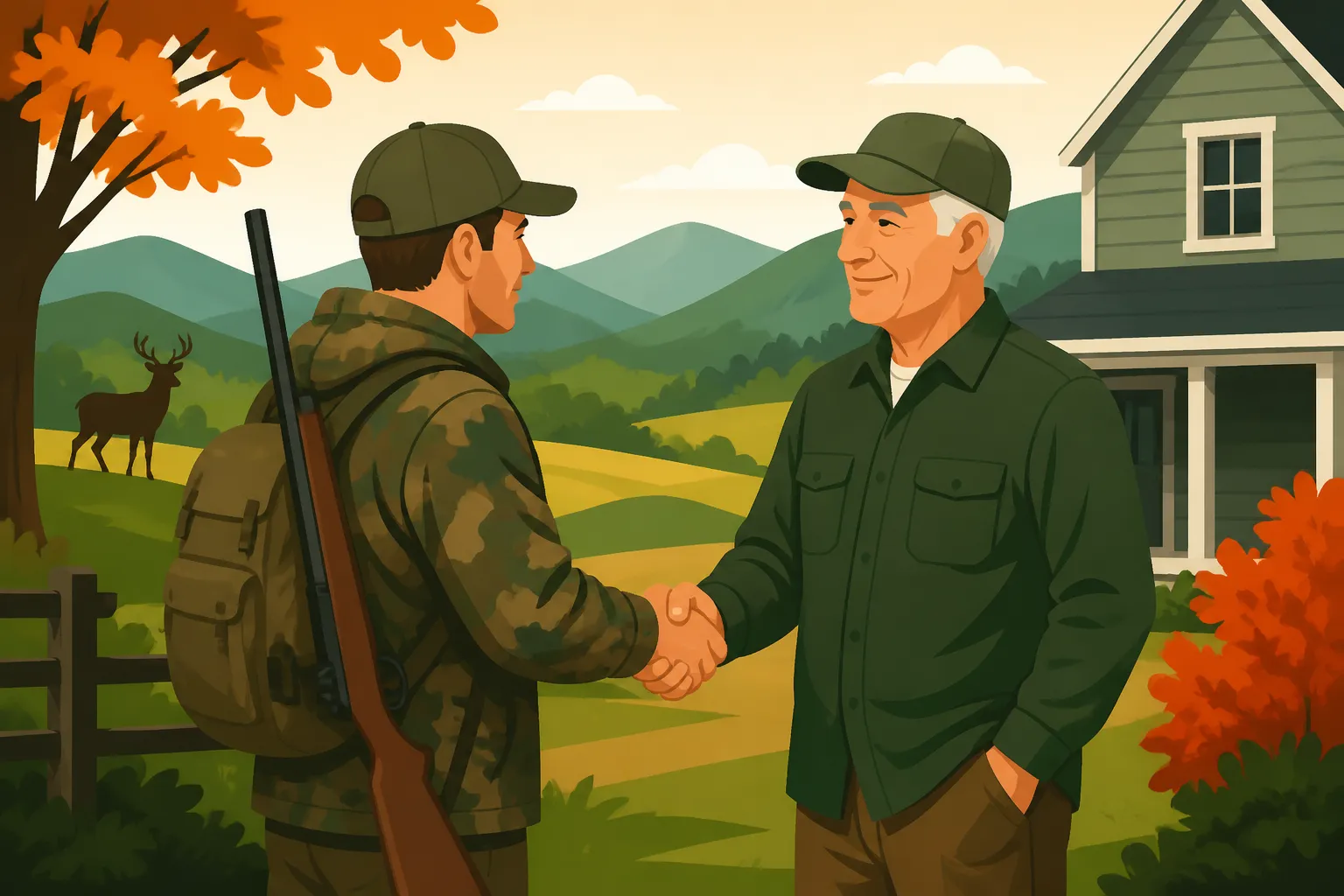
Timing is everything. Avoid approaching landowners during busy times like harvest season, meal times, or early mornings or late evenings when they might be winding down. A mid-morning or mid-afternoon visit, when they might be taking a break from farm work or chores, is often ideal. Always choose an in-person visit over a phone call if possible, as it allows for a personal connection and demonstrates your sincerity. If you have to call, be prepared to introduce yourself clearly and state your purpose upfront.
When you arrive, park respectfully and approach the house or barn with confidence but humility. If you see them working, don't interrupt immediately; wait for a natural break or respectfully ask if it's a good time to chat for a moment. This small gesture shows you value their time. If no one is home, consider leaving a neatly written note with your name, phone number, a brief explanation of why you stopped, and the best time to reach you.
What to Say and What to Offer
Your opening lines are crucial. Start with a polite introduction, state your name, and mention that you're a local hunter (or explain where you're from if you're a nonresident) who noticed their property. For example: "Good morning, my name is [Your Name], and I'm a hunter from [Your Town/Area]. I was admiring your property and noticed what looks like some great habitat for deer/turkeys. I was hoping to speak with you for a few minutes about the possibility of hunting here this season."
Be specific about what you're asking for: archery deer, fall turkey, muzzleloader season, etc. Don't ask to hunt "everything." Be prepared to offer something in return. This could be helping with chores, fixing fences, assisting with minor repairs, or sharing some of your harvest. Many landowners appreciate the offer of venison, especially if they enjoy wild game but don't hunt themselves. Even if they decline your offer of help, the gesture itself builds goodwill.
Key Information to Share with a Landowner
| Category | Details to Provide | Why It Matters |
|---|---|---|
| Identity | Your full name, where you live, contact number. | Establishes trust and accountability. |
| Intentions | What species you want to hunt, what season (e.g., archery deer, fall turkey). | Shows respect by being specific, allows landowner to assess impact. |
| Methods | What weapon you plan to use (bow, rifle, muzzleloader). | Addresses safety concerns and matches their comfort level. |
| Vehicle Info | Make, model, and license plate of your vehicle. | Helps them identify you and your vehicle when you're on their property. |
| Hunting Plan | Where you plan to park, where you might focus your hunting efforts. | Shows you've thought it through and respect their boundaries. |
| Safety Plan | Your commitment to safety, knowing property lines, using blaze orange where required. | Reassures them you're a responsible and safe individual. |
| Offer | Offer to share harvest, help with chores, check fences, etc. | Demonstrates gratitude and willingness to contribute. |
| Respect | Promise to respect their property, gates, livestock, crops, and other activities. | Crucial for building long-term trust and a positive relationship. |
Always ask about their rules and restrictions. Do they have specific areas they don't want you to enter? Are there times they prefer you not to hunt? Do they allow guests, or just you? Listen intently and take notes if necessary. This shows respect for their wishes. Remember, you're looking for a privilege, not exercising a right. Being clear about what you need and what you can offer in return is a powerful way to start. Knocking on Doors in Champlain Valley Farm Country often yields success for this very reason.
Handling a "No" with Grace
Not every landowner will say yes, and that's perfectly okay. A "no" isn't a personal rejection; it simply means that property isn't available for hunting right now, for whatever reason. Thank them politely for their time, express your understanding, and leave your contact information anyway, just in case their situation changes down the road. Never argue or try to persuade them once they've given a firm no. Doing so will only reinforce any negative stereotypes they might have about hunters and make it harder for the next hunter who asks. A gracious "no" can still leave a positive impression.
Building and Maintaining the Relationship
Getting permission is just the first step. The real work, and the real reward, comes in cultivating a lasting relationship built on trust and mutual respect.
Being a Stellar Guest
Once you have permission, uphold every promise you made and then some. This means:
- Communicate: Let them know when you plan to hunt and when you've left. A quick text or phone call is much appreciated.
- Respect Boundaries: Stick to the areas they've permitted. Never assume you can expand your hunting grounds without explicit new permission.
- Leave No Trace: Pack out all your trash, including spent shell casings. If you bring in a ground blind, make sure to Brushing In a Blind on a Field Edge and then remove it completely when the season is done.
- Gates and Fences: Always leave gates exactly as you found them—if it was closed, close it; if it was open, leave it open. Be mindful of fences, especially electric ones, and avoid damaging them.
- Livestock and Crops: Give livestock a wide berth. Avoid walking through planted fields or disturbing any crops. Stick to field edges, woodlines, or designated paths. This is especially important if you're Hunting a Champlain Valley Dairy Farm Edge.
- Share Your Success: If you harvest an animal, let them know. Offer them a piece of the harvest if that was part of your initial offer. A photo with your deer (and you cleaned up, not covered in blood!) can be a nice gesture, too.
Remember, you're not just a hunter on their land; you're a steward, and your actions reflect directly on the landowner's generosity.
Maintaining Communication Off-Season
The relationship shouldn't end when hunting season does. A simple holiday card, an occasional check-in, or an offer to help with a spring project can go a long way. If you offered to help with chores, follow through on it. If you see something concerning on their property while scouting (like a downed tree or unusual activity), let them know. This demonstrates that you care about their land beyond just the hunting opportunities it provides.
Even a quick wave when you drive by, or a brief chat when you see them out and about, reinforces that you're a good neighbor and a reliable person. These small gestures solidify the trust and can lead to many more seasons of hunting. Think of yourself as a long-term tenant, not a short-term visitor.
Common Pitfalls and How to Avoid Them
Even with the best intentions, mistakes can happen. Understanding common pitfalls can help you steer clear of problems and ensure a positive experience for everyone involved.
Assuming Permission Extends to Others
A major no-no. If a landowner grants you permission, that permission is for you alone unless explicitly stated otherwise. Never bring a friend, family member, or even your dog without first clearing it with the landowner. This is a common reason why landowners revoke permission, as it violates the trust they placed in you. If you want to hunt with a buddy, go back to the landowner and ask for permission for your guest. Explain who they are and that they will abide by the same rules you do. This respect goes a long way.
Not Clarifying Specifics
What seems obvious to you might not be obvious to the landowner, and vice-versa. Always clarify specifics:
- Access Points: Where can you park? Are there specific paths or roads you can use?
- Hunting Hours: Are there restrictions on hunting before dawn or after dusk?
- Harvest Limits: While state limits apply, does the landowner have any additional preferences (e.g., "only shoot does," or "only mature bucks")?
- Tree Stands/Blinds: Are you allowed to put up a permanent stand or use a ground blind? What are the rules for leaving them up? In Vermont, many landowners are fine with portable stands or temporary blinds, but Treestand Rules on Vermont Public Land and private land often differ, so always ask.
- Game Retrieval: What if an animal crosses onto a neighboring property or a difficult-to-access part of their land? How do they want you to handle it? Retrieving Game From Private Land in Vermont can be a delicate matter.
It's better to over-communicate and over-clarify than to make assumptions that could lead to misunderstandings. Jot down notes if you need to, and even offer to write up a simple agreement (though this is often more formal than necessary for casual permission).
Failing to Respect Non-Hunting Activities
Remember, the landowner’s property is their home, their livelihood, or their sanctuary. Your hunting activities should never interfere with their daily life or enjoyment of their property.
- Working Hours: Be mindful if they have farm operations, logging, or other work happening on the land. Adjust your hunting times or locations accordingly.
- Recreational Use: Do they have family members who hike, ride horses, or use ATVs on the property? Ask about these activities and plan your hunts to avoid conflicts.
- Noise: Be aware of how far gunshots or even loud calling might carry. While hunting inherently involves some noise, being considerate of the landowner’s home is important.
- Pets: Keep your hunting dog on a leash and under control if bringing one (and only if explicitly permitted). Never let it harass livestock or stray onto areas where it’s not welcome.
Understanding that their land serves multiple purposes and showing flexibility and consideration will help ensure you're always a welcome guest. Finding access on private land can open up incredible hunting opportunities in Vermont, allowing you to Finding Ground That Sees Fewer Hunters and potentially spend more time pursuing game without the pressure of crowds.
Disclaimer
This article is for general informational purposes only and does not constitute professional advice. Laws, prices and regulations vary by location and change over time. Consult a qualified professional for guidance on your specific situation.