What Vermont Trespass Law Requires
That moment of doubt, deep in the Vermont woods, when you realize you might have just crossed an invisible line onto private property without permission – it’s a pit-in-the-stomach feeling no hunter wants to experience. Understanding Vermont's trespass laws isn't just about avoiding a fine; it's about respecting landowners, upholding the integrity of our hunting traditions, and ensuring you can enjoy our beautiful landscape legally and ethically. This guide will walk you through everything you need to know about what Vermont's trespass law requires from hunters, helping you navigate private land with confidence and respect.
Understanding the Basics: What Defines Trespass in Vermont?
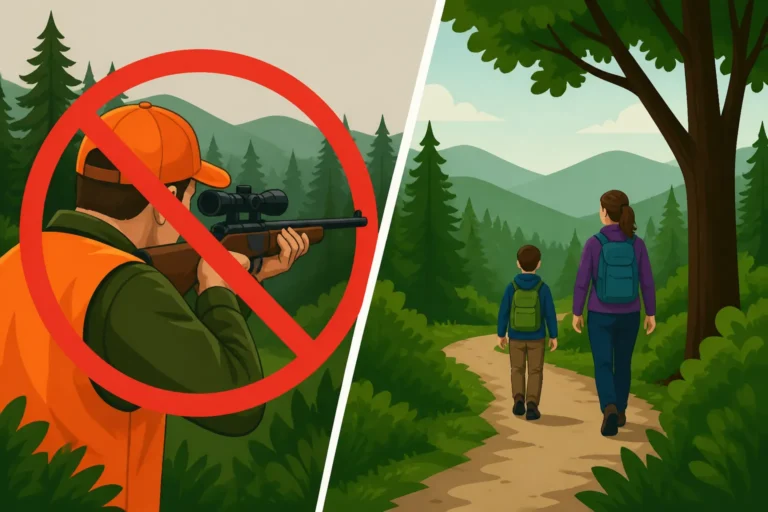
First off, let's get down to brass tacks: what exactly constitutes trespass when you're carrying a hunting license and a firearm (or bow) in Vermont? Simply put, you are trespassing if you enter or remain on private land without the express permission of the landowner or their authorized agent. This might sound straightforward, but there are layers to it that hunters really need to grasp.
It’s a common misconception that if land isn't explicitly "posted" with signs, it's fair game for hunting. This couldn't be further from the truth in Vermont. Unlike some other states that might have an "implied permission unless posted" rule, Vermont operates under the principle that all private land requires permission for entry, regardless of whether it's marked with signs. If you step onto private property to hunt, fish, or trap without permission, you are technically trespassing, even if there isn't a single "No Trespassing" sign in sight. This is a critical distinction and often trips up hunters unfamiliar with Vermont's specific regulations.
Think of it this way: you wouldn't just walk into someone's house without an invitation, right? The same principle applies to their land. It's their private space, and the burden of obtaining permission falls squarely on the hunter. This doesn't just cover the act of hunting; it also applies to scouting, retrieving game, or even tracking a wounded animal if it crosses onto land where you don't have permission. This is why understanding Vermont Trespass and Permission Law is so vital for every responsible hunter.
The law differentiates between simple trespass and criminal trespass, often based on intent and whether damage occurs or if there was a refusal to leave. While a simple trespass might result in a warning or a civil penalty, knowingly or willfully trespassing, especially after being asked to leave, can escalate to more serious charges. The goal, of course, is to avoid any of these situations by being proactive and respectful.
The Significance of "Posted" Land: More Than Just a Sign
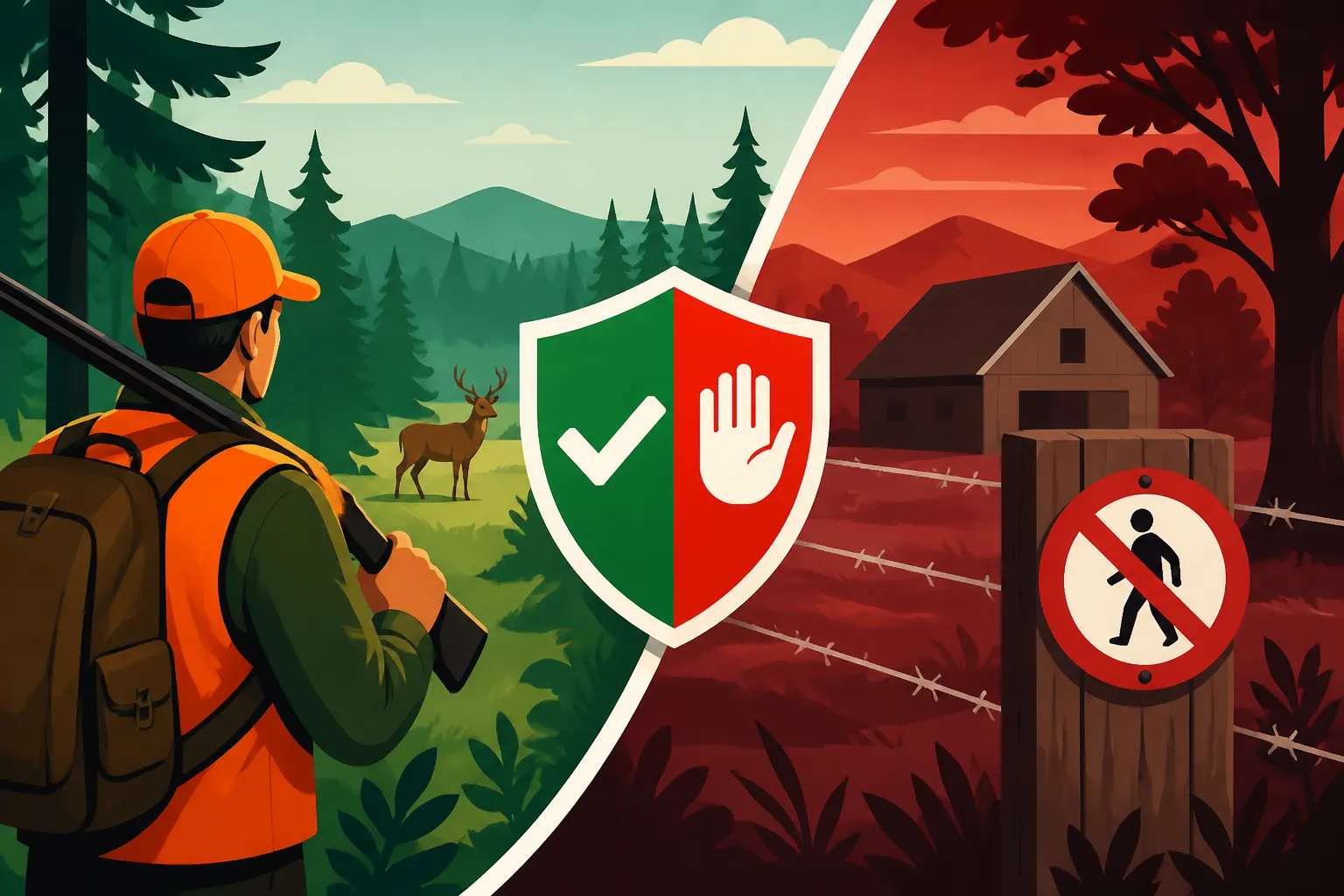
While all private land requires permission, "posted" land adds another layer of clarity and legal weight. Posting essentially makes the landowner's intent abundantly clear: "Do not enter without permission." For hunters, understanding Vermont Posted Land Rules is crucial, as entering posted land without permission often carries more immediate and severe consequences.
What Makes Land "Posted" in Vermont?
Vermont law is quite specific about what constitutes legally posted land. It's not just any old sign tacked to a tree. For land to be considered legally posted, the signs must meet certain criteria:
- Content: The signs must clearly state "No Trespassing," "No Hunting," "No Fishing," "No Trapping," or similar prohibitory language. They must also include the name of the landowner or lessee.
- Color and Size: The signs need to be printed on durable material in a contrasting color and be at least 8.5 by 11 inches in size.
- Placement: Signs must be placed at all property corners and at intervals of not more than 200 feet along all property boundaries. They also need to be clearly visible at points of normal access to the land.
This detailed requirement means that a landowner can't just slap up a few small, faded signs and expect it to hold up in court. The intent is to ensure that anyone entering the property would have a reasonable chance to see and understand the prohibition. However, remember the golden rule: even if signs aren't perfectly placed or formatted, the land is still private, and permission is still required. The presence of proper posting simply reinforces the landowner's explicit desire to deny access and provides clearer grounds for enforcement.
Navigating Posted and Unposted Private Land
The distinction between posted and unposted private land might seem minor given that permission is always required, but it impacts how law enforcement might respond and how serious a violation could be perceived.
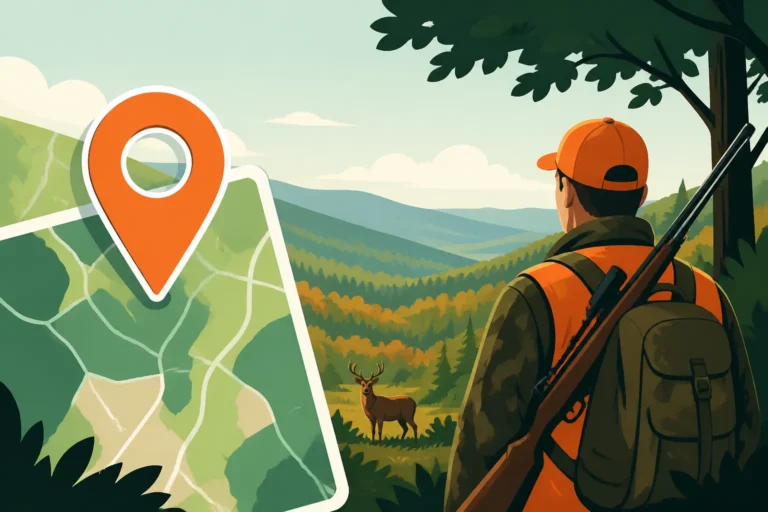
On posted land, the intent of the landowner is unmistakable. If you're found hunting on legally posted land without permission, there's little room for argument about whether you "knew" you were trespassing. The signs act as a direct and clear communication of the landowner's wishes. This is where tools like onX Hunt become invaluable, as they can often show property lines and ownership details right on your smartphone, helping you verify boundaries even in dense woods. Regularly checking Finding Vermont Property Lines through these apps can prevent accidental trespass.
On unposted private land, while permission is still legally required, the absence of signs means a hunter might, theoretically, argue they didn't realize they were on private property or that they were simply following a game trail. However, this argument rarely holds up, as the responsibility to know where you are and obtain permission rests solely with the hunter. Ignorance of the property lines or ownership is not a valid defense in Vermont. This is why that pre-hunt scouting and due diligence are so incredibly important, even on tracts that look completely wild and remote.
| Type of Land | Permission Required? | Posting Required by Law? | Hunter's Responsibility | Potential Legal Consequence (Hunting) |
|---|---|---|---|---|
| Public Land | No (for general access) | No | Abide by specific public land regulations and rules | Violation of public land use rules, poaching |
| Unposted Private Land | Yes | No | Actively seek and obtain explicit permission from landowner | Civil penalty, loss of hunting privileges, confiscation |
| Posted Private Land | Yes | Yes (for legal posting) | Actively seek and obtain explicit permission from landowner | Higher likelihood of criminal trespass charges, fines, loss of hunting privileges, confiscation, potentially more severe |
Always err on the side of caution. If you're not absolutely certain about the ownership or access status of a parcel of land, it's private, and you need to seek permission.
Gaining Legal Access: The Art of Seeking Permission
Now that we understand the legal framework, let's talk about the practical side: how do you actually get permission to hunt private land in Vermont? This is where good old-fashioned communication and respect come into play. It’s an art form, really, and success often comes down to your approach. Many landowners are happy to grant access to responsible hunters, especially if they have deer damage concerns or just appreciate someone keeping an eye on their property.
The Direct Approach: Knocking on Doors
The most traditional and often most effective method is simply to knock on doors. This means identifying the landowner of a property you’re interested in hunting and approaching them directly. When you're Knocking on Doors in Champlain Valley Farm Country, for example, presentation and politeness are key.
Here are some tips for approaching landowners:
- Timing is Everything: Don't show up on a Sunday morning or during dinner. Weekday evenings or weekend afternoons, when people are likely to be home but not busy, are generally best.
- Dress Respectfully: You don't need to be in a suit, but don't show up in your grungiest hunting clothes covered in mud. Present yourself as responsible and trustworthy.
- Be Prepared and Polite: Introduce yourself, state your purpose clearly and concisely (e.g., "Hello, my name is [Your Name], and I was wondering if you might consider allowing me to bowhunt for deer on your property this season?").
- Listen More Than You Talk: Allow the landowner to ask questions and express concerns. Address them honestly and calmly.
- Offer Something in Return: This isn't always necessary, but offering to help with chores, share venison, or simply keep an eye on the property can go a long way. Maybe they have a Hunting a Champlain Valley Dairy Farm Edge situation where deer are eating their crops.
- Respect "No": If they say no, thank them for their time and move on. Do not argue or press the issue. Leave a good impression, because circumstances change, and they might say yes another time or to someone else you know.
The Importance of Written Permission
While verbal permission is legally binding, Do You Need Written Permission in Vermont? is a question worth considering. My answer is always: Yes, you absolutely should get written permission whenever possible.
Written permission offers several advantages:
- Clarity: It reduces misunderstandings about where you can hunt, what species, during which dates, and any specific rules (e.g., no vehicles, stay away from certain areas).
- Proof: If approached by law enforcement or another individual challenging your presence, written permission is undeniable proof of your legal right to be there.
- Landowner Comfort: Many landowners feel more comfortable granting written permission because it formalizes the agreement and sets clear boundaries.
A simple written note or a printed form stating the hunter's name, the landowner's name, the dates of permission, and a description of the property is sufficient. Both parties should sign and date it. Keep a copy on you while hunting.
Using Technology to Your Advantage
In today's world, technology has made identifying landowners and property boundaries much easier. Mapping apps like onX Hunt allow you to see property lines, landowner names, and often even mailing addresses. This is incredibly helpful when you're scouting potential Hunting Small Private Tracts in Vermont and need to know who to contact. You can mark boundaries, create routes, and even drop pins to remember key features, all while ensuring you stay on the correct side of the property line. Using onX Layers for Vermont Land Status can be a game-changer for responsible hunters. While GoHunt might be a broader resource for hunting strategy, when it comes to pinpointing property lines for permission, onX Hunt is often the go-to tool for local precision.
By using these tools, you can conduct your research before ever knocking on a door, showing the landowner you’ve done your homework and are serious about respectful access.
Avoiding Trouble: Consequences and Ethical Hunting Practices
No one wants to face legal repercussions, and frankly, no one wants to be the "bad hunter" who ruins access for everyone else. Trespassing has serious consequences in Vermont, both legally and ethically. Understanding these repercussions is key to avoiding them.
Legal Penalties for Trespassing While Hunting
The penalties for hunting on private land without permission in Vermont can range from civil citations to criminal charges, depending on the specifics of the situation.
Common consequences include:
- Fines: Monetary penalties can be substantial, especially for repeat offenses or if the trespass is deemed willful.
- Loss of Hunting Privileges: Your hunting license can be suspended or revoked, sometimes for several years. This is a severe blow to any passionate hunter.
- Confiscation of Game and Equipment: Any game taken while trespassing can be confiscated, and in some cases, your hunting equipment (firearms, bows, etc.) may also be seized.
- Criminal Charges: If the trespass is accompanied by damage to property, refusal to leave, or repeated violations, it can escalate to criminal charges, potentially leading to jail time.
Furthermore, if you wound an animal and it crosses onto land where you don't have permission, Retrieving Game From Private Land in Vermont becomes a legal tightrope walk. You cannot simply follow it onto private property without permission. Doing so is still trespassing. In these situations, you must contact the landowner to request permission for retrieval, and if you cannot reach them, you should contact a game warden for assistance. They may be able to help mediate or even retrieve the animal themselves.
Being a Good Steward: Ethical Considerations
Beyond the legal penalties, there's a profound ethical dimension to trespass. Every time a hunter disrespects private property rights, it erodes trust between landowners and the hunting community. It makes landowners less likely to grant permission to anyone, thereby reducing valuable hunting access for all.
Being an ethical hunter means:
- Respecting Property: This includes not just land boundaries, but also crops, fences, outbuildings, and anything else on the property. Leave no trace of your presence.
- Building Relationships: When you get permission, strive to maintain a good relationship with the landowner. Follow their rules, report anything suspicious you see on their property, and thank them generously. A small token of appreciation, like a package of venison or a gift card, can go a long way toward ensuring future access.
- Being Visible and Accountable: Let the landowner know when you'll be on their property. If you have written permission, carry it. If you’re with a group, make sure everyone understands the boundaries and rules.
- Promoting Positive Perception: The vast majority of hunters are ethical, respectful individuals. By acting responsibly, you help counter negative stereotypes and reinforce the positive image of hunters as conservationists and good neighbors.
Ultimately, understanding and respecting Vermont's trespass laws is about more than just staying out of trouble. It's about being a responsible member of the hunting community, ensuring continued access to our natural resources, and fostering positive relationships with the landowners who share their incredible properties with us. Take the time to learn the rules, build those relationships, and hunt with respect, and you'll find far more rewarding experiences in the Green Mountain State.
Disclaimer
This article is for general informational purposes only and does not constitute professional advice. Laws, prices and regulations vary by location and change over time. Consult a qualified professional for guidance on your specific situation.