Caledonia County Public Hunting Ground
Trying to figure out where to hunt in a new county, especially one as diverse and rugged as Caledonia County in Vermont, can feel like you're staring at a blank map with a compass that only spins in circles. It's a real headache trying to distinguish between private and public land, or even knowing which public parcels offer the best opportunities for the game you're after. This guide is here to untangle that knot, offering a deep dive into the public hunting grounds of Caledonia County, providing practical advice on where to go, what to expect, and how to make the most of your hunting season in this beautiful part of the Northeast Kingdom.
Understanding Caledonia County's Unique Hunting Landscape
Caledonia County, nestled firmly within Vermont's renowned Northeast Kingdom, presents a unique and often challenging landscape for hunters. Unlike the more open farmlands of the Champlain Valley, Caledonia is characterized by rolling hills, extensive tracts of timber, steep ravines, winding rivers like the Connecticut and the Passumpsic, and numerous smaller streams and bogs. This varied terrain means diverse habitat, which in turn means diverse hunting opportunities – but also requires a different approach than you might take elsewhere in the state.
The sheer remoteness of some areas can be both a blessing and a curse. It often translates to less hunting pressure, especially once you get away from main roads and popular access points. However, it also means you need to be self-reliant, well-prepared, and have a solid understanding of navigation. Cell service can be spotty at best, which makes digital mapping tools invaluable, but you can't rely solely on them. Always have a backup. Using the Fish and Wildlife App Without Cell Service is a critical skill here. The dense timber, a mix of mature hardwoods and softwoods, provides excellent cover for deer, bear, and turkey, but also makes glassing difficult and tracking a true test of skill.
The Influence of Terrain and Habitat on Game Movement
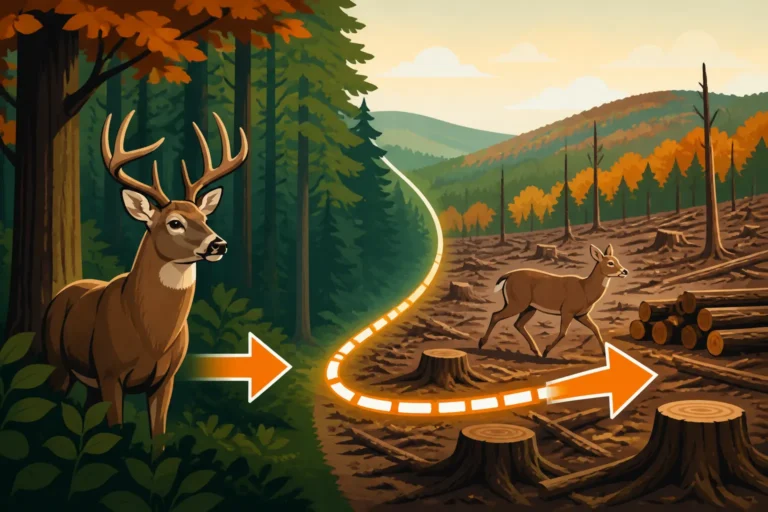
The topography in Caledonia County heavily dictates how game animals move and where they spend their time. You'll find deer often favoring the edges of clear-cuts, the bottoms of river valleys, and the protective cover of dense softwood stands, especially as winter approaches. They use the natural folds in the land to travel unseen, and understanding these subtle elevation changes is key to intercepting them. During the rut, bucks will often cruise ridge tops and saddles, scent-checking for does. Knowing these travel corridors from preseason scouting is far more valuable than blindly walking through the woods.
Bear, on the other hand, are often drawn to beech ridges during mast years, or to areas with plentiful berry bushes and apple orchards. Their movements can be more expansive, especially in search of food. Turkeys will roost in mature hardwoods along hillsides and spend their days foraging in open timber or field edges. The numerous water bodies also attract waterfowl, though Caledonia isn't typically thought of as a primary waterfowl destination like Lake Champlain. However, smaller ponds and river oxbows can hold surprising numbers of ducks and geese. This intricate relationship between terrain, habitat, and game movement is what makes hunting in Caledonia County so fascinating – and so rewarding when you figure it out.
Key Public Hunting Areas and Their Characteristics
Caledonia County boasts a respectable amount of public land, though it's often fragmented into various state forests, wildlife management areas (WMAs), and other smaller parcels. The key is knowing where these lands are and what kind of hunting experience they offer. You won't find a single, massive block like the Green Mountain National Forest here, but rather a patchwork that requires careful navigation and research. For general information on where to find these opportunities across the state, check out Public Hunting Land in Vermont.
Notable Wildlife Management Areas
One of the crown jewels for public hunting in Caledonia County is the Victory Basin Wildlife Management Area. This sprawling WMA, often simply called "Victory Bog," is one of Vermont's largest and most remote wetland complexes. It's an absolutely incredible place, but it's not for the faint of heart. Expect wet feet, dense cover, and a real sense of wilderness. Deer hunting here can be fantastic, particularly during the late seasons when deer seek refuge in the dense cover. It's also known for moose and various small game. Victory Basin Deer and Grouse Access can give you a better idea of what to expect.
Another significant area is the Peacham Bog WMA, smaller than Victory but still offering excellent opportunities for deer, bear, and grouse. These WMAs are managed specifically for wildlife habitat, so you'll often find a mix of forest types, clearings, and wetland features that concentrate game. Remember that specific rules and regulations can apply to WMAs, so always check the Vermont Fish and Wildlife Department's website or regulations booklet before heading out. For a broader look at how these lands are managed, see Vermont Wildlife Management Areas.
State Forests and Other Public Parcels
Beyond the specific WMAs, Caledonia County also contains portions of various state forests, such as Groton State Forest, which stretches into neighboring counties but offers significant hunting opportunities within Caledonia. These state forests are often more accessible, with a network of logging roads and trails, making them good options for hunters who prefer a less extreme wilderness experience. They provide diverse habitat for deer, bear, turkey, and small game. The key to hunting state forests effectively is to get away from the immediate road system. Most hunters won't walk more than a mile or so, meaning the deeper you penetrate, the less pressure you'll encounter.
You might also find smaller, often overlooked parcels of public land, including town forests or lands managed by conservation groups under public access easements. Identifying these can be a goldmine for less pressured hunting. This is where tools like onX Hunt become absolutely indispensable. With its detailed property line overlays and color-coded land ownership maps, you can easily identify public parcels that might not be obvious on a traditional paper map. It shows you exactly where the public land begins and ends, preventing accidental trespass and opening up new possibilities. Exploring Hunting a Land Trust Easement Property might also reveal unique access options in the area.
Strategies for Successful Hunting in Caledonia County
Hunting in Caledonia County demands a blend of preparation, persistence, and adaptability. The terrain can be unforgiving, the weather unpredictable, and the game smart. However, with the right approach, it offers some of the most rewarding hunting experiences in Vermont.
Pre-Season Scouting and Digital Mapping
Scouting is paramount, and it's not just about walking the woods in August. Digital scouting from your home is an incredibly powerful tool. I spend hours poring over aerial imagery on onX Hunt before I ever step foot in a new area. I'm looking for natural funnels, pinch points, dense bedding cover, clear-cuts, and potential food sources like old apple orchards or beech ridges. Identifying these features helps me narrow down vast tracts of public land into manageable sections to explore on foot.
When you do hit the woods, focus on finding sign: rubs, scrapes, tracks, and droppings. Pay attention to how the land lays and how deer might use it. Where are the thickets they'd bed in during the day? What are the most likely travel routes between food and bedding? Understand that the biggest advantage you can give yourself in the Northeast Kingdom is knowing the lay of the land better than anyone else. This is where Reading Aerial Photos for Green Mountain Deer comes in handy, even if Caledonia isn't strictly Green Mountains, the principles apply to any timbered terrain.
Adaptable Hunting Tactics
Given the varied habitat, a one-size-fits-all hunting tactic rarely works in Caledonia County.
If you're after deer, still-hunting through diverse timber stands, focusing on subtle terrain features like benches and saddles, can be very effective. During the peak rut in early November, rattling and grunting can sometimes draw in a curious buck, especially if you're deep in the timber where natural cover allows them to approach undetected. For specific strategies during the rut, consider Hunting the Rut in Early-to-Mid November.
For bear, spot-and-stalk can work on clear-cuts or along beech ridges during mast years, but often, hunters will focus on baiting, which is legal in Vermont with proper permits and adherence to regulations. If you're planning a bear hunt, remember that they can cover vast distances, and knowing their food sources is critical. Turkeys in the fall often require a "flock scattering" technique, where you break up a group and then call them back together. In spring, locating a gobbler on the roost at dawn and then setting up an ambush can be thrilling.
Considering the Seasons
Each hunting season brings its own set of challenges and opportunities in Caledonia County.
- Archery Season (Early Fall): The woods are still relatively thick, and deer are less pressured. Focus on food sources like early acorns or apple trees.
- Rifle Season (November): This is often the most popular season, and pressure can increase, especially near access points. Bucks are often still cruising, but snow can also make tracking possible. Vermont's November Rifle Season is a great resource.
- Muzzleloader Season (Late Fall/Early Winter): This season, often colder with potential for snow, means deer are focused on late-season food sources and bedding down in dense thermal cover. This is a fantastic time to hunt some of the more remote, dense areas. Hunting Into the December Muzzleloader Close offers specific insights.
| Game Species | Primary Habitat Types in Caledonia | Best Time to Hunt | Key Challenges |
|---|---|---|---|
| White-tailed Deer | Mixed hardwoods/softwoods, clear-cuts, river bottoms, wetland edges | Archery, Rifle, Muzzleloader | Dense cover, rugged terrain, cold weather |
| Black Bear | Beech ridges, berry thickets, remote timber | Early season (baiting), Fall (spot/stalk) | Vast range, identifying food sources, judging size |
| Wild Turkey | Mature hardwoods, field edges, open timber | Spring (gobblers), Fall (flock calling) | Locating roosts, calling effectiveness |
| Moose | Bogs, wetland edges, dense softwood swamps (Victory Basin) | Lottery only, early fall | Extremely difficult to draw permit, dense cover, packing out |
| Small Game (e.g., Grouse, Hare, Squirrel) | Old logging roads, thickets, dense spruce/fir, hardwoods | Fall, early Winter | Locating concentrations, quick shots |
Navigating Access and Regulations Specific to Caledonia County
One of the biggest hurdles for any public land hunter is knowing where they can actually go and ensuring they're following all the rules. This is particularly true in a county like Caledonia, where public land can be interspersed with private holdings.
Understanding Property Boundaries and Trespass Law
It's absolutely essential to know where public land ends and private land begins. Vermont's trespass law is clear: you need permission to hunt on private land. While some landowners are generous, you can't assume. This is where digital mapping applications like onX Hunt truly shine. By downloading maps to your phone before you lose cell service, you have a GPS-enabled map that shows property lines, landowner names, and public land boundaries right in the palm of your hand. This capability is a game-changer for confidently navigating the patchwork of land ownership common in Caledonia County. Without it, you might spend valuable hunting time trying to discern boundaries marked by faded paint or old stone walls. Finding Vermont Property Lines is a crucial skill for any hunter.
Even with the best maps, respect for private property is paramount. If a deer you've shot crosses onto private land, Vermont law allows for retrieval, but it's always best practice to seek permission from the landowner if you can. A quick knock on the door, explaining your situation, usually goes a long way.
Local Regulations and Hunter Education
Beyond the statewide regulations, always be aware of any local ordinances, though these are less common for hunting in rural Caledonia County compared to more populated areas. Vermont has specific requirements for hunter education, especially for new hunters. If you're just getting started or need a refresher, make sure you meet all the necessary criteria. A good starting point is Vermont Hunter Education Requirements.
Furthermore, understanding the season dates and bag limits for Caledonia County is crucial. While deer season dates are statewide, antlerless permits might be allocated by Wildlife Management Unit (WMU), and Caledonia County falls into WMUs within the Northeast Kingdom. Knowing which permits are available for your chosen WMU can impact your hunting strategy. For specific permit costs and application processes, check out Vermont Resident License Options. Always keep your license and necessary permits on you, and be prepared to report your harvest promptly, which can often be done via a mobile app, even without immediate cell service, thanks to offline capabilities.
Caledonia County offers some incredible hunting experiences for those willing to put in the effort. Its rugged beauty, diverse habitats, and abundant game make it a true gem in the Vermont hunting landscape. With good scouting, adaptable tactics, and a clear understanding of land access, you're well on your way to a successful hunt in the Northeast Kingdom.
Disclaimer
This article is for general informational purposes only and does not constitute professional advice. Laws, prices and regulations vary by location and change over time. Consult a qualified professional for guidance on your specific situation.