Hunting Vermont’s Youth and Novice Weekend
Introducing someone new to the world of hunting is one of the most rewarding, yet sometimes daunting, experiences. It's tough to balance the excitement of the outdoors with the serious responsibility of firearms and ethical harvest, especially when trying to keep a young person engaged. Thankfully, Vermont offers a fantastic solution: the dedicated Youth and Novice Hunting Weekend, a special window designed to foster new hunters in a mentored, supportive environment, and this guide will walk you through how to make the most of it.
Understanding Vermont's Youth and Novice Weekend
The Youth and Novice Hunting Weekend isn't just another date on the calendar; it's a carefully crafted initiative by the Vermont Fish and Wildlife Department to provide a low-pressure, high-learning environment for aspiring hunters. This program acknowledges that introducing new blood to our cherished traditions requires more than just handing them a license; it demands dedicated time, clear instruction, and a focus on safety and ethical practice. It's truly a win-win, offering seasoned hunters the chance to pass on their passion while giving newcomers an unparalleled introduction to the field.
The Purpose and Philosophy Behind the Program
At its heart, the Youth and Novice Weekend is about mentorship and conservation. The Vermont Fish and Wildlife Department understands that the future of hunting, and by extension, wildlife conservation, relies on recruiting new participants. Without new hunters, funding for habitat protection, wildlife research, and management would dwindle. This special weekend removes some of the typical hunting pressure by setting aside specific dates, often before the general seasons, exclusively for youth and novice hunters under the direct supervision of a licensed adult mentor. It's a chance to build confidence, learn the ropes without feeling rushed, and connect with nature in a profound way. It’s also a direct response to the challenges of getting youth outdoors, providing a structured and inviting entry point into what can often feel like an exclusive or intimidating activity.
Key Dates and Species Covered
Vermont typically designates separate Youth and Novice Weekends for both deer and wild turkey, offering targeted opportunities for new hunters to pursue these popular game species. For deer, this special weekend usually occurs in late October, just before the regular rifle season kicks off. This timing is strategic, often coinciding with cooler weather and pre-rut deer activity, which can lead to better success rates for new hunters. For wild turkey, a Youth and Novice Weekend is often held in late April, preceding the general spring turkey season. This allows young and novice callers and hunters a chance to work a gobbler without the added pressure of a crowded woods. It’s critical to remember that specific dates can shift slightly year-to-year, so always double-check the current Vermont Fish and Wildlife Department hunting guide. You can find the precise dates for the program by checking the Vermont Youth and Novice Weekend Dates.
Benefits for New Hunters and Mentors
For the new hunter, the benefits are immeasurable. Imagine stepping into the woods for the first time, not overwhelmed by competition, but guided patiently by an experienced hand. This weekend allows for focused instruction on everything from firearm safety and shot placement to tracking and proper field dressing techniques. It's about learning the entire process, not just pulling a trigger. For mentors, it’s a profound opportunity to share a deep passion and knowledge. It’s a chance to slow down, truly teach, and see the outdoors through fresh eyes. There’s a unique satisfaction in watching a young hunter’s face light up after spotting their first deer, or hearing a gobbler respond to their mentor's call. Many experienced hunters find this weekend to be one of the most fulfilling hunts of their year, far surpassing the excitement of their own successful harvest.
Eligibility and License Requirements
Getting ready for the Youth and Novice Weekend isn't just about packing your gear; it's about understanding who can participate and what paperwork you'll need. Vermont is very specific about who qualifies and the responsibilities involved, all with the goal of ensuring safety and a proper introduction to hunting. It can seem like a lot of hoops to jump through, but each requirement is there for a good reason, ultimately protecting both the hunter and the wildlife.
Who Qualifies as a Youth or Novice Hunter
Vermont's Youth and Novice Weekend is open to specific age groups and those new to hunting. Generally, a youth hunter is defined as someone aged 10 through 17. The program also extends to novice hunters, which typically refers to residents or non-residents aged 16 or older who have successfully completed a hunter education course but have not yet harvested a deer or turkey in Vermont. This inclusive approach ensures that anyone, regardless of age, who is genuinely new to the sport has a chance to participate in a structured, supportive environment. It’s a fantastic opportunity for an adult who’s always wanted to try hunting but felt intimidated by the regular seasons. Remember, even if you're an adult novice, you still need a mentor present to take advantage of this special weekend.
Mandatory Hunter Education and Licensing
Before anyone can participate in any Vermont hunting season, including the Youth and Novice Weekend, they must complete a hunter education course. There's no getting around this, and for good reason – it teaches fundamental safety, ethics, and regulations. It’s not just a formality; it’s a vital component to becoming a responsible hunter. Once hunter education is complete, the youth or novice hunter will need to purchase the appropriate Vermont hunting licenses and permits. For example, a youth deer hunter will need a Vermont hunting license and a youth hunting permit for deer. Similarly, for turkey, they'll need the appropriate turkey permit. It’s important to review the Vermont Hunter Education Requirements well in advance, as courses fill up quickly, especially closer to hunting seasons. Mentors, of course, must also hold valid, appropriate licenses.
The Role and Responsibilities of a Mentor
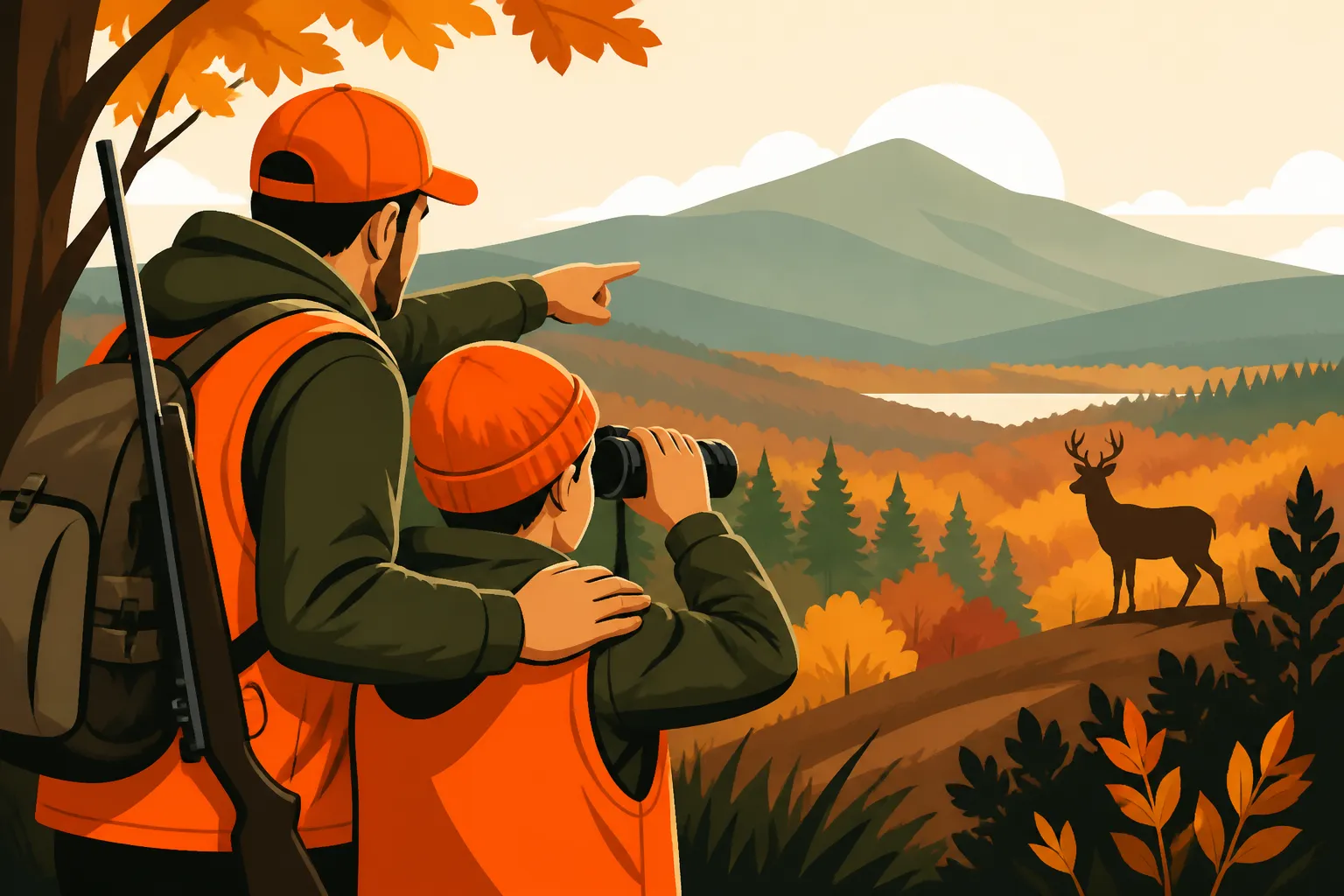
The mentor is the linchpin of the Youth and Novice Weekend. Their role goes far beyond simply accompanying the new hunter; they are responsible for direct supervision, guidance, and safety. A mentor must be 18 years of age or older, hold a valid Vermont hunting license for the species being hunted, and be certified in hunter education. Crucially, the mentor must be in "immediate control" of the youth or novice hunter at all times, which means they must be close enough to hear, see, and communicate effectively. This isn't a weekend for the mentor to do their own hunting; it's purely about teaching and guiding. This includes everything from helping scout and set up, to instructing on shot placement, tracking, and field care. The mentor is the primary teacher and role model, instilling the core values of ethical hunting, respect for wildlife, and adherence to all regulations.
Rules and Regulations Specific to the Weekend
While the Youth and Novice Weekend is designed to be accessible, it still operates under a strict set of rules. These aren't arbitrary; they are put in place to ensure safety, fair chase, and to manage wildlife populations responsibly. Ignoring these specifics can lead to serious consequences, so understanding every detail is paramount for both mentor and mentee. Don't assume the rules are the same as general season – often, there are key differences.
Permitted Weapons and Ammunition
One of the most important distinctions of the Youth and Novice Weekend often lies in the permitted weapons. For deer, typically only shotguns (20 gauge or larger, with slugs or buckshot), muzzleloaders, and bows (including crossbows) are allowed. Centerfire rifles, common during the general rifle season, are usually not permitted during the youth deer hunt. This restriction is primarily a safety measure, as shotguns and muzzleloaders generally have shorter effective ranges than rifles, reducing the risk of stray shots over long distances in populated areas. It’s a good idea for mentors to ensure their mentee is proficient with the chosen weapon well before the hunt. Make sure you check the latest regulations for specific ammunition requirements, too. For example, some areas might have restrictions on certain types of slugs or broadheads. You can find detailed information on Legal Weapons During Vermont Rifle Season which may offer comparative context even if the rules for this weekend differ.
Bag Limits and Reporting Requirements
Bag limits during the Youth and Novice Weekend are specific and must be strictly adhered to. For deer, the limit is typically one deer, either antlered or antlerless, depending on the specific regulations for that year and wildlife management unit (WMU). This is a great opportunity for a new hunter to experience success without the pressure of trying to harvest a trophy. For turkey, the bag limit is usually one bird. After a successful harvest, reporting the deer or turkey is mandatory and must be done through the Vermont Fish and Wildlife Department's online portal or at a designated check station. This reporting is crucial for wildlife managers to gather data on harvest rates and population health. Failing to report a harvest is a serious violation. You can learn more about the process by looking into Vermont Deer Reporting Requirements. It's a critical step in being a responsible hunter.
Understanding Shooting Hours and Public Land Access
Shooting hours during the Youth and Novice Weekend generally follow the same rules as other seasons: half an hour before sunrise to half an hour after sunset. It's vital to have a reliable light source, like a headlamp, for navigating to and from your hunting spot in the low light. When it comes to public land access, most Vermont Wildlife Management Areas (WMAs) and Green Mountain National Forest lands are open to hunting during this weekend. However, always double-check specific regulations for any particular WMA you plan to hunt, as some areas may have unique rules or restrictions. Using resources like GoHunt can be incredibly helpful for identifying public land boundaries and understanding potential access points. While GoHunt is excellent for mapping, it's always wise to consult official Vermont Fish and Wildlife maps as well. Remember that private land always requires permission, even during special youth seasons. Knowing where you are and whose land you are on is a non-negotiable part of responsible hunting.
Preparing for a Successful Hunt
Success on the Youth and Novice Weekend isn't just about harvesting an animal; it's about creating a positive and educational experience. Proper preparation is the cornerstone of this. You can't just show up on opening morning and expect everything to fall into place, especially when you're guiding someone new to the sport. It takes planning, patience, and practice.
Pre-Season Scouting and Habitat Identification
Scouting is paramount for any hunt, but especially when introducing a new hunter. You want to maximize their chances of seeing game and staying engaged. This means getting out into the woods before the season opens to locate deer trails, rubs, scrapes, bedding areas, and feeding zones. Look for oak ridges with acorns, apple orchards, or agricultural fields where deer might be frequenting. For turkey, scout for roost trees and strutting zones. Use mapping tools, like those provided by GoHunt, to identify potential pinch points, funnels, and natural travel corridors. Even a seasoned mentor benefits from fresh intel. Take your mentee with you on these scouting trips; it's an invaluable learning experience for them to see how you read the landscape and interpret animal sign. This is where the real education begins, long before a shot is ever fired. Understanding how to use tools for Reading Aerial Photos for Green Mountain Deer can give you a significant advantage in this process.
Essential Gear and Clothing Considerations
Comfort and preparedness are key, especially for new hunters who might not be accustomed to long hours in the elements. Layering clothing is essential for Vermont's unpredictable fall and spring weather. Start with a moisture-wicking base layer, add an insulating mid-layer, and top it off with a waterproof and windproof outer shell. Bring extra gloves, hats, and socks. A comfortable, supportive pair of waterproof boots is a must, particularly if you'll be traversing varied terrain. Don't forget safety gear: blaze orange (even if bowhunting during this season, check regulations for specific requirements during combined weapons seasons), a first-aid kit, a whistle, and a reliable compass or GPS device. A good quality backpack for carrying snacks, water, and extra layers is also vital. The goal is to keep your mentee warm, dry, and comfortable, so they can focus on the hunting experience, not on being miserable. You can find more advice on Layering for Vermont's Long Hunting Season to ensure everyone stays warm and dry.
Practicing with Your Equipment
Before the hunt, both mentor and mentee need to be thoroughly familiar with their weapons. This means extensive range time. The new hunter should be comfortable and confident handling their shotgun, muzzleloader, or bow, understanding its capabilities and limitations. Practice shooting from various positions—standing, kneeling, and from a ground blind or tree stand if you plan to use one. Emphasize shot placement and ethics, ensuring they understand the importance of a clean, humane kill. For bowhunters, this means consistent practice with broadheads. Don't wait until the weekend to realize there's a problem with accuracy or comfort. Practice is not just about proficiency; it's about building the confidence that will be crucial when the moment of truth arrives in the woods.
Making the Experience Memorable and Educational
The Youth and Novice Weekend is about much more than just the harvest. It’s an investment in a new hunter’s future, a chance to teach respect, patience, and the deeper meaning of conservation. Focusing solely on success can lead to frustration and disappointment, especially if game isn't cooperating. Instead, prioritize the journey, the learning, and the bond you're building.
Focusing on the "Why" Beyond the Kill
While harvesting an animal is a thrilling culmination of a hunt, it shouldn't be the sole focus, especially for a new hunter. Use this weekend to teach the "why" of hunting: why we manage wildlife populations, why fair chase is critical, and why we respect the animals we pursue. Talk about the role of hunters in conservation, funding, and habitat preservation. Discuss the challenge and skill involved, the patience required, and the connection to the natural world. If you don't see anything, that's okay. Explain that's part of hunting, and every trip into the woods is a success when you learn something new or simply enjoy the peace of nature. Instilling these values early ensures a responsible and ethical hunter for life.
Teaching Tracking, Sign Reading, and Wildlife Identification
The woods are a classroom, and the Youth and Novice Weekend is the perfect time for an immersive lesson. Teach your mentee how to identify different tracks, droppings, and rubs. Explain how deer use different types of cover and terrain, and how a turkey's gobble can pinpoint its location. Point out other wildlife—squirrels, woodpeckers, raptors—and explain their role in the ecosystem. This hands-on learning helps new hunters understand the intricate web of nature and how their target species fits into it. Even simple observations, like explaining why a certain tree might be preferred for bedding or feeding, builds knowledge and makes the time spent waiting more engaging. This comprehensive approach is what truly separates a memorable hunting trip from just a walk in the woods. It creates a well-rounded woodsman, not just a shooter.
Field Dressing, Processing, and Respecting the Harvest
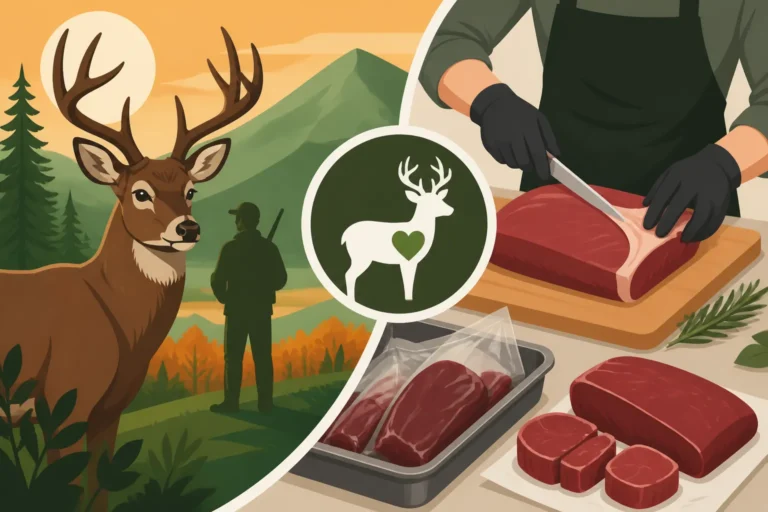
Should the new hunter be fortunate enough to harvest an animal, the learning doesn't stop there. This is a crucial opportunity to teach the ethics of field dressing and processing. Involve them in the process, explaining each step carefully and respectfully. Teach them how to properly cool the meat and the importance of prompt field dressing to preserve its quality. This isn't just about practical skills; it's about fostering respect for the animal and understanding that the harvest provides sustenance. Whether you're heading to a processor or planning to butcher it yourself, involving them in these steps deepens their connection to the experience and teaches them the full circle of responsible hunting. For practical advice, you could look at resources on Field Dressing a Deer in Cold Weather to ensure the venison is handled appropriately, regardless of the temperature.
| Aspect | Youth Hunter (Ages 10-17) | Novice Hunter (Ages 16+) | Mentor Requirements (Adult 18+) |
|---|---|---|---|
| Eligibility | Must be 10-17 years old | 16+ with Hunter Ed, no prior VT deer/turkey harvest | 18+, VT Hunting License, Hunter Ed Cert. |
| Hunter Education | Mandatory Completion | Mandatory Completion | Mandatory Completion |
| VT Hunting License | Required | Required | Required |
| Species-Specific Permit | Required (Youth Permit) | Required | Required |
| Weapon Restrictions | Typically Shotgun/Muzzleloader/Bow (check regs) | Typically Shotgun/Muzzleloader/Bow (check regs) | Same as mentee's chosen weapon (no rifle for deer) |
| Bag Limit (Deer) | One deer (antlered or antlerless, WMU dependent) | One deer (antlered or antlerless, WMU dependent) | Mentor cannot hunt/fill own tag while mentoring |
| Bag Limit (Turkey) | One bird | One bird | Mentor cannot hunt/fill own tag while mentoring |
| Mentor Presence | Mandatory, direct supervision | Mandatory, direct supervision | Constant, direct supervision & communication |
| Reporting Harvest | Mandatory | Mandatory | Mentor assists/guides process |
Navigating Common Challenges and Ensuring Safety
Even with the best intentions, introducing someone new to hunting can present its own set of challenges. Animals don't always cooperate, weather can turn foul, and maintaining focus can be difficult. The mentor's role is to anticipate these hurdles, address them proactively, and always prioritize safety above all else.
Addressing Frustration and Keeping Spirits High
Let's be real: hunting can be tough. Hours of sitting quietly, often in cold or wet conditions, without seeing a single animal can wear down even the most seasoned hunter, let alone a new one. It's crucial for mentors to manage expectations and keep spirits high. Plan shorter hunts, especially for younger participants, with breaks for snacks and stretching. Turn slow periods into learning opportunities—practice identifying bird calls, discuss animal behavior, or simply share stories. If frustration starts to set in, acknowledge it, validate their feelings ("Yeah, it can be tough when the deer aren't moving, I get it"), and refocus on the positive aspects of being outdoors. A positive attitude, regardless of success, ensures they'll want to come back for more. Remember, the primary goal is a positive introduction, not a guaranteed harvest.
Emphasizing Firearm and Archery Safety Protocols
Safety is non-negotiable. This cannot be stressed enough, and it should be the mentor's unwavering focus throughout the entire weekend. Reinforce the four cardinal rules of firearm safety constantly:
- Treat every firearm as if it were loaded.
- Always point the muzzle in a safe direction.
- Be sure of your target and what is beyond it.
- Keep your finger off the trigger until ready to shoot.
For archery, emphasize safe handling of bows and arrows, always knowing where your broadhead is pointed, and ensuring a clear shot with no obstructions. Discuss safe zones of fire if hunting with multiple people (though during this weekend, it's usually one mentor, one mentee). Practice safe climbing techniques if using a tree stand, and always wear a full-body harness. This is the foundation of responsible hunting, and drilling these protocols ensures habits that will last a lifetime. Safety isn't just a rule; it's a culture we build together.
Weather Preparedness and Emergency Planning
Vermont weather can change in a heartbeat, especially in late fall or early spring. A sunny morning can quickly turn into a cold, driving rain or even snow. Always check the forecast, but pack for the unexpected. Bring extra layers, rain gear, and hand warmers. Beyond comfort, consider emergency preparedness. Carry a fully charged cell phone (though service can be spotty in many remote Vermont hunting areas), a portable charger, and a satellite communicator if you're venturing into truly wild areas. Know where you are at all times, have a plan for getting help if someone gets injured, and inform someone else of your hunting location and expected return time. It's a good idea to know the nearest medical facilities, too. Being prepared for emergencies isn't about being paranoid; it's about being responsible and ensuring a safe return home for everyone.
Disclaimer
The information provided in this guide is for general informational purposes only and does not constitute legal advice. Hunting regulations, dates, and requirements are subject to change by the Vermont Fish and Wildlife Department. Always consult the most current official Vermont hunting regulations pamphlet or the Vermont Fish and Wildlife Department website before planning any hunting activity. Failure to comply with regulations can result in penalties.