Best Backpack Frame for a Quartered Moose
When you've finally connected with that once-in-a-lifetime bull moose in Vermont's sprawling Northeast Kingdom, the real work, and often the most challenging part of the hunt, begins. Recovering an animal of that sheer size from deep within the timber or a remote bog isn't just a matter of strong will; it demands the right tools, and chief among them is a robust backpack frame designed specifically for heavy loads. This guide will walk you through what makes an effective backpack frame for quartered moose, helping you understand the critical features that ensure a safe, efficient, and ultimately successful pack-out from the wild Green Mountains.
Why a Dedicated Pack Frame is Non-Negotiable for Moose Recovery
Let's be real: a Vermont moose is an absolutely massive animal. We're not talking about a whitetail deer that you might drag whole or quarter and pack out in a standard daypack. A bull moose can weigh upwards of 800 to 1,200 pounds or more, and even a cow is a formidable beast. Trying to haul out hundreds of pounds of meat, hide, and antlers on a flimsy internal frame backpack meant for camping gear is a recipe for disaster, injury, and a ruined harvest. You need something built to take the strain.
The Reality of Moose Weight and Bulk
Imagine standing over a recently harvested bull, steam rising from its massive body in the crisp Vermont air. The sheer scale can be overwhelming. Even when quartered, each section of a moose – a front shoulder, a hindquarter, the backstraps, the head, and the hide – represents a significant, awkward, and heavy load. A single hindquarter from a large moose can easily weigh 80 to 100 pounds on its own. Now multiply that by four, add the dense neck meat, the substantial backstraps, and then factor in the hide and skull plate with antlers, which can also be incredibly heavy and bulky.
This isn't just about carrying the weight; it's about managing its bulk. A moose quarter isn't a neat, symmetrical package. It's an irregular shape that needs to be securely fastened to a frame, often protruding in awkward ways. Without a rigid frame and a well-designed suspension system, this weight shifts, pulls, and pushes against your body in all the wrong places, turning a challenging task into an impossible, painful ordeal. The difference between struggling for every step and making steady progress often comes down to the pack frame's ability to distribute this immense, unwieldy load effectively.
Protecting Your Body (and Your Harvest)
Many seasoned hunters can share stories of chronic back pain, knee issues, or shoulder strains that resulted from improper packing techniques or inadequate gear. Hauling hundreds of pounds of moose meat out of the backcountry is inherently strenuous, but a quality pack frame dramatically mitigates the risk of serious injury. It's about more than just brute strength; it's about physics and ergonomics. A well-designed external or hybrid frame works by transferring the majority of the weight from your shoulders directly to your hips, engaging your powerful leg muscles and core, rather than relying solely on your upper body.
Beyond your physical well-being, the right pack frame also protects the integrity of your hard-earned harvest. When meat is poorly secured or subjected to excessive bouncing and jostling, it can heat up, bruise, and potentially spoil, especially if the pack-out takes many hours or if temperatures are mild. A stable, rigid frame keeps the meat secure and often allows for better airflow around the quarters if designed with a meat shelf that keeps the load slightly away from your back. This careful management of the meat is crucial, particularly when you might be Packing Out a Vermont Moose over several miles of uneven terrain.
Key Features to Look for in a Moose Pack Frame
Choosing the right pack frame isn't about picking the most expensive option; it's about finding the one that balances strength, comfort, and practical features for the specific demands of a moose hunt in Vermont. You want a piece of gear that feels like an extension of your body, even when loaded down with what feels like a small refrigerator.
Frame Material and Construction
The backbone of any serious pack frame is its material and construction. You'll typically encounter frames made from aluminum, carbon fiber, or a combination of both. Each has its pros and cons.
-
Aluminum Frames: These are generally more affordable and incredibly robust. They can withstand a lot of abuse, which is a huge plus when you're crashing through thick brush or traversing rocky outcrops in the Green Mountains. The downside is they tend to be heavier than their carbon fiber counterparts, adding to your base weight before you even put any meat on the frame. However, for sheer load-carrying capacity and durability, many hunters still swear by aluminum frames. They can often be bent back into shape if subjected to extreme stress, unlike carbon fiber which might splinter or break.
-
Carbon Fiber Frames: These are the lightweight champions. Carbon fiber offers an incredible strength-to-weight ratio, which can make a noticeable difference on long, grueling pack-outs. Reducing your base weight, even by a few pounds, translates into less fatigue over miles. The trade-off is often a higher price tag and a material that, while strong, can be more brittle under certain types of impact. A sharp blow or excessive twisting force could potentially damage a carbon fiber frame in ways that an aluminum frame might simply dent. However, modern carbon fiber frames are engineered with impressive resilience and flex, making them extremely popular for backcountry hunters who prioritize weight savings.
The design itself matters too. Some frames are "external" frames, where the load rides on the outside of a rigid frame, often with a large gap between your back and the load itself. Others are more "hybrid" or "internal-external" designs, integrating a rigid frame system within or very close to the main pack bag, often with a dedicated meat shelf or compression system that pulls the load tight to the frame and your body. For moose, external or hybrid frames with a robust meat shelf are generally preferred, as they provide better load stability and the ability to carry unwieldy quarters outside the main pack bag.
Suspension System and Adjustability
A pack frame is only as good as its suspension system. This is where the magic happens, transforming what would be an unbearable load into a manageable one. When you're looking at a frame, pay close attention to the hip belt, shoulder straps, load lifters, and torso length adjustment.
-
Hip Belt: This is the unsung hero of a heavy-hauling pack. A well-padded, anatomically contoured hip belt should comfortably wrap around your iliac crests (the top of your hip bones) and effectively transfer 70-80% of the load off your shoulders. Look for thick, firm padding that doesn't compress too easily under extreme weight, and a wide design that distributes pressure evenly. The ability to cinch it down securely, preventing any slippage, is absolutely crucial. A common mistake is not having the hip belt tight enough, which puts undue stress back on the shoulders.
-
Shoulder Straps: While the hips carry most of the weight, the shoulder straps keep the pack upright and secure. They should be well-padded and contoured to prevent chafing and pinching. Ensure they are wide enough to distribute pressure across your shoulders without digging in. Adjustable sternum straps are also important for pulling the shoulder straps together across your chest, preventing them from slipping off and providing additional stability.
-
Load Lifters: These small straps connect the top of the shoulder straps to the top of the pack frame. When tightened, they pull the top of the pack closer to your body, bringing the weight forward and up. This subtle adjustment dramatically improves stability and reduces the feeling of the pack pulling you backward, which is especially important when navigating uneven terrain or Hunting a Ridge-Top Saddle for Rutting Bucks. Properly adjusted load lifters make a huge difference in comfort and control.
-
Torso Length Adjustment: This feature is non-negotiable for a serious pack frame. Every individual has a different torso length, and a pack frame must be able to adjust to fit your specific body shape. If the torso length is wrong, the hip belt won't sit correctly, and the shoulder straps and load lifters won't function as intended, leading to an uncomfortable and inefficient carry. Look for frames that offer a wide range of torso adjustments, often indicated by numbered or lettered settings on the frame itself. This allows you to dial in the perfect fit, ensuring the load is centered and balanced.
Meat Shelf Design and Capacity
For a moose hunt, the meat shelf is arguably the most critical component after the frame itself. This is the platform or system that securely holds the heavy, irregular quarters.
-
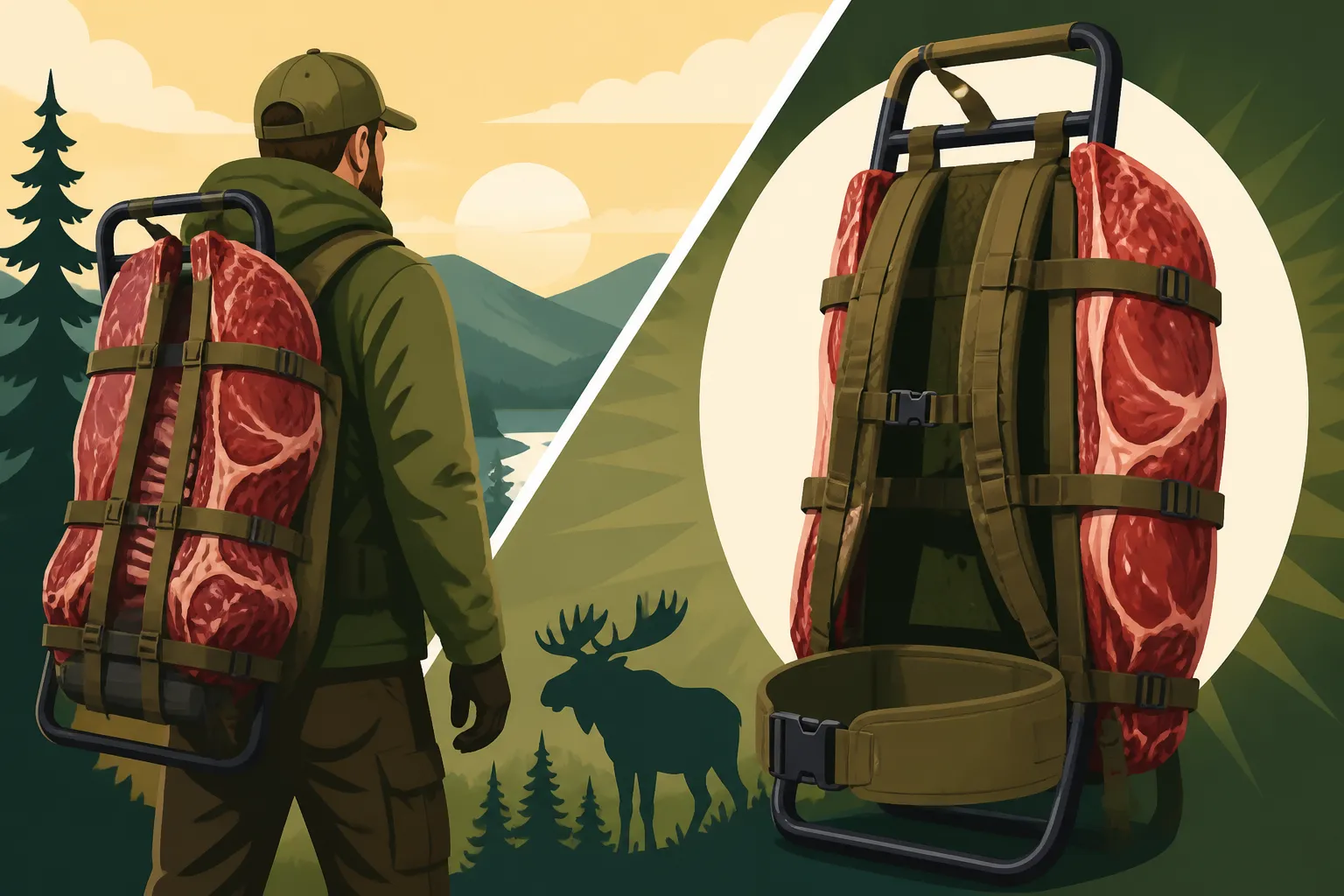
Integrated Meat Shelf: Many modern pack frames designed for heavy hauling feature an integrated meat shelf that folds down from the main frame. This shelf typically sits between your back and the main pack bag, allowing you to sandwich the quartered meat directly against the frame. This design keeps the heavy, dense meat as close to your center of gravity as possible, which is paramount for stability and balance on challenging trails.
-
Compression Straps and Load Control: The shelf itself is only part of the equation. A truly effective system will have ample, robust compression straps that allow you to cinch down the moose quarters tightly against the frame. These straps prevent the meat from shifting, sagging, or bouncing as you move. Look for multiple compression points, both horizontal and vertical, made from heavy-duty webbing and buckles that won't give out under extreme tension. Some frames even offer a separate, dedicated "meat bag" or "meat sack" made of durable, easy-to-clean material that can be compressed onto the shelf. Remember, any movement in the load translates to wasted energy and increased discomfort for you.
-
Expandable Capacity: While the meat shelf handles the bulk of the meat, you'll still need space for essential gear like water, a first-aid kit, extra layers for Layering for Vermont's Long Hunting Season, and possibly a smaller bag for backstraps or tenderloins. Many pack frames are designed to either integrate with a modular pack bag system or offer expandable compression capabilities that allow you to add a substantial bag to the frame once the meat is secured. This flexibility is key for multi-day hunts where you might be carrying camping gear on the way in and moose meat on the way out.
Top Considerations for Vermont Moose Hunters
Hunting moose in Vermont presents its own unique set of challenges. The terrain can be brutal, the weather unpredictable, and the distances vast. Your pack frame needs to be ready for all of it.
Navigating Steep, Rugged Terrain
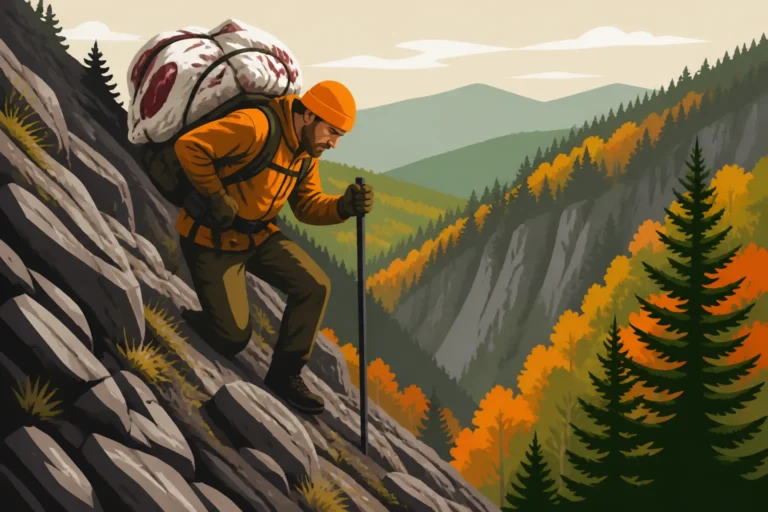
Vermont's Northeast Kingdom, where moose permits are typically focused, is beautiful but unforgiving. You'll encounter steep inclines, rocky descents, muddy bogs, and dense timber. A pack frame designed for mountaineering-level loads shines here. The rigidity of the frame, combined with a properly adjusted suspension system, is what keeps you upright and stable when you're picking your way over downed logs or scrambling up a steep bank with hundreds of pounds on your back.
Think about the flex in the frame. Too much flex, and the load will sway and throw you off balance. Too little, and it can feel overly rigid and uncomfortable. The best frames strike a balance, providing enough give to move with your body while maintaining overall stability. Adjustable load lifters become even more critical when going up or down steep hills, as they help shift the weight to prevent it from pulling you backward on ascents or pushing you forward on descents. Utilizing trekking poles is also highly recommended when hauling heavy loads through this kind of country; they act as extra points of contact and help distribute your weight.
Durability in All Weather
Vermont weather doesn't care if you have a moose on your back. Rain, snow, sleet, and mud are all distinct possibilities, especially in the fall when moose season typically occurs. Your pack frame needs to be able to shrug off the elements. This means:
- Corrosion-Resistant Materials: Aluminum or carbon fiber frames are naturally resistant to rust. Ensure buckles and other metal components are also corrosion-resistant.
- Rugged Webbing and Stitching: The compression straps and hip belt webbing should be heavy-duty nylon or similar material that won't fray or weaken when wet or caked with mud. All stitching should be reinforced at stress points – this is not an area to compromise.
- Ease of Cleaning: While the frame itself is easy to clean, consider the materials used in the hip belt and shoulder straps. They're going to get dirty, bloody, and sweaty. Materials that can be easily wiped down or hosed off are a huge bonus for hygiene and longevity. This attention to detail is something brands like GoHunt often highlight in their gear reviews, understanding the real-world conditions hunters face.
Balancing Weight and Strength
Here's the eternal dilemma: you want the strongest frame possible to carry a moose, but you also don't want to add unnecessary weight to your already heavy burden. This is where carbon fiber frames often win out, offering excellent strength for minimal weight. However, as mentioned, they come at a higher price point.
When making your choice, consider your physical condition and the typical distances you anticipate packing out. If you're tackling multi-mile pack-outs deep in the Green Mountain National Forest, every pound saved on your base pack weight is valuable. If your moose hunt involves shorter distances or easier terrain (perhaps from a logging road access point after Getting a Moose Out on a Logging Road), then a slightly heavier, more budget-friendly aluminum frame might be perfectly adequate. The key is to find a frame that provides the maximum load-carrying capability you need without being overly heavy for your personal fitness level and hunting style.
The Importance of a Test Fit (Even with Meat)
You wouldn't buy a pair of hiking boots without trying them on, and a pack frame is no different. But a quick try-on in the store isn't enough. You need to simulate the load. If possible, load the pack frame with heavy, dense objects – sandbags, dumbbells, or even bags of dog food – aiming for 80-100 pounds. Then, spend some time walking around, going up and down stairs, and adjusting all the straps.
Pay close attention to:
- Hip Belt Comfort: Does it chafe? Does it slip? Is it distributing the weight effectively?
- Shoulder Strap Pressure: Are they digging in? Are they positioned correctly?
- Load Lifter Effectiveness: Can you feel the load shift when you adjust them?
- Overall Stability: Does the pack sway excessively when you move?
- Torso Length: Is it dialed in for your body?
This "dry run" is critical. A pack that feels fine with 20 pounds of camping gear will feel entirely different with a quarter of a moose strapped to it. Many outfitters and specialty stores will allow you to do this, and it’s invaluable for making an informed decision. Look for brands that prioritize adjustability across different body types, ensuring a comfortable fit for a broad range of hunters.
Practical Tips for Packing Out a Vermont Moose
Having the right pack frame is just the first step. Knowing how to efficiently quarter, load, and transport a moose will make all the difference when you're miles deep in the Vermont wilderness.
Quartering and Preparation in the Field
Before you even think about putting meat on your frame, you need to properly field dress and quarter your moose. This is a massive undertaking that requires good knives, a bone saw, and a clear plan. Focus on breaking the animal down into manageable sections: the four quarters (front and hind legs), the backstraps, tenderloins, neck meat, and ribs (if desired). The hide and skull plate with antlers are separate, often heavy loads. For more detailed instruction, checking out guides on Field Dressing a Moose in the Northeast Kingdom is highly recommended.
Once quartered, get the meat off the ground and into game bags as quickly as possible. This protects it from dirt, insects, and initial bacterial contamination. Quality game bags are breathable, allowing the meat to cool while keeping bugs away. Tag each quarter clearly if you're hunting with a party, and consider which quarters might be the heaviest for your first load. Remember, even with the best intentions, you might be hiking for hours, so efficiency and hygiene are paramount.
Loading and Securing the Meat
This is where your pack frame truly shines.
- Start with the heaviest, densest pieces first: Typically, the hindquarters are the bulkiest and heaviest. Position them low on the meat shelf, as close to your back as possible, to maintain a low center of gravity.
- Distribute weight evenly: Try to balance the weight left-to-right on the frame. If you're only carrying one quarter, position it centrally. If you have two, ensure they're balanced.
- Use all compression straps: Cinch down every strap, pulling the meat firmly against the frame. Eliminate any slack or movement. The goal is for the meat to become one with the frame, not a swaying, shifting mass. Don't be shy about really tightening those straps; they're designed for it.
- Add secondary pieces: Once the main quarters are secure, you can add backstraps, tenderloins, or other cuts into a smaller dry bag on top of the main load or in a dedicated pack bag attached to the frame. The skull plate and antlers are often strapped to the top or side, depending on the antler size and frame design.
It's a process of trial and error the first time, but you'll quickly develop a system. The key is snugness and balance. A stable load makes a world of difference for your comfort and safety.
Strategic Hiking and Rest
Packing out a moose is a marathon, not a sprint. Pace yourself.
- Short, deliberate steps: Avoid long strides, especially on uneven ground. Focus on foot placement.
- Use trekking poles: As mentioned earlier, these are invaluable. They provide additional stability, help you balance, and take some of the strain off your knees, especially on descents or when traversing steep terrain.
- Take frequent, short breaks: Don't wait until you're completely exhausted. Stop every 15-20 minutes, drop the pack, and rest for a few minutes. Hydrate consistently. This helps prevent muscle fatigue and injury.
- Listen to your body: If something feels wrong or painful, stop and adjust your pack. Pushing through pain can lead to serious injury.
This is where mental toughness comes in, but proper preparation with the right gear, like a reliable pack frame, makes it physically achievable. Resources like GoHunt often emphasize the importance of physical conditioning and mental preparedness for hunts of this magnitude.
Thinking Beyond the First Load
Unless you're blessed with an ATV trail literally next to your moose, it's highly unlikely you'll get the entire animal out in one trip. Plan for multiple loads, or, even better, hunt with a team.
- Team Effort: The most efficient way to pack out a moose is with two or more hunters. More bodies mean more loads carried, reducing the number of trips and overall time in the field. This also allows for shared gear and support if someone gets into trouble.
- Cache Management: If you're making multiple trips, you'll need a plan for caching the remaining meat. Hang it high to protect it from scavengers, cover it to keep it cool and clean, and mark the location clearly. Consider wrapping it in breathable material to deter flies.
- Weather and Time: Always keep an eye on the clock and the weather forecast. If temperatures are rising or a storm is moving in, you might need to prioritize getting more meat out faster. This might mean larger loads per trip or calling in additional help.
Ultimately, successfully packing out a quartered moose from the challenging landscapes of Vermont is a monumental achievement. It demands preparation, resilience, and, above all, the right gear. A high-quality backpack frame is not just an accessory; it's a vital tool that transforms an arduous task into a manageable and even rewarding part of your hunting adventure. You've earned that meat; now carry it out safely and efficiently!
Disclaimer
This article is for general informational purposes only and does not constitute professional advice. Laws, prices and regulations vary by location and change over time. Consult a qualified professional for guidance on your specific situation.