Best Sled for Dragging a Deer Over Snow
There's nothing quite like the immense satisfaction of tagging a beautiful Vermont deer after a challenging hunt. You've put in the work, made a great shot, and now it's time for the next big challenge: getting your prize out of the woods. If you've ever tried to drag a deer through fresh snow, or even worse, that heavy, wet December snow, you know the struggle is real. It's back-breaking, sweat-inducing, and can turn a joyous moment into an exhausting ordeal. This guide is here to walk you through the world of deer sleds, helping you find the perfect one to make those snowy treks out of the Vermont woods a whole lot easier.
Why a Deer Sled is Your Best Friend in Vermont's Winter Woods
Let's face it, hunting in Vermont often means dealing with snow, especially as the seasons stretch into late fall and early winter. Hauling a deer, whether it's a hefty buck from the Green Mountains or a sleek doe from the Champlain Valley, is never easy. Add a layer of snow, and suddenly it feels like you're trying to drag a boulder through quicksand. This is where a good deer sled becomes less of a luxury and more of an absolute necessity.
The Brutal Reality of Dragging Without One
Imagine this: you've just taken a deer deep in a softwood stand, far from the logging road. It's late November, and a fresh six inches of fluffy white snow blankets everything. You field dress your deer, feeling the chill start to creep in, and then you grab an antler and start pulling. Immediately, the deer's body digs into the snow, acting like a plow. Every branch, every hidden rock, every exposed root grabs at its hide, forcing you to pull harder, to lift, to reposition. Your boots are slipping, your muscles are burning, and soon you're covered in sweat despite the cold, cursing every step of the way. Your clothes get torn, the hide gets scuffed, and what should be a triumphant march out becomes a battle of attrition. This scenario is all too common for many Vermont hunters, especially if you're venturing into areas where a deer drive isn't feasible, or if you're hunting solo. It’s physically punishing, plain and simple.
How a Sled Changes the Game
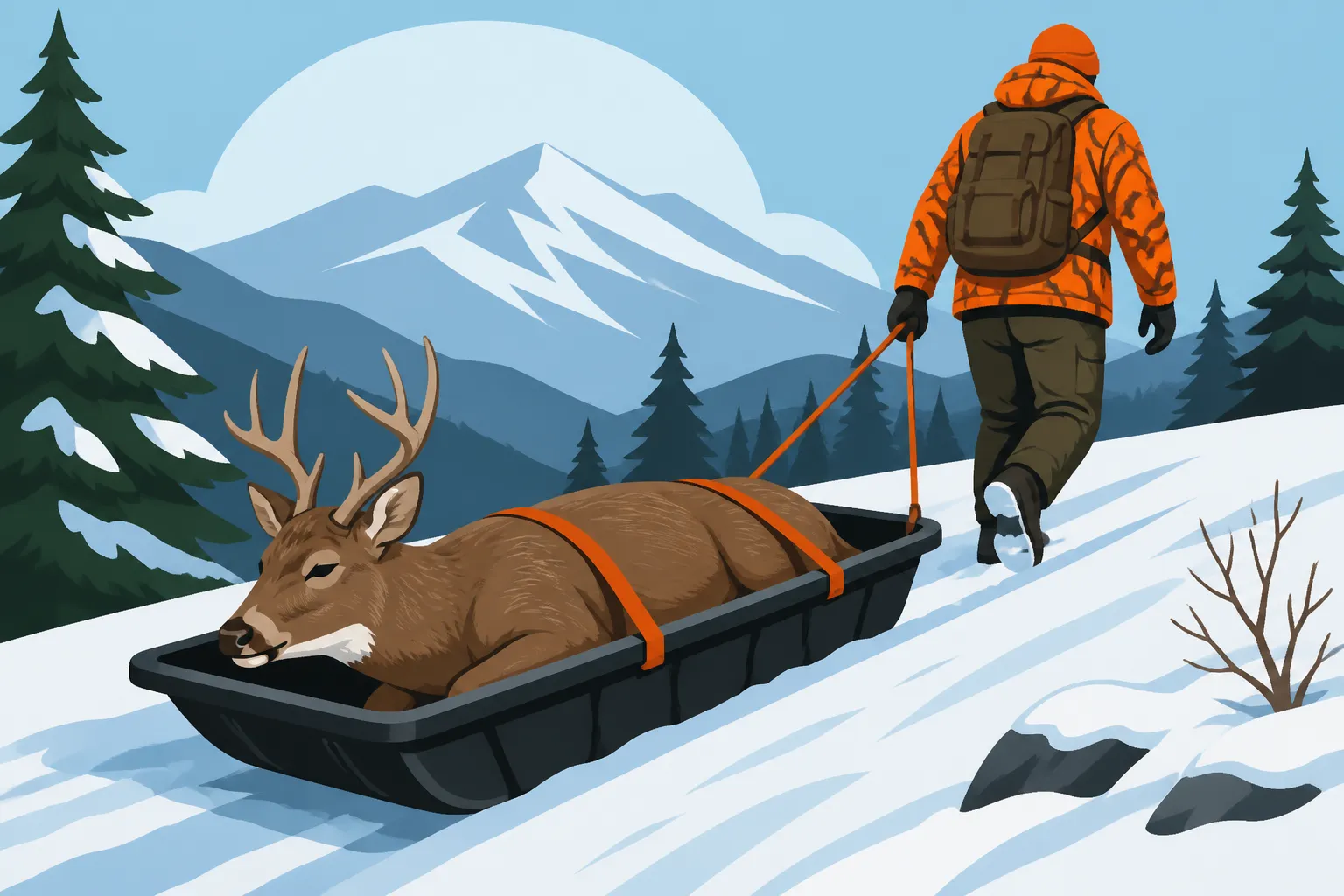
A quality deer sled completely transforms this experience. Instead of the deer's entire body dragging, creating immense friction, the sled provides a smooth, low-friction surface that glides over the snow. Think of it like a boat on water – it displaces the weight and allows for much easier movement. The sled distributes the deer's weight over a larger area, preventing it from digging in. This means significantly less effort on your part. You'll sweat less, conserve energy, and protect both your clothes and the deer's hide and meat from abrasion and debris. In Vermont's often rugged terrain, even under snow, there are always hidden stumps, rocks, and uneven ground. A good sled acts as a protective barrier, keeping your hard-earned venison clean and undamaged as you navigate the woods. It also makes maneuvering around obstacles like downed trees or through thick brush much more manageable, especially if you're trying to move your deer efficiently towards a vehicle or a snowmobile trail. It's an investment in your back, your energy, and the quality of your harvest.
Key Features to Look For in a Vermont Deer Sled
Choosing the right deer sled isn't just about grabbing the first plastic toboggan you see. Vermont's diverse and often challenging hunting environments demand certain features from your gear. You need something that can stand up to cold temperatures, rough terrain, and the sheer weight of a mature whitetail buck.
Material Durability and Flexibility
When it comes to deer sleds, the material is paramount. You want something incredibly tough, yet flexible. High-density polyethylene (HDPE) is a common and excellent choice for its ability to withstand impact and extreme cold without cracking or becoming brittle. Imagine pulling your sled over a hidden rock or stump while dragging a 150-pound deer in sub-zero temperatures. A cheap, rigid plastic sled will likely crack, leaving you stranded with a broken piece of plastic and a deer that suddenly feels twice as heavy.
The flexibility of the material is also key. A good sled should be able to flex and conform slightly to uneven terrain, rather than rigidly catching on every bump. This allows it to glide more smoothly over logs, roots, and icy patches that might be partially covered by snow. Thicker plastic generally means greater durability, so don't skimp here. A robust material will ensure your sled lasts for many seasons, enduring the abuse of cold Vermont winters and rough backcountry excursions. You'll want something that can handle those sharp sticks and hidden rocks without puncturing or tearing, protecting your valuable venison.
Design for Maneuverability and Capacity
The overall design of the sled plays a huge role in how effective and easy it is to use. Look for a sled with a tapered or pointed nose. This design allows the sled to cut through deeper snow more efficiently, reducing resistance and preventing it from plowing and getting bogged down. Sleds with higher, sometimes flared, sides are also a big plus. These higher walls help contain the deer, preventing it from sliding off on side hills or when navigating tight turns. They also do a better job of keeping snow and debris out, especially if you're pulling through deeper drifts.
Capacity is another important consideration. While it needs to be big enough to comfortably hold a deer (or even a bear, if you're lucky!), it shouldn't be so massive that it becomes unwieldy in tight timber or dense brush. A good rule of thumb is to measure the deer you typically harvest and ensure the sled has ample length and width. Many purpose-built deer sleds also feature integrated tie-down points or grommets around the perimeter. These are invaluable for securely strapping your deer into the sled, preventing shifting and making the drag safer and easier. When hunters discuss essential gear on platforms like GoHunt, they often highlight how a well-designed sled with proper tie-down options can truly make or break a recovery effort in challenging conditions.
Runner or Rib Design
Take a close look at the bottom of the sled. Some sleds have a completely smooth bottom, while others feature molded runners or ribs. This design choice can significantly impact performance, especially when dealing with different snow conditions or varied terrain.
Sleds with runners or ribs on the bottom tend to track much better in snow. These raised channels help the sled move in a straighter line, preventing it from veering off course, which can be a real headache, especially on side hills or when you're tired. They also help reduce the surface area in contact with the snow, further decreasing friction and improving glide. Imagine pulling a heavy deer on a slight incline; a smooth-bottomed sled might try to slide downhill, but runners will help keep it on track.
However, a perfectly smooth bottom can sometimes be advantageous in very wet, heavy snow or on icy patches where less surface tension is desired. For general Vermont conditions, where you might encounter everything from powder to crust to slush, a sled with some form of runner or rib design usually offers a more stable and controlled drag. This can be particularly noticeable when Tracking a Deer in Fresh Green Mountain Snow, where maintaining a straight line through varied depths and textures of snow is crucial.
Top Sled Types for Vermont's Diverse Terrain
Just like there are different hunting styles and preferences, there are various types of deer sleds designed for different needs and terrains. Understanding these categories can help you choose the best fit for your specific Vermont hunting adventures.
Standard Utility Sleds (The Workhorses)
These are the classic, often rectangular, no-frills plastic sleds you might have used for sledding as a kid, or seen at a hardware store. They are typically robust, made from durable plastic, and come in various sizes. Their design is straightforward, usually without specialized features like tapered noses or integrated tie-downs.
Pros:
- Affordable: Often the most budget-friendly option, making them accessible to many hunters.
- Widely Available: Easy to find at most outdoor stores, hardware stores, or even online.
- Durable: Made from thick, resilient plastic that can withstand a lot of abuse.
- Multi-purpose: Can be used for hauling firewood, camping gear, or even for fun winter activities with the family outside of hunting season.
Cons:
- Bulky: Their often rectangular shape can make them less maneuverable in tight timber or dense brush compared to more specialized designs.
- Less Aerodynamic: They tend to plow through deeper snow rather than glide over it, which can require more effort.
- Limited Features: May require you to add your own ropes and create your own tie-down points, which can be less secure than integrated options.
Best for: Standard utility sleds are excellent choices for hauling deer out of more open woods, along established logging roads, or over flatter terrain with consistent snow cover. If you often hunt areas with relatively easy access once you reach the deer, or if you're on a tighter budget, these workhorses will get the job done. They're a solid, reliable choice for many Vermont hunters.
Purpose-Built Deer Sleds (Specialized Performance)
As the name suggests, these sleds are specifically engineered with deer recovery in mind. They incorporate features designed to optimize the process, making the drag as efficient and easy as possible. You'll often see these in outdoor specialty stores.
Pros:
- Optimized for Game: Features like tapered noses, higher sides, and contoured bottoms are all designed to make dragging deer easier.
- Better Tracking and Glide: The specialized designs often include molded runners or ribs that improve stability and reduce friction over snow and uneven ground.
- Integrated Features: Many come with pre-drilled holes, grommets, or integrated attachment points for ropes and straps, ensuring secure loading.
- Lighter Weight (often): While durable, some specialized sleds are designed to be lighter than their utility counterparts without sacrificing strength, making them easier to carry in.
Cons:
- Higher Cost: Generally more expensive than standard utility sleds due to their specialized design and features.
- Less Multi-purpose: While they excel at deer hauling, their specific shape might make them less ideal for other general-purpose hauling tasks.
Best for: Purpose-built deer sleds are ideal for the serious Vermont hunter who regularly finds themselves deep in varied terrain, tackling steep climbs and descents, or navigating denser cover. If you hunt areas like the remote sections of the Green Mountain National Forest or deep in the Northeast Kingdom, where recovery can be a true expedition, the performance benefits of a specialized sled are well worth the investment. They can significantly reduce fatigue and frustration on those long, tough drags.
Flexible or Roll-Up Sleds (Lightweight & Packable)
This category represents a more minimalist approach to deer sleds. These are typically made from a thinner, more flexible sheet of durable plastic, often with grommets around the edges for attaching ropes. Their key advantage is their portability.
Pros:
- Very Lightweight: Extremely easy to carry into the woods, often rolling up to fit into a backpack. This is a huge benefit if you're still-hunting deep into remote areas or planning a multi-day hunt.
- Packable: Their flexible nature means they take up minimal space, making them ideal for hunters who prioritize a light load on the way in.
- Unexpected Snow: Perfect for situations where you didn't anticipate snow, but a surprise storm hits after your kill.
Cons:
- Less Rigid: Because they are flexible, they offer less structural support than rigid sleds. On very rough, rocky, or root-filled ground (even under snow), they can fold around the deer, potentially catching on obstacles and making the drag harder.
- Less Protection: The thinner material offers less protection to the deer's hide and meat from sharp objects lurking just beneath the snow.
- Can Be Flimsy: May not be as durable as rigid sleds over many seasons of heavy use.
Best for: Flexible or roll-up sleds are a great option for the hunter who prioritizes extreme packability and light weight. They shine in situations where you're hunting smaller deer, anticipate a relatively smooth drag path, or need an emergency recovery solution. If you're backpacking into the backcountry for a late-season hunt and every ounce matters, or if you’re Still-Hunting Green Mountain National Forest Timber where you might be miles from the truck, having a packable sled can be a game-changer when you're facing deep snow.
Here's a quick comparison of these sled types:
| Feature | Standard Utility Sled | Purpose-Built Deer Sled | Flexible/Roll-Up Sled |
|---|---|---|---|
| Material | Thick, rigid plastic | High-density, molded plastic | Thin, flexible plastic sheet |
| Durability | High | Very High | Moderate |
| Maneuverability | Moderate (can be bulky) | High (tapered, contoured) | High (lightweight) |
| Capacity | Good, but less contained | Excellent (high sides) | Good, but less secure |
| Tracking | Moderate | Excellent (runners/ribs) | Moderate (can wander) |
| Protection | Good | Excellent | Moderate |
| Portability | Low (bulky) | Moderate (can be large) | Excellent (rolls up) |
| Cost | Low-Moderate | Moderate-High | Low-Moderate |
| Best Use | Open woods, logging roads | Varied, rugged, deep snow | Backcountry, light pack |
Maximizing Your Deer Sled's Efficiency
Having the right sled is only half the battle; knowing how to use it effectively can make all the difference between a smooth recovery and an ongoing struggle. Even the best gear needs to be used intelligently, especially in the unpredictable conditions of a Vermont winter.
Proper Loading and Securing the Deer
Once you've field dressed your deer, careful loading is crucial. Position the deer head-first into the sled, ensuring its weight is as centered as possible. This helps maintain balance and prevents the sled from flipping or veering. If your sled has higher sides, tucking the legs and antlers inside will help keep them from catching on brush.
Next, secure the deer firmly. Many sleds have integrated tie-down points or grommets along the edges. Use strong ropes, bungee cords, or specialized game straps to cinch the deer tightly to the sled. Focus on securing the chest and hindquarters. A common mistake is not securing the deer well enough, leading to it shifting or even falling out, forcing you to stop and reload, which wastes precious energy and time. If you’re hunting in a particularly rocky area, or expect a lot of steep descents, a well-secured deer is absolutely non-negotiable for an efficient drag. For insights on robust securing techniques, sites like GoHunt often feature discussions among experienced hunters about the best strapping methods for difficult terrain.
The Art of the Drag Rope
Your drag rope is the direct link between you and your valuable cargo, so don't overlook its importance. A strong, durable rope, ideally with a bit of stretch, is essential. Avoid thin, cheap ropes that can cut into your hands or snap under load. A length of about 8-10 feet is usually a good starting point, allowing some distance between you and the sled.
Beyond a simple rope, consider a harness system. A shoulder or waist harness distributes the pulling weight across your body, rather than concentrating it on your hands and arms. This significantly reduces fatigue and strain on your back, allowing you to pull for longer periods with less discomfort. Some harnesses even come with a sturdy T-handle, offering a comfortable grip. Remember, a low, steady pull is far more efficient than short, jerky tugs. Lean into it, use your body weight, and let the sled glide. This technique is particularly important when you're deep in the woods, potentially several miles from your vehicle, needing to maintain your energy for the entire journey out. It’s also crucial if you’ve had to make a long blood trailing effort on a deer after dark in Vermont and are now faced with a long drag in the dark.
Navigating Tricky Terrain and Obstacles
Vermont's woods are rarely perfectly flat. You'll encounter logs, rocks, saplings, and steep pitches, even under a blanket of snow.
- Logs and Boulders: When encountering logs or large rocks, try to position the sled to glide over them. A tapered nose helps, but sometimes a small lift or push from the back is necessary. If you're hunting with a partner, coordinating your pulls can get the sled over these obstacles much more easily.
- Steep Slopes: For steep ascents, a team drag is ideal if you have a hunting partner. If you're solo, you might have to take short, powerful pulls, resting frequently. On descents, let gravity do some of the work, but maintain control. You don't want the sled to outrun you and potentially flip or damage the deer. Use trees or other stable objects to slow your descent if necessary. This is especially true when you're Recovering a Deer From a Steep Ravine in the Green Mountains.
- Dense Cover: In thick brush or saplings, a narrower sled with high sides will shine. Take your time, thread the sled through openings, and avoid forcing it, which can damage both the sled and the deer. Sometimes, a slight detour around an impenetrable thicket is far more efficient than fighting through it. Remember, good scouting before the season, especially reading aerial photos for Green Mountain deer, can help you identify potential drag routes.
A good deer sled isn't just a piece of gear; it's an investment in a more enjoyable, less painful hunting experience, especially during Vermont's snowy seasons. By choosing the right sled for your typical hunting conditions and learning how to use it efficiently, you'll transform the often-dreaded task of deer recovery into a manageable and even satisfying part of your hunt. So, next time you're heading out for Hunting a Muzzleloader Tag After Rifle Season Closes or even just planning for the colder days, make sure a reliable deer sled is on your essential gear list. It might just be the best decision you make for your back all season.
Disclaimer
This article is for general informational purposes only and does not constitute professional advice. Laws, prices and regulations vary by location and change over time. Consult a qualified professional for guidance on your specific situation.