Vermont Trapping License Requirements
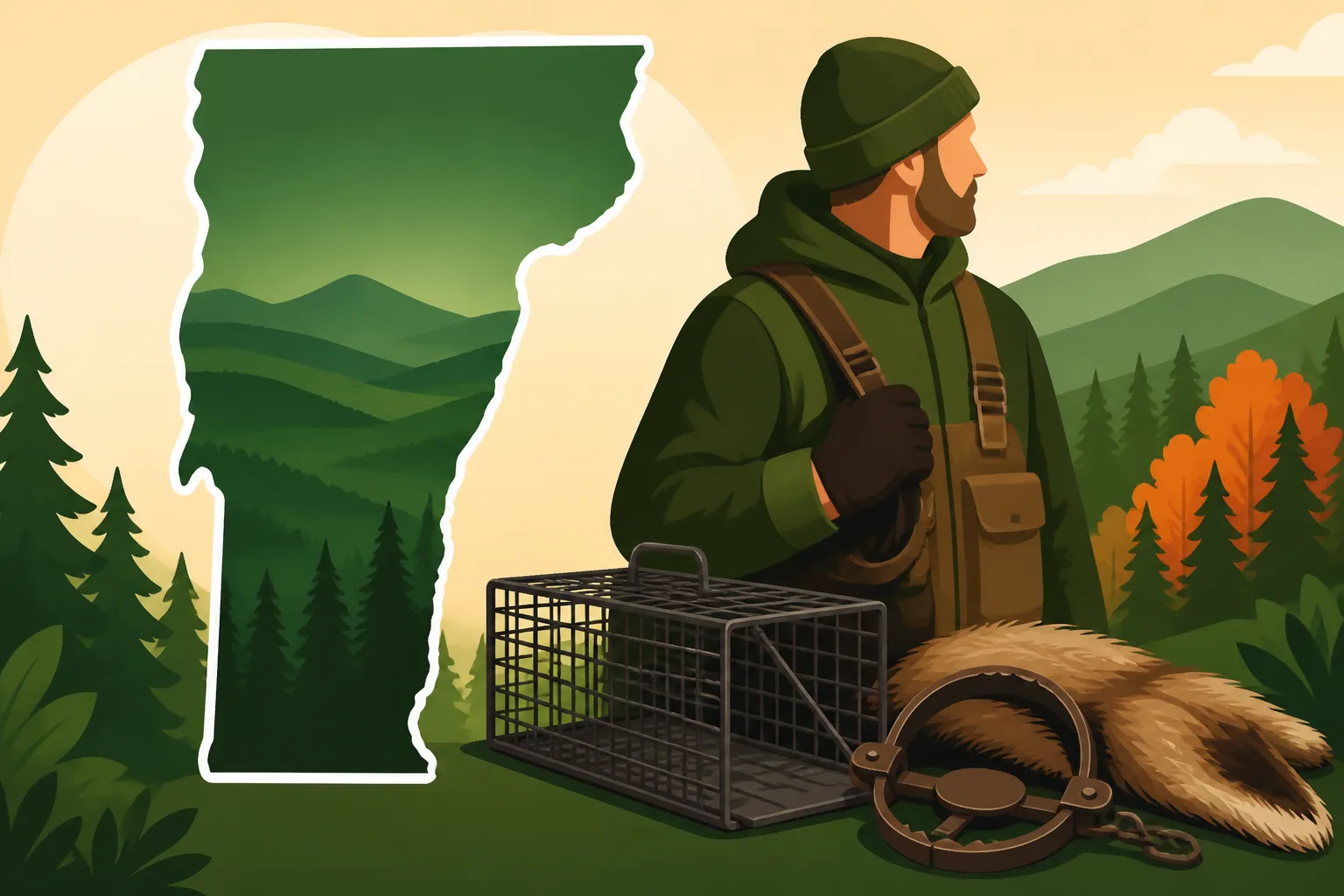
Venturing into the wild world of trapping in Vermont can feel like navigating a dense, snow-covered forest blindfolded, especially when you’re just trying to figure out where to start with the rules. The layers of regulations, specific licenses, and educational requirements can frankly be overwhelming, making many aspiring trappers or even seasoned folks from out of state throw their hands up in frustration. This comprehensive guide is here to clear the path, walking you through every necessary step to understand and meet Vermont’s trapping license requirements, ensuring you can pursue this tradition legally, ethically, and with confidence.
Understanding Vermont's Trapping Landscape
Trapping in Vermont is more than just setting a snare or a conibear; it’s a deeply rooted practice that plays a vital role in wildlife management and offers a unique connection to the natural world. But just like any interaction with wildlife, it comes with a stringent set of rules designed to ensure sustainability and humane practices. Before you even think about purchasing equipment, it’s crucial to grasp the foundational principles that govern this activity in the Green Mountain State.
The Importance of Regulated Trapping
Vermont's rich tapestry of wildlife, including healthy populations of beaver, muskrat, mink, fox, coyote, and bobcat, thrives partly due to careful management, and regulated trapping is a key component of that strategy. It's not just about harvesting furbearers; it's about population control, preventing disease spread, and mitigating conflicts between wildlife and human interests. For instance, beaver populations can quickly become a nuisance, flooding roads and timber, and trapping provides an effective, localized solution. Without these regulations, we’d see chaos – overharvesting, inhumane practices, and imbalances in ecosystems that would ultimately harm the very animals we cherish. The Vermont Fish and Wildlife Department takes this seriously, and every license, every education course, and every reporting requirement is designed with the long-term health of our wildlife in mind. It ensures that the tradition of trapping continues for future generations, while also upholding the highest standards of animal welfare.
Who Needs a Trapping License in Vermont?
The short answer is: almost everyone. If you plan to set a trap or snare for furbearers in Vermont, you absolutely need a valid trapping license. This isn't just a suggestion; it's a legal requirement, and violating it can lead to serious penalties, including fines and loss of future hunting and trapping privileges. There are no exemptions based on land ownership, so even if you're trapping on your own property, you'll still need to be licensed. The only minor exceptions typically apply to very specific situations, such as landowners dealing with nuisance animals under a special permit, but even then, the core principles of humane removal and reporting often apply. It’s always best to assume you need a license and then double-check with the Vermont Fish and Wildlife Department if you have any unique circumstances. This applies to both residents and nonresidents, though the specific types of licenses and their costs will differ. If you’re unsure, err on the side of caution and secure the proper documentation.
Resident and Nonresident Trapping License Options
Vermont offers different licensing structures for residents and nonresidents, reflecting varied access and contribution to conservation efforts. Understanding these distinctions is critical to ensuring you purchase the correct permit for your trapping endeavors.
Specific Resident Trapping Licenses and Costs
For those of us lucky enough to call Vermont home, obtaining a trapping license is a relatively straightforward process. The most common license for trapping furbearers is the Resident Trapping License. This allows you to pursue species like beaver, otter, muskrat, mink, fisher, fox, bobcat, and coyotes during their respective open seasons. The cost is designed to be affordable for residents, encouraging participation in regulated wildlife management. Currently, a standard Resident Trapping License will cost around $30. For younger trappers, a Junior Trapping License is available at a reduced rate, typically for individuals aged 15 and under. There are also specific "combo" options that can bundle trapping with other activities, which we'll discuss shortly. It’s important to note that these fees directly support the Vermont Fish and Wildlife Department's conservation efforts, from habitat restoration to wildlife research, so your license purchase is an investment in Vermont’s natural future. When budgeting for your season, don't forget to factor in the cost of this essential permit.
Navigating Nonresident Trapping Permits
If you're coming from out of state to experience Vermont's trapping opportunities, the process is similar but with a higher associated cost, which is standard practice across most states. Nonresidents will need to purchase a Nonresident Trapping License. This permit grants you the same privileges as a resident trapper, allowing you to target various furbearer species within the legal seasons. The price for a nonresident license is significantly higher, usually in the range of $250, reflecting the fact that nonresidents typically haven't contributed to the state's conservation funding through property taxes or other means. It's a common system that ensures those who live and work in the state are properly recognized, while still welcoming visitors to participate. Before making the trip, it's wise to double-check the current fees on the Vermont Fish and Wildlife Department website or through platforms like GoHunt, which often compile this information, to avoid any surprises. Remember, proper planning ensures a smooth and enjoyable experience.
Combination Licenses for Trappers
For those who enjoy a variety of outdoor pursuits, Vermont offers combination licenses that can be a cost-effective and convenient solution. Instead of buying individual licenses for hunting, fishing, and trapping, you might opt for a Resident Combination Hunting and Trapping License or a similar package that includes fishing. These bundles often provide a slight discount compared to purchasing each license separately and simplify the renewal process. For example, a resident might choose a "Resident Hunting, Fishing, and Trapping" license to cover all their bases for the year. Nonresidents also have combination options, though again, at a higher price point. If you plan on doing more than just trapping—perhaps you also want to try some Fall Turkey Hunting Vermont's Statewide Archery Window or go after some Small Game and Predator Hunting in Vermont—a combination license is definitely worth considering. It streamlines your paperwork and can save you a few dollars in the long run.
Here's a quick overview of typical license costs, though prices can vary slightly each year:
| License Type | Resident Annual Cost (Approx.) | Nonresident Annual Cost (Approx.) | Description |
|---|---|---|---|
| Trapping License | $30 | $250 | Allows trapping of furbearers during open seasons. |
| Junior Trapping License | $10 | N/A | For resident trappers aged 15 and under. |
| Hunting & Trapping Combo | $50 | $350 | Includes privileges for both hunting and trapping. |
| Hunting, Fishing & Trapping | $70 | $450 | Comprehensive license for hunting, fishing, and trapping. |
(Note: These are approximate costs and can change. Always verify current prices with the Vermont Fish and Wildlife Department or GoHunt before purchasing.)
Essential Requirements Beyond the License
Simply buying a license isn't enough to legally start trapping in Vermont. The state has implemented critical educational and regulatory requirements to ensure all trappers are knowledgeable, responsible, and uphold ethical practices. These additional steps are fundamental to safeguarding both trappers and the wildlife they pursue.
Hunter Education and Trapper Education Course Details
This is a big one, and it's absolutely non-negotiable for most first-time trappers in Vermont. Just as hunters need to pass a hunter education course, trappers must complete a specific Trapper Education Course. This comprehensive course covers critical aspects of trapping, including furbearer identification, humane trapping methods, trap types, trap placement, safety, ethics, and relevant Vermont laws and regulations. It's designed to equip you with the knowledge and skills to trap safely, legally, and ethically. You can't just skip this; completion of an approved course is a prerequisite for obtaining your first Vermont trapping license if you were born after January 1, 1970.
Even if you're an experienced trapper from another state, your home state's trapper education certification may be recognized through reciprocity, but it's always best to confirm with the Vermont Fish and Wildlife Department. They maintain a list of acceptable certifications. For those under 18, there's also the option of the Vermont Mentored Youth Hunting Rules program, which often extends to trapping activities, allowing a qualified adult to directly supervise an unlicensed young person. This ensures that the next generation of trappers learns directly from experienced individuals, fostering a strong sense of responsibility and tradition. Don't underestimate the value of this education; it's truly the foundation of responsible trapping.
Additional Permits and Endorsements
While the basic trapping license covers most furbearers, there might be specific situations or species that require additional permits or endorsements. For example, while coyotes and foxes are generally open during the trapping season, regulations around bobcat and fisher might have specific quotas or reporting requirements that act as de-facto endorsements, often tied directly to your trapping license upon harvest. It's not usually a separate purchase but rather an understanding of the specific rules around those species. For something like Vermont River Otter Trapping Season, there might be specific bag limits or harvest zones that dictate how many you can take and where.
It’s less common for trapping than it is for big game like moose or bear to have separate draw permits, but keeping an eye on the Vermont Fish and Wildlife Department’s annual regulations is paramount. These rules can change based on population surveys and management objectives. The best practice is to read the annual trapping guide thoroughly before you head afield. This ensures you’re aware of any special provisions, like specific reporting for certain pelts or tags required after a successful harvest. Ignorance of the law is never an excuse, so stay informed!
Age Restrictions and Mentored Trapping Opportunities
Vermont takes the responsibility of trapping seriously, especially when it comes to younger participants. Generally, there isn't a strict minimum age to start trapping under direct supervision, but the rules around purchasing a license and trapping independently are clear. As mentioned, the Junior Trapping License is available for those 15 and under, but even with this license, most young trappers will need to have successfully completed their trapper education course.
However, Vermont embraces the concept of mentored hunting and trapping, which provides a fantastic pathway for newcomers, especially youth, to learn from experienced individuals without immediately needing all the certifications. Under the Vermont Mentored Youth Hunting Rules program, an unlicensed person (of any age, though it's most commonly used by youth) can trap under the direct supervision of a licensed adult mentor. The mentor must be at least 18 years old and hold a valid Vermont hunting and trapping license. This means the mentor is within immediate reach and can provide direct guidance and ensure safety and compliance. This program is a wonderful bridge, allowing new trappers to gain hands-on experience and develop ethical practices before they pursue their own independent license. It's a testament to Vermont's commitment to passing on these traditions responsibly.
The Application and Renewal Process
Once you understand the requirements, actually getting your license is the next step. Vermont has made significant strides in modernizing its licensing system, offering convenient options for both initial purchases and renewals.
Purchasing Your Vermont Trapping License
Gone are the days when you absolutely had to visit a small town clerk during business hours. Today, the most popular and efficient way to secure your Vermont trapping license is through the Vermont Fish and Wildlife Department's online portal. This digital storefront allows you to purchase your license, pay the fees, and often print a temporary copy right from the comfort of your home. It’s incredibly convenient, available 24/7, and ensures you have a record of your purchase. The system is pretty user-friendly, guiding you through the steps to select your license type, provide your personal information (including your trapper education certification number if required), and complete payment. Many trappers also use resources like GoHunt to research potential trapping areas, and having your license in hand, or at least understanding the process, is step one for any serious planning.
If you prefer a more traditional approach, you can still visit authorized license agents across the state, such as town clerks, sporting goods stores, or other designated vendors. These agents are equipped to process your application in person, and they can be a great resource for local information or to simply put a face to the process. Just make sure to bring all necessary identification and any required certification numbers with you.
Important Dates and Deadlines
Unlike some activities where licenses are perpetual, trapping licenses are annual. They typically run on a fiscal year, usually from January 1st to December 31st, or sometimes starting in mid-December of the previous year and running through December of the current year. It's crucial to be aware of the exact validity period of your license to ensure you’re always trapping legally. While there isn't typically a hard "deadline" for purchasing your annual trapping license, as you can buy it any time during the season, you absolutely cannot participate in trapping without one.
However, specific trapping seasons for various furbearers do have strict opening and closing dates. Missing the opening date for prime pelts or extending beyond the closing date can lead to severe penalties. For instance, the Vermont Fox and Bobcat Trapping Season will have very specific windows. Always consult the current year's Vermont Fish and Wildlife Department regulations booklet, available online and at license agents, for the precise season dates for each species. Setting calendar reminders for license renewals and season openers is a smart move for any dedicated trapper.
Online vs. In-Person Purchases
Both online and in-person methods have their merits. Purchasing online offers unparalleled convenience. You can do it from anywhere, at any time, and often get immediate confirmation. This is particularly beneficial if you realize you need a license at the last minute or if you’re traveling a long distance to trap in Vermont and want to have everything sorted before you arrive. The online portal for Buying a License Through Vermont's Online Portal is robust and reliable.
On the other hand, purchasing in-person at a local agent can be a great way to connect with the local community, ask specific questions that might not be easily answered online, and even pick up a physical copy of the regulation booklet. Sometimes, these agents can provide invaluable local knowledge about certain WMUs or general conditions. For a new trapper, the human element of an in-person purchase can be reassuring. Ultimately, the choice comes down to personal preference, but the flexibility offered by the Vermont Fish and Wildlife Department ensures everyone can access the licenses they need.
Key Trapping Regulations and Ethical Considerations
Beyond securing the proper license and education, a responsible trapper must be intimately familiar with the specific operational regulations and embrace a strong ethical code. These elements ensure humane treatment of animals and maintain the public's trust in trapping as a legitimate wildlife management tool.
Understanding Setback Rules and Device Restrictions
Vermont has very clear rules about where and how traps can be set, all designed to ensure public safety and minimize the chances of non-target animal encounters. A critical regulation is the setback rule: traps and snares generally cannot be set within a certain distance of public roads, inhabited dwellings, or designated public recreation areas without specific permission. This distance can vary, so always refer to the current regulations. For instance, you can't just put a trap right next to a hiking trail in the Green Mountain National Forest if it's within the restricted distance.
Furthermore, there are strict rules regarding the types and sizes of traps and snares that can be used. Certain body-gripping traps (like Conibears) may have size restrictions or require submerged sets, particularly if they are set on land. Snares must be equipped with deer stops and break-away devices to prevent accidental captures of deer and other large non-target animals, which is a key part of the Vermont's CWD Prevention Rules to avoid animal-to-animal contact or carcass movement. These regulations are not arbitrary; they are the result of careful consideration and scientific research to promote humane capture and ensure selectivity. Knowing these nuances is crucial for legal and ethical trapping.
Reporting Requirements for Trapped Furbearers
Unlike deer or bear, where every harvest must be reported individually, many furbearers have specific reporting requirements that vary by species. For common species like muskrat, mink, or fox, trappers are often required to submit an annual harvest report summarizing their take, usually by a specific deadline after the close of the season. This data is vital for the Vermont Fish and Wildlife Department to monitor populations and adjust future seasons or bag limits. It helps them understand overall Vermont furbearers population health.
However, for some high-value or regulated species, like bobcat or otter, individual reporting and even physical inspection of the pelt might be required. For example, a fisher or bobcat pelt might need to be tagged or sealed by a game warden within a set timeframe after harvest. This ensures accurate data collection and helps prevent illegal trafficking. These detailed reporting protocols underscore the state's commitment to robust wildlife management. Always check the current regulations for each species you intend to trap; the rules for Vermont River Otter Trapping Season might be different from those for raccoons. Timely and accurate reporting is a fundamental responsibility of every trapper.
Promoting Ethical and Responsible Trapping
Beyond the letter of the law, ethical trapping demands a commitment to minimizing animal suffering, respecting wildlife, and fostering a positive public image for the activity. This includes:
- Daily Trap Checks: Trappers are generally required to check their traps at least once every 24 hours. This minimizes the time an animal spends in a trap, reducing stress and injury. It also helps in quickly releasing non-target animals.
- Humane Dispatch: If an animal is captured, trappers must know and employ humane dispatch methods that are quick and minimize suffering.
- Respect for Property and Public: Trappers must always respect public and private land, ensuring traps are not set where they could endanger pets or people. This often ties into the setback rules discussed earlier. Tools like GoHunt can provide essential property line data, helping trappers ensure they are always setting traps on legal and permissible land.
- Selective Trapping: Using appropriate trap types and sets for the target species helps avoid catching non-target animals. If a non-target animal is caught, knowing how to safely and quickly release it unharmed is critical.
- Full Utilization: Ethical trappers strive to utilize all parts of the animal, whether it's for fur, meat, or scientific study. This reflects a deep respect for the animal and the resource.
By adhering to these ethical considerations, trappers contribute to the responsible management of Vermont's wildlife, uphold the integrity of the trapping tradition, and ensure its acceptance by the broader community. It’s about being a good steward of the land and its creatures, a core principle of all outdoor pursuits in Vermont.
Disclaimer
Please be aware that hunting and trapping regulations, fees, and season dates are subject to change. Always consult the official Vermont Fish and Wildlife Department website or their latest annual regulation guide for the most current and accurate information before participating in any hunting or trapping activities. This guide is for informational purposes only and should not be considered a substitute for official legal documentation.