Vermont Moose Lottery Application Fee
Navigating the complexities of hunting permits can feel like a labyrinth, especially when you're dreaming of a coveted Vermont moose tag. Many hunters find themselves wondering about the exact costs and what those fees actually cover, making the application process seem a bit opaque. This guide will thoroughly explain the Vermont Moose Lottery application fee, detailing what it entails, how it fits into the larger lottery system, and why it's a critical step for any hopeful moose hunter.
Understanding the Vermont Moose Lottery Application Process
The desire to hunt a Vermont moose is a powerful draw for many, a true once-in-a-lifetime experience for most residents and a rare opportunity for non-residents. However, unlike purchasing an over-the-counter deer or bear tag, securing a moose permit in Vermont requires navigating a lottery system. This system is designed to manage the moose population responsibly, particularly in light of challenges like the winter tick, which significantly impacts moose calf survival. Understanding the full scope of the process, starting with the initial application fee, is crucial for anyone hoping to draw one of these limited tags.
Why Vermont Limits Moose Permits
Vermont's Fish and Wildlife Department meticulously manages its moose population, primarily through a controlled lottery system. This isn't just about offering exclusive hunting opportunities; it's a vital conservation tool. The Green Mountain State's moose population, while healthy in some areas like the Northeast Kingdom, faces pressures, particularly from parasitic winter ticks. These tiny creatures can infest moose by the tens of thousands, weakening them, especially calves, and leading to significant mortality rates. By limiting the number of permits issued each year, the state can carefully control harvest levels, aiming to maintain a sustainable population that can withstand environmental challenges. This is why you'll often hear discussions about Vermont's Winter-Tick-Driven Moose Permit Strategy, as it directly influences how many permits are offered annually.
Historically, Vermont's moose population peaked in the late 1990s and early 2000s, leading to higher permit numbers. However, with increasing tick loads and habitat changes, the population has seen a decline in recent years, prompting a more conservative approach to permit allocation. This means every application is part of a much larger, carefully calculated management plan designed to protect the future of moose in Vermont.
Key Dates for the Moose Lottery
The Vermont Moose Lottery operates on a strict annual timeline, and missing a deadline can mean waiting another year. Generally, the application period opens in the spring, typically around late March or early April, and usually closes in early to mid-June. It's imperative to mark these dates on your calendar. The actual Vermont Moose Lottery Drawing Date usually takes place in late June or early July, an eagerly anticipated moment for thousands of applicants. Successful applicants are then notified shortly after the draw.
For instance, in recent years, the application window has been relatively consistent. If you're planning for next season, expect to submit your application by a deadline around mid-June. You can always check the Vermont Fish and Wildlife Department's official website or utilize a hunting app like GoHunt, which often provides up-to-date regulatory information and reminders, to confirm the exact dates for the current year. Staying on top of these dates is just as important as understanding the fee itself, as a late submission, regardless of payment, will simply not be accepted.
Breaking Down the Application Fee: What Your Money Covers
When you apply for the Vermont Moose Lottery, you're not just throwing your name into a hat; you're making a financial commitment. The Vermont Moose Lottery Application Fee is a modest but mandatory charge, separate from the actual permit fee if you are successfully drawn. This initial fee covers the administrative costs associated with running a large-scale lottery, processing thousands of applications, and managing the complex draw system.
The Cost of Entry
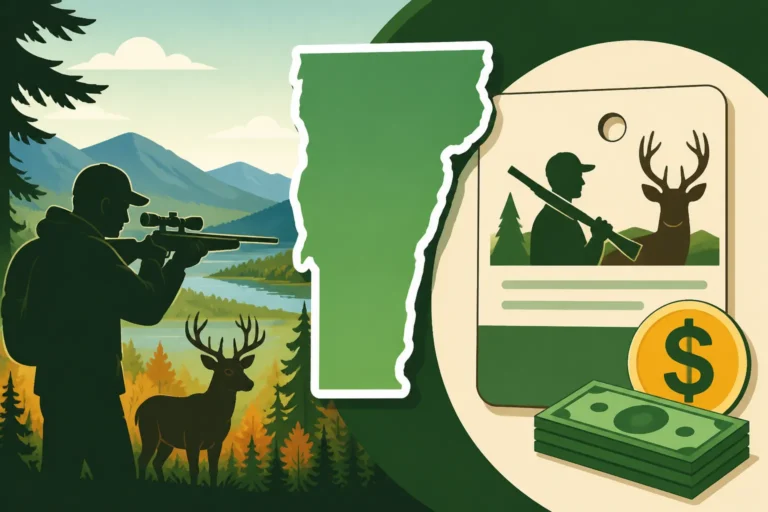
Currently, the Vermont Moose Lottery Application Fee is set at $25.00 for both residents and nonresidents. This fee is non-refundable, meaning if you apply and are not drawn, you will not get this $25.00 back. It's essentially the cost of a chance at a permit. This might seem small compared to the potential cost of a full moose hunt, but it's an important detail to budget for, especially if you apply year after year, building up your preference points.
It's also crucial to distinguish this application fee from the actual Vermont Moose Permit Cost If Drawn. Should you be one of the lucky few whose name is pulled, you'll then be required to pay a much more substantial fee for the permit itself. For residents, this permit typically costs around $100.00, while nonresidents face a significantly higher fee, often in the range of $350.00. This two-tiered payment structure ensures that the state can manage the lottery efficiently without front-loading the full permit cost onto every applicant, while also generating substantial revenue from successful hunters to support wildlife conservation efforts.
Here's a quick comparison of the fees involved:
| Fee Type | Resident Cost | Nonresident Cost | Notes |
|---|---|---|---|
| Application Fee | $25.00 | $25.00 | Non-refundable, paid at time of application. |
| Permit Fee (If Drawn) | Approx. $100.00 | Approx. $350.00 | Paid only if successfully drawn in the lottery. |
What the Application Fee Supports
While the application fee might feel like just another charge, it actually plays a role in the broader conservation efforts of the Vermont Fish and Wildlife Department. This fee helps fund the considerable administrative work involved in:
- Processing thousands of applications: From data entry to ensuring all eligibility requirements are met, there's a significant amount of staff time involved.
- Running the lottery draw: This involves specialized software and auditing to ensure fairness and accuracy.
- Maintaining the preference point system: Each year you apply and are unsuccessful, you accrue a preference point, which increases your odds in subsequent draws. The system needs to track and manage these points for all applicants.
- Communicating with applicants: Sending out notifications, managing inquiries, and updating information all fall under these administrative costs.
Ultimately, this small fee contributes to the overall management of Vermont's wildlife resources, helping to ensure that these hunting opportunities, though limited, remain available for future generations. It's a small investment in the health and future of moose hunting in the state.
Navigating the Application Process: Tips for a Smooth Submission
Applying for the Vermont Moose Lottery is straightforward, but it requires attention to detail. Many hopeful hunters find themselves rushing at the last minute or making small errors that could jeopardize their chances. Taking your time and understanding each step is crucial.
Online Application Portal
The primary method for applying for a Vermont Moose Lottery permit is through the Vermont Fish and Wildlife Department's online licensing portal. This system is generally user-friendly and guides you through the necessary steps. You'll typically need to create an account if you don't already have one, or log in with your existing credentials. This is the same portal you'd use for purchasing other hunting licenses, like your general hunting license or specific deer and bear tags. Make sure all your personal information is accurate and up to date, as this is critical for communication if you are drawn.
While online application is the norm, some individuals might still prefer or require assistance with paper applications, though the online system is highly encouraged for efficiency. The website will walk you through selecting the type of moose permit you're applying for (e.g., bull-only, antlerless-only, or any-moose if available, though Vermont usually focuses on antlerless-only for population control in specific WMUs). You'll also select your preferred Wildlife Management Units (WMUs). Knowing Which WMU Vermont's 2026 Moose Permits Cover is vital, as successful applicants are usually assigned to a specific unit. Researching these units beforehand can significantly improve your hunting strategy should you draw a tag.
Maximizing Your Chances: Preference Points
One of the most important aspects of the Vermont Moose Lottery, beyond the application fee itself, is the preference point system. For every year you apply and are unsuccessful in drawing a moose permit, you earn one preference point. These points accumulate over time, and in subsequent lottery draws, applicants with more preference points have a statistically higher chance of being selected. This system is designed to reward persistent applicants, increasing their odds over time.
For example, if you've been applying for five years and haven't been drawn, you'll have five preference points. When the next lottery draw occurs, your application will be given more weight than someone with zero or fewer points. This system can be particularly beneficial for non-residents who have historically lower draw odds due to the smaller allocation of permits to out-of-state hunters. It encourages continued participation and offers a glimmer of hope to those who have patiently waited. Websites like GoHunt often have tools that help you track your preference points and understand your estimated odds, which can be quite helpful in managing expectations.
Beyond the Fee: What Happens After You Apply
Once you've submitted your application and paid the $25.00 fee, the waiting game begins. This period can be filled with anticipation and hopeful scouting. Understanding the next steps, whether you're drawn or not, is part of being a prepared Vermont hunter.
The Drawing and Notification Process
As mentioned, the Vermont Moose Lottery Drawing Date typically occurs in late June or early July. The draw is a computerized random selection process, with preference points factored in to give long-time applicants a better shot. Once the draw is complete, successful applicants are usually notified directly via email or mail. The results are also often posted publicly on the Vermont Fish and Wildlife Department's website. It's a good idea to keep an eye on these channels around the expected draw date.
If your name is drawn, congratulations! This is when the Vermont Moose Permit Cost If Drawn comes into play. You'll receive instructions on how to pay for your permit, which is a separate and larger fee than the initial application cost. There will also be a deadline for this payment, and failing to pay by that date will result in forfeiture of your permit, which then might be reallocated to another applicant. If you're a non-resident who drew a coveted permit, platforms like GoHunt can be invaluable for connecting with local outfitters or guides who specialize in Moose Hunting Vermont's Northeast Kingdom, helping you plan your trip efficiently.
If You Don't Draw a Permit
It's a tough pill to swallow, but the reality is that many applicants, especially first-timers, won't draw a moose permit in any given year. The number of permits is highly limited – for instance, Vermont's Eighty-Five 2026 Moose Permits is a relatively small pool for thousands of applicants. If you're not drawn, your initial $25.00 application fee is not refunded, but you do gain a preference point for the following year's lottery. This is a critical takeaway: your investment wasn't entirely lost, as it improves your odds for future attempts.
My advice? Don't get discouraged. Use the off-season to learn more about Moose Hunting Vermont's Northeast Kingdom, study maps, identify potential hunting areas, and understand moose behavior. Many hunters spend years accumulating preference points before finally drawing a tag. Every year you apply, even if unsuccessful, is a step closer to realizing that dream. Keep your focus on the long game, and use the opportunity to explore other hunting seasons, perhaps honing your skills in Bowhunting Vermont's Expanded Archery Season or getting out for Spring Turkey Hunting in Vermont.
Planning for Success
Whether you've just applied or are waiting for the draw results, smart planning is key. If you're seriously committed to moose hunting, start thinking about what you would do if you actually drew a tag. This includes:
- Scouting: Even without a permit, you can start scouting areas, particularly in the Northeast Kingdom where moose densities are higher. Look for sign, understand travel corridors, and learn the terrain.
- Gear Preparation: A moose hunt requires specialized gear. Think about Packing for a Northeast Kingdom Moose Hunt, including durable boots, appropriate layering for cold weather, and reliable optics.
- Physical Conditioning: Moose hunting, especially in Vermont's rugged terrain, can be incredibly demanding. Start getting in shape well in advance.
- Logistics: Consider how you would handle getting a massive animal like a moose out of the woods. Field dressing, quartering, and transportation are significant challenges. Research Packing Out a Vermont Moose long before you ever step foot in the woods with a tag.
The Vermont Moose Lottery application fee is a small but significant part of a much larger journey. It's an investment in an unforgettable hunting experience and a contribution to the conservation of a truly magnificent animal in the Green Mountain State.
Disclaimer
Please note that hunting regulations, seasons, and fees are subject to change by the Vermont Fish and Wildlife Department. Always consult the official Vermont Fish and Wildlife Department website or their most current hunting law digest before planning any hunt. This article is intended for informational purposes only and should not be considered a substitute for official regulations.