Vermont Public Land Hunting Hours
It's frustrating when you're out in the beautiful Vermont woods, completely dialed in, only to start questioning whether you're still within legal hunting hours. The worry of being out past legal shooting light, especially on public land where you might encounter more folks, can really detract from the peace of the hunt. This guide will clarify the specific hunting hours for public lands across Vermont, helping you plan your hunts confidently and legally from dawn till dusk, and sometimes beyond for certain species.
Understanding the General Framework for Vermont Hunting Hours
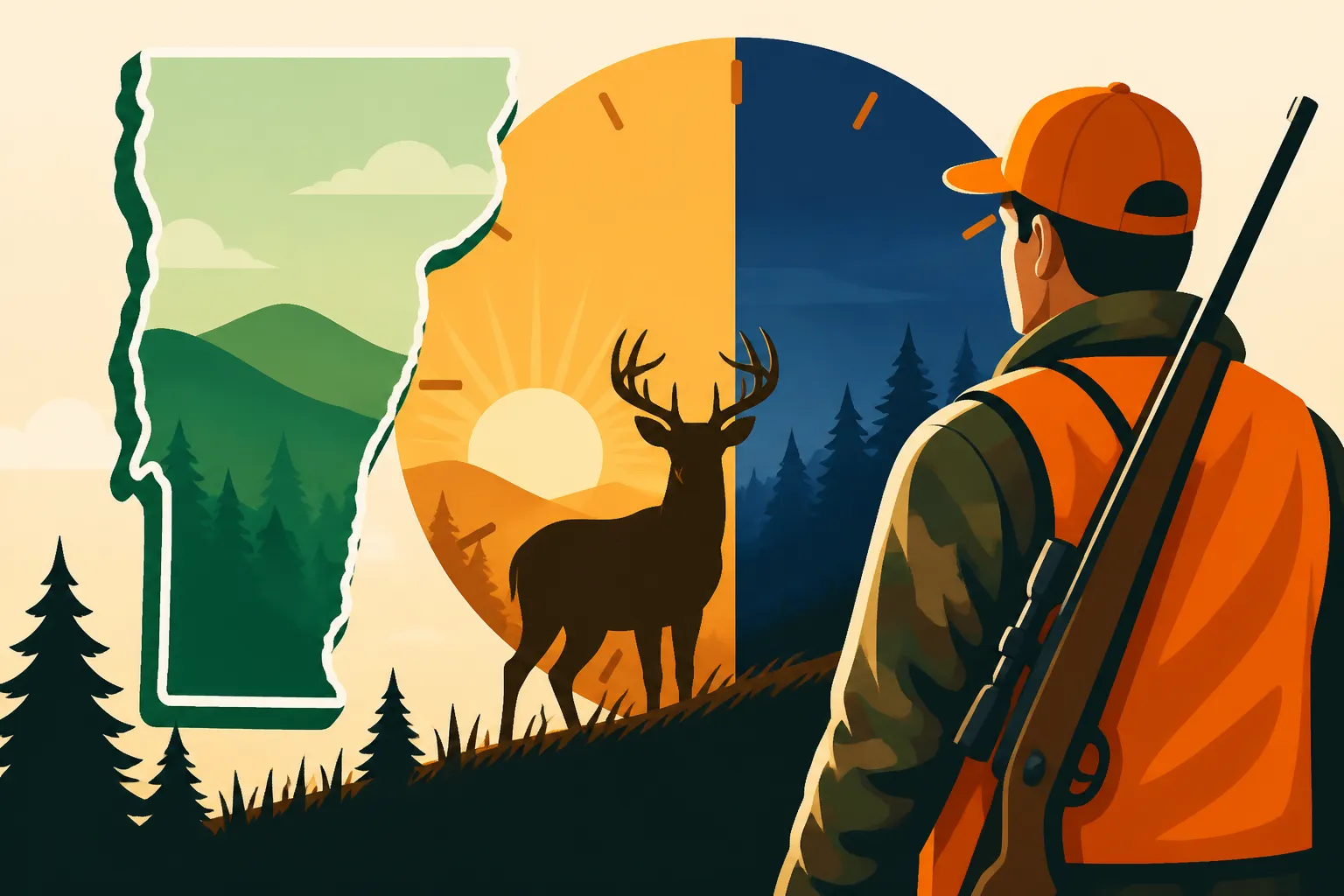
Navigating hunting regulations can feel like deciphering an ancient text sometimes, but when it comes to legal hunting hours in Vermont, there's a pretty consistent rhythm for most game. Essentially, for the majority of deer, bear, and small game seasons, hunters on both public and private land are permitted to hunt from one-half hour before official sunrise until one-half hour after official sunset. This window is crucial because those twilight hours are often when game is most active, moving between feeding and bedding areas.
For many of us, those last thirty minutes of legal light are absolutely magical. The woods come alive with rustling leaves, the distinct calls of owls begin to echo, and that trophy buck might just step out of the thick cover you've been watching all day. Conversely, being in your stand or blind a full half-hour before the sun peeks over the horizon gives you ample time to settle in, let the woods calm down, and be ready for those early morning movements. It's a balance of maximizing opportunity while ensuring you adhere strictly to the law, which is designed for safety and fair chase. This consistent framework applies broadly across areas like the Green Mountain National Forest and various state Wildlife Management Areas.
Why Sunrise and Sunset Matter So Much
The precision of sunrise and sunset times isn't just a guideline; it's a legal requirement that hunters are expected to know and follow. These times change daily, sometimes by a minute or two, and they vary depending on your exact geographical location within the state. What's legal shooting light in the Northeast Kingdom might be slightly different than down near the Massachusetts border on the same day. This is where modern tools really come in handy. Many hunters rely on weather apps or specialized hunting applications like GoHunt to provide hyper-accurate sunrise and sunset times for their specific hunting spot. It takes the guesswork out of it, ensuring you’re not just guessing when that "half-hour before" or "half-hour after" truly begins or ends.
Imagine you're tucked away deep in a hardwood ridge, far from any road, and the light is fading fast. Knowing the precise cutoff time means you can make an informed decision about taking that last-minute shot or packing up your gear to safely make your way out. It’s not just about when you can pull the trigger, but also about the time it takes to legally dispatch an animal, begin field dressing, and navigate the woods back to your vehicle. Planning your exit in the dark is part of the overall hunt strategy, and having those exact times allows you to create a safe plan for egress, especially if you're deep in an area where you've been Scouting Vermont Public Land Before Season.
Specific Season Considerations for Public Land
While the general rule of half-hour before sunrise to half-hour after sunset covers a lot of ground in Vermont, some specific seasons have their own unique regulations for hunting hours. It’s vital to be aware of these differences, as they often correspond to the behavior of the target species or specific management objectives. Getting these wrong can lead to serious legal trouble and impact the perception of hunters on our precious public lands.
Spring Turkey Hunting's Midday Close
One of the most significant deviations from the standard hunting hours occurs during spring turkey season. For those chasing gobblers on Vermont's public lands, legal hunting hours run from one-half hour before sunrise until 12:00 PM (noon) each day. This earlier closing time is a unique aspect of spring turkey hunting in many states, including Vermont, and it's designed to give the birds a break and allow them to return to their normal routines, particularly breeding activities, without constant pressure throughout the afternoon. It also helps in preventing overharvest.
This midday cutoff means your spring turkey strategy needs to be laser-focused on those morning hours. You’ll want to be in the woods well before legal shooting light, trying to locate birds on the roost and setting up an ambush or calling sequence. The pressure of the ticking clock means you can't be indecisive; every setup and calling series needs to be executed efficiently. Many seasoned turkey hunters find this challenging but also invigorating, pushing them to make the most of those prime few hours. After noon, it’s all about scouting for the next morning, or perhaps even fitting in a quick lunch before heading back out for some shed hunting. This is a season where every minute counts, making accurate timekeeping crucial for success while Spring Turkey Hunting in Vermont.
Waterfowl and Migratory Bird Regulations
Waterfowl hunting, which takes place across Vermont's three designated zones, operates under a slightly different set of rules due to federal migratory bird regulations. For ducks and geese, legal hunting hours generally begin at sunrise and extend until sunset. This is a departure from the "half-hour before/after" rule that applies to deer and bear. The federal framework for migratory bird hunting hours is designed to be consistent across states that fall within the same flyways, like the Atlantic Flyway which Vermont is part of.
The specific timing can vary slightly based on the exact zone you're hunting in—be it the Lake Champlain Zone, the Interior Zone, or the Connecticut River Zone. It’s always best to consult the current Vermont Fish & Wildlife digest for the precise times, as they can sometimes have minor adjustments from year to year. For waterfowl hunters, this means your early morning setup might require a bit more light than for a deer hunt, focusing on getting decoys set and blinds brushed in by the official sunrise. Often, the best action for ducks and geese is right at first light, as birds leave their roosts for feeding areas. Using a reliable app that tracks sunrise and sunset, like the one offered by GoHunt, can be invaluable for pinpointing these specific legal shooting times and maximizing your opportunities during Waterfowl Hunting Vermont's Three Zones.
Navigating Legalities and Enforcement on Public Lands
Understanding the posted hunting hours is just the first step; knowing how these rules are enforced and what constitutes a violation is equally important, especially when hunting on public land. Vermont Fish & Wildlife wardens routinely patrol state forests, Wildlife Management Areas, and sections of the Green Mountain National Forest to ensure compliance. Their job is to protect both the wildlife resource and the safety of all public land users, which includes enforcing hunting hours.
The consequences of violating hunting hours can range from warnings to significant fines, license revocation, and even confiscation of game or equipment. It's not just about the moment you pull the trigger; it's about being actively engaged in hunting activity outside of legal hours. This means if you're sitting in a treestand with a loaded weapon, shining a light looking for deer, or actively calling game when it's still dark, you could be in violation. Public lands often see more traffic from non-hunters—hikers, birdwatchers, dog walkers—and respecting the legal hunting hours helps ensure public safety and maintains a positive image for the hunting community.
What Constitutes a Violation
A violation of hunting hours isn't necessarily just "shooting too early" or "shooting too late." It can encompass a range of actions that indicate you're actively hunting outside the legal window. For instance, being positioned in a Treestand Rules on Vermont Public Land with a loaded firearm or bow, scanning the woods with optics, or even making game calls before or after the designated times can be interpreted as illegal hunting activity. The expectation is that you are not actively pursuing game during these periods. This is a critical distinction that many new hunters might overlook.
Furthermore, it’s not just about your personal perception of light. The law refers to "official" sunrise and sunset, not just when you think it's bright enough. This objective standard removes ambiguity and ensures everyone is on the same page. If a warden checks your location and compares it to official times, there’s no room for argument. Having a reliable time source, whether it's your phone or a dedicated GPS device that provides these astronomical data points, is an essential piece of gear. This diligent approach helps avoid situations where one might inadvertently break the rules simply due to a miscalculation of time.
Enforcement and Responsible Hunting
Wardens are primarily focused on safety and resource protection. They understand that accidental minor transgressions can happen, but they are also vigilant about intentional disregard for the rules. Public land hunting ethics dictate that you not only follow the letter of the law but also the spirit. This means giving yourself ample time to get to and from your stand in the dark without feeling rushed or needing to cut corners on safety.
A prime example is tracking a deer after legal shooting light. If you shoot a deer right at the end of legal hours, the law generally allows you to track that animal after dark, but not to continue hunting. You cannot take another shot or dispatch another animal. This is a common scenario where hunters might feel pressured, but knowing the rules helps you make the right call. It’s always best to involve a warden if you have any doubts about tracking a wounded animal after dark, as they can provide assistance and ensure you're operating within legal parameters. This kind of responsible behavior, coupled with an understanding of rules like How Much Blaze Orange Vermont Requires, builds trust and ensures the longevity of hunting access on public lands.
| Season Type | Legal Hunting Hours | Common Exceptions/Notes |
|---|---|---|
| Deer (All Seasons) | 1/2 hour before sunrise to 1/2 hour after sunset | Includes archery (regular and expanded), rifle, and muzzleloader seasons. |
| Bear (Hunting) | 1/2 hour before sunrise to 1/2 hour after sunset | Applies to both early and late bear seasons. |
| Small Game | 1/2 hour before sunrise to 1/2 hour after sunset | Covers squirrel, rabbit, grouse, hare, etc. |
| Spring Turkey | 1/2 hour before sunrise to 12:00 PM (noon) | Crucial difference: Midday close. No afternoon hunting. |
| Fall Turkey | 1/2 hour before sunrise to 1/2 hour after sunset | Applies statewide for archery. Shotgun WMUs also typically follow this. |
| Waterfowl (Ducks/Geese) | Sunrise to Sunset | Crucial difference: Starts at sunrise, not 1/2 hour before. Federal regulations apply. |
| Coyote (Day Hunting) | 1/2 hour before sunrise to 1/2 hour after sunset | Specific regulations exist for night hunting coyotes, which require separate permits. |
Practical Tips for Hunting Public Land Within Designated Hours
Successfully hunting within the legal hours on public land in Vermont requires more than just knowing the times; it demands careful planning and execution. The challenge isn't just about being in your spot for the first and last legal minutes, but about ensuring you can safely and ethically get there and back, especially during those low-light periods.
Pre-Dawn and Post-Dusk Navigation
One of the biggest hurdles is safely navigating public land in the dark. Whether it’s getting to your favorite stand before first light or hiking out after sunset, having a solid plan is essential. Always carry a reliable headlamp with fresh batteries, and ideally, a backup. Knowing your route is paramount. While during the day you might rely on visual cues, in the dark, those landmarks disappear. This is where a GPS device or a mapping app on your phone, like GoHunt's comprehensive mapping features, becomes indispensable. Mark your stand location, your vehicle, and any tricky terrain features, like steep ravines or stream crossings, that you’ll need to navigate.
Consider the terrain you'll be covering. If you're hunting a Green Mountains high-elevation bench in steep country, moving quietly and safely in the dark is far more difficult than walking a flat logging road. Take your time, move deliberately, and listen to the woods around you. The pre-dawn trek is also an opportunity to scout, listening for rustling leaves that might indicate deer movement or the sound of a gobbler still on the roost if it's spring. Your path in and out of the woods should be as silent and stealthy as your hunting approach.
Setting Up for Success and Safe Exits
To maximize your time within legal hours, consider your setup. If you plan to hunt from a ground blind, ensure it's brushed in and ready well in advance, possibly during your Scouting Vermont Public Land Before Season trips. For treestand hunters, your stand should be hung and accessible, allowing for a quiet and quick climb in the dark. Remember, Using a Ground Blind on Public Land or Treestand Rules on Vermont Public Land often have specific requirements for how long they can be left up or how they must be marked on public land.
When the clock winds down at the end of the day, your focus needs to shift from hunting to safely exiting the woods. As soon as legal shooting light ends, unload your firearm or un-nock your arrow, secure your weapon, and prepare for your departure. If you've shot an animal, the priority becomes recovery. As mentioned, tracking after dark is generally allowed, but you are no longer legally hunting. Consider carrying reflective trail markers to help you find your way, especially if you anticipate a difficult recovery or a long walk out. These small preparations can make a huge difference in ensuring a safe and stress-free experience on Vermont’s public lands.
Planning for Varying Conditions
Vermont weather is notoriously unpredictable, and conditions can change rapidly, affecting visibility and travel time. A clear, moonlit night will offer much better visibility than a cloudy, rainy evening. Factor this into your planning. If a storm is rolling in, or if heavy fog is predicted for the morning, allow yourself extra time to get to your spot safely. Similarly, a fresh blanket of snow, while excellent for Tracking a Deer in Fresh Green Mountain Snow, can also slow down your movement in the dark.
Always check the weather forecast before heading out, especially for those all-day sits in November during Hunting Vermont's November Rifle Season. Layering properly, ensuring your gear is weatherproof, and having a thermos of hot coffee can make those long hours more tolerable. Having a solid understanding of the terrain, perhaps by reviewing Reading Aerial Photos for Green Mountain Deer on a mapping app, will also help you identify easy routes for walking in and out. The more prepared you are for any scenario, the more you can focus on the hunt itself, rather than worrying about the clock or the elements.
Disclaimer
This guide is intended for informational purposes only and should not be considered legal advice. Hunting regulations in Vermont can change, and it is the responsibility of every hunter to consult the most current Vermont Fish & Wildlife Department regulations and official season digests before heading afield. Always verify specific hunting hours, zone boundaries, and permit requirements directly with the Vermont Fish & Wildlife Department.