Vermont Snowshoe Hare Season Dates
Trying to pin down the exact dates for hunting a specific small game species in Vermont can sometimes feel like a treasure hunt through a dense forest of regulations. It’s a common frustration for hunters, both seasoned and new, who just want to make sure they’re legal and maximize their time afield. This comprehensive guide is designed to cut through that confusion, providing you with all the essential information on Vermont's snowshoe hare season dates, related regulations, and practical advice to help you enjoy a successful hunt for these elusive winter ghosts.
Understanding Vermont's Snowshoe Hare Season Dates and Why They Matter
The pursuit of snowshoe hare in Vermont offers a truly unique winter hunting experience, often accompanied by the melodious baying of beagles through snowy woods. But before you can experience that thrill, knowing the precise season dates is paramount. These dates are carefully set by the Vermont Fish and Wildlife Department, balancing hunting opportunities with sustainable population management.
The General Season Framework
Vermont typically offers a generous season for snowshoe hare, reflecting a generally healthy and robust population across much of the state. Historically, the season for these fascinating creatures tends to kick off in the early fall and extends deep into the winter months. This extended window gives hunters ample opportunity to pursue them, whether it's during the crisp, early days when the leaves are still falling or when the snow lies deep, creating that perfect white backdrop for their camouflaged coats.
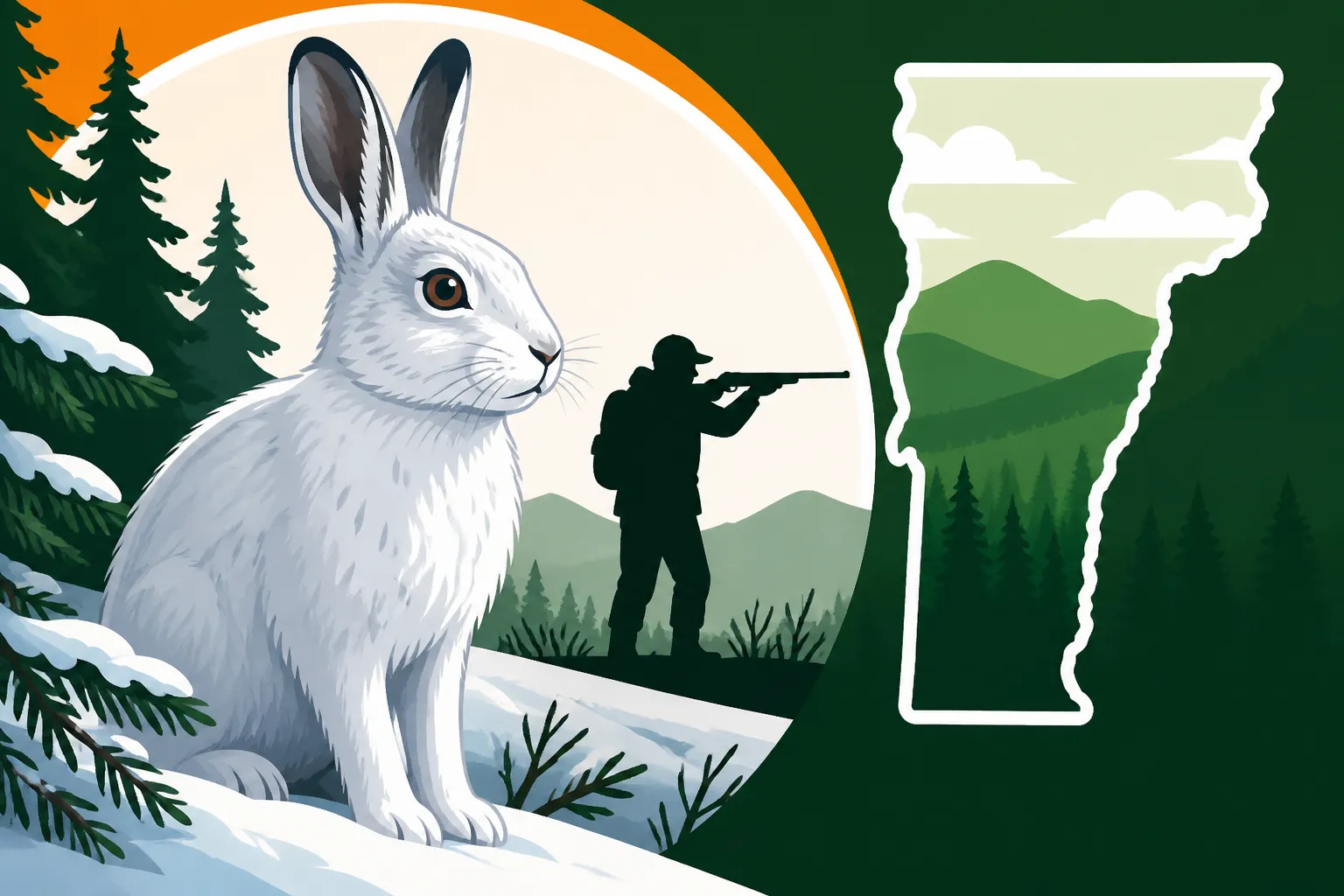
It's crucial to understand that while the season is long, the conditions change dramatically from October to March. Early season hare hunting, for example, might be more about flushing rabbits out of thick cover before the ground is completely blanketed in white. This is a time when the hare might still be in their brown pelage, making them a little harder to spot against the sparse undergrowth. As winter progresses and heavy snow arrives, that's when the snowshoe hare truly comes into its own, its large, furred feet acting like natural snowshoes and its coat turning a brilliant white to blend seamlessly with the landscape. This adaptation is part of why understanding the season dates isn't just about legality, but about timing your hunt for the best conditions and the most classic snowshoe hare experience. The season typically opens in October and runs until mid-March, providing a substantial window for hunters to get out there.
Key Dates and Zones
While specific dates can see minor adjustments from year to year, the general framework for Vermont's snowshoe hare season is quite consistent. As of the most recent regulations, the snowshoe hare season in Vermont generally runs from October 1st through March 15th statewide. This five-and-a-half-month span encompasses a wide range of weather conditions and snow depths, each presenting its own challenges and rewards for hunters. This long season allows hunters to target hare both with and without snow, offering varied experiences.
Here's a quick look at the typical season structure and daily limits:
| Season Period | Start Date | End Date | Daily Bag Limit | Possession Limit |
|---|---|---|---|---|
| Statewide Snowshoe Hare | October 1st | March 15th | 3 | 6 |
It’s important to note that these dates are for the general hunting season. Always consult the most current Vermont Fish and Wildlife Department hunting regulations guide before heading afield, as rules can occasionally change. For instance, specific wildlife management areas (WMUs) or local ordinances could have unique restrictions, though this is less common for general small game like snowshoe hare compared to deer or moose. Using digital tools like the GoHunt app or the Vermont Fish and Wildlife website can be incredibly helpful for verifying these details and ensuring you have the most up-to-date information right in your pocket. These resources often include interactive maps that can show public land boundaries and sometimes even specific regulations tied to certain areas, saving you a lot of guesswork.
Navigating the Rules: Licenses, Permits, and Legal Methods
Getting your license and understanding the legal hunting methods are fundamental steps before setting out for snowshoe hare. Vermont has clear requirements designed to ensure safe, ethical, and responsible hunting. It’s not just about compliance; it’s about upholding the integrity of the hunting tradition in the Green Mountain State.
Licensing and Certifications
To legally hunt snowshoe hare in Vermont, you’ll first need a valid Vermont hunting license. This isn't a separate hare permit; it's part of your general small game or combination license. If you're a Vermont resident, you have several options, including a Vermont Resident License Options that covers small game. Non-residents also have options, often a bit pricier, but granting the same hunting privileges once acquired. You can purchase your license online through the Vermont Fish and Wildlife Department's portal, or at various agents across the state.
Crucially, all first-time hunters in Vermont, regardless of age, must successfully complete a hunter education course. This requirement ensures that everyone entering the field has a basic understanding of firearm safety, wildlife conservation, and hunting ethics. You can learn more about these requirements at Vermont Hunter Education Requirements. Even if you're an experienced hunter from another state, if you've never held a Vermont hunting license before, you'll need to demonstrate proof of prior hunter education or take the Vermont course. Carrying your license and any necessary stamps (though typically not needed for hare) while hunting is not just a good idea, it's a legal requirement. An actual physical copy or an official digital version on your phone is usually acceptable, but always make sure your device is charged!
Legal Hunting Methods and Restrictions
When it comes to hunting snowshoe hare, Vermont offers a fair amount of flexibility in methods, but with important restrictions to keep in mind. Shotguns, .22 caliber rimfire rifles, and archery equipment are all generally legal for taking hare. Many hunters prefer a .22 rifle for its accuracy and minimal meat damage, especially if they’re still-hunting or stalking. Shotguns, particularly those choked for upland game with smaller shot sizes (like 6 or 7.5), are popular for running shots, especially when hunting with dogs.
Perhaps the most iconic and effective method for snowshoe hare is hunting with hounds, specifically beagles. The sound of beagles baying on a fresh hare track, pushing the rabbit in a circle, is a quintessential Vermont winter experience. Running Beagles on a Vermont Snowshoe Hare is a tradition that offers an incredibly exciting and social hunting experience. When hunting with dogs, remember to keep them under control and be mindful of property lines.
It’s also critical to be aware of safety regulations, such as blaze orange requirements. While not always mandatory for small game hunting outside of deer rifle season, wearing blaze orange is highly recommended for visibility, especially if you're hunting in areas where other hunters might be pursuing larger game. When the snow is deep and the woods are quiet, it’s easy to get lost in the moment, but safety should always be your top priority. Remember that discharge of firearms near dwellings or populated areas is strictly regulated, so always know your surroundings and respect safety zones.
Hunting Vermont Snowshoe Hare: Strategies, Habitat, and Gear
Successfully hunting snowshoe hare involves understanding their preferred habitat, employing effective hunting techniques, and having the right gear to brave Vermont's often-chilly hunting conditions. These aren't creatures you'll just stumble upon everywhere; they favor specific types of cover.
Prime Habitat and Scouting Tips
Snowshoe hare, true to their name, thrive in areas with dense cover that offers protection from predators and plenty of browse. You'll primarily find them in thick, young coniferous stands—think spruce, fir, or cedar swamps—often mixed with alder thickets, clear-cuts with dense new growth, or areas of regenerating forest. They love places where the branches hang low and create a canopy, providing both shelter and an escape route from overhead predators like owls and hawks, or ground predators like coyotes. The dense undergrowth also provides a buffet of twigs, buds, and bark, which are their primary food sources, especially in winter.
When scouting for snowshoe hare, look for their distinctive tracks in the snow. Their large hind feet leave prints that resemble miniature snowshoes, and you'll often see a "line" of tracks as they navigate through the thick cover. Look for droppings—small, round pellets—under conifers or in thickets. Chewed twigs with characteristic 45-degree angle cuts are also a good indicator of their presence. Areas with dense softwood cover that borders more open hardwood stands or clearings can be particularly productive, as hare might venture out to feed but always have that thick cover nearby for escape. For pinpointing these potential hotspots, using a robust mapping application like GoHunt can be invaluable. Its detailed satellite imagery and public/private land layers can help you identify dense cover, clear-cuts, and even potential travel corridors that might hold hare, even before you step foot in the woods. This type of digital scouting allows you to mark potential areas and save them for when you're ready to hit the field.
Hunting Techniques and Gear Considerations
There are generally two main approaches to hunting snowshoe hare: still-hunting/stalking or hunting with dogs.
Still-Hunting/Stalking: This method involves slowly and quietly moving through prime hare habitat, carefully scanning the cover for a patch of white or a subtle movement. This is often done alone or with a partner. The key is patience and keen observation. Hare are masters of camouflage, especially in their winter white phase. You'll often spot them frozen in place, trying to blend into a snowdrift or a tangle of spruce boughs. A good pair of binoculars can help you pick apart dense cover. When you do spot one, a well-placed shot with a .22 rifle can be very effective. This method demands quiet movement, so proper footwear that allows for silent travel through snow is important.
Hunting with Dogs (Beagles): As mentioned, this is a classic and highly effective method. A good pack of beagles will pick up a hare's scent and push it through the thick cover. Hare tend to run in circles when pursued, eventually coming back towards where they were jumped. This allows hunters to position themselves along likely travel routes or "runways" to intercept the hare. This method is more active and requires listening carefully to the dogs' baying to understand the chase's direction.
For gear, appropriate clothing for Vermont's winter weather is critical. Layering for Vermont's Long Hunting Season cannot be overstated. Warm, waterproof, and breathable layers are essential to stay comfortable during long hours in the cold, wet, and often snowy woods. Boots are also incredibly important; you’ll need insulated, waterproof boots with good traction, especially if you're navigating through deep snow or swampy areas where hare often reside. Look for boots that are designed for active hunting in cold conditions. You can read more about options at Boots for Northeast Kingdom Bog Hunting, as similar terrain is often prime hare habitat. A small backpack with water, snacks, a first-aid kit, and perhaps a pair of hand warmers will also serve you well. Don't forget a compass or GPS device (like your phone with a loaded GoHunt map) to navigate the dense, often featureless terrain where hare thrive.
Beyond the Season: Conservation and Population Insights
Understanding the season dates is just one piece of the puzzle. For the truly dedicated hunter, having a grasp of the conservation efforts and population dynamics of snowshoe hare in Vermont can enhance the hunting experience and foster a deeper connection to the wildlife you pursue.
Public Land Opportunities
Vermont, while smaller than some western states, offers a significant amount of public land accessible for hunting. This includes state forests, wildlife management areas (WMAs), and portions of the Green Mountain National Forest. These areas are often prime locations for snowshoe hare, especially those with the dense, regenerating forest cover that hare prefer. Utilizing mapping applications or websites like GoHunt can provide detailed layers that highlight public land boundaries, allowing you to confidently plan your hunts.
WMAs like Victory Basin Wildlife Management Area in the Northeast Kingdom or various sections of the Green Mountain National Forest are often excellent choices for small game. When scouting these public lands, look for timber cuts that have grown back into thick saplings and brush. These areas, though sometimes challenging to walk through, are often havens for snowshoe hare. Remember to always respect public land rules regarding vehicle access, camping, and leaving no trace. Knowing the specific public lands Where Vermont Hare Populations Hold Up Best can give you a significant advantage in planning your trips.
Understanding Population Trends and Challenges
Vermont's snowshoe hare population is generally considered stable, providing consistent hunting opportunities. However, like all wildlife, hare populations can fluctuate due to various factors. Habitat availability is a significant driver; as forests mature, the dense, young growth that hare rely on diminishes, so forest management practices like responsible timber harvesting can indirectly benefit hare by creating new patches of suitable habitat.
Predation also plays a role. Snowshoe hare are a critical food source for many predators, including bobcats, foxes, and coyotes. An increase in predator populations, such as those of the adaptable coyote discussed in Coyote Calling Vermont Farm Country, can impact hare numbers, though usually not to a detrimental degree across the entire state. Weather patterns, especially snowfall, can also influence hare survival and observability. Years with less snow might mean hare are less camouflaged, making them more vulnerable. The Vermont Fish and Wildlife Department monitors these factors through various surveys and harvest data, like the Vermont Snowshoe Hare Harvest Numbers, to ensure that season lengths and bag limits remain sustainable. By understanding these dynamics, hunters contribute to the larger conservation picture, ensuring that future generations can continue to enjoy the thrill of chasing snowshoe hare through Vermont's winter wonderland.
Disclaimer
Please remember that hunting regulations, season dates, and bag limits are subject to change. While this guide is compiled with the most current information available at the time of writing, it is the hunter's responsibility to verify all regulations with the Vermont Fish and Wildlife Department's official annual hunting guide or website before engaging in any hunting activities. This information is for educational purposes only and does not supersede official state regulations.