Vermont Turkey Tag Transport Rules
There’s nothing quite like the rush of a successful turkey hunt in Vermont – the gobble echoing through the hardwoods, the careful stalk, and finally, a big tom or hen on the ground. But that moment of triumph often quickly shifts to a little anxiety: "Did I do everything right? Is this bird legal to transport?" Many hunters grapple with these exact questions, and misunderstanding the Vermont turkey tag transport rules can turn a great day afield into a serious headache. This guide is here to walk you through every critical step, ensuring your hard-earned bird makes it home legally and without a hitch.
The Immediate Aftermath: Tagging Your Vermont Turkey
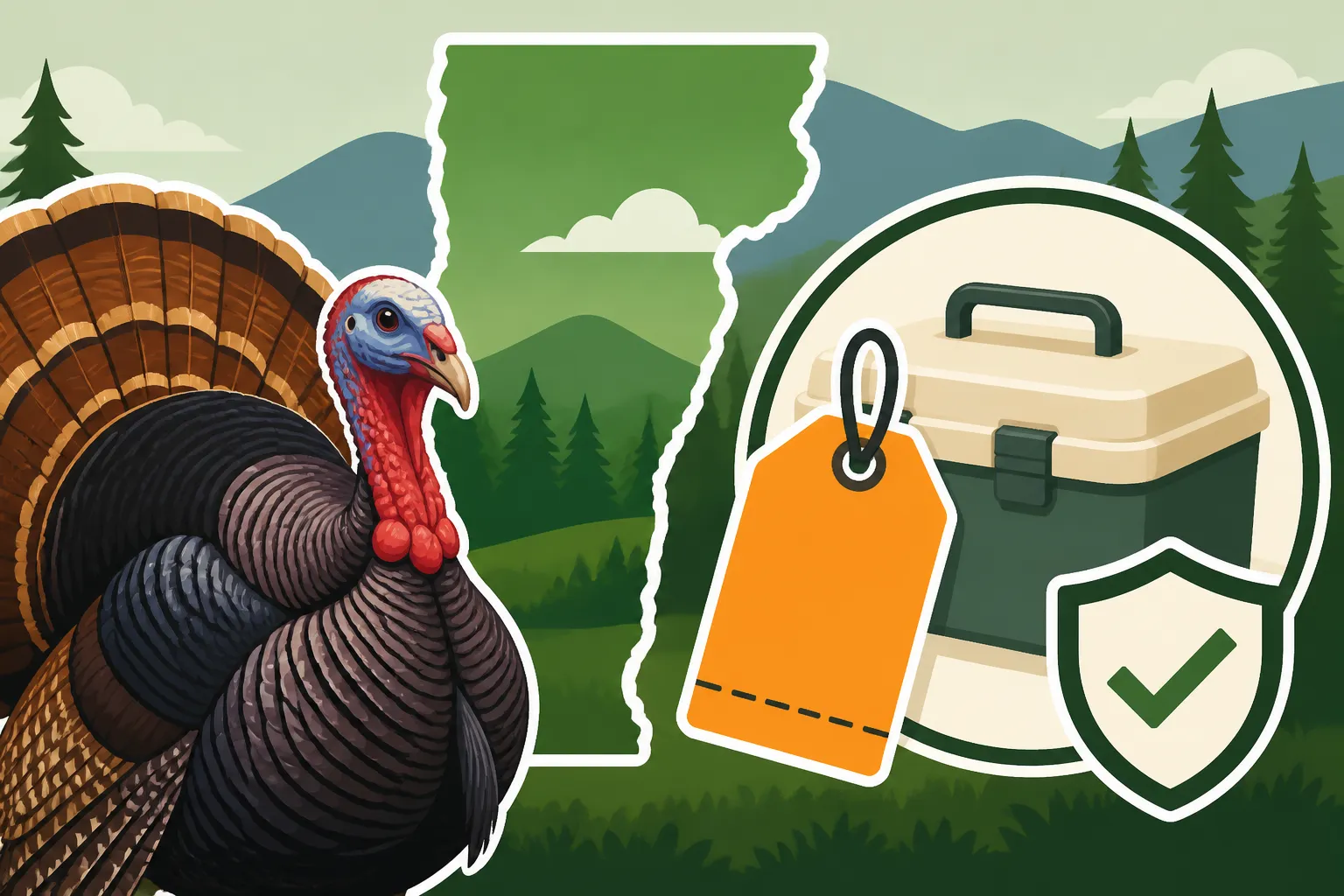
The very first thing you need to understand, even before you consider how you're going to get that bird out of the woods, is the immediate requirement to tag it. This isn't something you can put off until you get to the truck or even back to camp. Vermont's regulations are crystal clear: as soon as you recover your turkey, the tag from your license must be filled out and securely attached to the bird.
Filling Out Your Physical Tag Correctly
Your hunting license typically comes with several detachable tags or a designated section to record your harvest information. For a turkey, you'll need to locate the specific turkey tag. It's crucial to use a pen that won't smudge or wash off easily in damp conditions. Rain, snow, or even just the moisture from the bird itself can quickly render your tag illegible, which could cause issues if you're stopped by a game warden. Take your time and clearly write in the required information: the date of harvest, the exact time of harvest, the Wildlife Management Unit (WMU) where the bird was taken, and the sex of the bird. Make sure to double-check that you've recorded the correct WMU; maps on your phone or a physical map from the Vermont Fish and Wildlife Department are invaluable for confirming your location. An illegible or incomplete tag is almost as bad as no tag at all, so precision here is paramount.
Securing the Tag to Your Bird
Once filled out, that tag needs to be attached to your turkey in a way that it won't accidentally come off during transport. A common and effective method is to use a zip tie or a piece of string to firmly affix the tag to one of the bird's legs. Some hunters prefer to attach it to the breast. The key is securely. Imagine dragging your bird through thick brush or bumping it around in the back of your vehicle – that tag needs to stay put. The purpose of this immediate tagging is proof of legal harvest right at the site, making it impossible for someone to claim a bird taken by another hunter or to harvest multiple birds on a single tag. It's a fundamental step in responsible hunting and ensures the integrity of the season.
Understanding What Must Remain Attached for Transport
Vermont has specific rules about what parts of your harvested turkey must remain attached to the carcass during transport, particularly before the bird has been officially reported. These rules are in place primarily for identification purposes, allowing game wardens to easily verify the species, sex, and legality of your harvest.
Whole Carcass Requirements for Identification
For spring turkey season, where you're specifically targeting gobblers, the rules require that the beard and one leg (with the spur if present) remain naturally attached to the bird until it has been officially reported. This allows enforcement officials to confirm it's a legal male bird. For Fall Turkey Hunting Vermont's Statewide Archery Window, the rules are a bit different, often allowing for either sex to be harvested, but still requiring certain identifying features to remain attached. This means you generally cannot completely field dress or butcher your bird down to just the breast meat until after it's been reported. While you can remove the entrails, keep the bird mostly intact. Trying to be efficient and debone your bird in the field before reporting might seem like a good idea for easier packing, but it puts you at risk of violating transport laws. Planning for this requirement means bringing appropriate game bags if you're quartering other game, but for turkey, the emphasis is on keeping identifying features intact.
Special Considerations for Specific Seasons and Permits
The details of what must remain attached can subtly shift between the Spring Turkey Hunting in Vermont and the fall seasons. It’s always a good idea to refresh yourself on the specific regulations for the season you're hunting. For example, during the spring season, only bearded birds can be legally harvested. Leaving the beard attached until reporting is crucial evidence that you harvested a legal bird. During the fall, depending on the WMU, you might be able to take a hen or a jake, in which case the beard might not be present. In such cases, the leg with the spur (if present) and other natural identifiers are still key. Many hunters rely on digital tools, like those found on platforms like GoHunt, to keep track of their regulations and even scout new hunting grounds, ensuring they’re always up-to-date on these nuances.
| Feature to Remain Attached (Until Reported) | Spring Gobbler | Fall Turkey (All WMUs) | Purpose |
|---|---|---|---|
| Beard | Yes | No (if not present) | Confirm male sex |
| One Leg (with spur if present) | Yes | Yes | Confirm species, age/sex (spur) |
| Wing (or part of wing with primary feathers) | No | No | (Not typically required for VT turkey) |
| Head | No | No | (Not typically required for VT turkey) |
Transporting Your Harvested Turkey Across Vermont
Once your turkey is properly tagged and you understand what parts must remain attached, the next step is safely and legally transporting it out of the woods and ultimately to your home or processing location. This process involves more than just tossing it in the back of the truck; there are considerations for visibility, condition of the bird, and potential inspections.
From Field to Vehicle: Initial Movement
Getting your bird from the spot it fell to your vehicle can sometimes be a trek, especially if you're deep in the woods or trying to avoid disturbing other hunters. When moving the bird, especially through areas where other hunters might be present, it's wise to cover it if possible, or at least ensure the tag is clearly visible. If you’re like me and often find yourself still-hunting deep into dense cover, like when Still-Hunting Green Mountain National Forest Timber, you might be carrying that bird a fair distance. Having your hunting license and permits accessible, perhaps digitally on your phone through an app like GoHunt, is incredibly convenient if you were to encounter a warden during this initial movement.
Vehicle Transport and Visibility
Once your turkey is in or on your vehicle, Vermont law requires that it be transported openly, meaning it shouldn't be completely concealed from view. This isn't about showing off your harvest; it's another measure to deter poaching and allow for easy identification by law enforcement. While you don't need to put it on your roof rack for everyone to see, it shouldn't be completely hidden in a trunk or under a tarp in a truck bed. A good practice is to place it in an open area of your truck bed, perhaps with a light covering of a permeable cloth to keep leaves off but still allow for identification. If you're using a game cart to haul it out of the backcountry, ensure the tag is still visible.
It's also essential to consider the condition of the bird during transport. Especially on warmer days, field dressing immediately can help cool the carcass and preserve the meat quality. While the internal organs can be removed, remember the requirement to keep those identifying features attached until reporting. A cooler with ice can be a lifesaver for longer drives, but again, ensure the bird isn't completely submerged in a way that makes identification impossible before reporting.
Interstate Travel and CWD Prevention
While turkey typically don't fall under the same stringent Vermont CWD Prevention Rules as deer or moose regarding carcass importation/exportation, it's always wise to be aware, especially if you plan to travel across state lines. Most states require that game animals harvested within their borders are tagged and reported according to their specific laws before being transported out of state. If you harvest a bird in Vermont and plan to take it to, say, New York or New Hampshire, you'll need to follow Vermont's tagging and reporting process first. Then, you should check the regulations of your destination state to ensure you're compliant with their import rules. It’s rare for turkey carcasses to face restrictions similar to cervids, but a quick check can prevent unexpected issues.
Reporting Your Harvest: The Final, Crucial Step
After successfully tagging and transporting your turkey, the final, absolutely vital step is reporting your harvest to the Vermont Fish and Wildlife Department. This isn't just a suggestion; it's a legal requirement and an integral part of managing the state's wild turkey population.
The Online Reporting System
Gone are the days when most hunters had to physically drive to a deer check station to report their game. Vermont has largely transitioned to an efficient online reporting system, making the process much more convenient. For turkeys, you typically have a specific timeframe – often within 48 hours of harvest – to report your bird. You'll need your hunting license number and the details from your tag (date, time, WMU, sex of bird).
To report, you'll visit the Vermont Fish and Wildlife Department's official website. There, you’ll find a dedicated portal for harvest reporting. The system will guide you through entering the necessary information. It’s a straightforward process, but accuracy is key. The data collected from these reports, including the number of birds harvested, their sex, and the WMUs they came from, provides invaluable information for wildlife biologists to monitor Vermont Turkey Population Trends and set future seasons and bag limits. After a successful hunt, using the official Vermont Fish & Wildlife app or navigating to their website, which can often be linked through hunting resources like GoHunt, is the most common way to report.
What Happens After Reporting
Once you've submitted your harvest report online, you'll typically receive a confirmation number. This number is your proof that you have legally reported your bird. At this point, you can then proceed with fully processing your turkey – whether that means plucking it, skinning it, or breaking it down for the freezer. The legal requirement to keep certain identifying features attached ends once the bird is officially reported. This is a huge relief for many hunters, as it opens up the possibilities for preparing the bird for cooking or taxidermy without worrying about legal repercussions. Many hunters find that Hunting the Youth and Novice Turkey Weekend is a great time to teach these critical post-harvest steps, including reporting, to new hunters.
Common Reporting Pitfalls to Avoid
Even with a streamlined online system, hunters sometimes run into issues. A common mistake is simply forgetting to report within the required timeframe. Life gets busy, and after the excitement of the hunt, it's easy to put it off. Set a reminder on your phone! Another pitfall can be incorrect WMU identification. If you were hunting near a boundary, always confirm your location before reporting. If you’re not sure, tools like the Vermont Fish and Wildlife Department’s app can help you pinpoint your exact WMU, as can digital mapping services. Ensuring accurate data helps the state manage its wildlife effectively. This commitment to accurate reporting is crucial for preserving hunting opportunities, from Vermont Spring Turkey Season Dates to Vermont Fall Archery Turkey Season Dates.
Disclaimer
Please remember that hunting regulations can change. While this guide provides comprehensive information on Vermont turkey tag transport rules as of its publication, it is always your responsibility to consult the most current Vermont Fish and Wildlife Department regulations before heading afield. This content is for informational purposes only and does not constitute legal advice.