Vermont Public Dove Field Rules
Finding prime dove hunting spots in Vermont can sometimes feel like chasing a ghost, especially when you're used to the more structured seasons for deer or turkey. It's not always as straightforward as walking into a known patch of woods; dove hunting requires specific habitat and often, some dedicated management. This guide will help you understand the specific rules and unique opportunities surrounding Vermont's public dove fields, giving you the insights you need to confidently pursue these fast-flying game birds.
Understanding Vermont's Dove Hunting Landscape
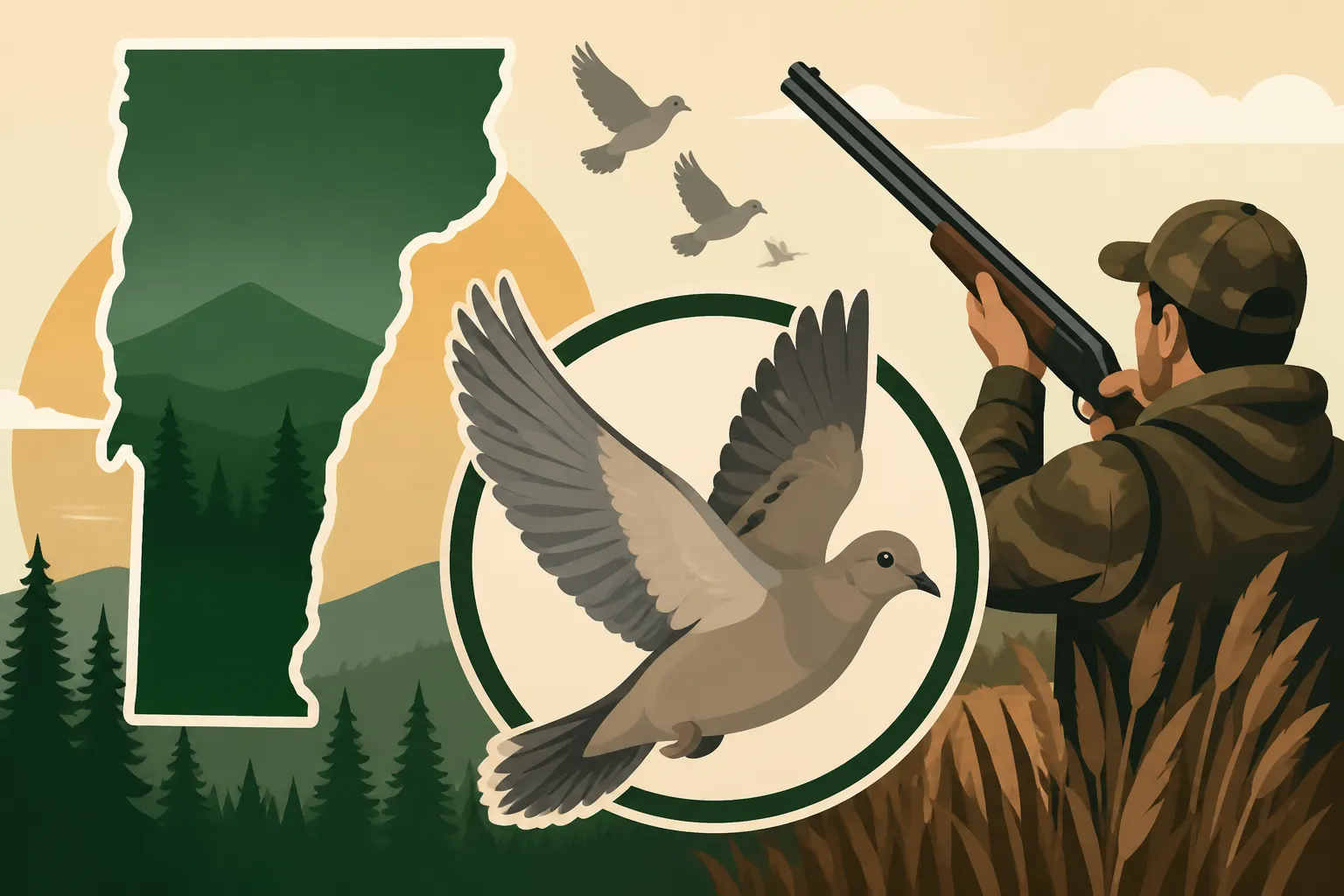
Mourning doves are one of those unique hunting opportunities in Vermont that often fly under the radar, literally and figuratively. They offer a different kind of challenge and excitement compared to still-hunting a ridge for a deer or calling a spring gobbler off the roost. For many, dove season, which typically kicks off in early September, is the unofficial start to the fall hunting calendar, a chance to shake off the rust and enjoy some fast-paced action before the leaves really start to turn.
Why Doves Are a Unique Opportunity
The beauty of dove hunting lies in its simplicity and its challenge. You don't need elaborate gear or weeks of scouting (though some scouting helps!). It’s often a social hunt, shared with friends or family, and it’s a fantastic way to introduce new hunters to the field due to its active nature. But don't let the simplicity fool you; hitting these agile birds can be incredibly humbling. They dart and weave with astonishing speed, making every shot a test of reflexes and leading skill. It’s a completely different rhythm than waiting patiently for a whitetail, and that change of pace is exactly what many Vermont hunters crave after a long summer. It also provides a great excuse to get out and enjoy the beautiful late-summer, early-fall weather, often in open fields bathed in golden light.
For many Vermonters, dove hunting is a tradition passed down, a chance to sit by a field edge, enjoy the camaraderie, and sharpen shooting skills for the bigger game seasons to come. It’s accessible, too, often requiring less strenuous hiking than a high-country moose hunt or navigating thick cover during bear hunting Vermont's long September-to-November season. The excitement of a rapid-fire flock circling overhead, the whistle of their wings – it’s a distinct and thrilling experience that every Vermont hunter should try at least once.
General Rules and Regulations for Dove Hunters
Like all hunting endeavors in the Green Mountain State, chasing doves comes with its own set of rules, and it’s crucial to understand them before you head out. First and foremost, you'll need a valid Vermont hunting license. For migratory birds like doves, this also includes a Vermont Migratory Bird Certification. Additionally, don't forget the federal duck stamp and your HIP (Harvest Information Program) certification. These are federal requirements for anyone hunting migratory game birds, and failure to have them can lead to a hefty fine. Make sure all your paperwork is in order before you even load your shotgun.
The season for mourning doves in Vermont typically opens around September 1st and often runs for a substantial period, sometimes with a split season later in the fall. Daily bag limits are generous, usually 15 birds, with a possession limit of 45. Shooting hours generally run from half an hour before sunrise to sunset, giving you ample time in the field. Ethical hunting practices are paramount, too. Always ensure you have a clear shot, know your background, and only take what you can reasonably retrieve. While dove hunting usually doesn't involve the same rigorous blaze orange requirements as other seasons, safety is always key, especially on public land with other hunters.
Another important point to clarify is ammunition. For mourning doves, traditional lead shot is generally permissible across most of Vermont. However, if you find yourself hunting on a specific Wildlife Management Area (WMA) that is managed primarily for waterfowl or has special non-toxic shot rules for all hunting, you absolutely must comply with those regulations. Always check the specific rules for the area you intend to hunt. It's easy to assume, but a quick check with the Vermont Fish & Wildlife Department (VFWD) website or even a call to a local game warden can save you a lot of grief. Being prepared with the right shells is just as important as having the right license.
Navigating Vermont's Public Dove Fields
One of the biggest hurdles for new and even experienced dove hunters in Vermont is simply finding a place to hunt. Unlike vast tracts of forest for deer, dove hunting often requires specific agricultural setups: fields of sunflowers, millet, or cut corn that attract and hold birds. The good news is that the Vermont Fish & Wildlife Department (VFWD) often works with landowners to establish designated public dove fields, but they aren't always widely advertised or consistent year-to-year.
Locating Designated Public Dove Fields
The key to a successful public dove hunt starts with proactive research. These aren't like your typical "hunt anywhere on public land" spots. The VFWD makes a concerted effort to plant and manage specific fields, usually around the Champlain Valley or other agricultural regions, to create prime dove habitat. Your first stop should always be the official VFWD website. They usually release information about cooperative dove fields shortly before the season opens. Sometimes, these fields are located on Wildlife Management Areas, which offer other hunting opportunities, as highlighted in this guide on finding a Vermont WMA near you.
These designated fields are a special resource, often planted with doves in mind, making them magnets for birds. They might be fields of sunflowers that have gone to seed, standing corn that’s been chopped, or patches of millet. Utilizing modern mapping tools can be a game-changer here. Platforms like GoHunt, for example, allow you to overlay public land boundaries and sometimes even identify agricultural patterns that could indicate prime dove habitat. While the VFWD will provide locations, using an app like GoHunt for aerial reconnaissance can help you visualize the field, identify potential entry routes through a cut cornfield, and even spot adjacent cover or water sources that might influence dove flight patterns. It’s about leveraging every tool at your disposal to gain an edge.
Remember that these fields can vary year to year depending on crop rotations and landowner agreements. Don't assume a field that was active last year will be this year. Always double-check with the most current VFWD information. Local VFWD offices can also be a fantastic resource. A quick phone call can provide insight into which fields are active, their condition, and even recent bird activity. Don't underestimate the value of scouting Vermont public land before season. Driving around potential areas a few weeks before the opener can show you if birds are using the fields and help you plan your approach.
Specific Field Regulations and Etiquette
Once you've located a public dove field, understanding and adhering to its specific rules and the unwritten code of hunter etiquette is paramount. These fields are often smaller, concentrated areas, meaning you'll likely be sharing the space with other hunters. Respect and safety are the pillars of a good experience. Always park in designated areas to avoid blocking access or damaging crops. Walk-in access is often required to minimize disturbance.
Safety zones around buildings, roads, and other structures must be strictly observed. Know your shooting lanes and always be aware of where other hunters are positioned. A common rule of thumb is to maintain a safe distance from other hunters, typically 100-150 yards, to ensure adequate space and prevent accidental pellet strikes. While not a hard-and-fast rule for dove hunting in Vermont, knowing the standard Vermont firearms discharge setback rules is always wise. The VFWD may also have specific signs posted at the fields outlining any unique rules, such as non-toxic shot requirements if the field is part of a wetland complex, or specific hours of operation.
It's also crucial to remember that these fields are often active agricultural areas. Do not damage crops, fences, or other property. Leave no trace – pick up all your spent shell casings, garbage, and any retrieved birds. If you're hunting with a dog, ensure it's well-controlled and doesn't interfere with other hunters or their retrieves. Communication with other hunters is key; a friendly wave or a quick chat about where everyone is setting up can prevent conflicts and make for a much more enjoyable day for everyone involved. Being a good steward of these limited public resources ensures they remain available for future seasons.
Preparing for a Successful Public Dove Field Hunt
A successful dove hunt isn't just about finding the birds; it's about being prepared for the fast action, the elements, and the specifics of public land hunting. Even though doves are small game, treating the hunt with the same respect and preparation as a larger game pursuit will significantly increase your enjoyment and success.
Essential Gear for Dove Hunting
While dove hunting doesn't require the extensive gear list of a multi-day backcountry deer hunt, having the right essentials makes all the difference. First, your shotgun: a 12 or 20 gauge is most common. Many hunters prefer an improved cylinder or modified choke for the fast, close-range shots that doves present. Bring plenty of shells; doves are notoriously hard to hit, and you'll likely shoot more rounds than you expect. Lightweight game loads in 7 ½ or 8 shot are perfect.
Beyond the firearm and ammo, a comfortable stool or five-gallon bucket is invaluable for sitting patiently at the edge of a field. Doves often come in waves, so you'll be doing a fair bit of sitting interspersed with bursts of action. Water is crucial, especially in early September when temperatures can still be quite warm. Don't forget bug spray, as mosquitoes and gnats can be plentiful in field environments. While blaze orange isn't usually mandatory for dove hunting specifically, wearing some form of high visibility can be a wise choice, especially on crowded public fields. Consider gear for layering for Vermont's long hunting season; even if the day starts warm, mornings can be chilly.
If you have a well-trained bird dog, dove hunting is a fantastic opportunity to put their retrieving skills to use. A good retriever saves countless lost birds and adds another layer of enjoyment to the hunt. For those without dogs, a pair of game shears or a small game vest to carry your birds comfortably is a great addition. Some hunters even use dove decoys, often placed on a fence line or a dead branch, to draw birds in closer. While not strictly necessary, they can certainly add to the realism and effectiveness of your setup.
Best Practices for Maximizing Your Hunt
Maximizing your success on a public dove field involves a combination of strategy, observation, and adaptability. The first and arguably most important step is scouting the specific field, even if you’ve hunted it before. Look for active feeding areas, popular flight corridors, and any changes in the crop rotation or cover. Tools like GoHunt can help you visualize the field and surrounding landscape, identifying potential pinch points or travel lanes the doves might use.
When you arrive at the field, observe. Where are the birds flying? Are they coming in from a specific direction to feed? Are they watering nearby? Doves typically fly to feed in the mornings and evenings and often hit water sources mid-day. Positioning yourself along a flight path between a roosting area, feeding field, and water is often the most effective strategy. Pay attention to the wind; doves, like many birds, will often fly into the wind when landing or taking off, which can affect their approach to the field.
Choose a natural blind location or create a simple one using existing cover, like tall weeds or a brush pile. Camouflage clothing that blends with the field edge is helpful. Don’t stand out in the open. Sit still, be patient, and only move when birds are committed to flying into range. After a shot, mark where the bird falls and retrieve it immediately. Lost doves are a sad reality, but diligent retrieving can minimize them. Remember, these are public fields, so if you notice excessive pressure, consider returning during off-peak hours or exploring other options, even getting private land permission in Vermont if public opportunities are scarce.
Common Challenges and Solutions on Public Dove Fields
Hunting public lands, especially for popular species like doves, often presents its own unique set of challenges. It's not always the idyllic, solitary experience you might imagine. Being prepared for these realities, and having a plan to navigate them, can make the difference between a frustrating day and a successful one.
Dealing with Crowds and Pressure
One of the most frequent frustrations on public dove fields is the presence of other hunters. A freshly planted, active dove field on opening day can draw a significant crowd, leading to competition for prime spots and sometimes, safety concerns if hunters aren't respectful. It can feel disheartening to arrive at your scouted spot only to find it already occupied, or to have birds flared by nearby activity. This is the reality of public land hunting.
The best solution is often to adjust your timing and strategy. If opening morning is a zoo, consider hunting later in the day, or even better, on a weekday. Weekdays usually see significantly less pressure. Arriving early can help you secure a good spot, but also be prepared to walk a bit further from the main access points. Often, the best spots are a little deeper into the field, away from where most hunters congregate. Communication is also key; respectfully talk to other hunters, establish safe shooting lanes, and share information if it helps everyone have a better day. Sometimes, it’s not about finding your spot, but finding a spot that works within the shared space. Understanding how to find ground others walk past, even on public land, can give you an advantage.
Another approach is to scout alternative locations. While designated VFWD fields are great, doves utilize many other agricultural fields in Vermont. If you have the time, explore areas near potential private land access, or even less-pressured corners of larger WMAs that might have suitable habitat. Sometimes, working a small cluster of trees adjacent to a field or a secluded water source can yield just as many birds as the main field, with far less competition. It also helps to remember that not every hunt is about filling the bag; the experience of being outdoors and connecting with nature is often the true reward, even if the shooting isn't red-hot.
Adapting to Weather and Field Conditions
Vermont weather is notoriously unpredictable, and it can significantly impact dove behavior and your comfort in the field. Early September can bring scorching heat, sudden thunderstorms, or surprisingly cool fronts. Being prepared for these conditions is essential. Hot weather means bringing extra water, wearing lightweight, breathable clothing, and being mindful of heat exhaustion. Doves may also be less active during the hottest parts of the day, preferring to move more in the cooler mornings and evenings.
Rain can also be a factor. While a light drizzle might not deter doves, heavy downpours will send them seeking cover. If hunting in the rain, ensure your shotgun is protected, and wear good quality rain gear. Your boots are crucial too; while dove fields might not be as rugged as Green Mountain terrain, wet fields can quickly turn muddy. A good pair of waterproof boots will keep your feet dry and comfortable. Consider a pair of the best boots for Green Mountain Ridge Terrain, as these will handle various conditions.
Wind is another element to consider. Strong winds can make doves fly lower and faster, making them even more challenging targets. It can also influence their flight paths, pushing them to use more sheltered corridors. Adjusting your setup to account for wind direction, positioning yourself where birds might fly for cover, can be a smart move. Finally, field conditions themselves can change. A field that was full of sunflowers might be harvested by mid-season, altering dove feeding patterns. Staying flexible, observing current conditions, and being willing to move your setup are all part of adapting to what Vermont’s nature throws your way. Using an app like GoHunt to check satellite imagery for recent field changes can even give you a heads-up before you leave home.
| Aspect | Key Rule/Consideration | Importance |
|---|---|---|
| License | Valid VT hunting license, VT Migratory Bird Cert., Fed Duck Stamp, HIP | Absolutely required for legal hunting |
| Season Dates | Check VFWD for current Sept. opener & close dates | Varies annually, critical for legal hunting |
| Bag Limit | 15 daily, 45 possession (verify current regulations) | Adherence to conservation efforts |
| Shooting Hours | 1/2 hour before sunrise to sunset | Respecting legal limits & fair chase |
| Ammunition | Lead shot generally allowed; verify non-toxic rules on specific WMAs | Safety & legal compliance |
| Public Fields | VFWD website is primary source for locations | Accessing managed dove habitat |
| Etiquette | Maintain distance, clear background, retrieve birds, no litter | Safety, respect for others, resource preservation |
| Scouting | Essential for flight patterns & bird activity | Maximizing hunting success & efficiency |
Disclaimer
Please remember that hunting regulations in Vermont are subject to change. Always consult the official Vermont Fish & Wildlife Department website or contact them directly for the most current rules and regulations before heading into the field. This article is intended for informational purposes only and should not be considered a substitute for official legal guidance.