Vermont Deer Population Estimate
It's incredibly frustrating as a hunter to feel like you're chasing ghosts, especially when you're dedicated to understanding the landscape and the animals that call it home. We all want to know what the deer numbers are doing in Vermont, whether they're up or down, and what that means for our time in the woods. This guide aims to pull back the curtain on how Vermont Fish & Wildlife comes up with its deer population estimates, helping you better understand what's happening with our whitetails across the state.
Understanding Vermont's Deer Herd Dynamics
For many of us, the health and abundance of Vermont's white-tailed deer population are central to our hunting season and our connection to the outdoors. But knowing exactly how many deer are out there, and what factors are shaping their numbers, can feel like a guessing game. It's a complex puzzle, influenced by everything from our harsh winters to habitat changes and, of course, our collective efforts as hunters.
The Challenge of Counting Whitetails
Let's be real: counting every single deer in Vermont is an impossible task. They don't stand still for a census, and our landscape is a patchwork of dense forests, steep mountainsides, open farmlands, and suburban edges. This incredible diversity in habitat makes it incredibly difficult to get a precise headcount. Deer are masters of blending in, moving silently through cover, and often only revealing themselves when they choose to.
Imagine trying to count deer in the vastness of the Green Mountain National Forest or the thick swamps of the Champlain Valley. It's not like counting cattle in a pasture. This reality means that wildlife agencies, including Vermont Fish & Wildlife, rely on robust scientific methods to estimate populations rather than attempting a true count. These estimates, while not exact, provide crucial insights into trends and allow for informed management decisions. It's about looking at the big picture over time, rather than pinpointing an exact number on any given Tuesday.
Historical Context and Management Goals
Vermont's deer herd hasn't always been where it is today. In the late 19th and early 20th centuries, unrestricted hunting and habitat loss pushed deer populations to alarmingly low levels. It took dedicated conservation efforts, including regulated hunting seasons, habitat improvements, and reintroductions, to bring them back. This history serves as a constant reminder of how fragile these populations can be and why careful management is so vital.
Today, the Vermont Fish & Wildlife Department (VFWD) isn't just aiming for the highest possible deer numbers. Their goal is to maintain a healthy, sustainable deer population that is in balance with its habitat and provides ample recreational opportunities for hunters, while also considering other factors like forest regeneration and deer-vehicle collisions. It's a delicate balancing act. Too many deer can damage forests and agricultural crops, while too few can impact hunter satisfaction and the overall health of the ecosystem. Understanding this historical context helps us appreciate the careful thought that goes into current management decisions, like adjusting antlerless permit allocations or extending season lengths in certain zones.
How Vermont Fish & Wildlife Estimates Deer Numbers
So, if they're not out there literally counting every deer, how does Vermont Fish & Wildlife get these population estimates? It’s a multi-faceted approach, combining direct observations, hunter reports, and scientific surveys. They gather a mountain of data, which is then carefully analyzed to give us the clearest possible picture of our deer herd.
Key Data Collection Methods
The foundation of any good deer population estimate starts with data collection, and VFWD employs several key methods. One of the most important is the hunter harvest data. Every time a hunter successfully harvests a deer in Vermont, they are required to report it. This critical information, including the date, location (Wildlife Management Unit or WMU), sex, and antler configuration, provides an invaluable snapshot of what's being removed from the herd. Analyzing trends in the Vermont Deer Harvest Records over many years gives biologists insights into population health and distribution.
Another significant piece of the puzzle comes from mandatory deer check stations and online reporting. Hunters bring their deer to official check stations or use the VFWD's online reporting system, which allows biologists to collect biological data directly. This includes examining teeth for age, measuring antlers, and checking for health indicators. This hands-on data helps paint a more complete picture of the herd's age structure and overall condition. Furthermore, specialized surveys, like winter aerial surveys in specific areas or assessments of winter deer yards, can provide additional density estimates, especially after a particularly harsh winter. It's a continuous process, and the more data they gather, the more accurate their picture becomes.
Modeling and Statistical Analysis
Once all that raw data is collected, it doesn't just sit there. VFWD biologists use sophisticated population modeling and statistical analysis to turn those individual data points into a cohesive statewide estimate. They use complex algorithms that consider factors like birth rates (fawn recruitment), death rates (from hunting, predation, disease, and winter mortality), and movement patterns. This isn't just guesswork; it's a scientific process based on decades of accumulated knowledge about deer biology and ecology.
For instance, they look at trends in fawn survival rates, which can be influenced by severe winters or predator populations. They also consider the number of antlerless permits issued and filled, as this directly impacts the reproductive potential of the herd. The models are constantly refined as new data becomes available, allowing for adjustments and a more accurate reflection of the current situation. While it's never a perfect count, this modeling approach provides the most reliable snapshot we have of how many moose live in Vermont, or in this case, deer, allowing VFWD to make informed decisions about hunting regulations and habitat management. It’s a testament to their dedication to managing this vital resource effectively.
Vermont's Current Deer Population Outlook
So, what's the latest word on Vermont's deer population? It's a question on every hunter's mind. While the numbers fluctuate slightly year to year, understanding the overall trends and how they differ across the state is crucial for planning your hunts.
Statewide Estimates and Trends
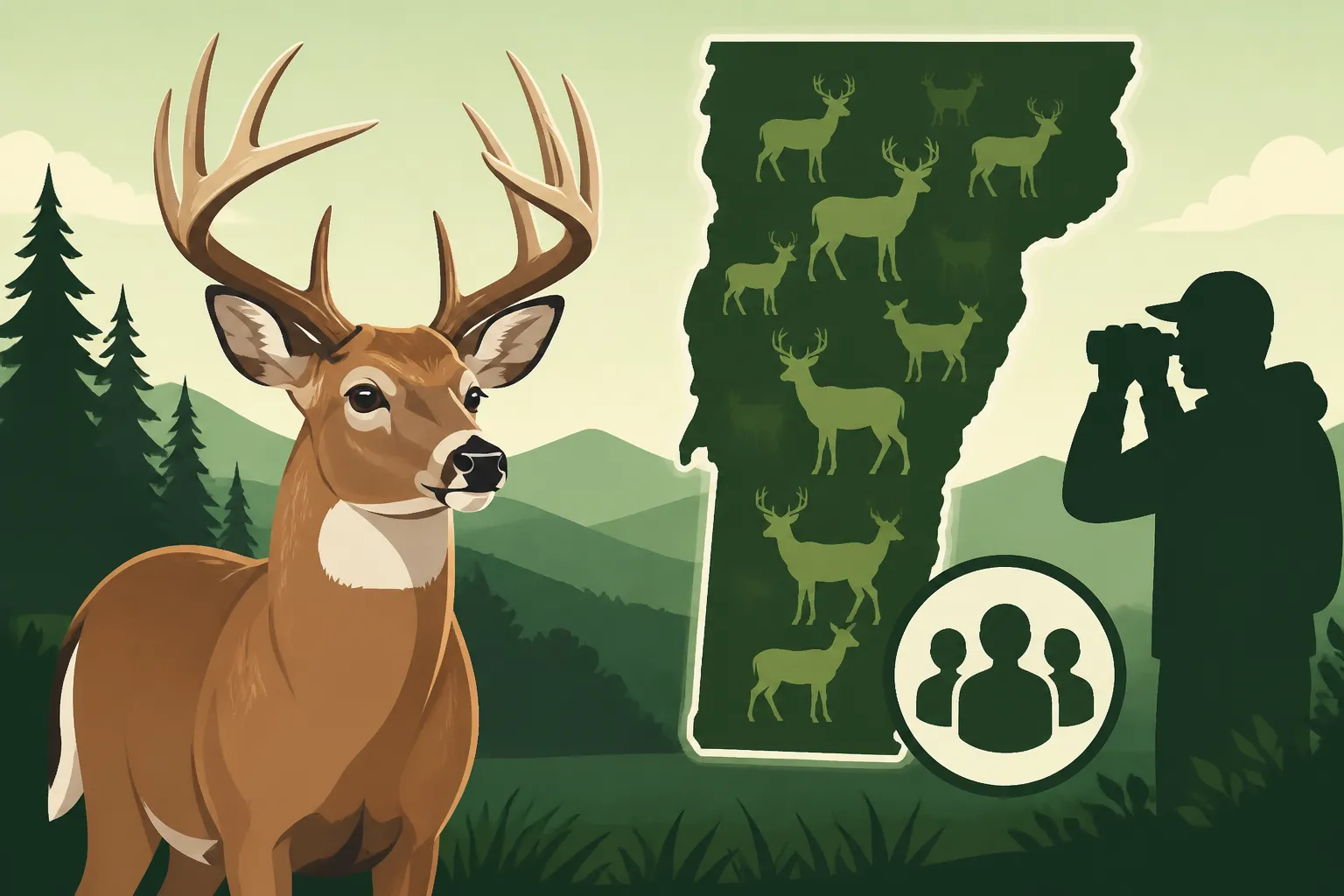
For many years now, Vermont Fish & Wildlife has been working towards a goal of a healthy, sustainable deer population, and recent estimates suggest the statewide herd is generally stable or showing slight increases in many areas, hovering around the 140,000 to 175,000 mark. It's a testament to effective management and the resilience of these animals. However, this isn't a static number. Factors like weather extremes, disease outbreaks, and hunter harvest rates constantly influence it.
What's really encouraging for many is seeing the population not just maintain, but in some areas, grow enough to offer more opportunities. For instance, the discussion around Vermont's Rule Change Allowing a Second Antlerless Permit in certain WMUs is directly tied to managing these growing local populations. This ability to offer additional tags is a direct indicator of VFWD's confidence in the herd's health and ability to withstand increased harvest pressure in specific areas. Organizations like GoHunt provide mapping tools and data analysis features that can help hunters visualize these trends and plan their seasons more effectively, highlighting areas with higher deer densities or harvest rates.
Regional Differences in Deer Density
It's easy to think of Vermont's deer herd as one big, uniform group, but anyone who's spent time hunting across the state knows that's far from the truth. Deer density varies significantly from region to region, often influenced by habitat, agriculture, and human development.
The Champlain Valley, for example, with its fertile agricultural lands and milder winters, often boasts higher deer densities and, consequently, often produces larger-bodied deer. The abundance of corn, alfalfa, and other crops provides a consistent, high-quality food source that allows deer to thrive. This is why you might hear discussions about Why Champlain Valley Deer Run Bigger. Contrast this with the rugged Green Mountains, where deep snow and limited food sources in winter can naturally keep populations a bit lower, though still healthy. The Northeast Kingdom Deer Density also tends to be lower due to harsher winters and extensive softwood cover.
Here’s a general overview of regional deer density characteristics:
| Region | Typical Habitat | Deer Density Characteristics | Impact on Hunting |
|---|---|---|---|
| Champlain Valley | Farmland, woodlots, river bottoms | Higher density, larger body size, excellent food sources | Good opportunities, often target for antlerless harvest |
| Green Mountains | Mixed hardwood/softwood forests, steep terrain | Moderate density, can be challenged by deep snow | Requires more effort, understanding deer wintering yards |
| Northeast Kingdom | Extensive softwood, remote forests, harsh winters | Lower density, often larger ranges, fewer deer in certain areas | More wilderness-style hunting, focus on late-season food |
| Connecticut River Valley | Mix of farmland, bottomland forests, hillsides | Moderate to high density, good cover and food | Diverse hunting, often good for both bucks and does |
| Southern Vermont | Mixed forests, rolling hills, suburban interfaces | Moderate to high density, increasing suburban deer challenges | Mix of wilderness and permission-based hunting on smaller tracts |
These regional variations mean that a hunter in Addison County might have a very different experience and strategy than someone hunting in Essex County. Understanding these differences is key to successful hunting and appreciating the diverse challenges and opportunities Vermont offers. When you're Hunting a Champlain Valley Dairy Farm Edge, you're looking for different sign than when you're scouting deep timber in the Green Mountains.
Factors Influencing Vermont's Deer Population
Understanding the current estimates is one thing, but knowing why the numbers are what they are is another entirely. Vermont's deer population is constantly shaped by a myriad of environmental, biological, and human-related factors. It's a dynamic system, and each element plays a crucial role in the overall health and abundance of the herd.
Habitat and Food Availability
The old adage "habitat is king" absolutely holds true for white-tailed deer in Vermont. Deer are highly adaptable, but their numbers and health are directly tied to the quality and quantity of available food and cover. Our state offers a diverse range of habitats, from the sprawling agricultural fields of the Champlain Valley to the dense, mature hardwoods and softwoods of the Green Mountains and Northeast Kingdom.
Agricultural areas provide abundant forage, particularly during the growing season, with crops like corn, soybeans, and alfalfa offering high-energy meals. In forested areas, the mast crop – acorns from oak trees, beech nuts, and even wild apples – can dramatically influence deer health and survival, especially leading into winter. After a poor acorn year, for instance, deer might enter winter in poorer condition, making them more susceptible to disease and harsh weather. Logging practices also play a significant role; carefully managed timber harvests can create new browse and early successional habitat that deer readily use, increasing local carrying capacity. However, widespread development and fragmentation of habitat can reduce available cover and food sources, negatively impacting deer. If you're looking for deer, understanding how to read a Green Mountain Deer Yard will give you clues to where they'll be during tough winters.
Predation and Disease Pressures
While hunters are a significant part of deer management, natural predators and diseases also exert considerable pressure on the herd. Coyotes are the primary natural predator of deer in Vermont, especially targeting fawns and weakened adults. While a healthy deer population can generally withstand some level of predation, a combination of high predator numbers and other stressors (like a severe winter) can impact fawn recruitment and overall population growth in certain areas. Black bears also opportunistically prey on fawns, though their impact is generally less significant than coyotes.
Disease is another constant concern. Epizootic Hemorrhagic Disease (EHD) periodically causes localized deer die-offs, especially during dry, warm summers when the biting midges that transmit the virus are prevalent. Brain worm (Parelaphostrongylus tenuis), while often not fatal to deer, can affect moose and other cervids. However, the most significant threat remains Chronic Wasting Disease (CWD). While Vermont's CWD Testing Program has consistently shown our deer herd to be CWD-free, the disease is present in neighboring states and provinces, making vigilance paramount. Vermont's strict regulations, including a ban on urine-based deer lures and carcass import restrictions, are designed to keep this devastating disease out of the state.
Hunter Harvest and Management Strategies
Hunters play an absolutely critical role in managing Vermont's deer population. Regulated hunting is the most effective tool VFWD has to control deer numbers, distribute the harvest, and maintain a healthy herd. The department carefully sets season dates, bag limits, and allocates antlerless permits based on population data, habitat conditions, and management goals for specific WMUs.
For instance, in areas where deer populations are high and there's a need to reduce numbers to mitigate ecological impacts or agricultural damage, VFWD might issue more antlerless permits. Conversely, in areas with lower deer densities, antlerless permits might be restricted or eliminated to allow the population to grow. The recent change to allow Vermont's Dual Antlerless Permit Rule in certain WMUs is a prime example of adaptive management in response to localized population dynamics. Understanding Vermont Hunter Education Requirements and ethical hunting practices ensures that hunters contribute positively to this management framework. Each deer reported helps VFWD fine-tune their population estimates and ensure sustainable hunting opportunities for years to come.
The Impact of Deer Numbers on Hunters and Ecosystems
The estimated deer population isn't just a number; it has tangible consequences for both the hunting community and the broader ecological landscape of Vermont. What's good for the herd in one way might present challenges in another, creating a complex interaction that biologists and land managers constantly strive to balance.
Hunting Success and Opportunity
Let's face it: higher deer numbers often translate to increased hunting success and opportunity. When the population is robust, hunters generally see more deer, have more chances to fill tags, and experience a greater sense of abundance in the woods. This can lead to higher hunter satisfaction and greater participation in hunting, which in turn helps fund conservation efforts through license and permit sales.
However, it's not always a direct correlation. Even with a healthy statewide population, local conditions can dictate success. Hunting pressure, habitat accessibility, and even weather on a particular weekend can dramatically impact individual hunter success. Areas with higher deer densities, like parts of the Champlain Valley, often offer more consistent opportunities for hunters seeking to fill their freezers. Conversely, in areas with lower densities, such as some remote sections of the Northeast Kingdom, success might require more effort, deeper scouting, and a greater understanding of deer movement patterns. Understanding the population estimates and regional differences helps hunters better manage their expectations and strategize their hunts. Many seasoned hunters utilize resources like GoHunt to analyze harvest data and identify potential hotspots within various WMUs before the season even begins.
Ecological Implications and Human Interaction
Beyond hunting, deer populations exert a significant influence on Vermont's ecosystems. Deer are primarily browsers, and their feeding habits can have a profound impact on forest understories, particularly if their numbers become too high. An overpopulation of deer can lead to what's known as "deer browse lines," where certain plant species are heavily consumed, preventing forest regeneration and reducing biodiversity. This can affect the habitat for other wildlife, from songbirds that rely on understory vegetation for nesting, to small game animals.
Furthermore, increased deer numbers inevitably lead to more frequent interactions with humans. One of the most common and concerning impacts is the rise in Vermont Deer Vehicle Collisions, particularly during the rut when deer are highly active. These collisions pose risks to human safety and result in significant property damage. In suburban and exurban areas, higher deer densities can also lead to increased damage to gardens, landscaping, and agricultural crops, creating conflicts between wildlife and human interests. VFWD considers all these factors when determining how Fish and Wildlife Counts the Deer Herd and when setting management goals, aiming for a balance that sustains the herd while minimizing negative impacts on the environment and human communities.
What the Future Holds for Vermont's Whitetails
The story of Vermont's deer herd is never finished; it's a continuous narrative of adaptation, challenge, and careful management. Looking ahead, the future of our whitetails will depend on a combination of ongoing scientific efforts, responsible hunting practices, and our collective commitment to conservation.
Ongoing Research and Monitoring
The Vermont Fish & Wildlife Department is not static in its approach to deer management. They are constantly engaged in ongoing research and monitoring efforts to better understand the complexities of the herd. This includes everything from detailed analysis of harvest data to studying deer health, movement patterns, and the impacts of environmental changes like climate shifts. New technologies, such as GPS collars on deer, can provide invaluable insights into how deer utilize habitat, move across the landscape, and respond to various pressures.
These scientific endeavors are crucial for adaptive management – the ability to adjust strategies as new information becomes available or as conditions change. For example, if new threats like emerging diseases are identified, or if habitat changes due to development or natural events, VFWD needs the best possible data to respond effectively. This commitment to science ensures that management decisions are grounded in evidence, rather than speculation, allowing for the most sustainable future for Vermont's deer. For hunters who want to stay informed, keeping an eye on VFWD's annual reports and public meetings is a great way to understand their latest findings.
Hunter's Role in Sustainable Management
As hunters, we are more than just participants in a season; we are integral partners in the sustainable management of Vermont's deer herd. Our actions, from purchasing licenses and permits to ethically pursuing game and accurately reporting harvests, directly contribute to the health and future of this vital resource. Every license fee helps fund the research and management efforts discussed in this guide.
One of the most powerful contributions we can make is thorough scouting. Before the season opens, Scouting Vermont Public Land Before Season allows you to understand local deer movement and habitat conditions, which provides ground-level intelligence that complements VFWD's broader estimates. Participating in efforts to manage antlerless deer populations, especially in areas with higher densities, is also key to balancing the herd with its habitat. By being informed, responsible, and engaged, Vermont hunters ensure that future generations will have the same, if not better, opportunities to experience the thrill of the chase and the satisfaction of a successful hunt. We are truly the front-line conservationists, and our dedication is what makes Vermont a premier hunting destination.
Disclaimer
Please remember that hunting regulations, season dates, and permit requirements are subject to change. Always consult the official Vermont Fish & Wildlife Department website or the most current hunting lawbook before planning any hunting activities. This guide provides general information and insights into deer population estimates and should not be considered a substitute for official regulations.