How Many Moose Live in Vermont
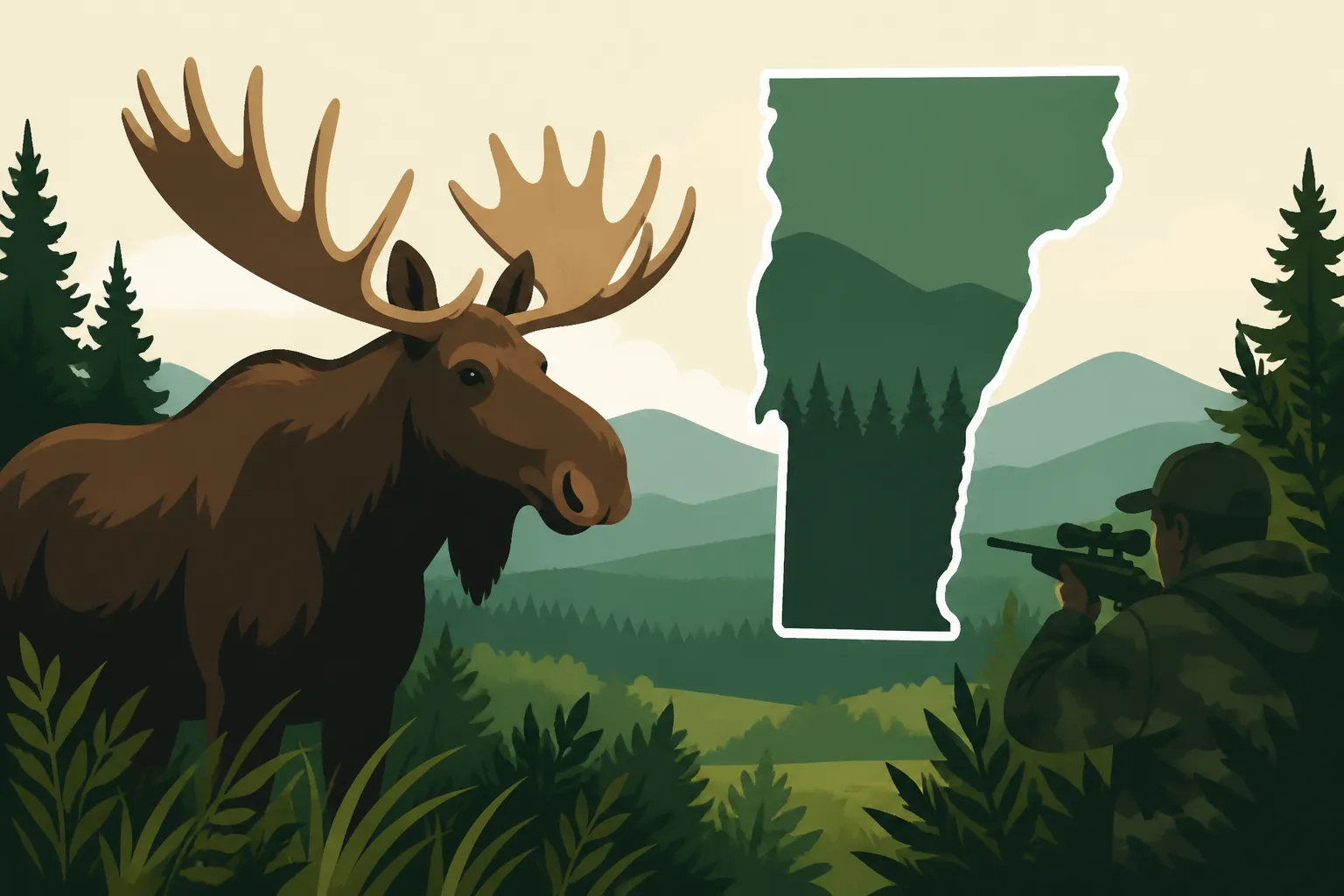
It can be incredibly frustrating to spend hours, or even days, in the Vermont woods, hoping for that tell-tale rustle or the massive silhouette of a moose, only to wonder if they’re even out there anymore. Many of us have heard whispers of declining numbers, but what's the real story? This guide will dive deep into Vermont's moose population, helping you understand how many moose call our Green Mountains home, where they tend to roam, and what challenges they face.
The State of Vermont's Moose Population: A Delicate Balance
For decades, Vermont's moose population has been a topic of intense discussion among hunters, wildlife enthusiasts, and conservationists alike. While once a rare sight, moose made an incredible comeback in the latter half of the 20th century, expanding their range significantly. However, in more recent times, we've seen a noticeable shift. It’s no secret that the numbers aren't what they once were, and that can be a tough pill to swallow for those of us who cherish seeing these magnificent animals.
Back in the late 1990s and early 2000s, Vermont's moose population peaked, with estimates suggesting numbers well over 5,000 animals statewide. Those were the golden days for moose sightings and, for the lucky few, moose permits. Fast forward to today, and the picture is quite different. The population has experienced a significant decline from those peak numbers, settling into a much lower, though still healthy, range. Understanding this decline isn't just about statistics; it's about appreciating the complex ecological factors at play here in Vermont.
The Impact of Winter Ticks
One of the most profound factors influencing the moose population, particularly over the last couple of decades, has been the rise of the winter tick. It’s almost impossible to talk about Vermont moose without bringing up these tiny, yet devastating, parasites. What starts as a small tick larva in the fall can quickly multiply into thousands, sometimes tens of thousands, on a single moose. Imagine carrying that burden through the harsh Vermont winter – it’s a constant drain on their energy, leaving them weak and vulnerable.
Calves are especially susceptible, and we've seen heartbreakingly high mortality rates among them directly attributable to heavy tick loads. These young animals simply don't have the body mass or resilience to fight off thousands of blood-sucking parasites while simultaneously battling sub-zero temperatures and deep snow. This leads directly to why moose calves die from winter ticks, often succumbing to anemia, hypothermia, or even just general exhaustion. You might see a moose in the spring looking pale, with patches of hair rubbed raw from trying to scratch off these persistent pests, a stark visual indicator of the struggle they've endured. This issue is so significant that it directly shapes Vermont's Winter-Tick-Driven Moose Permit Strategy.
Habitat Changes and Other Influences
Beyond ticks, habitat changes also play a role. Moose thrive in areas with young, regenerating forests – the kind that comes up after logging, fire, or other disturbances. These areas provide abundant browse, essential for their massive dietary needs. As forests mature, the quality and quantity of this preferred browse can decrease. While Vermont still has plenty of wild places, the specific type of habitat moose prefer isn't static.
Additionally, factors like vehicle collisions, which unfortunately rise with increasing human presence, and the general health of the forest ecosystem contribute to the overall picture. When you combine these with the devastating effects of winter ticks, it paints a clearer picture of why the numbers have shifted since the days of peak moose abundance. While these factors are less dramatic than a tick infestation, they contribute to the mosaic of challenges these animals face.
Estimating and Managing Vermont's Moose Herd
Determining an exact, real-time number for a wild animal population like moose is practically impossible. What wildlife biologists do is use a combination of scientific methods to provide an estimate, a snapshot of the population's health and trajectory. These estimates are crucial for making informed management decisions, including setting hunting permit numbers and conservation strategies. It's a complex process that relies on careful observation and data analysis.
The Vermont Fish and Wildlife Department puts a lot of effort into this. They aren't just guessing; they're utilizing techniques refined over years to get the most accurate picture possible. For hunters, these estimates directly influence our opportunities, from the specific number of permits issued to where hunting might be focused, as outlined in articles like Vermont's Moose Permits as a Density Management Tool.
Aerial Surveys and Population Models
One of the primary tools for estimating moose populations is aerial surveys. Imagine flying over vast tracts of the Northeast Kingdom in a helicopter during winter when the leaves are down and snow makes moose easier to spot against the white landscape. Biologists systematically fly transects, counting moose they see and recording their locations. This data, combined with statistical models, helps them extrapolate an overall population estimate for a given area. It's labor-intensive work, but it provides invaluable direct observation.
In addition to direct counts, biologists use complex population models that incorporate factors like birth rates, survival rates (especially for calves), harvest data from hunters, and disease prevalence. These models are constantly refined with new data, allowing the department to track trends and predict future population changes. This scientific approach helps ensure that management is based on the best available information, aiming for a sustainable and healthy moose population.
Hunter Harvest Data and Biological Monitoring
Every time a hunter successfully harvests a moose, that animal is reported, and often, biological data is collected. This data is incredibly valuable. Information like the age, sex, and health of harvested moose provides crucial insights into the overall health and age structure of the herd. For example, if a high percentage of harvested calves show severe tick damage, it reinforces the concerns about winter tick impacts.
The data gathered during the moose reporting process feeds directly into the population models and helps the department understand how various factors are impacting the herd. This is part of a larger effort to monitor Vermont Deer and Moose Disease Monitoring, ensuring the long-term health of our big game species. So, when you're going through the steps for your Vermont Moose Lottery Application Process, remember that every piece of data gathered contributes to this bigger picture.
Where Vermont's Moose Reside
While moose can technically be found across much of Vermont, their distribution isn't uniform. Just like deer might prefer certain types of cover or food sources, moose have their favorite haunts. If you're hoping to catch a glimpse, or if you're lucky enough to draw a permit, knowing where they concentrate their numbers significantly increases your chances.
The rugged, expansive, and often remote terrain of the Northeast Kingdom is, without a doubt, the heart of moose country in Vermont. This region, with its vast timberlands, bogs, and less-developed landscape, offers the ideal mix of solitude, browse, and wetland areas that moose crave.
The Northeast Kingdom: Vermont's Moose Stronghold
When we talk about moose in Vermont, our minds immediately turn to the Northeast Kingdom. This sprawling, wild region in the northeastern corner of the state — encompassing counties like Essex, Orleans, and Caledonia — boasts the highest concentration of moose. The habitat here is simply perfect for them: dense softwood stands interspersed with hardwood ridges, numerous wetlands and bogs, and extensive tracts of regenerating forest from past logging operations. It's a place where you can truly feel swallowed by the wilderness, and that's exactly what moose prefer.
Areas like Victory Basin Wildlife Management Area and the extensive timber company lands provide prime habitat for these animals. This is where you'll find the best opportunities for Hunting a Drawn Moose Zone in the Northeast Kingdom. If you're packing for a Northeast Kingdom Moose Hunt, you'll want to be prepared for rugged terrain and remote conditions, reflecting the wild nature of the moose themselves. This region has always been home to the largest numbers, and despite the statewide decline, it remains the core of the population.
Dispersed Populations and Occasional Sightings
While the Northeast Kingdom is prime territory, moose are also present, albeit in lower densities, in other parts of the Green Mountains. You might encounter them in the higher elevations of the central and southern Green Mountain ranges, particularly in larger tracts of public land like sections of the Green Mountain National Forest. These are often transient individuals, or smaller, isolated pockets.
Sightings can occur even in unexpected places, especially during the fall rut when bulls are on the move searching for cows, or in the spring when yearlings are dispersing from their mothers' territories. However, these more southerly or westerly sightings are generally less common and less predictable than those in the Northeast Kingdom. It’s always an exciting event to see a moose outside of their primary range, a reminder of their expansive wanderings across our state.
The Future of Vermont's Moose and the Role of Hunters
The long-term health of Vermont's moose population is a constant concern and a focus of ongoing wildlife management. While the challenges are real, there's a dedicated effort to ensure these iconic animals remain a vital part of our state's ecosystem. Hunters play an incredibly important, and often misunderstood, role in this conservation effort.
Managing a population means making tough decisions, and sometimes, those decisions involve reducing the population in certain areas to alleviate pressures like winter tick infestations. This might sound counterintuitive, but by managing herd density, especially cow numbers, it's hoped that the overall health of the remaining moose can improve.
Conservation Efforts and Sustainable Management
The Vermont Fish and Wildlife Department, along with partners like GoHunt, continues to conduct research and implement management strategies aimed at supporting a healthy moose population. This includes ongoing monitoring of tick prevalence, studying moose health and survival rates, and adapting hunting regulations. The goal isn't just to have moose; it's to have a thriving population that is resilient to environmental pressures.
These efforts involve understanding complex ecological dynamics. For example, ensuring suitable habitat is available through forest management practices is crucial. When hunters purchase licenses and permits, a significant portion of those funds goes directly into wildlife management and research, benefiting not just moose but all of Vermont's wildlife. This is how we fund the work that helps us understand, for instance, how fish and wildlife counts the deer herd and similar efforts for moose.
The Hunter's Role in Population Data and Ethics
As hunters, we are often the eyes and ears on the ground, spending countless hours in the remotest parts of Vermont. Our observations, whether through scouting or during the season, can offer valuable anecdotal information about moose activity, habitat use, and health. Furthermore, every harvested moose provides critical biological data that helps shape future management decisions.
Ethical hunting, responsible reporting, and adherence to regulations are paramount. Using tools like GoHunt to scout and plan your hunt responsibly contributes to a well-managed season. Whether you're lucky enough to draw a permit for a moose or simply enjoy seeing them in the wild, being an informed and responsible outdoors person is key to the future of Vermont's moose. The passion of the hunting community often drives conservation efforts, directly supporting the future of these magnificent animals in our state.
| Factor | Impact on Vermont Moose Population | Management Response/Consideration |
|---|---|---|
| Winter Tick Prevalence | Primary driver of calf mortality, overall population decline, reduced health. | Targeted permit allocation, herd density management to reduce tick exposure. |
| Habitat Availability | Moose rely on early successional forests for browse. | Forest management practices, habitat improvement projects. |
| Vehicle Collisions | Contributes to adult mortality, especially in areas near roads. | Public awareness campaigns, signage in high-collision areas. |
| Disease Monitoring | Important for early detection of new threats. | Ongoing surveillance, biological data collection from harvested animals. |
| Climate Change | Warmer winters can increase tick survival, stress moose. | Long-term strategy considerations, habitat resilience planning. |
Disclaimer
This article is for general informational purposes only and does not constitute professional advice. Laws, prices and regulations vary by location and change over time. Consult a qualified professional for guidance on your specific situation.