Where Vermont Bobcats Are Rebounding
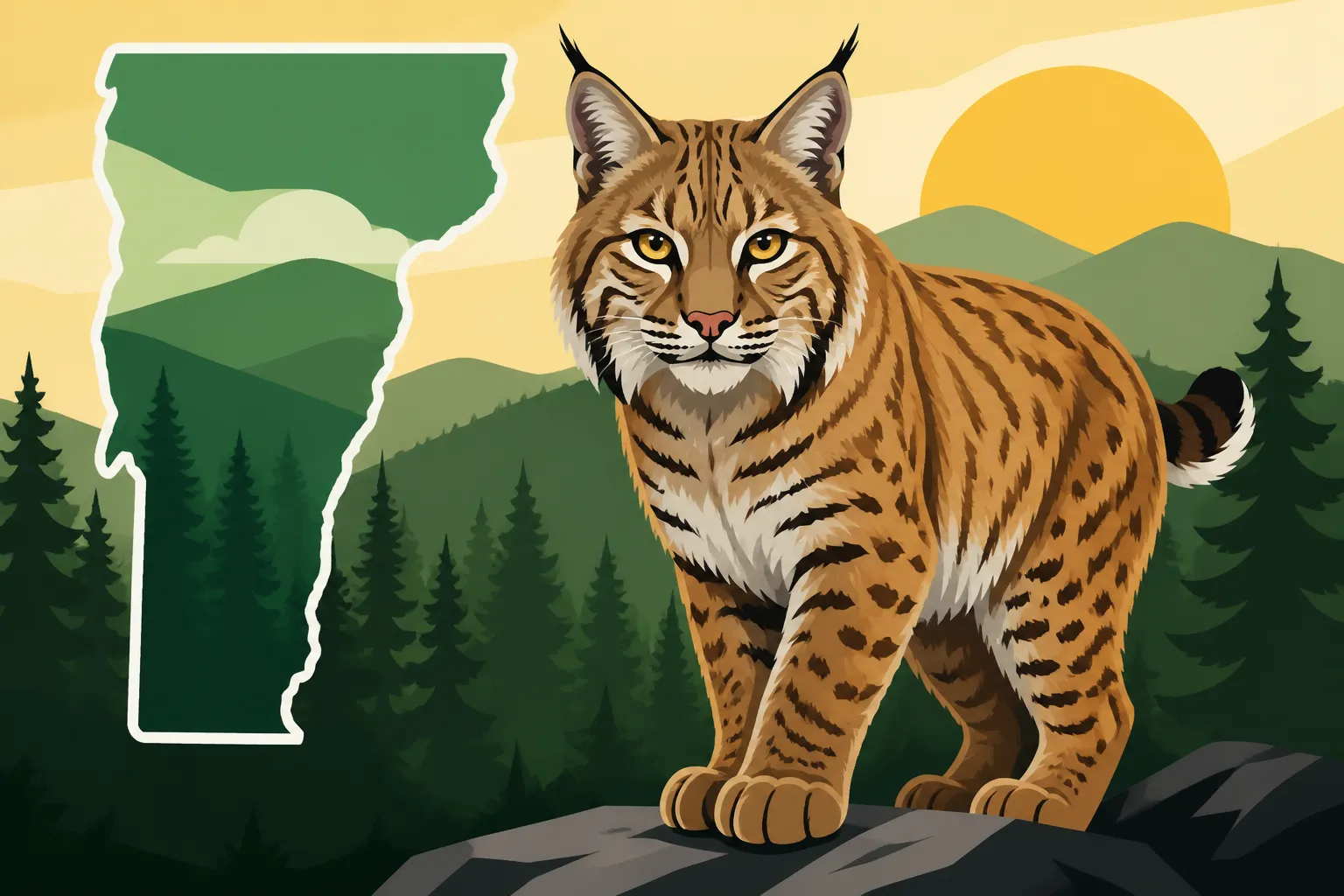
There's a special thrill in the Vermont woods, isn't there? That feeling you get when you realize you're not just a visitor, but truly immersed in a wild landscape. For many of us, the ultimate reward for that patience and quiet observation is catching a glimpse of one of Vermont's most elusive predators: the bobcat. It's no secret they're incredibly secretive, but the good news is, their populations are making a real comeback in certain parts of our beautiful state, offering a hopeful sign for our wild ecosystems. This guide will take a deep dive into where these magnificent felines are finding new strongholds and why, helping you understand their habitat and perhaps even spot one yourself.
Understanding Vermont's Bobcat Resurgence
For a long time, hearing about a bobcat sighting in Vermont felt like finding a four-leaf clover—rare, special, and often met with a touch of disbelief. These wild cats, known for their tufted ears and short, "bobbed" tails, have always been part of Vermont's natural heritage, but their numbers have fluctuated over the centuries due to various pressures. Thankfully, recent trends suggest a healthier, growing population, and that's something to celebrate. But what exactly led to their decline and, more importantly, what factors are now contributing to their rebound?
Historical Pressures on Bobcat Populations
Back in the day, bobcats faced a pretty tough go. Habitat loss was a significant factor, as Vermont's landscape was cleared for farming and settlement. As more land was developed, the contiguous forests and wild spaces these cats rely on for hunting and denning shrunk. Then, there was the unregulated fur trade. While bobcats are notoriously difficult to trap due to their keen senses and cautious nature, historical trapping pressures certainly took a toll on their numbers. Add to that a general lack of understanding and sometimes fear of predators, which often led to persecution. It wasn't an easy life for a Vermont bobcat. They’re incredibly resilient creatures, but even they have their limits against sustained human impact.
Factors Contributing to Their Comeback
The tide has slowly turned, thanks to a combination of factors. One of the biggest boons for bobcats has been the gradual reforestation of Vermont. As many farms were abandoned in the 19th and 20th centuries, much of the land reverted to forest, creating more contiguous habitat. This growing forest cover provides essential concealment, denning sites in rocky outcrops or dense thickets, and improved hunting grounds for their preferred prey.
Another key factor is improved wildlife management. Vermont's Fish & Wildlife Department has implemented science-based regulations for hunting and trapping, ensuring that harvest levels are sustainable and don't negatively impact the overall population. This careful stewardship allows populations to stabilize and grow. Additionally, a greater public appreciation for predators and a better understanding of their ecological role have fostered a more tolerant environment. Bobcats are an indicator species, meaning their presence signifies a healthy, balanced ecosystem. As their populations grow, it signals good things for the rest of Vermont's wildlife. We're seeing fewer instances of habitat fragmentation in critical areas, and more interconnected wild spaces, which benefits a wide range of species, including Vermont's Recovering Fisher Population and Vermont Bobcat Population Trends.
Prime Bobcat Territories in Vermont
While bobcats can theoretically be found statewide, their presence is not evenly distributed. They tend to concentrate in areas that offer the ideal mix of dense cover, rocky terrain, and a robust prey base. Think about places where the landscape feels a bit wilder, where humans are less frequently encountered, and where natural food sources are abundant. These are the kinds of spots where a bobcat feels right at home.
The Rugged Northeast Kingdom
If there's one region that consistently comes up when talking about Vermont's thriving predator populations, it's the Northeast Kingdom. This vast, often remote expanse of Caledonia, Essex, and Orleans counties is a mosaic of dense spruce-fir forests, mixed hardwoods, rocky ledges, and wetlands. It’s wild country, with plenty of unfragmented habitat. The rough terrain and significant amount of public land here, including sections of the Green Mountain National Forest and numerous Wildlife Management Areas, provide excellent cover and solitude for these shy felines.
In these parts, bobcats thrive on a diet rich in snowshoe hares, cottontail rabbits, and various bird species like ruffed grouse. The remoteness means less human disturbance, allowing them to establish territories and raise litters with less pressure. When you're Hunting a Drawn Moose Zone in the Northeast Kingdom, you're often walking through prime bobcat country, even if you don't realize it. Keep an eye out for their distinctive tracks in the snow or mud – they’re often smaller and rounder than a coyote’s, without claw marks visible unless they’re climbing or scrambling.
Green Mountain National Forest and Foothills
Further south, the Green Mountain National Forest (GMNF) and its surrounding foothills also serve as critical bobcat habitat. The GMNF stretches across multiple counties in central and southern Vermont, offering a tremendous amount of public land. This area is characterized by steep, timbered ridges, deep ravines, and rocky outcrops – perfect for a bobcat seeking a den or an elevated vantage point. The mixed hardwood and softwood forests provide year-round cover and support a diverse prey base.
I've spent countless hours still-hunting the timber in these areas, like when I'm Still-Hunting Green Mountain National Forest Timber, and while a bobcat sighting is rare, the signs of their presence are there if you know where to look. They prefer areas with lots of natural structure, like old growth with hollow logs, rock caves, or thickets of regenerating timber. The edges where different habitat types meet – say, a dense softwood stand bordering a hardwood ridge – are often prime hunting grounds for them. You might be scouting for deer sign and inadvertently stumble upon evidence of a bobcat's travels.
Hidden Pockets of the Champlain Valley
While the Champlain Valley is often associated with agriculture and open fields, it also holds some surprisingly robust bobcat populations in its less developed, more rugged pockets. Think along the Otter Creek or Winooski River corridors, where dense riverine forests, rocky bluffs, and swampy areas offer refuge. These areas, though perhaps smaller in scale than the vast forests of the Northeast Kingdom, provide crucial linear habitat that bobcats can utilize.
These valley cats often rely more heavily on small game found along field edges and in dense brush, such as voles, mice, and even domestic poultry if farms are nearby and unsecured. The key is finding those areas where development gives way to thick, unbroken cover. It's a reminder that even in more populated regions, wildlife finds a way to thrive if given even small, vital patches of habitat. Hunting a Champlain Valley Dairy Farm Edge might seem like an unlikely place, but if there's a thick hedgerow or a rocky woodlot nearby, a bobcat could certainly be present.
Here's a quick look at some key habitat preferences across these rebounding regions:
| Region | Primary Habitat Type | Key Prey Species | Notable Features |
|---|---|---|---|
| Northeast Kingdom | Dense Spruce-Fir & Mixed Hardwood Forests | Snowshoe Hare, Ruffed Grouse, Deer Fawn | Remote, rocky ledges, wetlands, vast public land |
| Green Mountain National Forest | Steep, Timbered Ridges, Mixed Forests | Cottontail, Squirrels, Birds, Deer Fawn | Ravines, rocky outcrops, contiguous forest cover |
| Champlain Valley Pockets | Riverine Forests, Swamps, Dense Brush | Voles, Mice, Rabbits, Birds, Muskrats | Habitat corridors, transition zones near farms |
Observing Vermont's Elusive Bobcats
Spotting a bobcat in the wild is a truly unforgettable experience, a testament to patience and keen observation. These are not animals that just wander out into the open for a casual stroll. They are masters of stealth, moving silently and using every scrap of cover to their advantage. Increasing your chances of an encounter means understanding their habits and learning to read the landscape for signs of their presence.
Learning Their Habits and Haunts
Bobcats are primarily crepuscular, meaning they are most active during dawn and dusk. This is when their prey species are also often on the move, and the low light provides excellent camouflage for the bobcat's cryptic coat. They are also active at night, especially during the breeding season or when hunting. While seeing one in the middle of a sunny day is less common, it's not unheard of, particularly if they're traveling between bedding and feeding areas or if conditions are overcast.
They tend to stick to dense cover for travel and rest. Look for areas with thick undergrowth, fallen logs, rock piles, or dense conifer stands. These provide not only concealment but also protection from the elements and potential predators (though adult bobcats have few natural enemies other than humans). When scouting, paying attention to areas that offer multiple layers of cover – ground cover, mid-story brush, and a dense canopy – is a great strategy. Using mapping tools like GoHunt to identify these habitat features before you even step foot in the woods can give you a significant advantage. It allows you to visualize pinch points, dense bedding areas, and potential travel corridors.
Reading the Landscape for Signs
Even if you don't see a bobcat, you can often find evidence that they've been in the area. Learning to read these signs is a crucial part of becoming a more effective woodsman and increasing your odds of a future encounter.
- Tracks: Bobcat tracks are typically round, about 1.5 to 2.5 inches long, and usually lack claw marks (their claws are retractable, like a house cat's). They often have a distinctive "M" shape in the heel pad. You'll find these most easily in soft mud, sand, or fresh snow. Look along logging roads, game trails, or near water sources.
- Scat: Their droppings are usually segmented, about 4-6 inches long, and often contain hair, bone fragments, or feathers from their prey. They often "bury" their scat like a domestic cat, creating small scrapes of dirt or leaves over it.
- Scratch Marks: Bobcats will scratch trees, especially cedars or other softwoods, to sharpen their claws and mark their territory. These marks are typically higher than a house cat's, but not as high as a bear's.
- Prey Remains: Look for partially eaten carcasses of rabbits, hares, or birds, especially if they are covered with leaves or dirt, indicating an attempt to cache the kill for later. Bobcats are efficient hunters, and finding a fresh kill site suggests a predator is actively working the area.
- Game Cameras: Setting up trail cameras in promising areas – like natural funnels, along game trails leading to dense cover, or near rocky ledges – can be incredibly effective. While Cellular Camera Coverage in Remote Northeast Kingdom areas might be spotty, a standard SD card camera can still capture valuable intel. Just be sure to check local regulations regarding trail camera use on public land.
By combining your knowledge of bobcat behavior with careful observation of these subtle clues, you'll not only gain a deeper understanding of Vermont's wildlife but significantly increase your chances of that rare, thrilling encounter with one of our wild cats. Remember, patience is the ultimate tool when trying to observe such an elusive animal. You might be surprised where you find their sign when you're Scouting Vermont Public Land Before Season for deer or turkey.
Conservation and What Their Rebound Means
The comeback of Vermont's bobcats isn't just a win for wildlife enthusiasts; it's a critical indicator of the overall health of our state's ecosystems. Predators play an essential role in maintaining balance, and their increasing numbers signal that Vermont's wild spaces are becoming more robust and resilient.
The Role of Bobcats in Vermont's Ecosystem
Bobcats are apex predators in their local environment, meaning they sit at the top of the food chain for their prey size. They primarily hunt small game like rabbits, hares, squirrels, and birds, but they are also opportunistic and will take deer fawns or even adult deer, especially during harsh winter conditions or if an animal is weak or injured. This predation helps to keep prey populations healthy by culling the weak or sick individuals, preventing overpopulation, and reducing the spread of disease.
Their presence helps to sculpt the behavior of other animals. For instance, deer might be less likely to congregate in certain areas if a bobcat is known to frequent it, spreading out their browsing pressure. They also compete with other predators like Coyotes and Predators in Vermont for food resources, contributing to a complex and dynamic ecological tapestry. A thriving bobcat population means that Vermont's forests are providing enough resources to support these important carnivores, which is a testament to sound habitat management.
Ongoing Conservation Efforts and Challenges
Vermont's Fish & Wildlife Department continues to monitor bobcat populations through various methods, including harvest data from regulated trapping seasons, scent station surveys, and public sightings. These efforts help biologists understand population trends, distribution, and overall health. Regulated trapping, when managed sustainably, can be a tool to monitor populations and ensure balance, rather than solely a means of harvest. It allows for the collection of valuable biological data that informs future management decisions.
However, challenges remain. Habitat fragmentation, though lessened in some areas, is still a concern, particularly in rapidly developing regions. Maintaining contiguous blocks of forest and establishing wildlife corridors are vital for ensuring bobcats can move freely across the landscape to find food, mates, and new territories. Climate change also presents potential long-term challenges, impacting snowshoe hare populations (a critical winter food source) and altering habitat types.
For us, the outdoor community, our role is crucial. Supporting conservation initiatives, adhering to hunting and trapping regulations, and practicing ethical land stewardship all contribute to the continued success of Vermont's bobcats. Every time you respect private land boundaries, learn about Vermont's CWD Prevention Rules, or simply pick up trash in the woods, you're doing your part to protect the wild places where these magnificent creatures roam. Their rebound is a success story, but it's one we must continue to write together.
Disclaimer
This article is for general informational purposes only and does not constitute professional advice. Laws, prices and regulations vary by location and change over time. Consult a qualified professional for guidance on your specific situation.