Vermont Bobcat Range Expansion
It's truly fascinating to witness the ebb and flow of wildlife populations, and for many years, seeing a bobcat in Vermont felt like finding a unicorn. There was a time when these secretive, beautiful predators were truly on the ropes in our state, clinging to existence in the most remote corners. But things are changing, and if you're like me, you've started to hear more and more stories, or even seen tracks yourself, suggesting that Vermont's bobcat range is expanding. This guide will dive into the incredible comeback of the bobcat in Vermont, exploring where they're thriving, why their numbers are growing, and what this means for our natural landscape and outdoor pursuits.
A Look Back: The Historical Presence of Bobcats in Vermont
For generations, the bobcat has been an icon of wild, untamed North America. Here in Vermont, their presence has historically been a barometer of wilderness health. But it hasn't always been a clear-cut story of thriving populations. There was a significant period where bobcats were considered quite rare, especially outside of our most rugged and undeveloped territories.
From Scarcity to Stability: A Challenging History
Back in the day, if you talked to an old-timer about bobcats, they'd often tell you stories of extreme rarity. You might hear about a fleeting glimpse, a distant scream in the night, or a set of tracks that felt like a treasure map discovery. This wasn't just folklore; it reflected a genuine period of scarcity for these animals. While never completely gone, their numbers were low enough to cause concern among wildlife biologists and those of us who cherish Vermont's wild heritage. Their presence was largely confined to dense, unbroken forest tracts, particularly in the deeper reaches of the Northeast Kingdom and the spine of the Green Mountains. It took a lot of dedication and a shift in environmental thinking to get us to where we are today.
Hunting and trapping of bobcats have a long history in Vermont, and while regulated, the pressure combined with habitat changes certainly played a part in their historical struggle. Thankfully, a deeper understanding of their ecology and the role they play in the ecosystem began to take hold. This shift in perspective allowed for more informed management, moving from a hands-off, simply observe approach to a more proactive strategy aimed at supporting a robust population. The comeback wasn't overnight; it's been a gradual, decades-long process that many of us are thrilled to see unfold.
Why They Nearly Vanished
Several factors contributed to the bobcat's precarious status in Vermont for a good chunk of the 20th century. First and foremost was habitat loss and fragmentation. As settlers moved in and cleared land for agriculture, logging, and development, the vast, continuous forests that bobcats depend on began to shrink and break apart. Bobcats need large, undisturbed areas to hunt, breed, and raise their young, and when those areas become fragmented by roads, clearings, and human activity, their survival becomes much tougher. Their reclusive nature makes them particularly sensitive to human encroachment.
Beyond habitat, the prevailing attitudes towards predators also played a significant role. Historically, many predators, including bobcats, were viewed as threats to livestock and game animals, leading to bounty systems and unregulated hunting and trapping pressure. While these practices have largely ceased or are now strictly regulated, their impact lingered for generations. Diseases, while not as often cited as habitat or direct human impacts, can also play a localized role in limiting populations. It was a perfect storm of challenges that made life very difficult for our bobcat population. Understanding this history is crucial to appreciating the success we're seeing today.
Pinpointing Vermont's Current Bobcat Hotbeds and Range
Today, the story of the Vermont bobcat is one of resilience and expansion. They're not just surviving; they're thriving and making their presence known in areas where they were rarely, if ever, seen before. Understanding where they are and why can help both wildlife enthusiasts and hunters appreciate this unique predator.
Where Bobcats Thrive Today
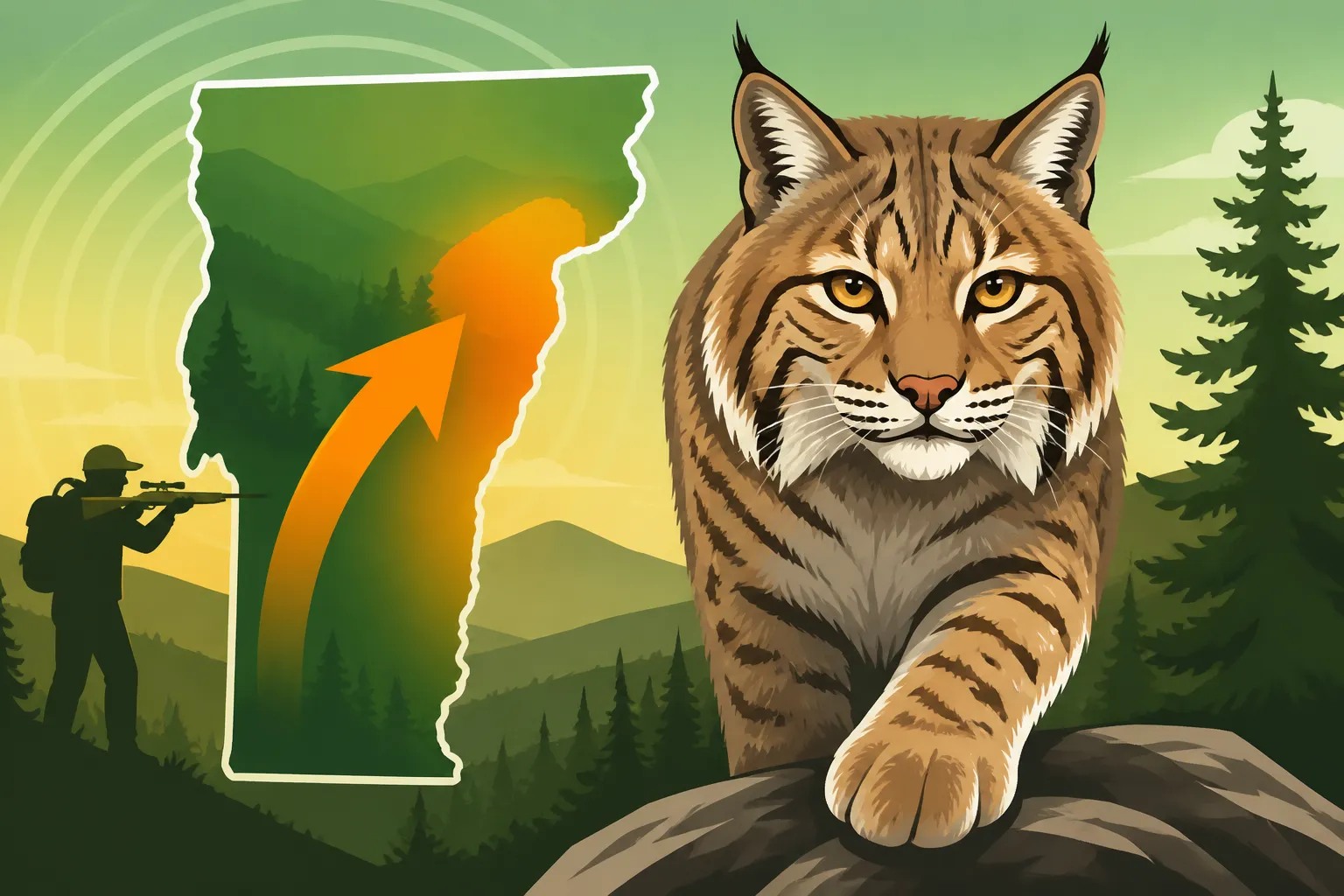
While bobcats can be found statewide, there are definitely areas where they are more prevalent and where their range expansion is most evident. The spine of the Green Mountains, from north to south, continues to be a stronghold. These mountainous regions offer the rugged, forested terrain they prefer, with plenty of cover and diverse prey. However, we're now seeing a significant push into the foothills and even portions of the Champlain Valley and Connecticut River Valley that offer suitable habitat.
Areas with a mix of mature hardwood and softwood forests, interspersed with thickets, rocky outcrops, and wetlands, are prime bobcat country. They utilize these diverse landscapes for hunting rabbits, squirrels, grouse, and even deer fawns. Places like the Green Mountain National Forest or certain Vermont Wildlife Management Areas are classic bobcat territory, but their tracks are now appearing closer to human habitation, albeit still in areas with good cover. It's not uncommon to hear reports from central Vermont, the more wooded parts of the Champlain Valley, and even sections of southern Vermont that were historically less known for their robust bobcat populations.
Habitat Preferences and Key Indicators
Bobcats are incredibly adaptable, but they do have distinct habitat preferences that help define their range. They favor dense cover for ambushing prey, resting, and raising their young. This includes thick cedar swamps, spruce-fir stands, mountain laurel thickets, and areas with extensive blowdowns or rocky caves and crevices. They are highly territorial, and a single bobcat's home range can span several square miles, depending on the availability of food and cover.
When you're out scouting, look for key indicators of bobcat presence. Their tracks are distinct, lacking claw marks (unlike canids) and showing a clear "M" shape in the pad. They often follow deer trails, logging roads, or the edges of dense cover. Scratches on trees, often on leaning trunks or stumps, can sometimes be found where they sharpen their claws or mark territory. Keep an eye out for scat, which is often segmented and can contain fur or bone fragments from their prey. Another tell-tale sign, though rare, is the distinct "growl-scream" they make, especially during breeding season. If you're using tools like onX Layers for Vermont Land Status, pay attention to parcels with diverse cover, elevation changes, and proximity to water sources.
Utilizing Modern Scouting Tools Like GoHunt
Understanding bobcat range expansion isn't just about reading reports; it's about getting out there and learning the landscape. In today's world, modern scouting tools have become invaluable for both hunters and trappers looking to connect with these elusive furbearers. Many outdoor enthusiasts are turning to mapping applications like GoHunt to pinpoint likely bobcat corridors, habitat transitions, and travel routes.
GoHunt and similar platforms allow you to analyze satellite imagery, topographical maps, and public/private land boundaries with incredible detail. You can identify those crucial areas of dense softwood cover adjacent to mature hardwoods, rocky ledges, or beaver flowages that bobcats love. By overlaying layers that show recent timber harvests or dense vegetation, you can predict where new prime habitat might be emerging or where existing cover provides optimal ambush points. For someone planning to pursue Trapping Vermont Furbearers, or even just trying to get a glimpse of a bobcat, using these tools to identify potential sign and travel routes before you ever step foot in the woods can drastically increase your efficiency and success. It's like having a digital scout working for you, helping you learn the nuances of the terrain and where the expanding bobcat population is likely to be found.
| Vermont Region | Typical Bobcat Habitat Features | Key Indicators of Presence | Range Expansion Trend |
|---|---|---|---|
| Northeast Kingdom | Dense spruce-fir forests, cedar swamps, remote bogs, rocky ridges | Abundant tracks in snow, vocalizations, scat near remote logging roads | Historically strong, maintaining density, slight outward push |
| Green Mountains | Mixed hardwood/softwood forests, steep terrain, boulder fields | Tracks along ridgelines, sign near deer yards, den sites in rocky areas | Strong presence, expanding into lower elevations and valleys |
| Champlain Valley (East) | Wooded river bottoms, thickets along field edges, small woodlots | Tracks along creek beds, reports near farm woodlots and brushy areas | Noticeable increase, moving into more agricultural fringe areas |
| Connecticut River Valley | Riverine forests, steep ravines, mixed woodlands, wetlands | Tracks along watercourses, sightings near dense river bottom cover | Moderate increase, utilizing less dense but connected cover |
| Southern Vermont | Oak/hickory forests, dense mountain laurel, rocky ledges | Tracks around rock outcrops, sightings near thick clear-cuts, scat | Strong resurgence, filling historical voids |
The Driving Forces Behind Vermont's Bobcat Resurgence
The bobcat's comeback story isn't just luck; it's a testament to environmental recovery and careful management. Several key factors have converged to create the perfect conditions for their range expansion across Vermont.
Forest Regeneration and Changing Landscapes
One of the most significant drivers of the bobcat resurgence is the incredible reforestation of Vermont. Where vast tracts of land were once cleared for farming in the 18th and 19th centuries, much of that land has since reverted to forest. This process, often referred to as forest succession, has created a mosaic of mature forests, regenerating clearings, and dense young growth — exactly the kind of diverse habitat that bobcats thrive in. They need that mixture of old growth for denning and travel, alongside younger, thicker areas for hunting and concealment.
As these forests have grown back, they've also become more connected, providing better corridors for bobcats to move between different areas. Less fragmented habitat means less exposure to roads and human activity, and more opportunities for territories to expand naturally. This return of extensive, contiguous forest cover has been a game-changer, allowing these elusive predators to reclaim ancestral grounds and explore new territories with confidence. It's a slow, steady process, but the results are clear in the increasing bobcat sightings and tracks we're seeing.
A Healthy Prey Base Fuels Expansion
You can't have a healthy predator population without a robust prey base, and Vermont has been doing well on that front. The bobcat's diet is incredibly varied, but they primarily feed on small to medium-sized mammals like snowshoe hares, cottontail rabbits, squirrels, and various rodents. They are also opportunistic hunters and will readily take wild turkeys, grouse, and even deer fawns, especially in the spring.
The populations of many of these prey species have remained stable or even increased in recent decades. For example, Vermont Turkey Population Trends show a very successful restoration story, providing an additional food source. A healthy deer herd, while not their primary food source, means fawns are available seasonally. With an abundance of food sources spread across the regenerating landscape, bobcats have everything they need to raise healthy litters and sustain their numbers. This reliable food supply reduces competition and stress, allowing individual bobcats to expand their territories and for the overall population to grow and disperse.
Thoughtful Wildlife Management Practices
The Vermont Fish and Wildlife Department's proactive and science-based approach to wildlife management has been instrumental in the bobcat's recovery. Unlike past eras, current regulations for hunting and trapping bobcats are carefully designed to be sustainable, ensuring that harvest levels do not negatively impact the population. The department utilizes population surveys, harvest data, and habitat assessments to make informed decisions about seasons, bag limits, and zones.
These thoughtful practices, combined with broader conservation efforts, have created an environment where bobcats can flourish. Public education about the ecological value of predators has also played a part, fostering a greater appreciation for these animals rather than fear or antagonism. It’s a testament to the power of sound biological management that we can enjoy a thriving bobcat population alongside other thriving game species. The emphasis on data-driven decisions helps ensure that these animals will continue to be a vital part of Vermont's wild landscape for generations to come. Vermont Trapping License Requirements and associated regulations are regularly reviewed to align with population health.
What an Expanding Bobcat Population Means for Vermont's Outdoor Community
The expansion of Vermont's bobcat range is exciting news, not just for wildlife enthusiasts, but for hunters, trappers, and anyone who cherishes our state's wild character. It signifies a healthier, more balanced ecosystem and offers new opportunities and challenges for those of us who spend time afield.
Opportunities for Trappers and Wildlife Enthusiasts
For licensed trappers, a growing and expanding bobcat population means more opportunities to pursue these valuable furbearers. Bobcat pelts are highly prized, and responsible, ethical trapping plays a role in population management, especially in localized areas. It requires skill, knowledge of their habits, and careful attention to legal regulations. Knowing their range is expanding means trappers might find opportunities in areas previously not considered prime bobcat country, which can be an exciting prospect. Vermont Trapping License Cost is an investment in these opportunities.
Beyond trapping, for anyone who simply loves to observe wildlife, the increased presence of bobcats offers more chances for a rare glimpse or a fresh set of tracks in the snow. This adds a profound sense of wilderness to any outdoor excursion, whether you're deer hunting in November or simply hiking a remote trail. Spotting a bobcat, even for a moment, is an unforgettable experience and a reminder of the wild beauty that still exists in Vermont. It underscores the success of conservation efforts and fuels a deeper appreciation for our natural world.
Understanding Their Ecological Role
With an expanding bobcat population comes a renewed understanding of their critical ecological role as apex small predators. They are important contributors to ecosystem health, helping to regulate populations of prey animals like rabbits, hares, squirrels, and even vulnerable deer fawns. This natural predation helps maintain a balance, preventing overpopulation of certain species and contributing to the overall vigor of the prey animals by culling the weak or sick.
Their presence can also influence the behavior and distribution of other predators. For instance, bobcats and Coyotes and Predators in Vermont often inhabit similar territories, but their interactions can be complex. While coyotes are larger and often dominant, bobcats are fierce and adaptable, carving out their own niches. Understanding these interspecies dynamics is crucial for appreciating the intricate web of life in Vermont's forests. Their expanding range suggests a robust and resilient ecosystem capable of supporting these important components of the food web.
Coexisting with These Elusive Predators
As bobcats expand into areas closer to human habitation, it brings up the important topic of coexistence. While generally shy and reclusive, bobcats are wild animals. Encounters are rare, but it's always wise to be aware, especially if you have small outdoor pets. Ensuring pets are secured, particularly at night, and removing potential attractants like unsecured garbage or pet food left outdoors, are common-sense measures that help minimize any potential conflicts.
For hunters, understanding bobcat behavior can even aid in deer or turkey hunting. Their movements often parallel those of their prey, and identifying prime bobcat habitat can also lead you to areas where deer or turkeys are concentrated. Using mapping tools to track potential bobcat range, combined with insights from Reading Aerial Photos for Green Mountain Deer, can inform your overall scouting strategy. Ultimately, the return and expansion of Vermont's bobcat population is a conservation success story, enriching our state's biodiversity and reminding us all of the wild heart that beats within the Green Mountains.
Disclaimer
This article is for general informational purposes only and does not constitute professional advice. Laws, prices and regulations vary by location and change over time. Consult a qualified professional for guidance on your specific situation.