Vermont Trapping License Requirements
Vermont trapping license requirements for residents and nonresidents, including necessary permits and regulations for wildlife management.
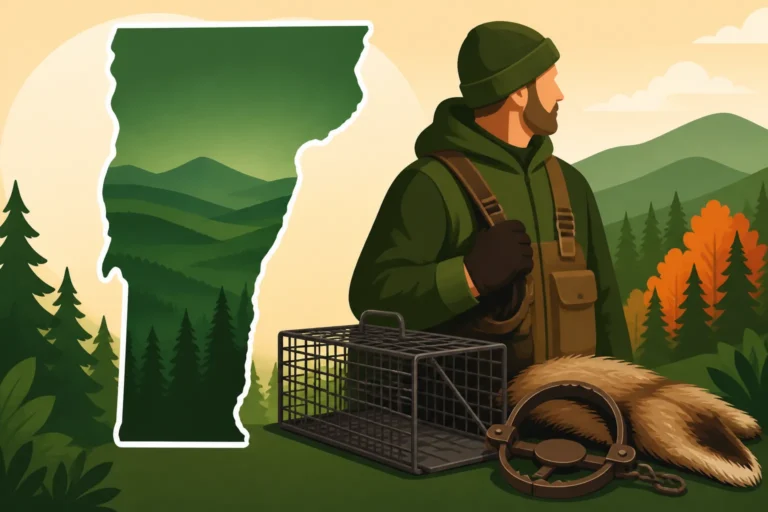
Vermont trapping license requirements for residents and nonresidents, including necessary permits and regulations for wildlife management.
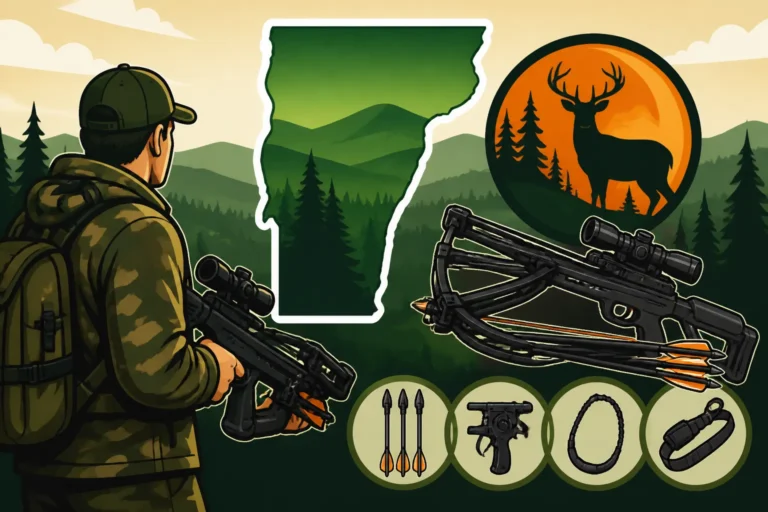
Vermont crossbow equipment regulations require a minimum draw weight of 125 pounds for legal big game hunting seasons.
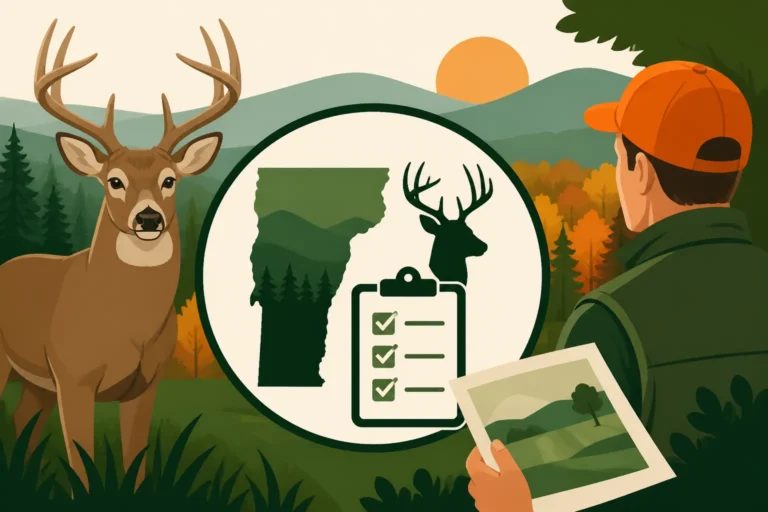
Vermont landowner deer permit rules, acreage requirements, and antlerless tags for managing white-tailed deer populations.
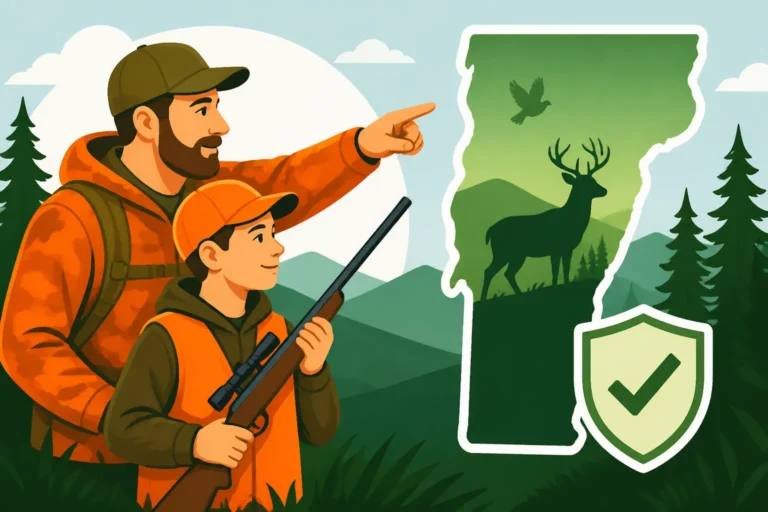
Vermont Mentored Youth Hunting regulations let young people gain field experience under direct mentor supervision without completing education first.
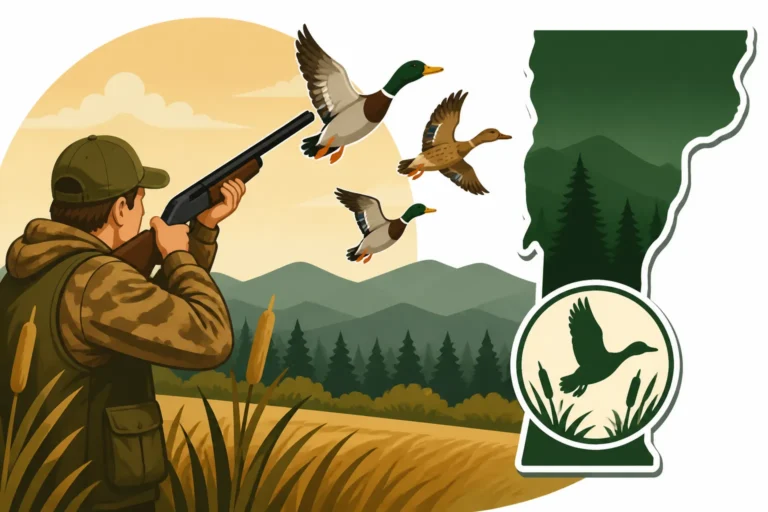
Vermont Migratory Bird Certification is a mandatory Harvest Information Program requirement for all hunters targeting ducks and geese.
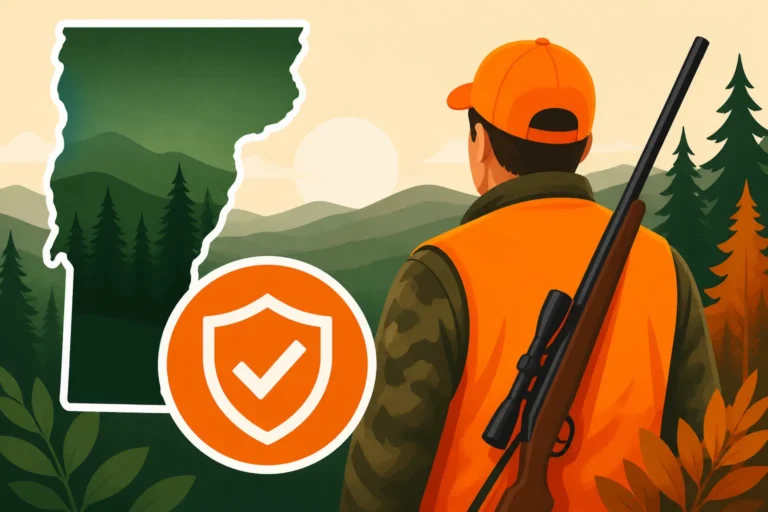
Vermont blaze orange requirements detail legal mandates and specific hunting seasons when hunters must wear high visibility gear.
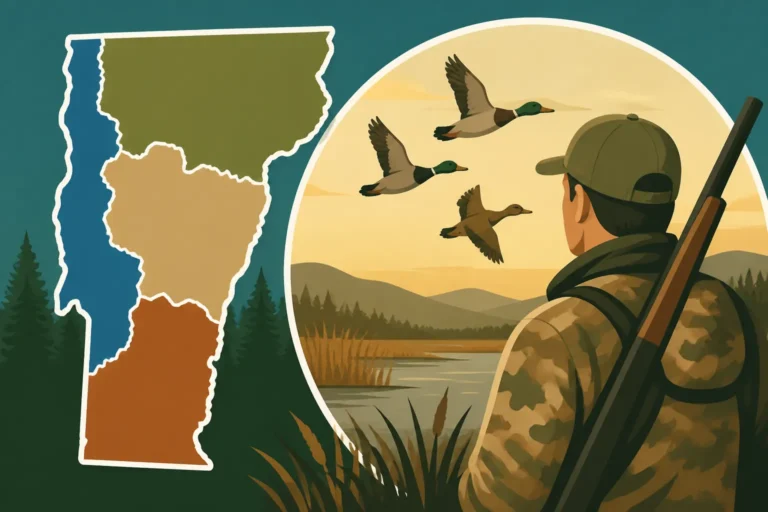
Vermont waterfowl zone boundaries, divided into Lake Champlain, Interior, and Connecticut River, determine season dates and bag limits.
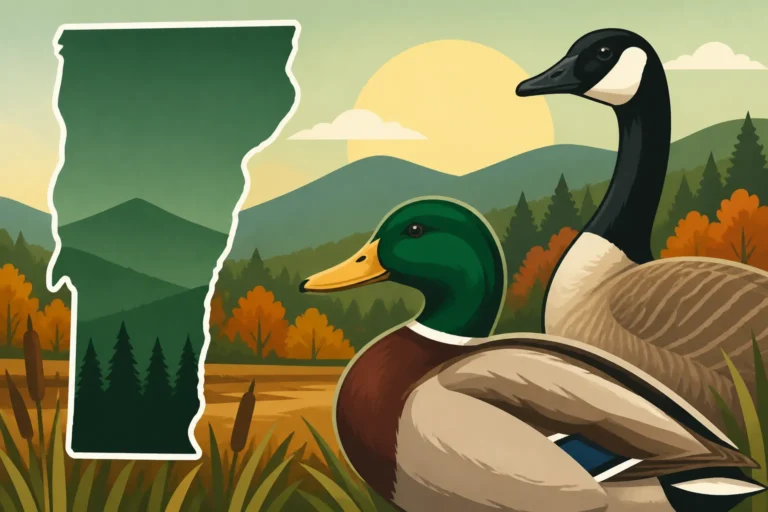
Vermont duck and goose bag limits and season dates for the Lake Champlain, Interior, and Connecticut River zones.
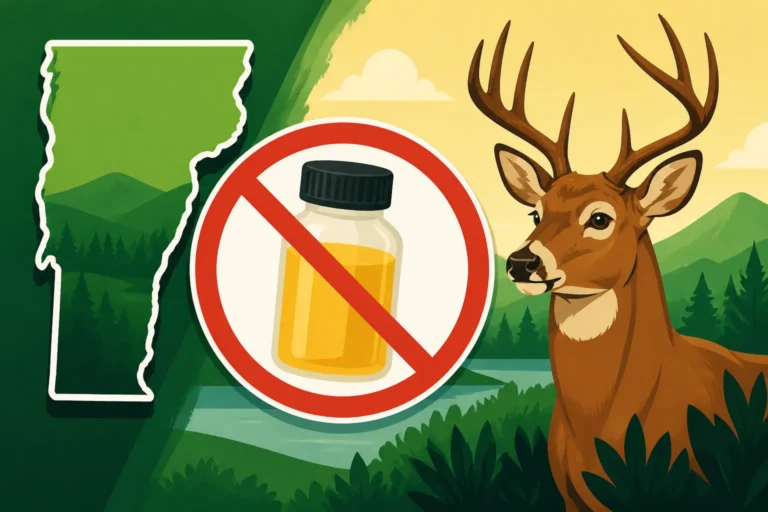
Vermont’s urine-based lure ban explains why the state prohibits these products to protect deer from Chronic Wasting Disease.
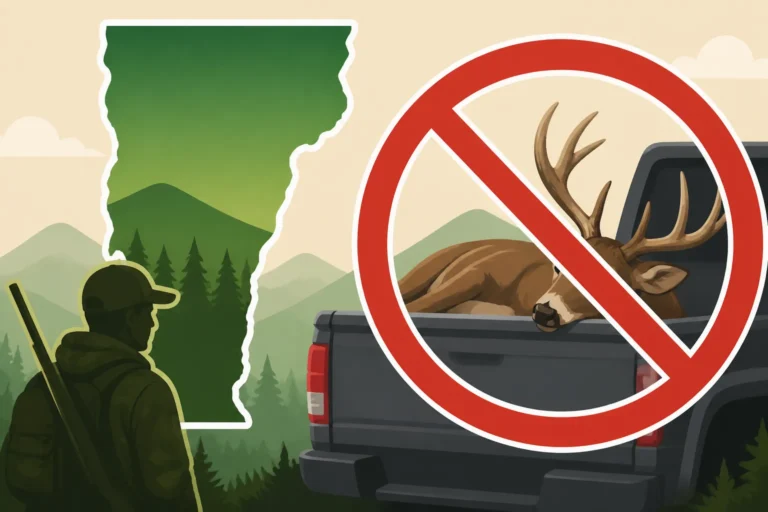
Vermont carcass import restrictions protect wild deer, moose, and elk by explaining which harvested cervid parts cross state lines.