Vermont Bear Harvest Numbers by Season
Vermont black bear harvest statistics and population data from the Fish and Wildlife Department broken down by hunting season.
Know what you’re after.
Big game, small game, upland birds, and waterfowl — identification, behavior, rut and migration timing, and how each species moves through the season.
Vermont black bear harvest statistics and population data from the Fish and Wildlife Department broken down by hunting season.
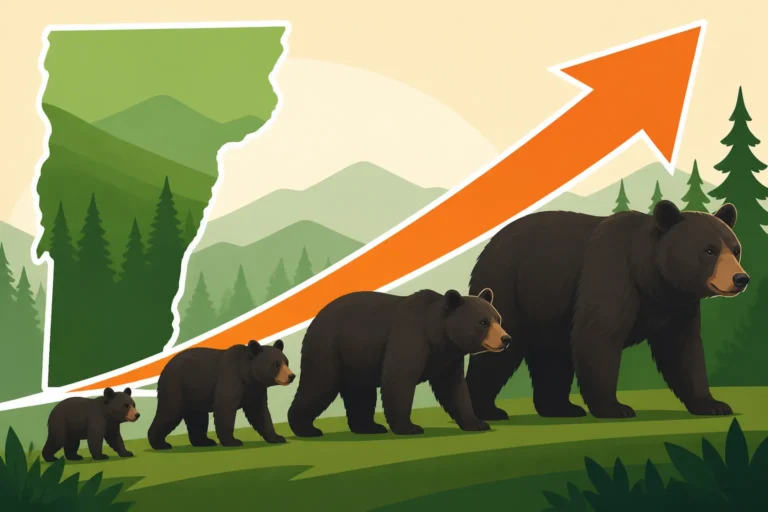
Vermont black bear populations recovered through environmental shifts, conservation efforts, and management strategies across the state.
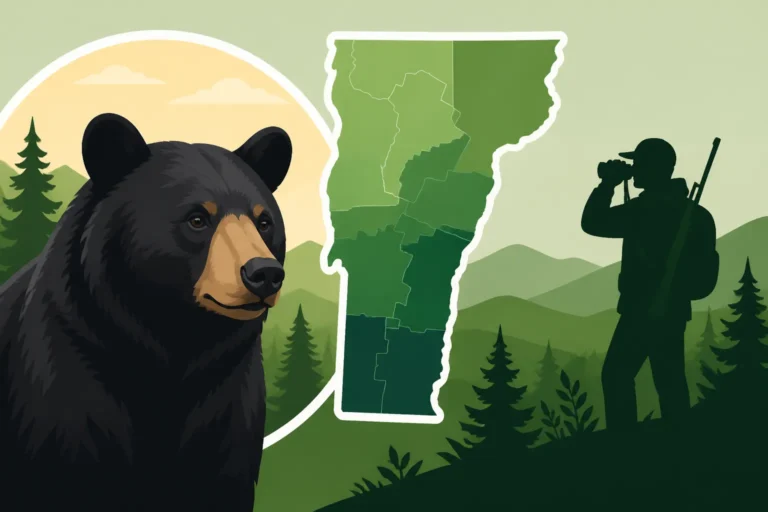
Vermont Fish and Wildlife Department estimates the state black bear population ranges between 4,500 and 6,000 individuals.
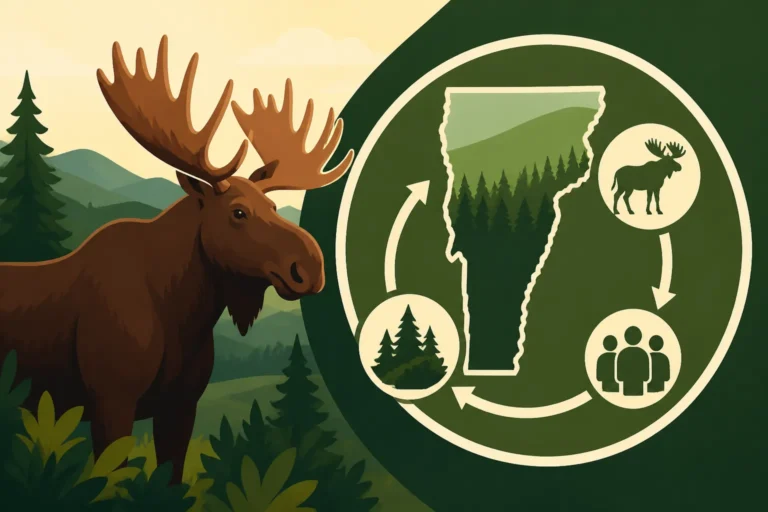
Vermont moose permits regulate herd density to reduce winter tick infestations and improve survival rates for calves in the state.
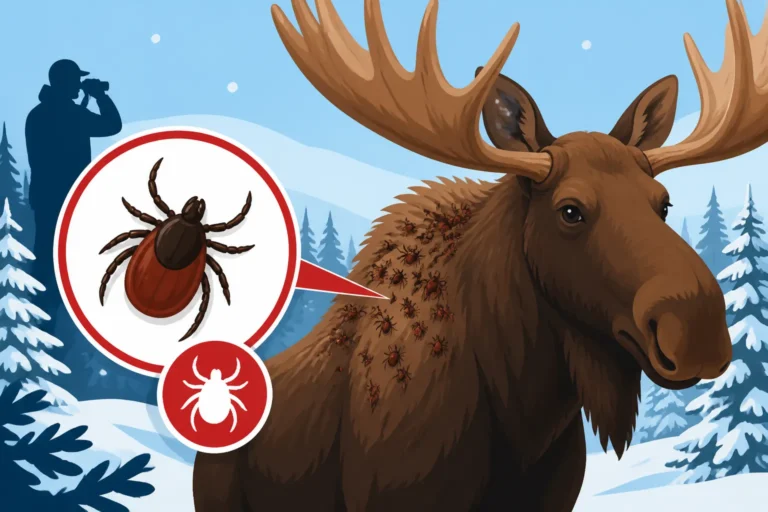
Winter ticks cause fatal population declines in Vermont moose, threatening the Northeast Kingdom herd with a relentless life cycle.
Vermont moose population estimates detail current numbers, historical peaks of five thousand, and regional densities across the state.
Vermont deer harvest records collected by the Fish and Wildlife Department reveal population trends and guide hunting strategies.
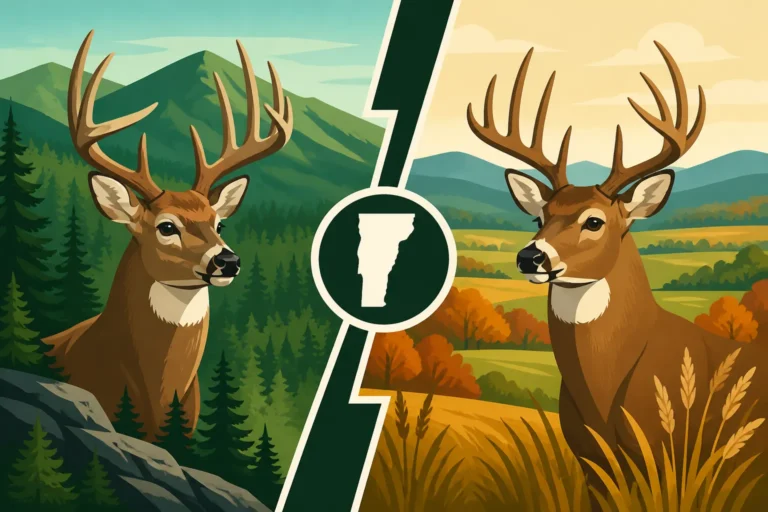
Vermont deer hunting habitats in the Northeast Kingdom and Champlain Valley determine distinct regional challenges and whitetail characteristics.
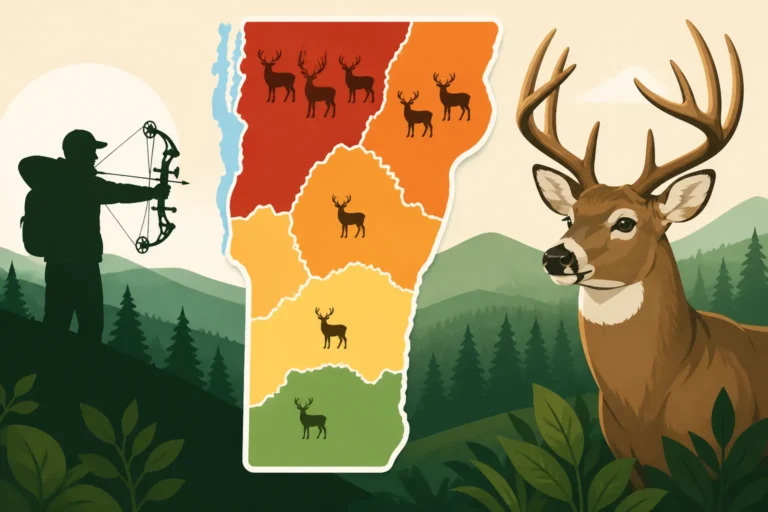
Vermont deer density across the Green Mountains, Champlain Valley, and Northeast Kingdom explains regional population variations.
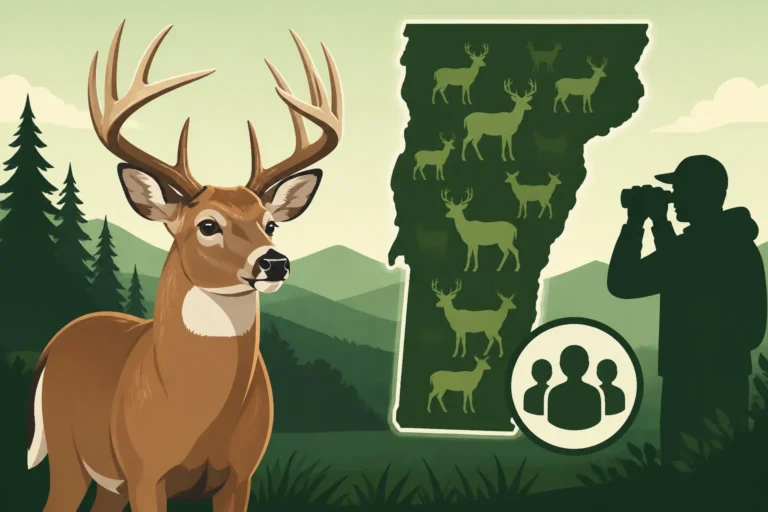
Vermont Fish and Wildlife deer population estimates explain herd trends using scientific methods and hunter harvest data.