Vermont Squirrel Harvest Numbers
Vermont squirrel harvest data reveals population health, environmental impacts, and regional hunting trends through annual surveys.
Know what you’re after.
Big game, small game, upland birds, and waterfowl — identification, behavior, rut and migration timing, and how each species moves through the season.
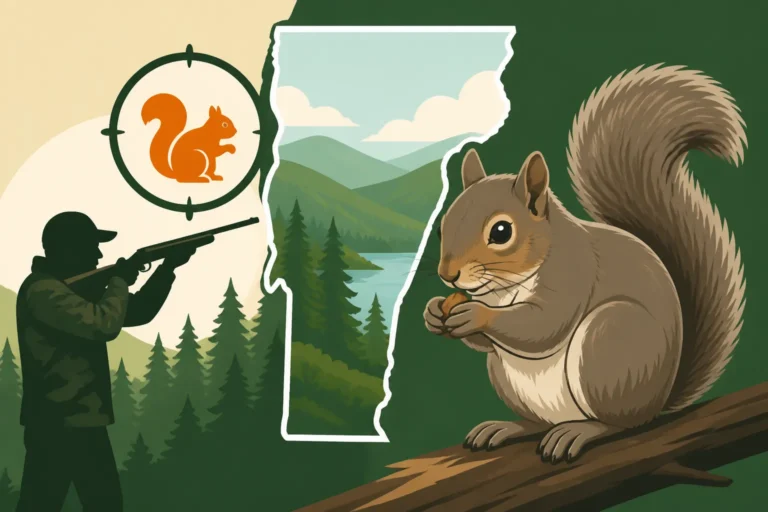
Vermont squirrel harvest data reveals population health, environmental impacts, and regional hunting trends through annual surveys.
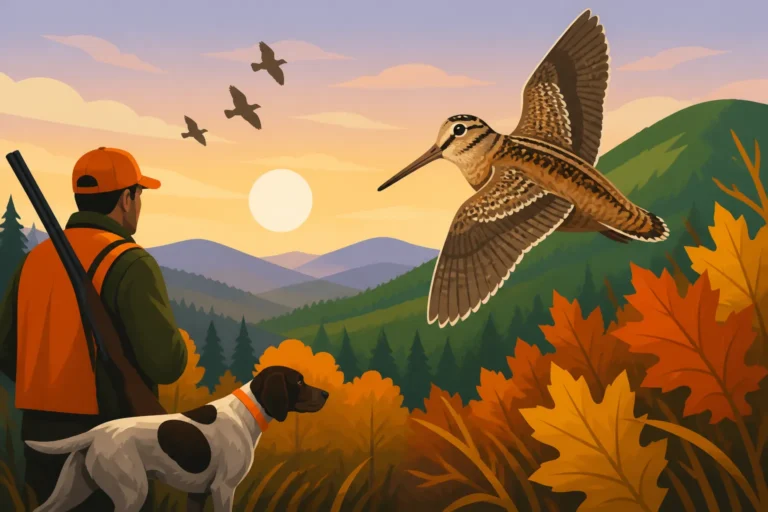
Woodcock migration patterns through Vermont depend heavily on spring frosts, food sources, and winter weather conditions.
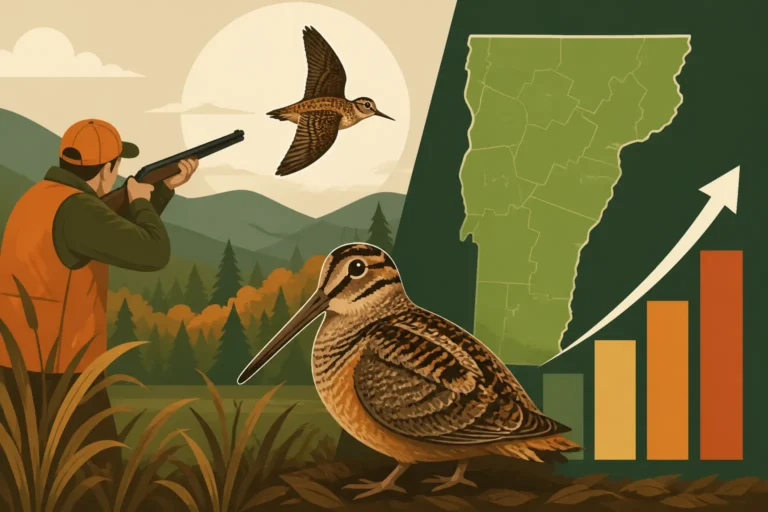
Vermont woodcock harvest numbers reveal population trends, migration timing, and habitat needs tracked by the Fish and Wildlife Department.
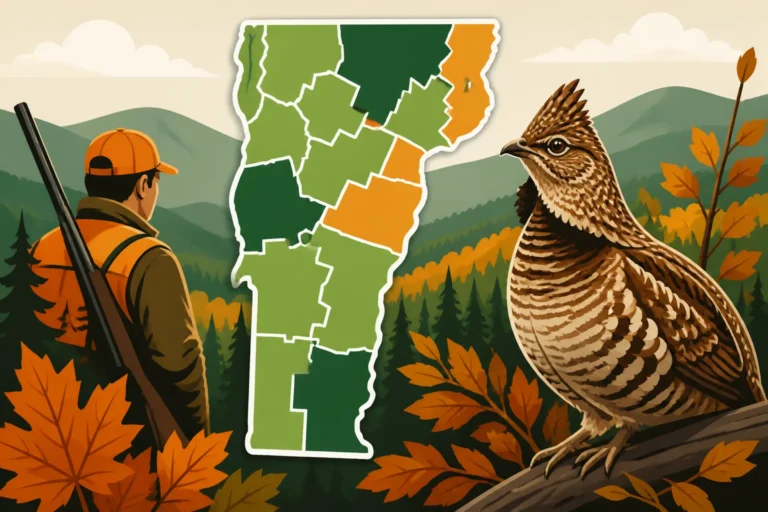
Vermont counties with high ruffed grouse populations provide habitat needs, young forests, food sources, and better hunting locations.
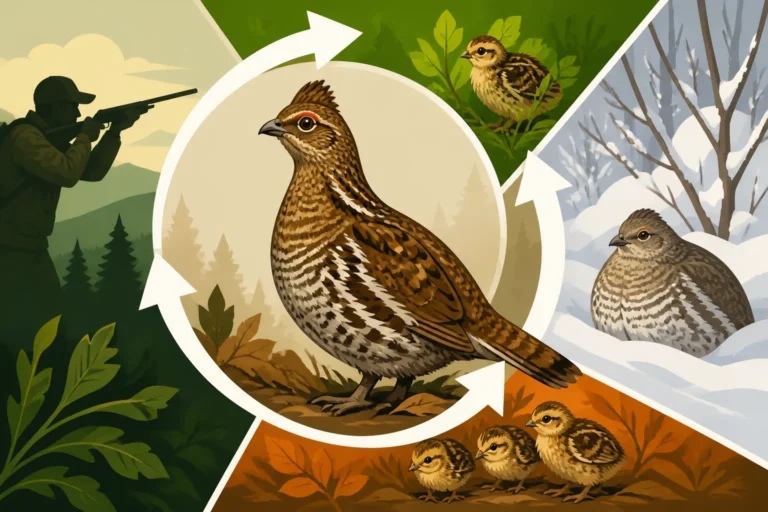
Ruffed grouse population cycles in Vermont follow an eight to eleven year pattern driven by habitat, weather, and predators.
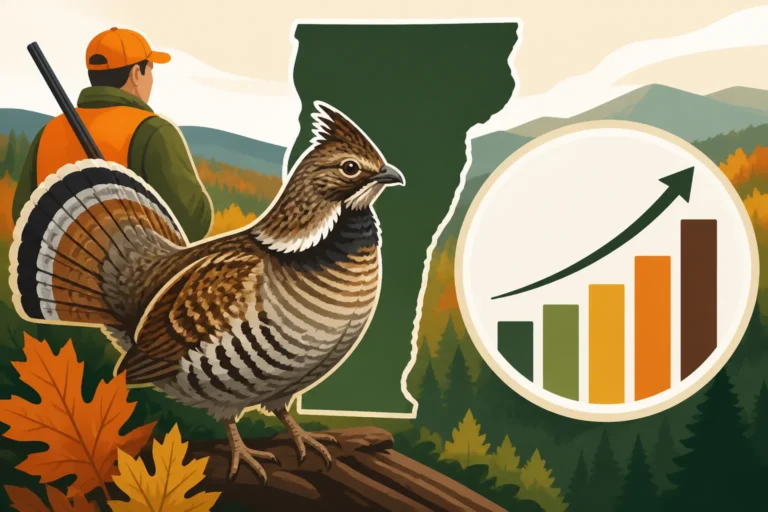
Vermont ruffed grouse harvest numbers reveal population health, cyclical trends, and survey methods used by wildlife biologists.
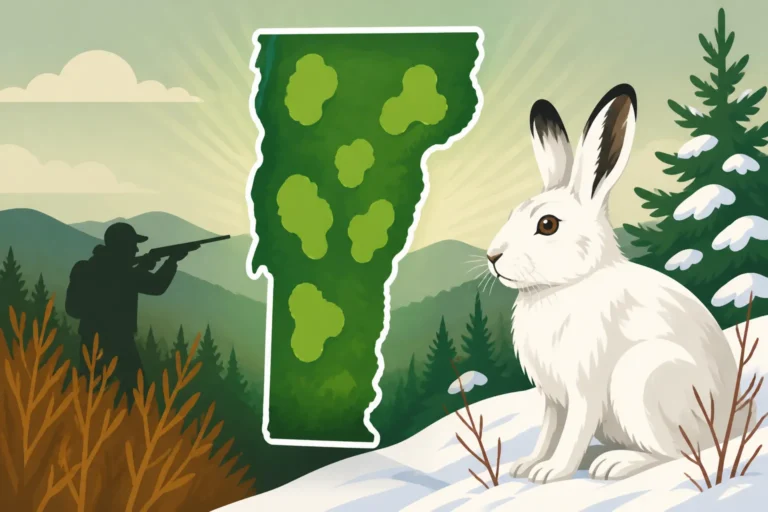
Vermont snowshoe hare populations thrive in dense conifer thickets and regenerating clearcuts five to twenty years old.
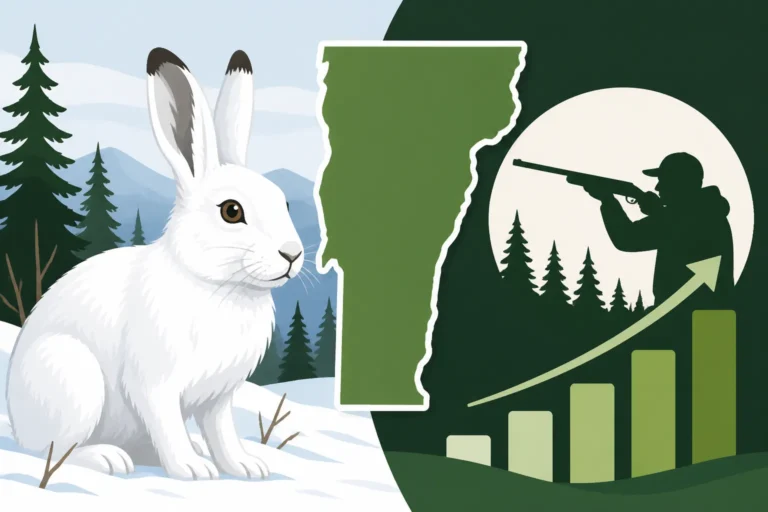
Vermont snowshoe hare harvest numbers reveal population trends, habitat challenges, and tracking methods used by wildlife managers and hunters.
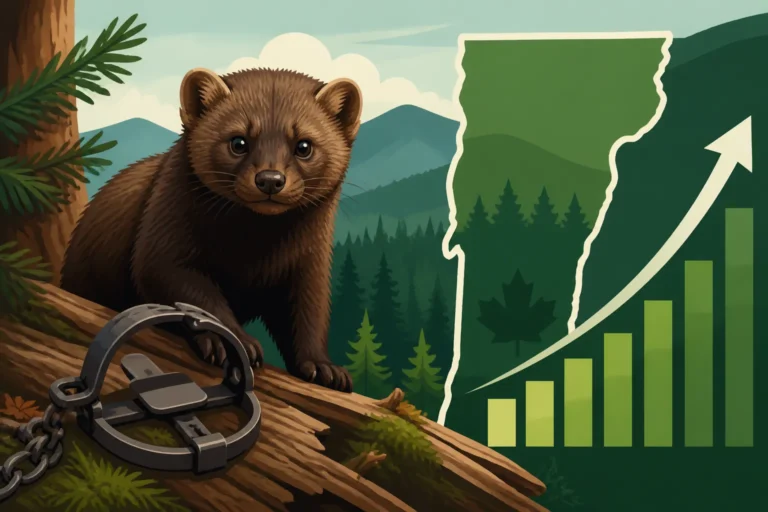
Vermont fisher trapping trends reflect population shifts, changing forest habitats, prey availability, and strict state regulations.
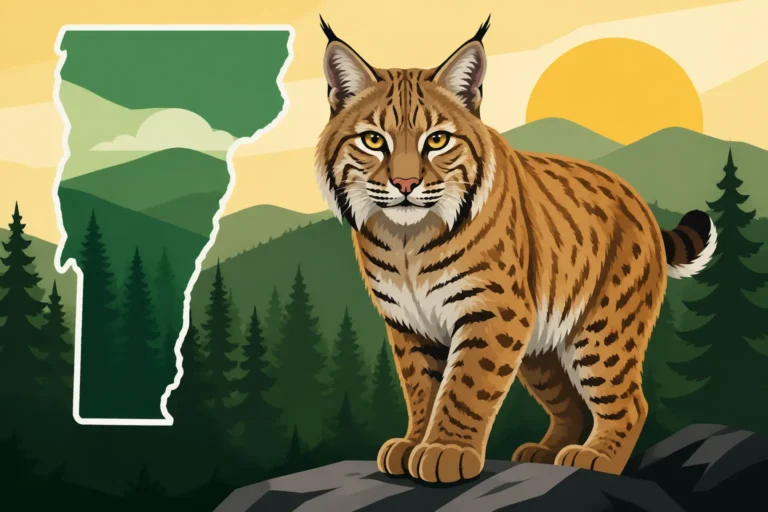
Vermont bobcat populations are recovering through reforestation and wildlife management, concentrating in regions like the rugged Northeast Kingdom.