Vermont Fall Turkey Harvest Numbers
Vermont fall turkey harvest numbers, seasonal rules, and population factors explain hunting success across Wildlife Management Units.
Know what you’re after.
Big game, small game, upland birds, and waterfowl — identification, behavior, rut and migration timing, and how each species moves through the season.
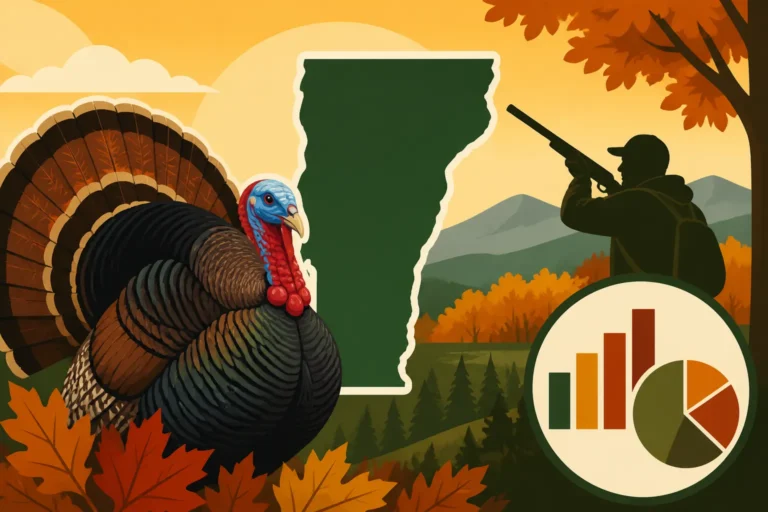
Vermont fall turkey harvest numbers, seasonal rules, and population factors explain hunting success across Wildlife Management Units.
Vermont spring turkey harvest numbers reveal wild turkey population health and help wildlife biologists manage hunting seasons.
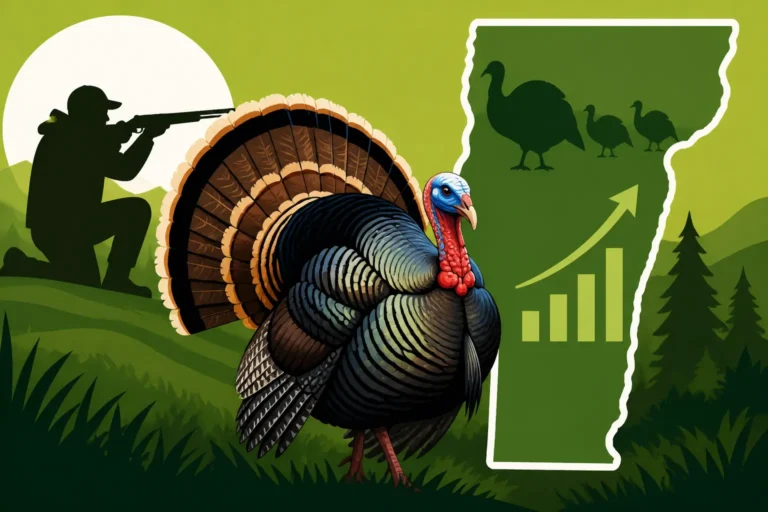
Vermont wild turkey population estimates and annual brood surveys help hunters set expectations, inform scouting, and plan spring hunts.
Vermont black bear populations grow because lush forests and high reproductive success rates produce resilient, adaptable animals.
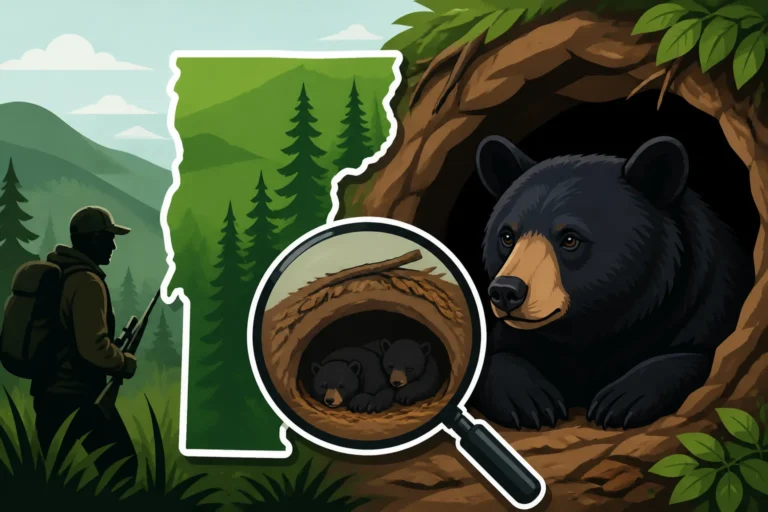
Vermont black bear den studies reveal how winter torpor and diverse shelter choices enable seasonal survival and reproduction.
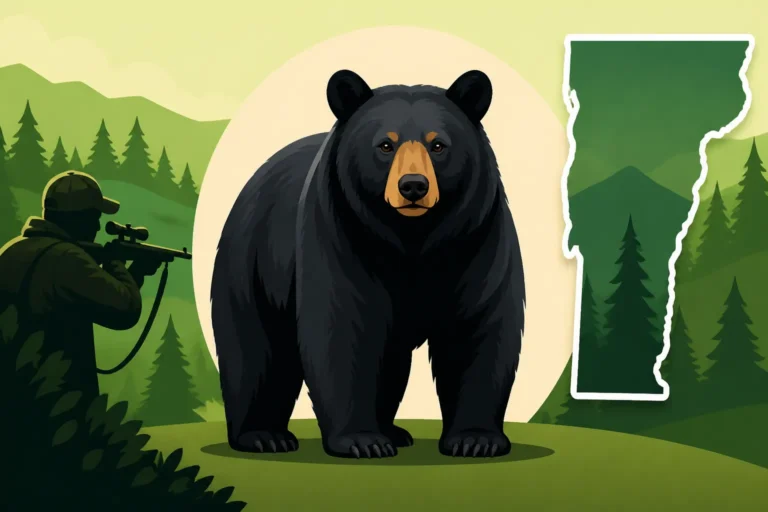
A realistic picture of black bear size in a state whose bear population has risen steadily over the decades, with factors that influence how big a bear grows.
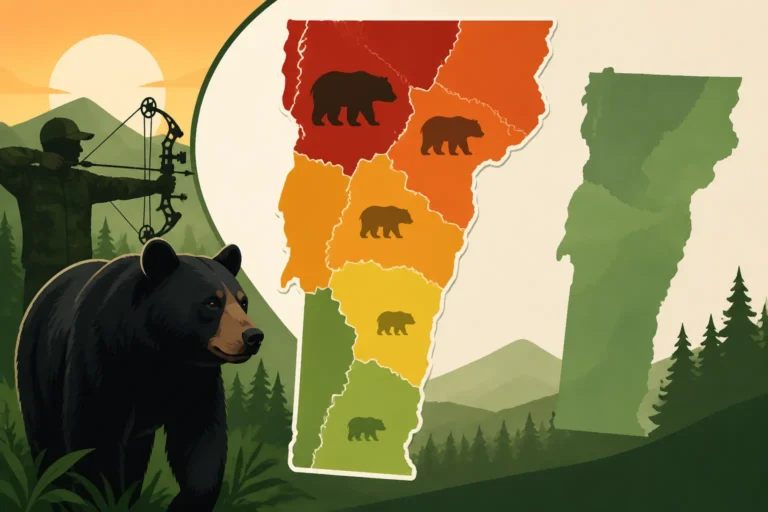
Vermont black bear density patterns and regional population concentrations help hunters focus scouting efforts and improve success.
Vermont black bear population estimates and the scientific methods wildlife biologists use to count these elusive forest animals.
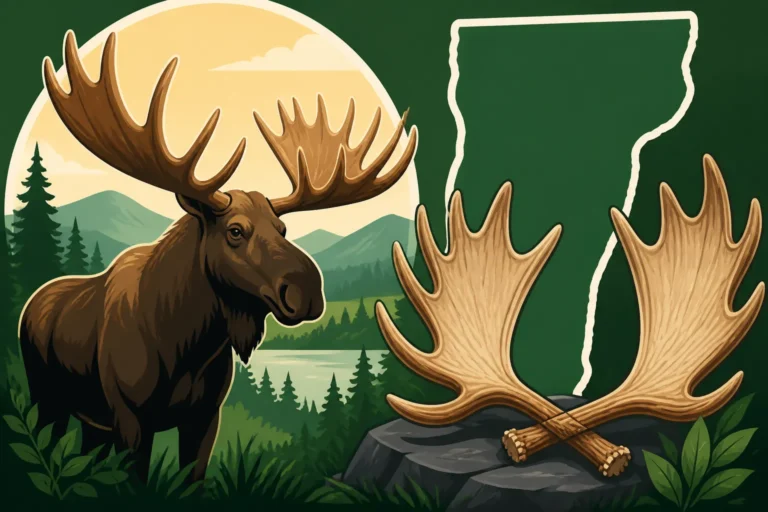
Vermont moose antler records, scoring systems, and rack measurements explain how hunters evaluate magnificent bulls in the state.
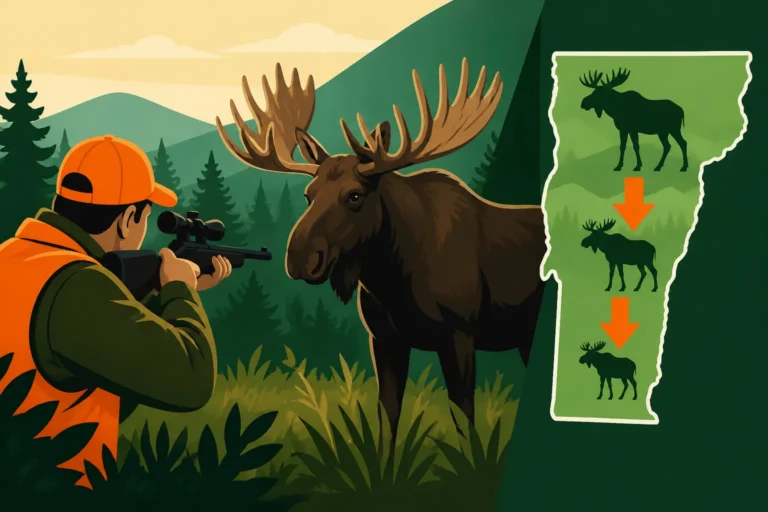
Vermont wildlife managers use controlled hunting through a permit lottery to reduce moose density and winter tick burdens.