Vermont Coyote Attacks on Livestock
Vermont coyote predation patterns, seasonal risks, and attack signs explained to help farmers protect livestock and poultry.
Know what you’re after.
Big game, small game, upland birds, and waterfowl — identification, behavior, rut and migration timing, and how each species moves through the season.
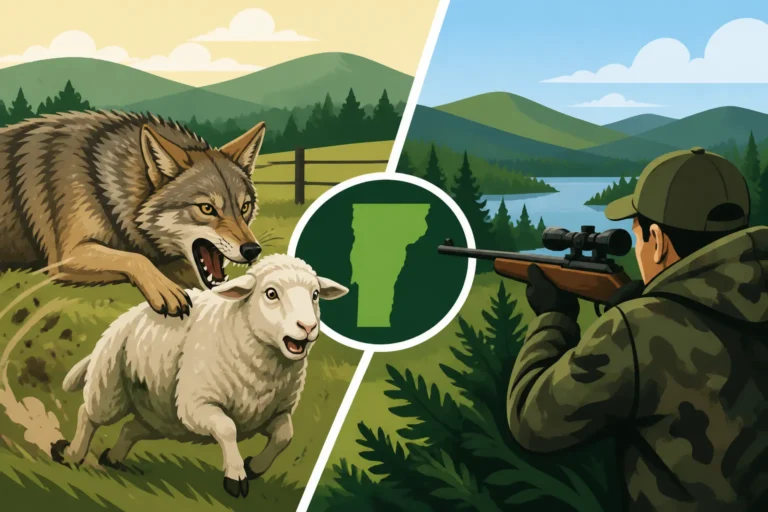
Vermont coyote predation patterns, seasonal risks, and attack signs explained to help farmers protect livestock and poultry.
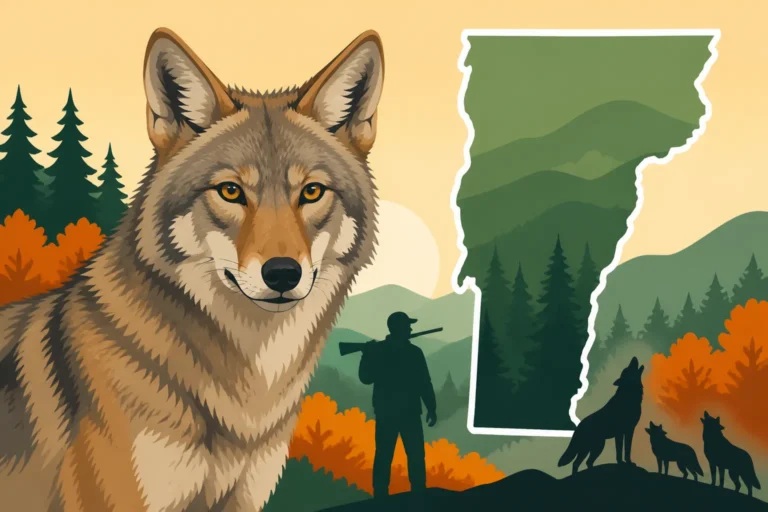
Vermont wildlife biologists analyze harvest numbers, roadkill reports, and public sightings to track regional coyote trends.
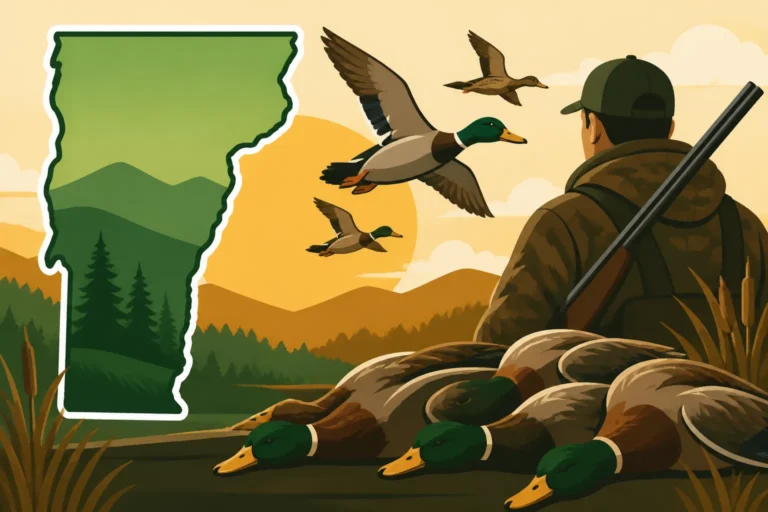
Vermont duck harvest numbers reflect migratory bird populations, bag limits, and weather impacts on hunting seasons across the state.
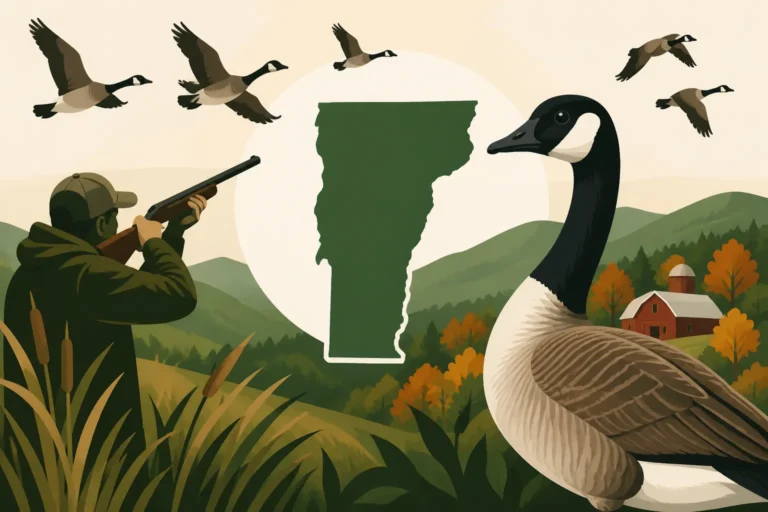
Vermont resident Canada geese live year-round in local wetlands and farm fields, offering unique hunting opportunities and management challenges.
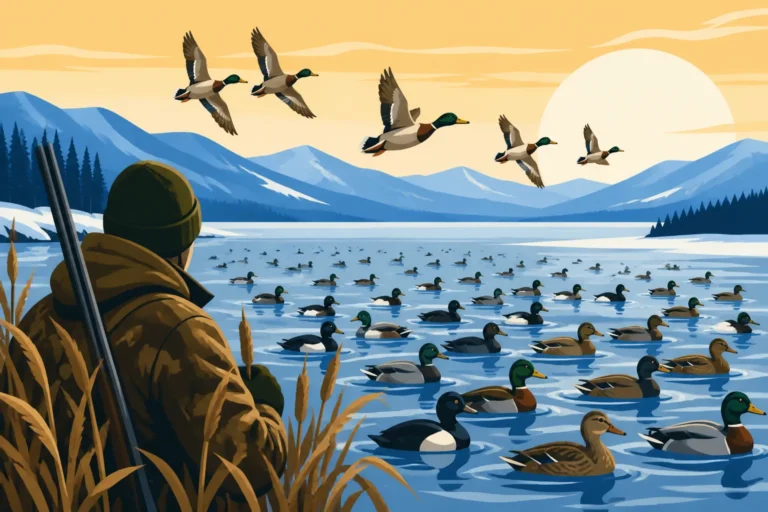
Lake Champlain wintering duck populations fluctuate due to weather, food availability, ice conditions, and bird mobility.
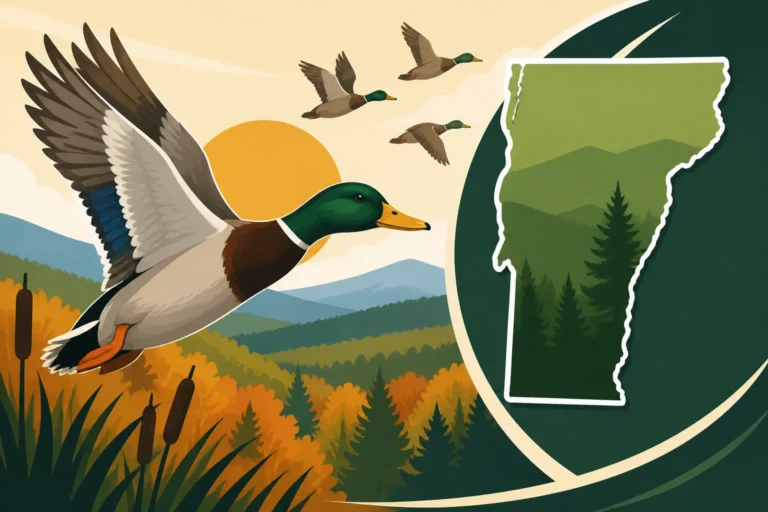
Duck migration timing in Vermont depends on continental weather and food sources, influencing early season hunting patterns.
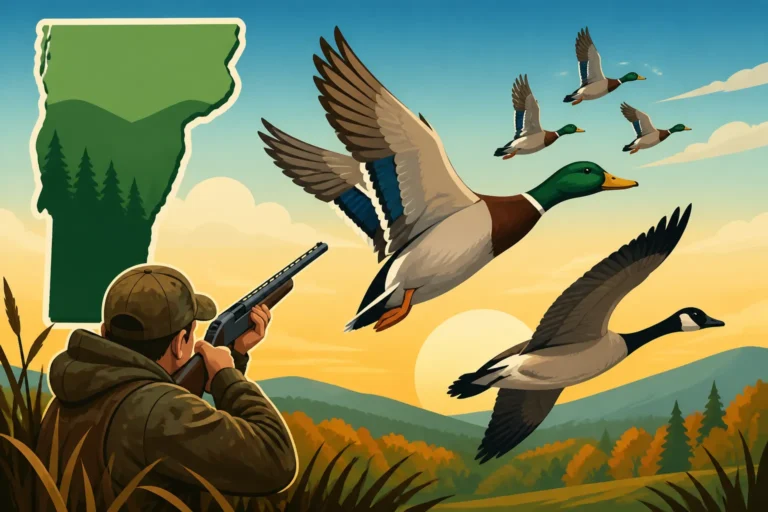
Vermont duck and goose populations change due to weather, migrations, and local habitats, affecting local hunting strategies.
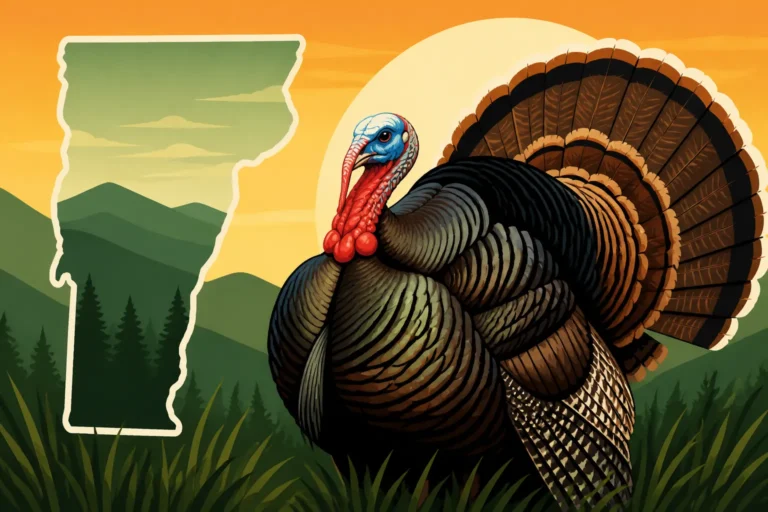
Vermont wild turkey records use National Wild Turkey Federation scoring based on live weight, beard length, and spurs.
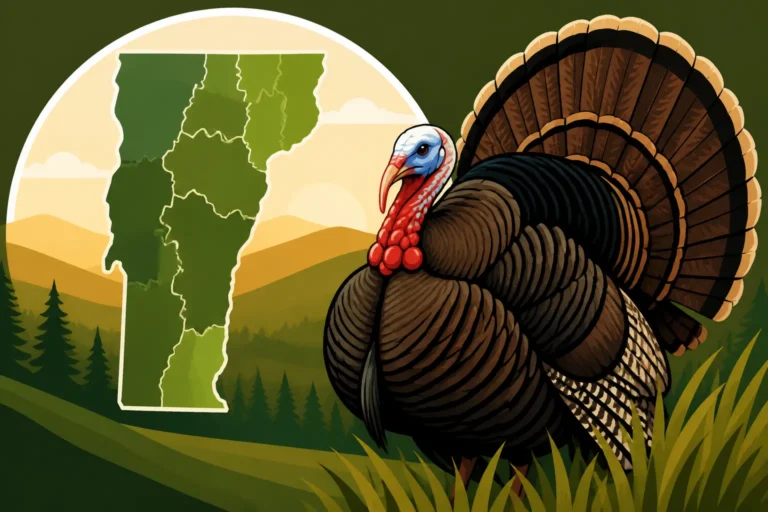
Vermont Wildlife Management Units with robust turkey populations offer hunters key habitat features and consistent gobbling action.
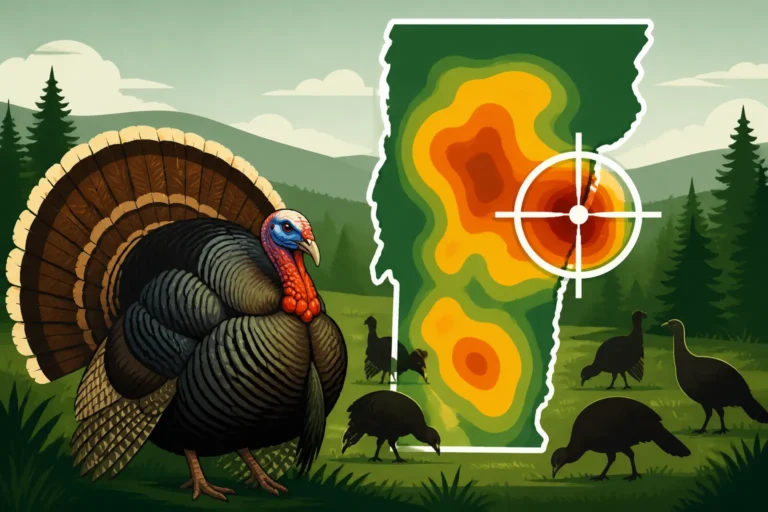
Vermont wild turkey populations concentrate in specific regions near mast crops, agricultural fields, water, and mature roost trees.