Vermont Deer Camp Traditions
Vermont deer camp traditions connect hunters through shared heritage, rustic cabins, and lifelong bonds in the wilderness.
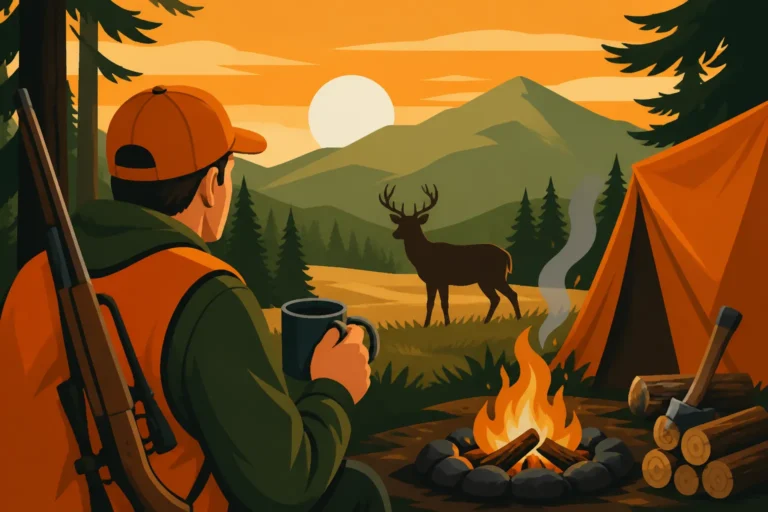
Vermont deer camp traditions connect hunters through shared heritage, rustic cabins, and lifelong bonds in the wilderness.
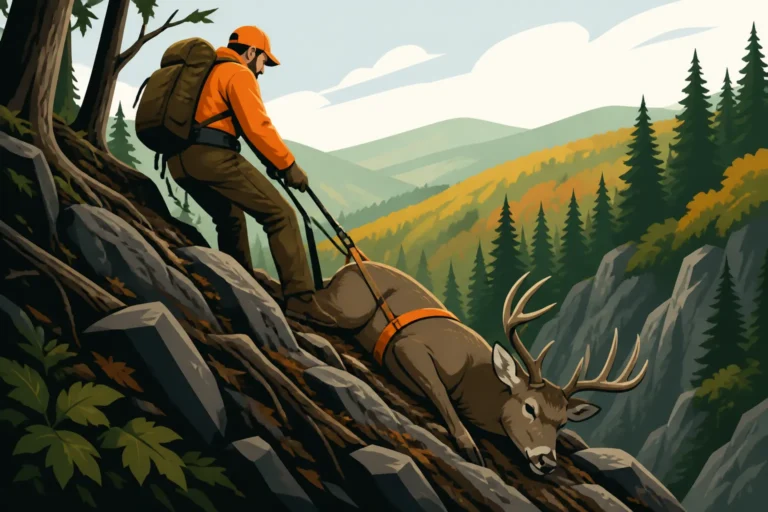
Vermont deer recovery from steep ravines requires safety assessments, binocular scouting, stable anchor points, and careful planning.
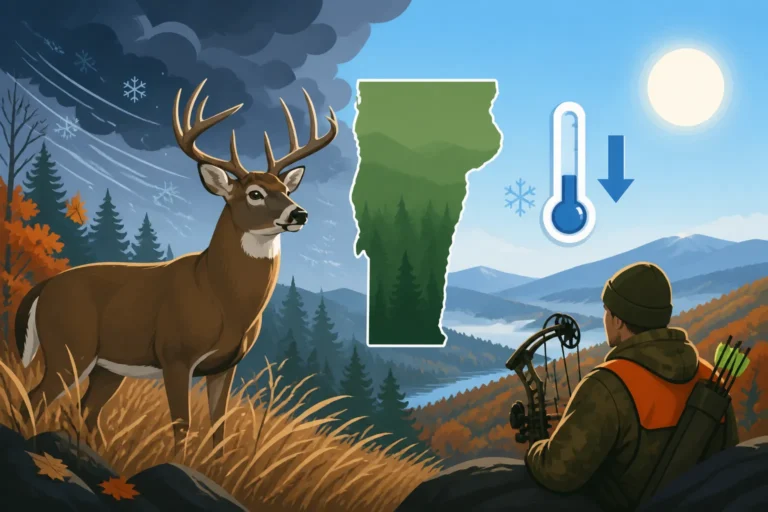
Cold front weather shifts alter Vermont deer behavior, guiding hunters to find whitetails using barometric pressure and temperature data.
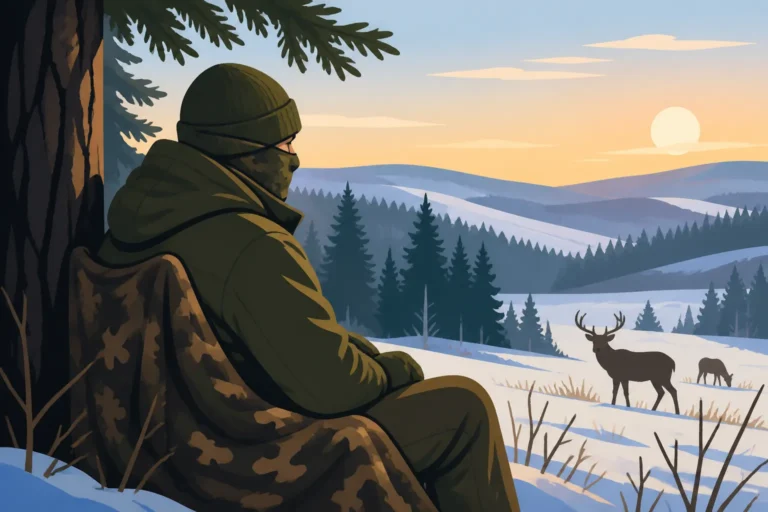
Cold-weather sitting strategies help Vermont hunters endure frigid winter temperatures and tag late-season whitetail deer.
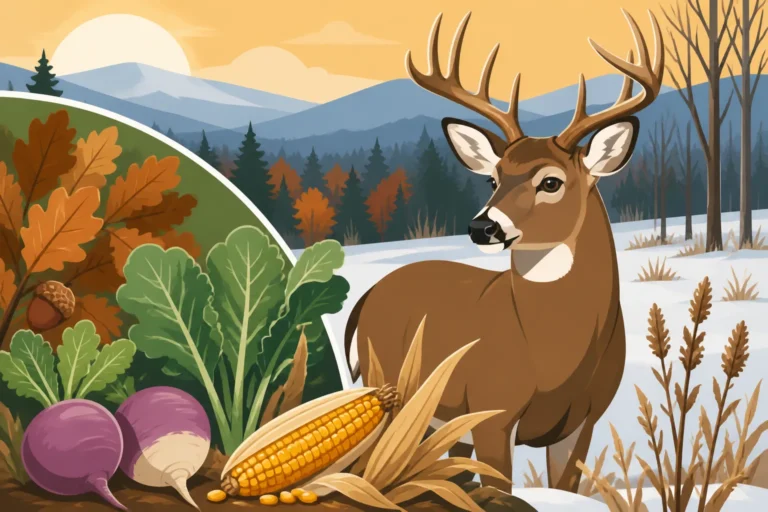
Late-season Vermont whitetails require high-energy food sources like acorns and beechnuts to survive the harsh winter months.
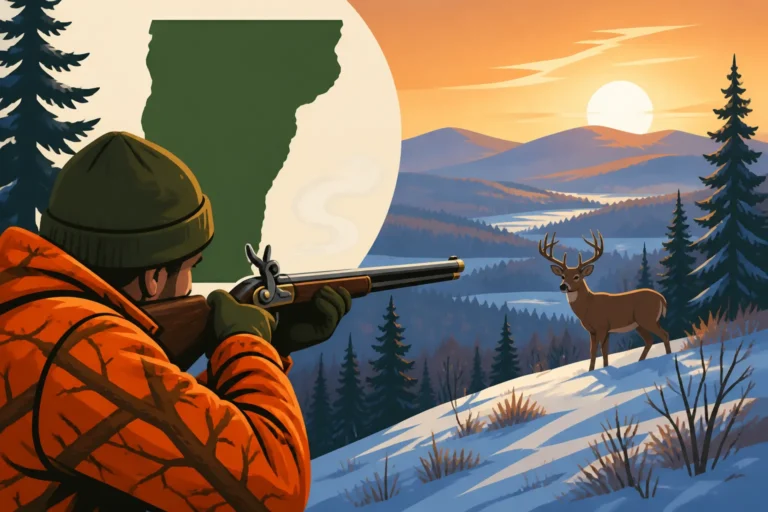
Vermont deer hunting during the December muzzleloader season explains key dates, legal firearms, and winter deer behavior.
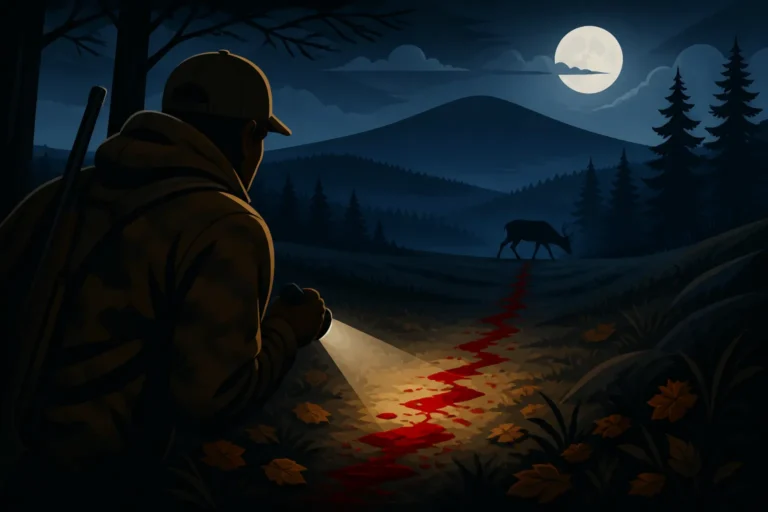
Blood trailing deer after dark in Vermont requires specific methods for navigating thick cover and low light conditions.
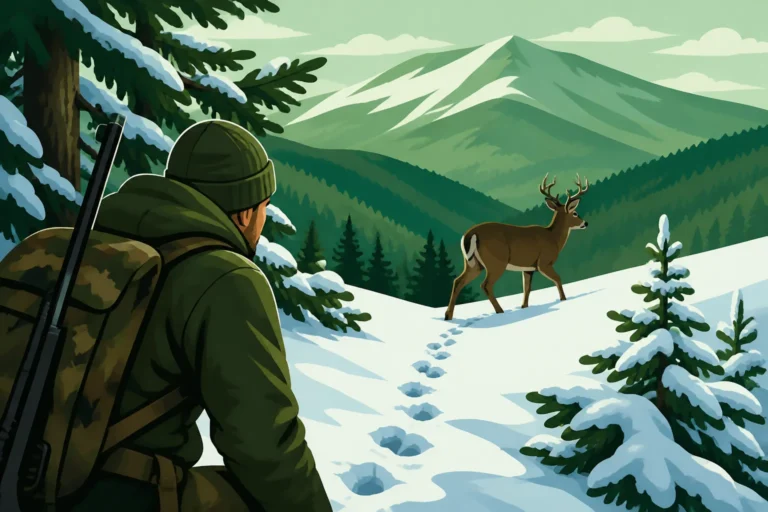
Deer tracking in fresh Green Mountain snow helps hunters assess shot reactions, find impact sites, and follow blood trails.
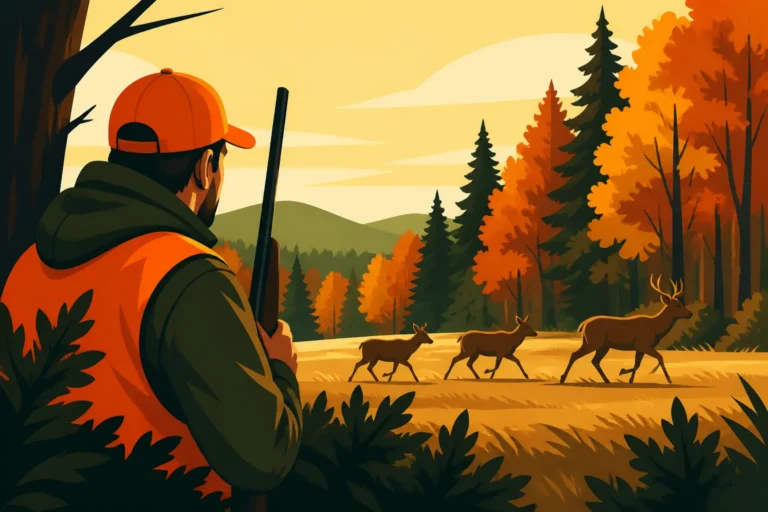
Vermont woodlot deer drives and posted hunter strategies explain how to move thick cover deer toward waiting hunters safely.
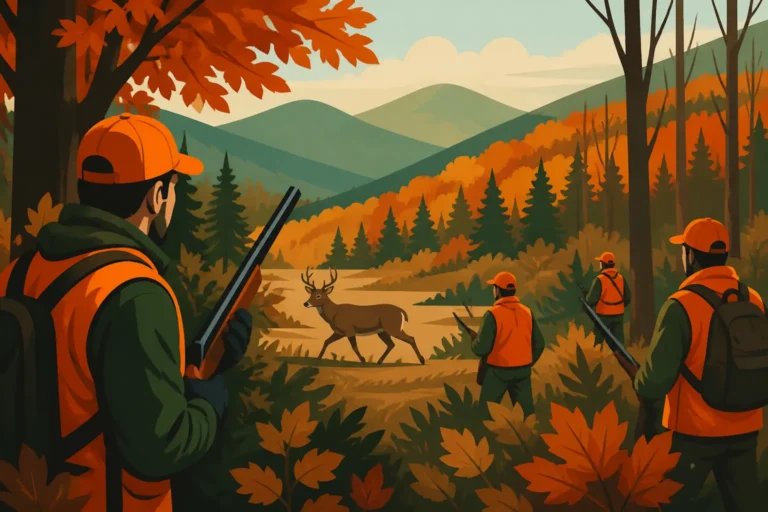
Small-group deer drives with three or four hunters require surgical strategies, clear roles, and focused terrain management.